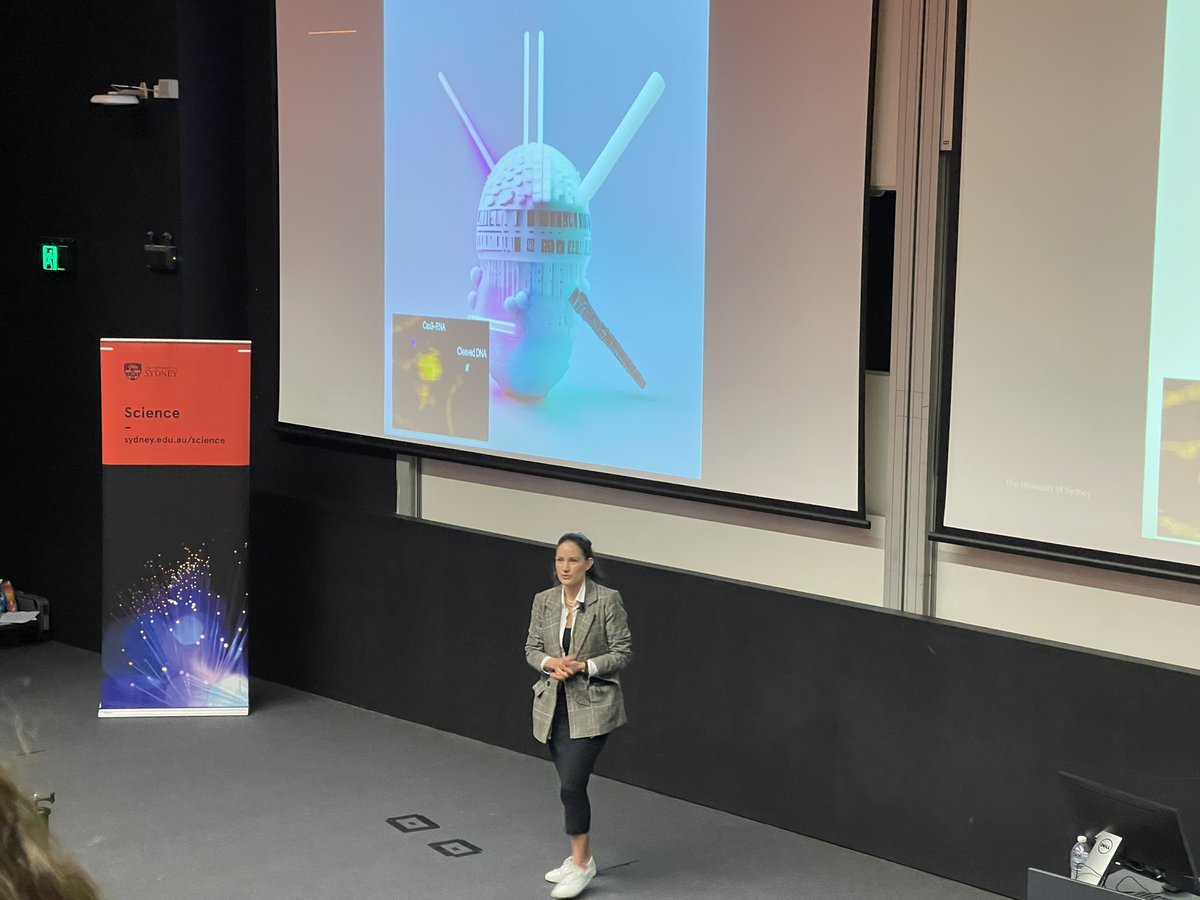
CRISPR-Enabled Autonomous Transposable Element (CREATE) for RNA-based gene editing and delivery https://t.co/S0vVUjHejV super cool tech, looking forward to trying this out soon
Passionate about #spatialbiology? Like to work with highly productive research teams? Come join us at Sydney Cytometry in this exciting new role - Senior Cytometry Specialist - Spatial Biology
https://t.co/wRNGQkFR7S
Very happy to share our work of love and a brain child, stLearn. We show 1) ability to predict progression trajectories of diseases and development across a tissue, and 2) accurate mapping of spatial interactions, overcoming constraints in scRNAseq data https://t.co/DTctx0Qb3Q
I look forward to the Single Cell and Spatial Biology Node: Annual Symposium tomorrow at 9:30 am!
Hoping to share snPATHO+Visium and who knows, perhaps some of our recent experience with Xenium and CosMx 😎.
Good time to talk about @GESTALT_sp https://t.co/WLefiMYUnt
Persistence of #SARSCoV2 spike protein (red) in the skull bone marrow and meninges, an immune reservoir niche at autopsy in people who had Covid, work by @erturklab and colleagues
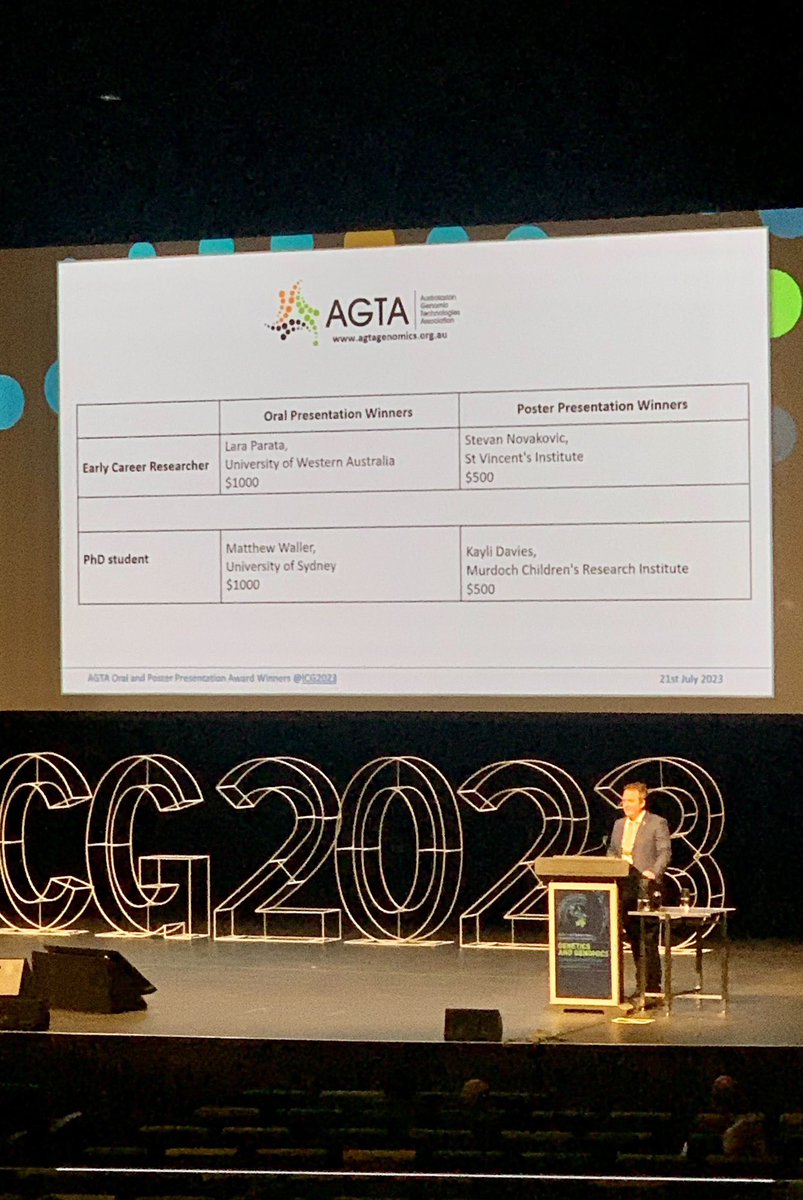
Congratulations to our amazing PhD student @M_A_Waller for winning best oral talk at the 2023 International Congress of Genetics! That’s so awesome Matt all your hard work shows great job.
We are excited to announce a new computational tool, drug2cell, published in @nature. This tool can provide insights into the precise cellular targets of drugs.
Want to know all about it? Keep reading!
#genomictool#sangerinnovation