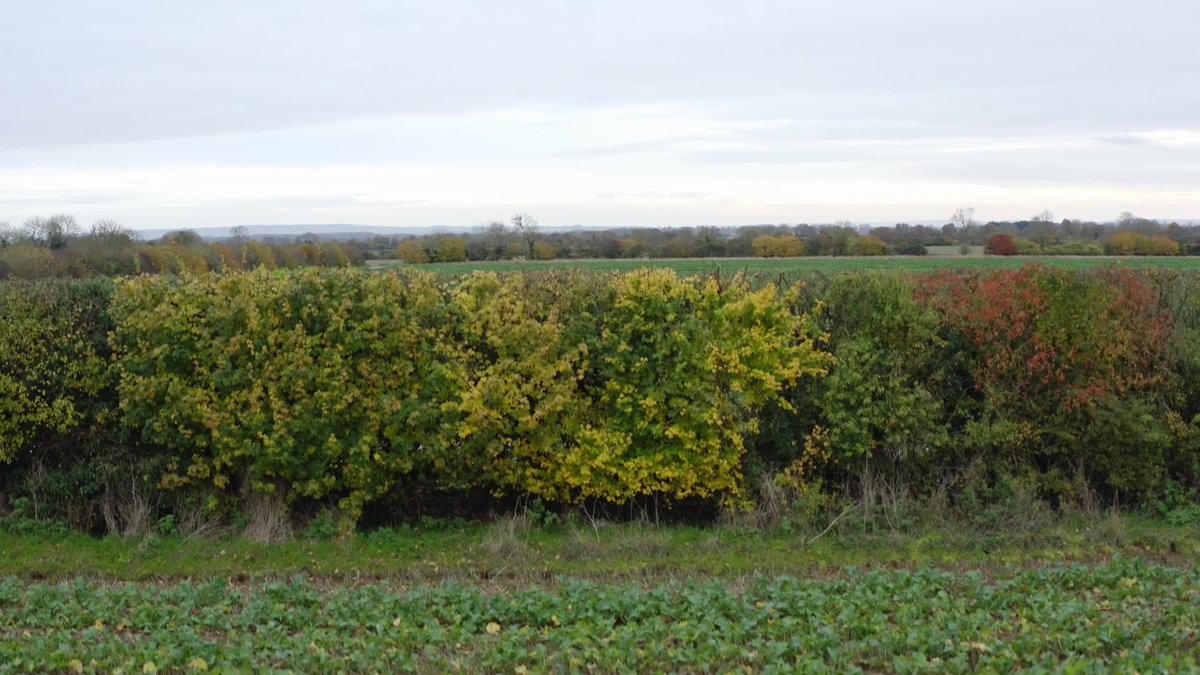
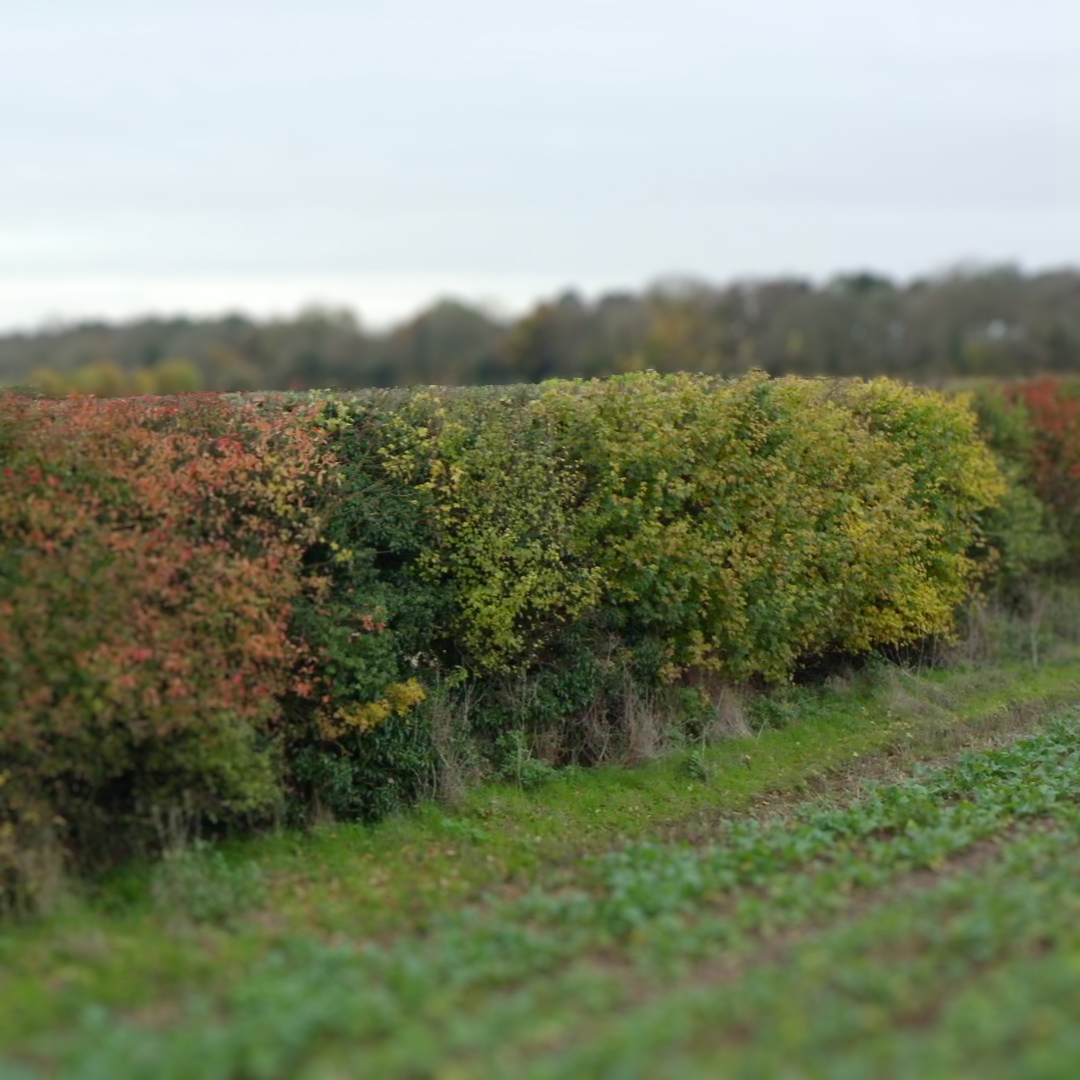
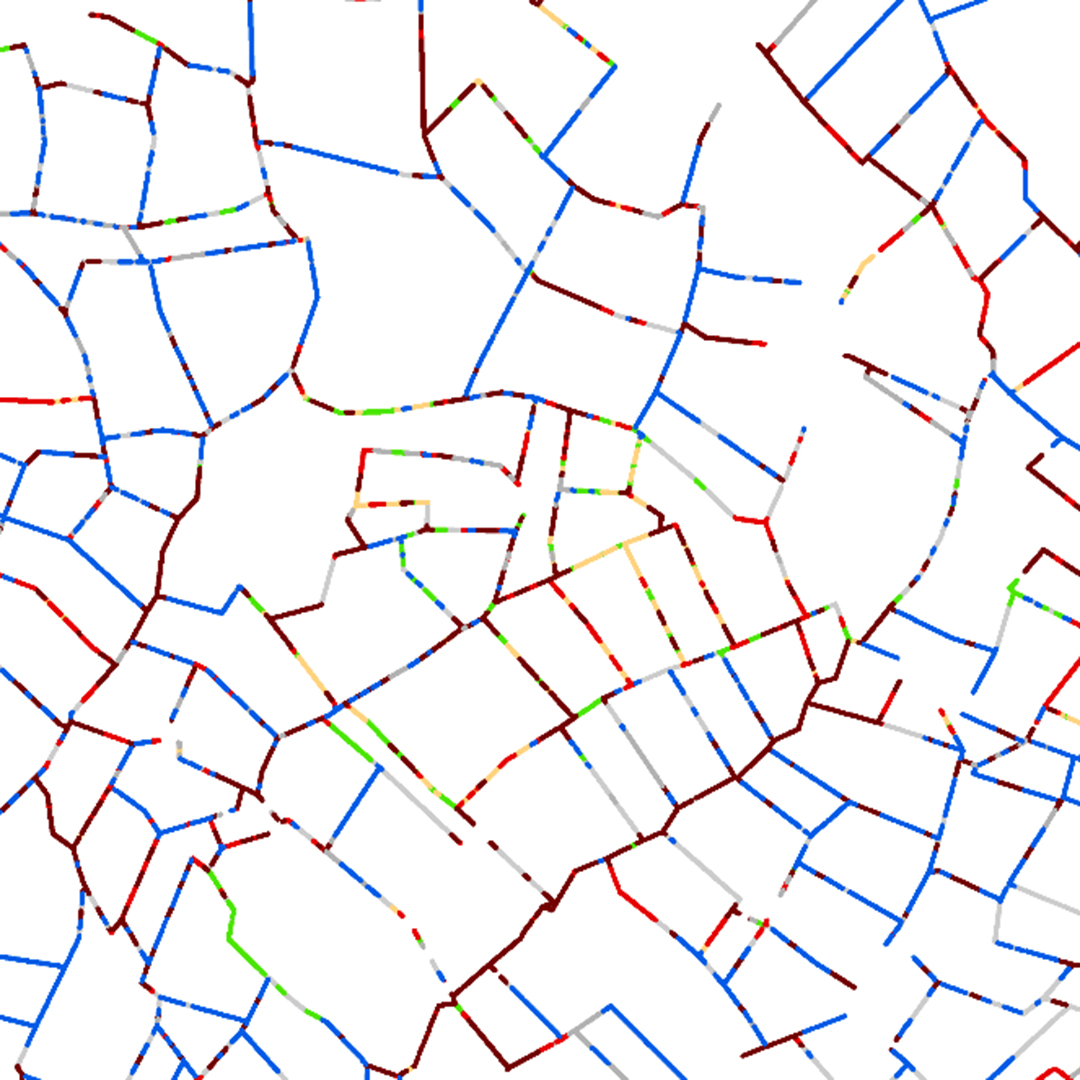
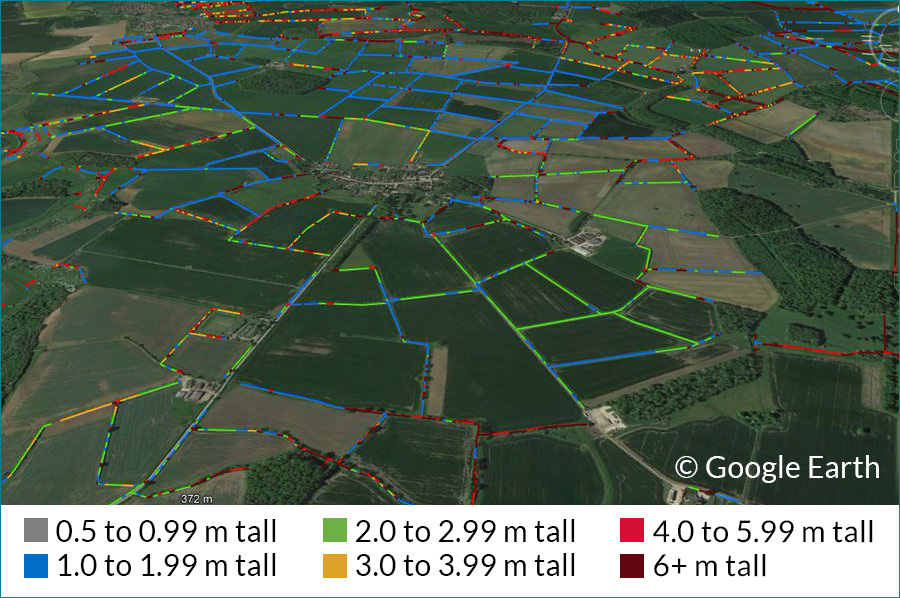
🗺️ In our latest geovisualisation, Josep Serra Gallego, a Spatial Data Scientist at the UK Centre for Ecology & Hydrology (@UK_CEH), shares how he and his fellow researchers produced the most comprehensive map of hedgerows across England.
Read more 👉 https://t.co/SvLrM8gwA8
I’m delighted to share our new paper on the implications of marsh harrier hunting and diet on breeding waders, after this (and more) being the body of my MSc dissertation 9(!) years ago at @UniKent with @RSPBScience https://t.co/eVAW05ix3z 1/9
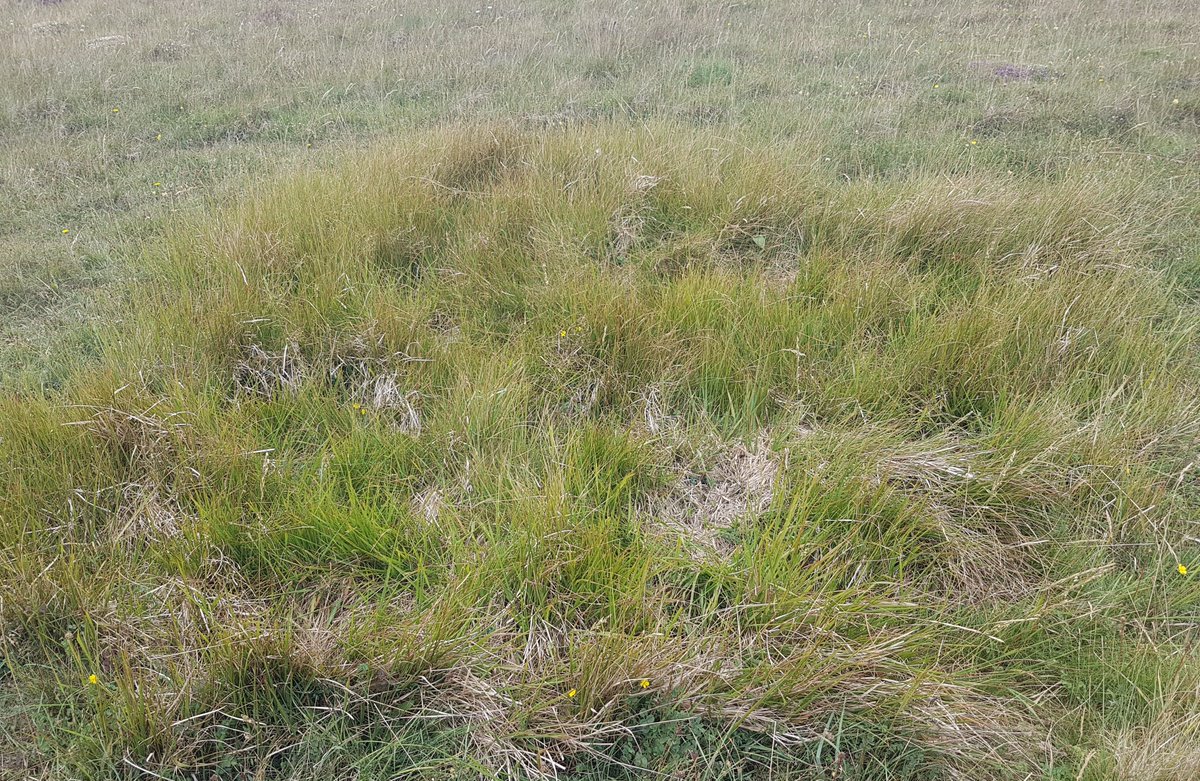
Calcareous grasslands are increasingly threatened by the dominance of tor grass – 📢our new paper examines methods for its control including the use of 1) herbicides & seeding and 2) cutting & grazing https://t.co/8kWjjOy19H
NEW! We've created the most comprehensive map of England's #hedgerows to date!
💡 390,000km of hedgerow on field boundaries
📏 Depicts hedgerow length & height (for 1st time!)
🔎 Reveals areas with highest & lowest hedgerow densities
Read more: https://t.co/lgmOc8uecB 1/🧵
📢Our new paper published in @JEcology
Vascular plant and bryophyte succession on bare chalk – only some plant traits were found to influence abundance through succession, but these were sometimes contrary to the expected pattern
Find out more here:
https://t.co/VXlMypm3v1
Do plant traits influence primary succession patterns for #bryophytes & vascular #plants? Evidence from a 33-year chronosequence on bare chalk👇
@LRidding@sacrevert https://t.co/f9na5iZ1Dv
📢Our new paper published in @JEcology
Vascular plant and bryophyte succession on bare chalk – only some plant traits were found to influence abundance through succession, but these were sometimes contrary to the expected pattern
Find out more here:
https://t.co/VXlMypm3v1
📢New job alert 📢
Do you have good GIS skills? Interested in sustainable land management?
Come and join our spatial ecology team at @UK_CEH
https://t.co/jreayCO3tU
Very useful paper led by @OliJWilson here; happy to have been able to be a part of it, and to have been able to demonstrate the future use of @theNPMS#data for investigating climate change impacts. Thanks also @BBCRadio4 for having me on #Today to talk about it early this am
Land use and species data from the 1930s have allowed us to do a long series of papers on historical ecology
In the 1st we presented the first direct evidence of taxonomic homogenisation in the UK showing this as a cause of woodland biodiversity loss
https://t.co/rsSBUpQC3J
#BSBIAtlas2020 is now live, so check out this fabulous website: https://t.co/ZNf5ZYBpHo
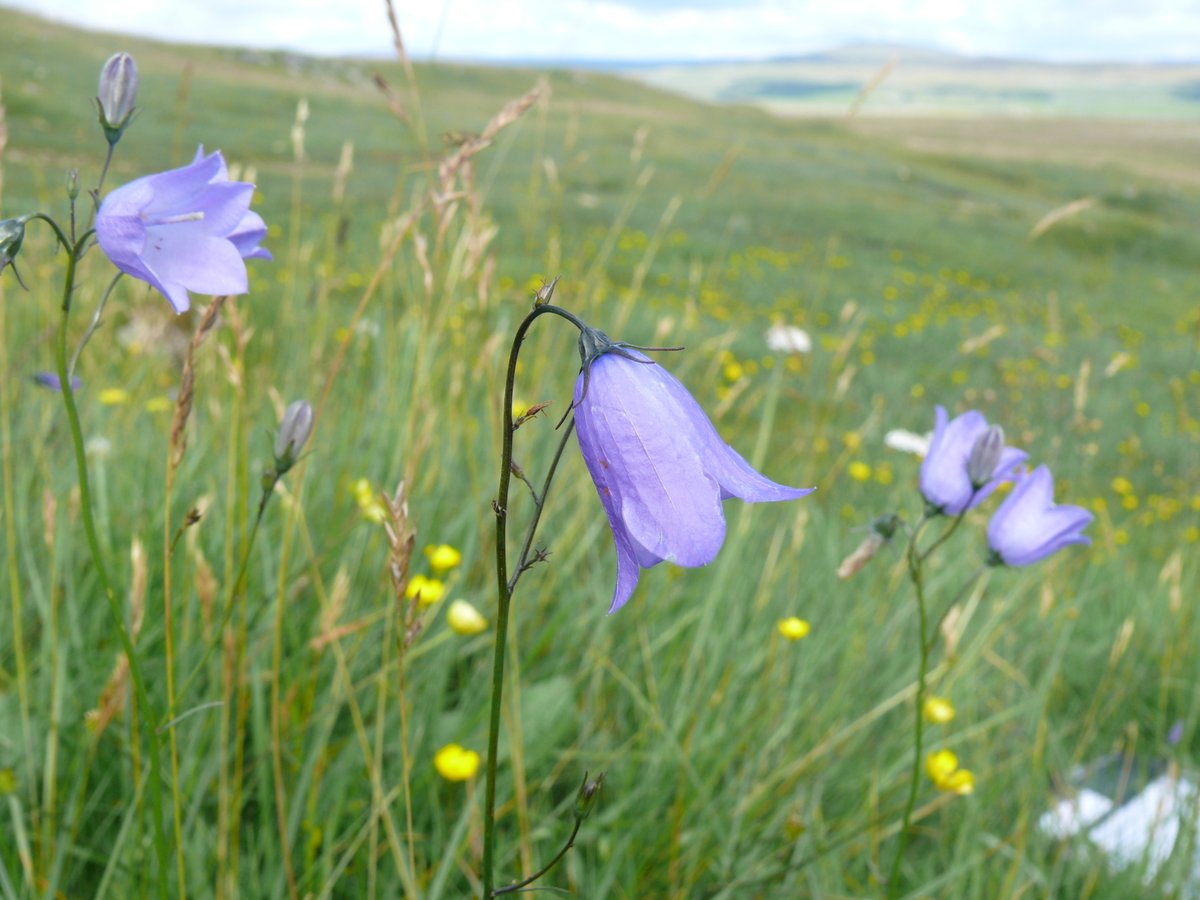
Find out which of these species👇 is doing well & which is declining - and why.
Read about the #PlantAtlas project & download summary reports about our changing flora: https://t.co/1K7IKvGjB3
Help to inform future research in agroecology and regenerative #farming! Please contribute to a short survey to tell us about your research initiatives and networks, for a Defra-funded project.
➡️ https://t.co/gbE90Ey7pL
Survey closes 20th February⏳
Excited to see our article published in @EcographyJourna's issue today! We find a negative habitat amount effect in the 1930s for calcareous grassland and heathland, but not in the 2010s. https://t.co/kwbNZc95eP @BecksSpake @JMBecologist @Sal_Keith
🌾 Can we see spatial patterns in GB crop rotations?
🌾 How well can we predict the next crop in a rotation?
📢 New paper with @petehenrys @RedheadGIS Susan Jarvis & Richard Pywell @UK_CEH#CropMap#CropRotation#ASSISTagri#OpenAccess
🔗 https://t.co/YBWuhfHBrN
1/8
The Winter issue is now out! Featuring articles on options for reedbed management, botanical change in calcareous grasslands, the future for farm payments in the UK, sustainable grazing levels in the English uplands, and much more...
Subscribe here: https://t.co/l7BRshbyE2
Historical data contradict the Habitat Amount Hypothesis
We find unexpected negative HA relationships for the 1930s (but positive in 2000s)
We suggest the HAH is undermined by confounding of HA with other landscape variables
Led by @LRidding @BecksSpake
https://t.co/GnzebQf4DE