Did you know the UK is one of the largest international contributors to @VRubinObs, one of the most exciting innovations in astronomy in recent years? LSST:UK includes representation of every astronomy department in the UK.
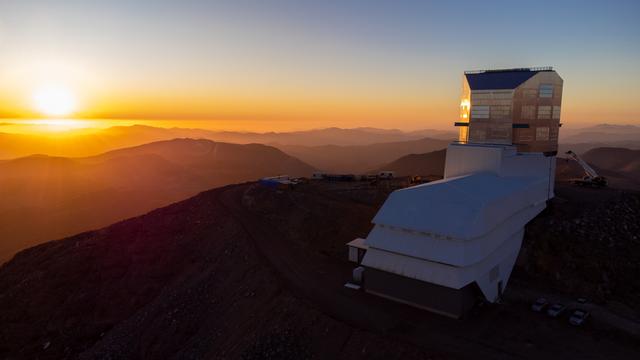
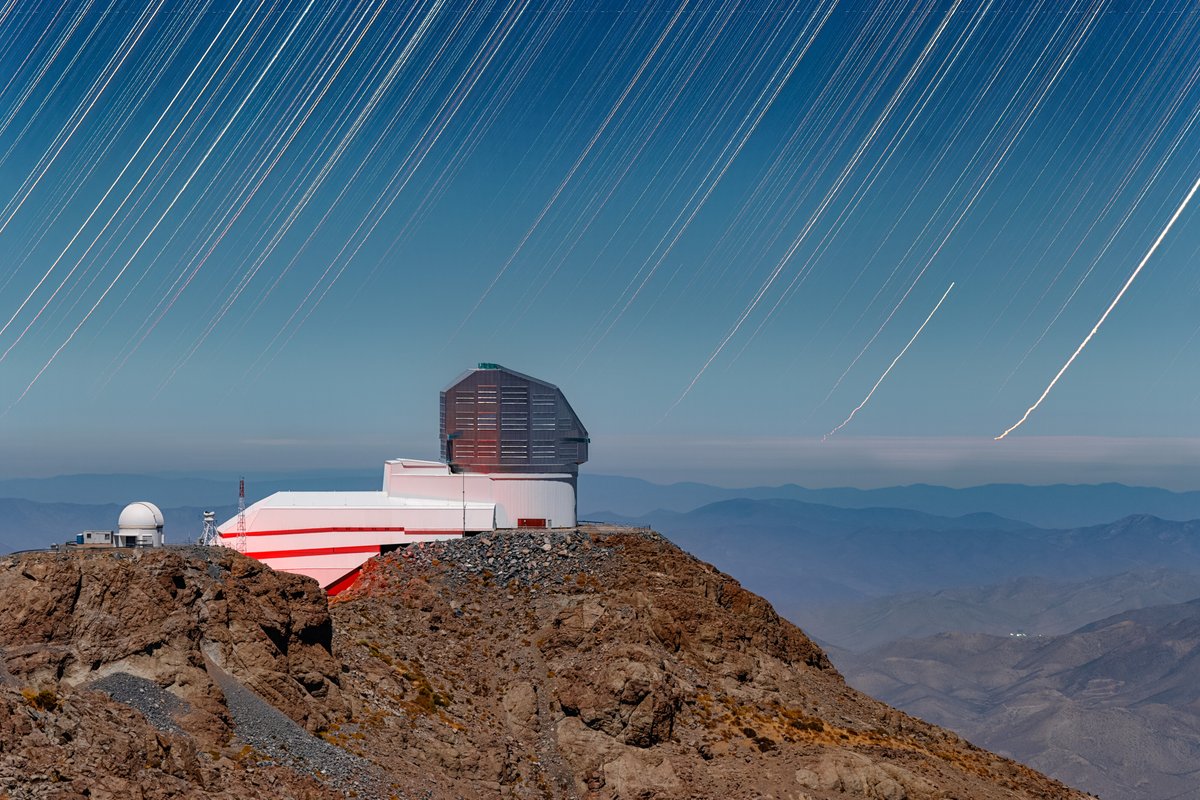
(image: RubinObs/NSF/AURA/H. Stockebrand)
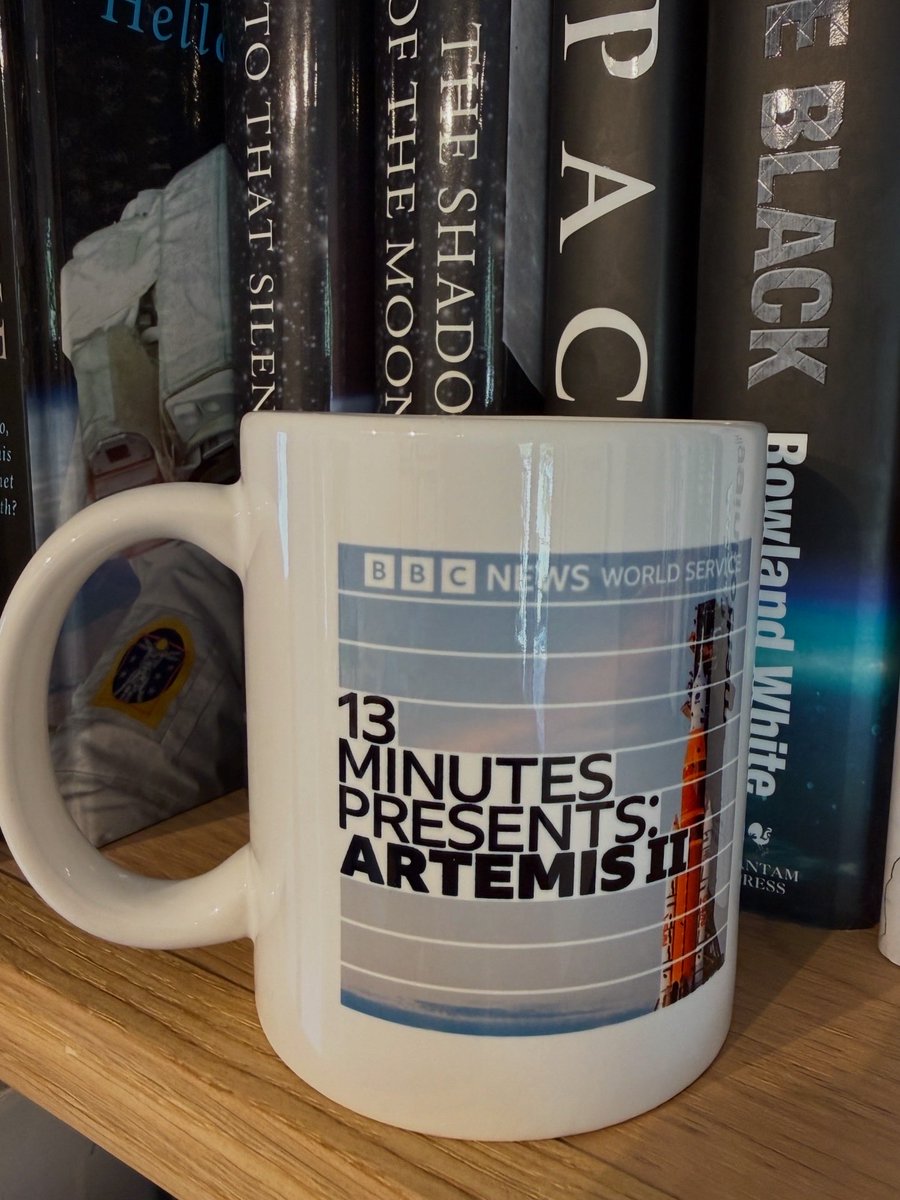
Really excited to kick off the BBC’s space podcast ‘13 Minutes Presents: Artemis ll’ with myself, Maggie Aderin and @KristinFisher . This is a daily podcast bringing you all the news on the Artemis ll mission as it happens. First episode is out today on @bbcsounds.
https://t.co/Gb62NuRisU
#artemis #launch #moon #astronauts #podcast
The countdown is on! 🚀
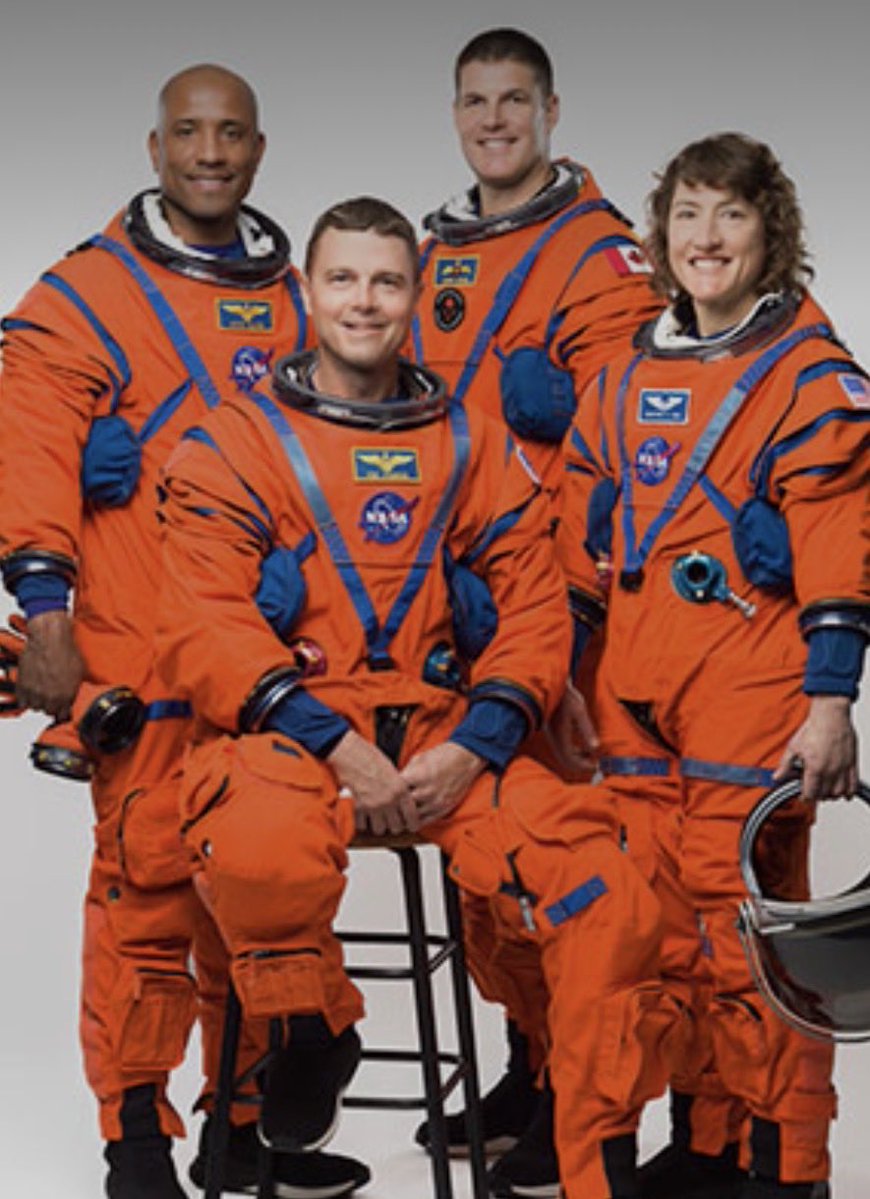
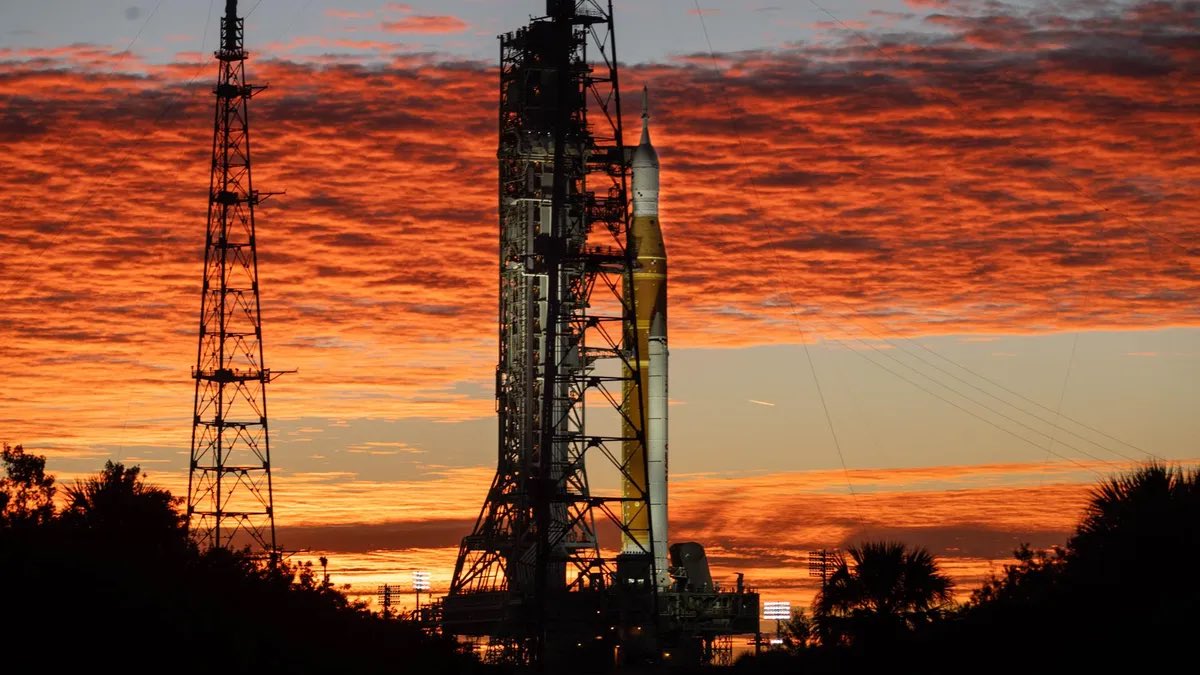
Artemis II lifts off tomorrow at 11:24pm BST, sending four astronauts around the Moon. 🌔
The UK is playing a role in NASA's historic return to the Moon, with @goonhillyorg providing critical lunar comms tracking. 📡🌒
Find out how to watch. 👇
Quantum Computing Without A Quantum Computer: online talk, 18 Feb, 3–4pm. Join Oliver Brown, EPCC Quantum Group lead, for an intro to quantum computing, followed by a discussion about how HPC facilities like @ARCHER2_HPC can emulate quantum computers.
https://t.co/NcFDU26YU9
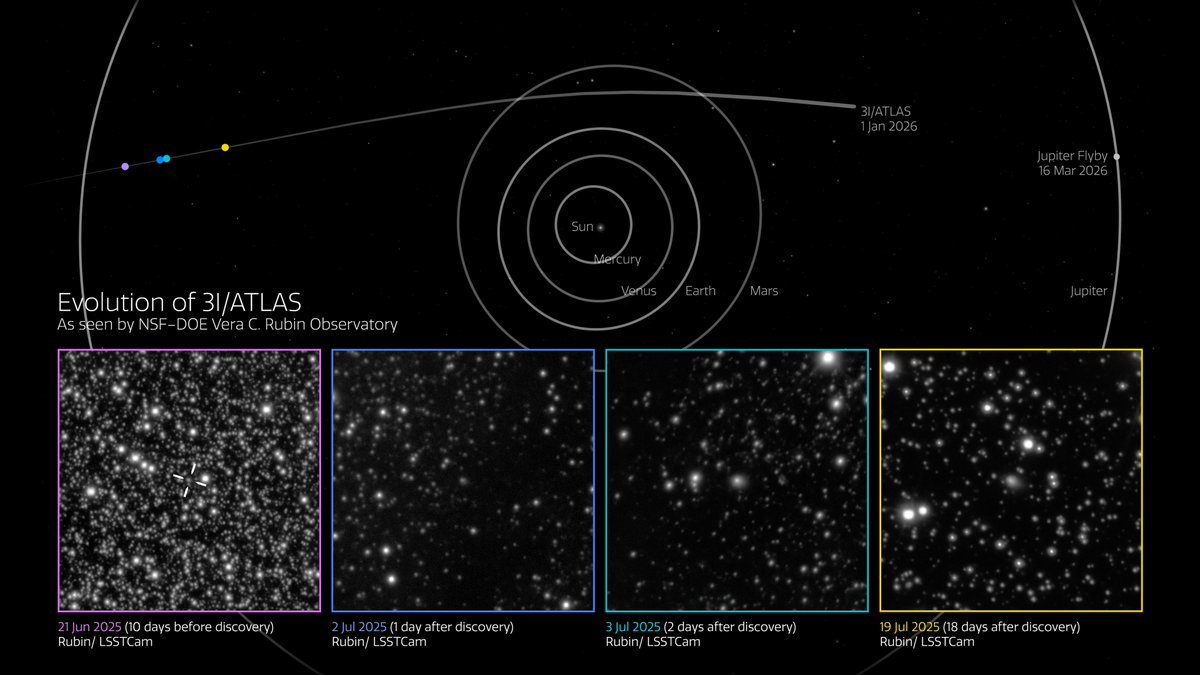
The NSF–DOE @VRubinObs has captured this photo of Comet 3I/ATLAS — the 3rd interstellar object ever discovered — 10 days before its official detection on 1 July 2025 by the ATLAS survey.
📸: NSF–DOE Vera C. Rubin Observatory/NOIRLab/SLAC/AURA
Processing: M. Zamani & D. de Martin
✨☁️ Not all clouds block your observations…
The Large Magellanic Cloud (LMC), seen here from Cerro Pachón, might be the exception. Though it looks like a cosmic cloud, the LMC is actually a dwarf galaxy with around 20 billion stars! 😳
📸 NOIRLab/NSF/AURA/P. Horálek
Something’s a little sus… 👀
Flares, flashes, and fakes — not every change in the night sky is what it seems 💥
Test your skills with Rubin Difference Detectives on @the_zooniverse! Help Rubin scientists spot cosmic events (& catch the imposters)🔍
👉 https://t.co/jrn2PcXxAO
The stars spin and the NSF-DOE @VRubinObs prepares to film the greatest cosmic time-lapse ever made. 🎥
Over the next decade, Rubin will capture millions of celestial changes, creating 500 petabytes of data (that’s… a LOT) 🤯
📸 RubinObs/NOIRLab/SLAC/NSF/DOE/AURA/P. Horálek
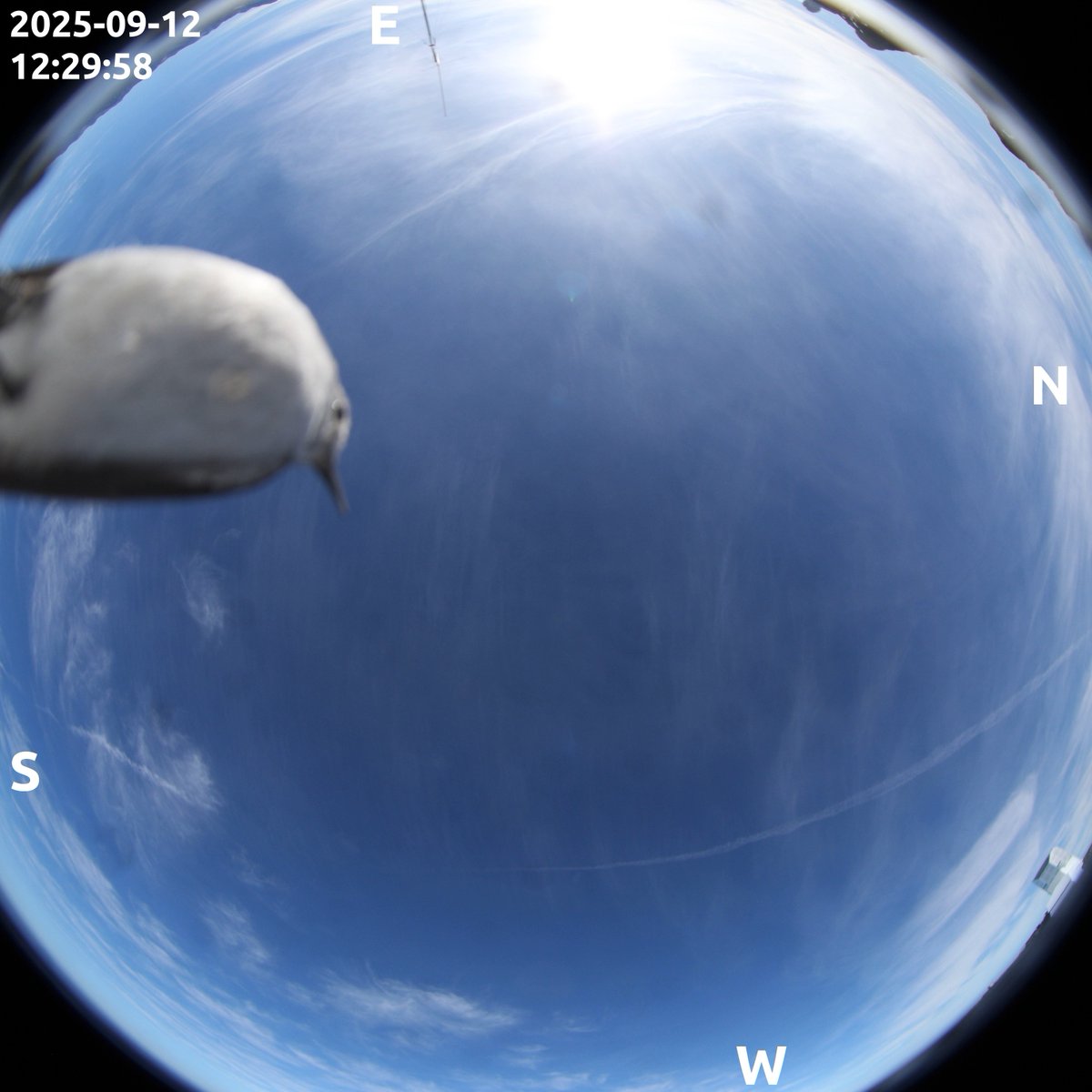
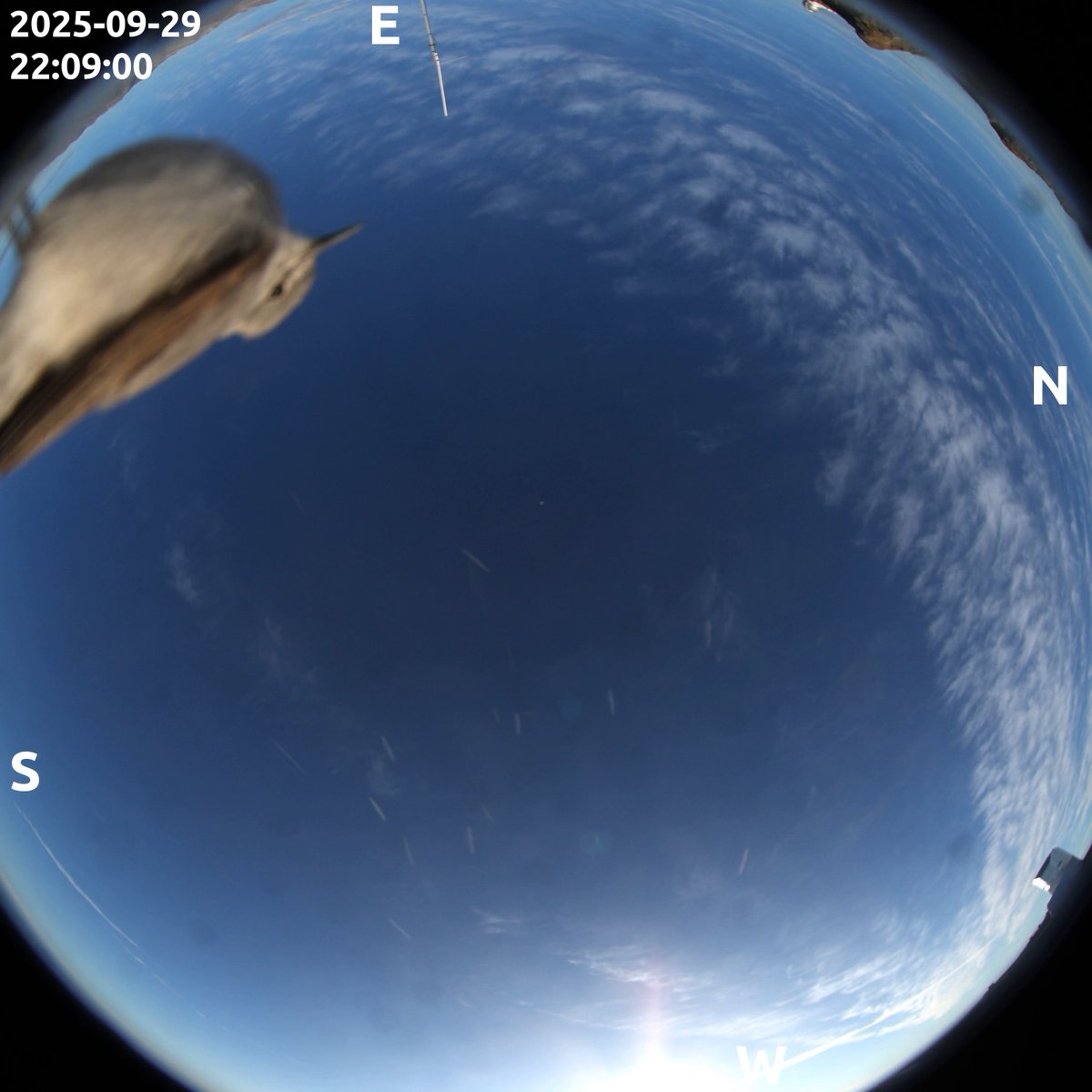
Back by popular demand! 🐦✨ Enjoy a brand new selection of birds striking poses on the NSF–DOE Vera C. Rubin Observatory's all-sky camera, mounted near the observatory on Cerro Pachón.
Safe travels, feathered friends! 🕊️ #FaunaFriday
New video: 'Professor Ian Shipsey FRS: a remarkable scientific legacy' recorded last March when people came together to celebrate the scientific legacy of Professor Ian Shipsey FRS who passed away suddenly in October 2024.
Watch now: https://t.co/fewzMhPIqN
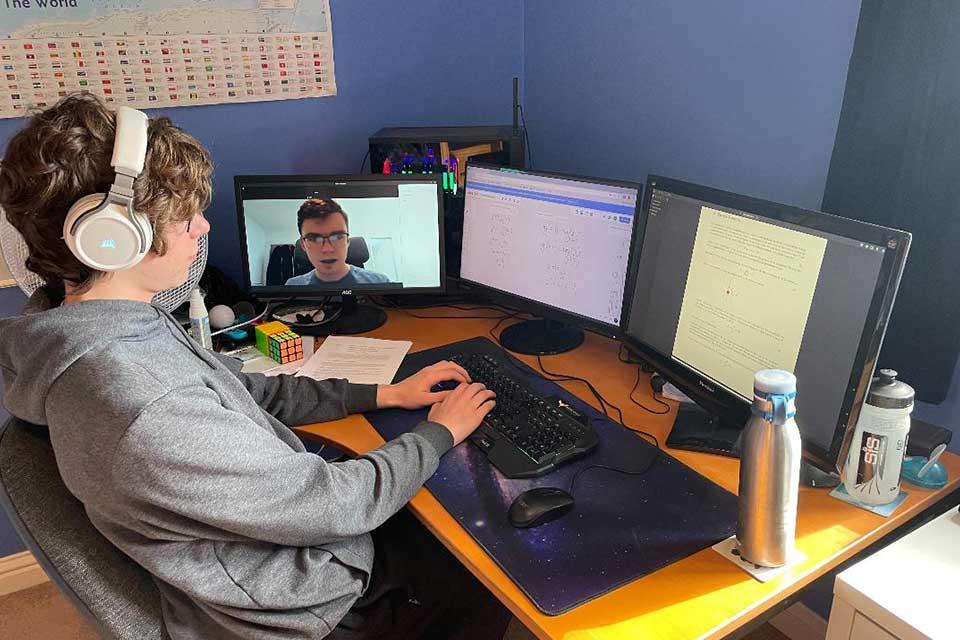
Registration for the free Comprehensive Oxford Mathematics and Physics Online School (COMPOS) program for 14 to 17 yrs olds is now open. Thanks to a generous donation, we are able to offer more students a chance to deepen their math and physics knowledge. https://t.co/m2QMIPXEuI
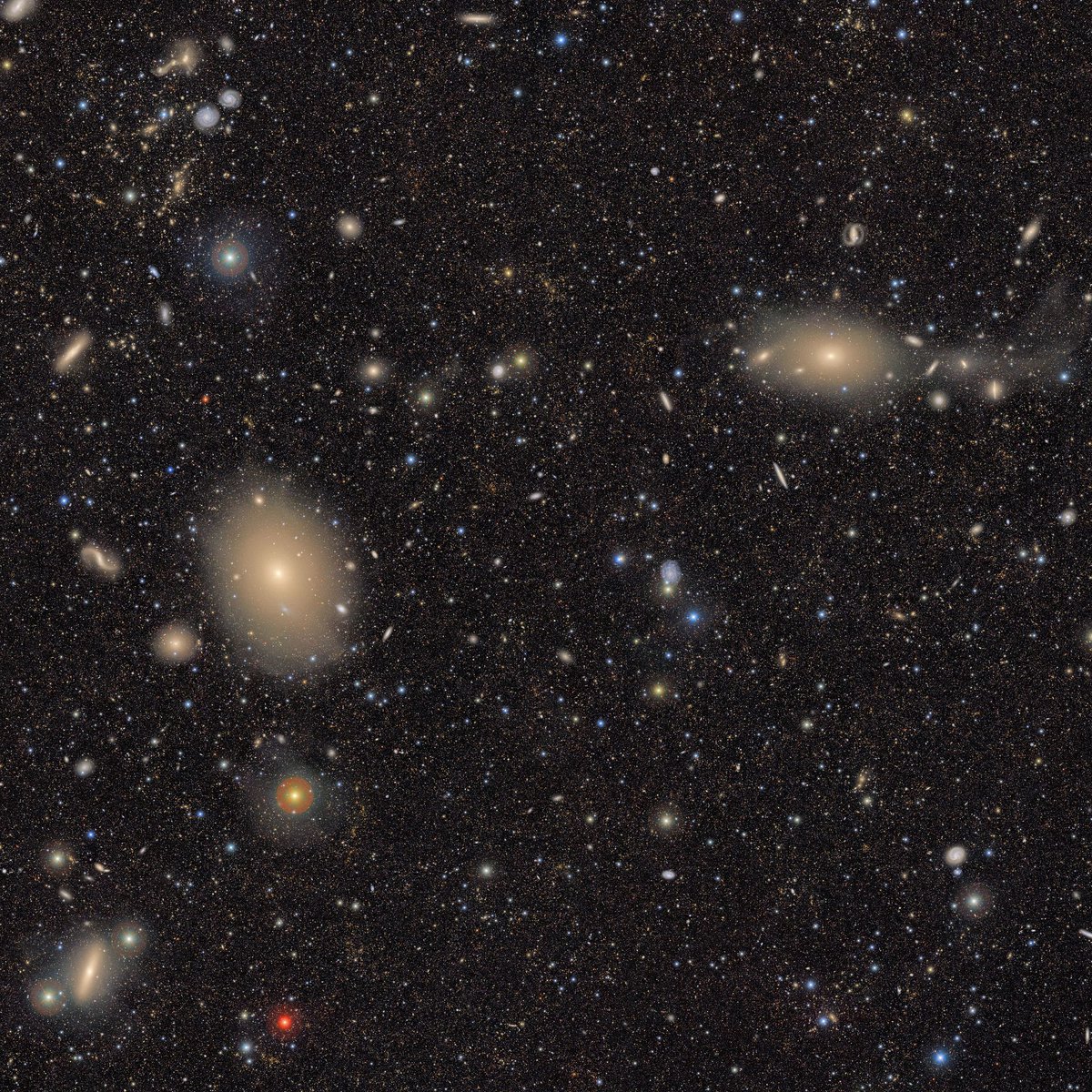
.@VRubinObs has today released its long-awaited first images of the night sky.
Scientists from @DurhamPhysics are playing a leading role in the Rubin Observatory’s 10-year space survey.
Learn more: https://t.co/cLhWPa6wGE
@NSF@DOEScience@LSSTUK
How stunning are these new images from the @VRubinObs Observatory in Chile? 🔭
Our researchers are part of the @LSSTUK consortium, working to interpret the spectacular images captured on the world's largest digital camera 📸
Find out more 🔽
https://t.co/SGzyQJSDbs
What does a butler have to do with @vrubinobs ? This interviewexplains how the worlds of #astronomy and #cloudcomputing collide in the Legacy Survey of Space and Time. 🔭
https://t.co/bmkw7TJpJl
The mountains are calling ⛰️
@nsf-@doescience Rubin Observatory sits at 2647 m (8684 ft) on Cerro Pachón in Chile. Northern Chile offers some of the clearest, driest and darkest skies in the world — ideal for studying the night sky! 🌌
🔗: https://t.co/NBx30cosmV
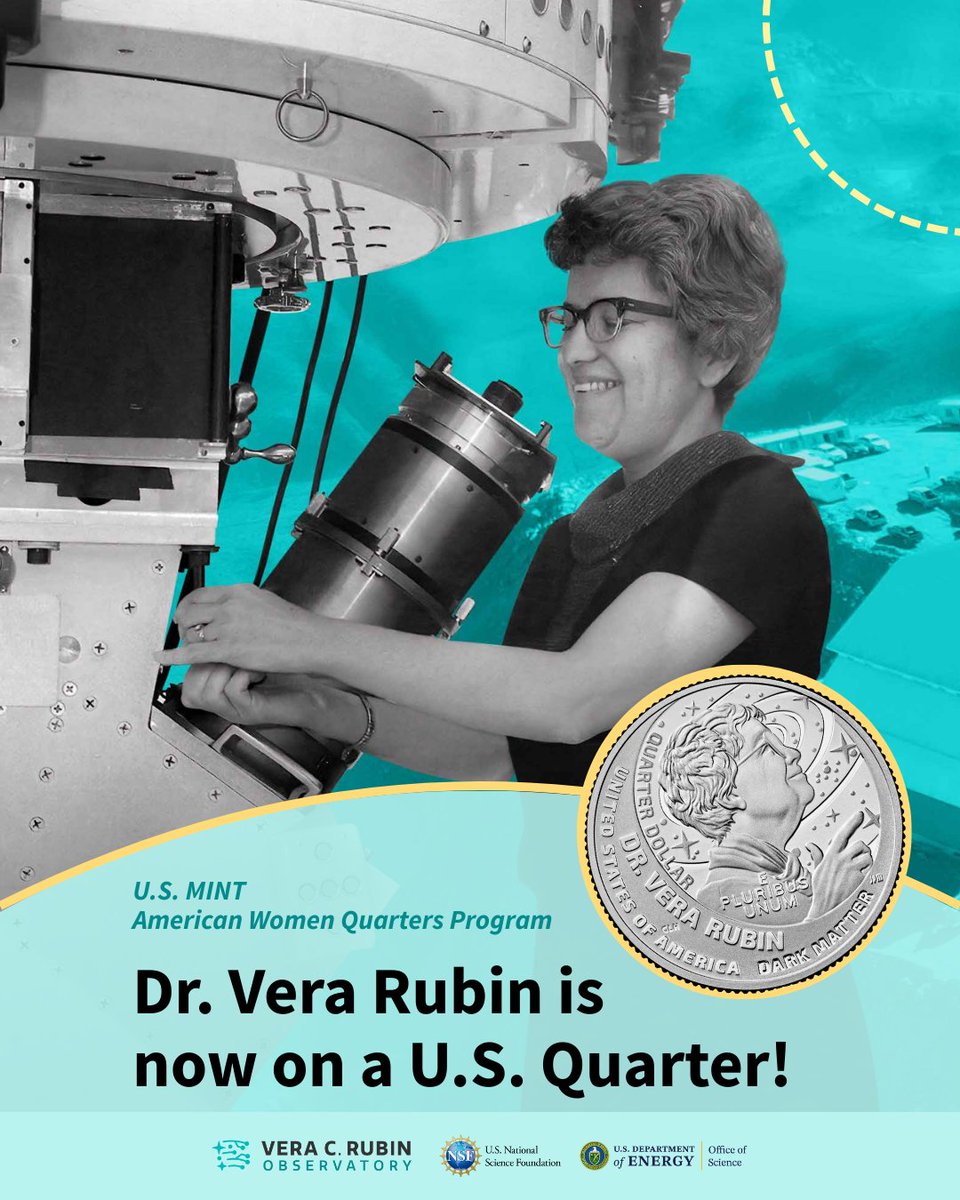
A quarter for your thoughts? 🪙 @usmint
We think Vera C. Rubin is a great choice to be honored with a quarter... and with an observatory! Rubin was an accomplished astronomer who provided the first convincing evidence of dark matter, influencing a new subfield of astrophysics.
Thinking about how far @VRubinObs has come 😌 💭
As First Look approaches on June 23, 2025 we’re looking back at the hard work and progress that have gone into this project. Exciting times ahead for Rubin!
📸 RubinObs/NOIRLab/SLAC/NSF/DOE/AURA
Rubin #CommissioningNotes ✍️: On-sky engineering tests continued this week!
The team started tuning image quality control systems in real survey-like conditions. LSST Camera is performing smoothly and has captured over 5,000 sky exposures so far (that’s 15 trillion pixels!)
🧵
✨Calling all UK students! The UKCA Harding Essay Competition is now open! ✨
Submit your take on life in the cold and icy universe to [email protected]
📅 Deadline for essays is the 31st of July 2025
https://t.co/eGko1Mtu3z
#studentvoices#essaycompetition#astrobiology
If you're new to all things @vrubinobs.bsky.social, check out the new media kit, full of fascinating facts. E.g. the images Rubin will produce are so large that it would take 400 ultra-high-definition televisions to display one of them at full size. https://t.co/ZC8ziQWjja