🚨 If you understand these 12 AI terms...
You're already ahead of most professionals.
The problem isn't that AI is complicated.
It's that everyone uses AI jargon without explaining what it actually means.
LLM.
RAG.
Tokens.
Fine-tuning.
RLHF.
These words are everywhere.
In meetings.
On LinkedIn.
In AI product demos.
Most people pretend they understand them.
Today, you actually will.
Here are 12 AI terms every professional should know in 2026:
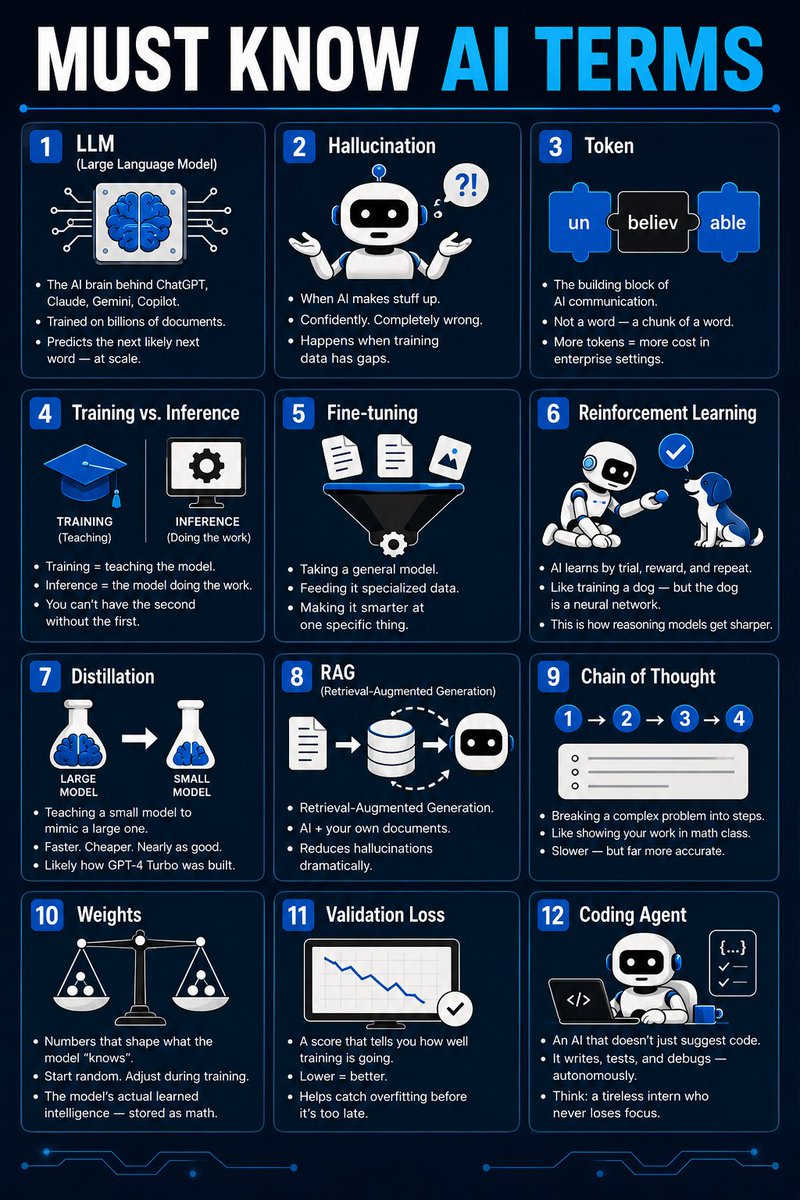
1. LLM (Large Language Model)
The AI brain behind ChatGPT, Claude, Gemini, Copilot.
Trained on billions of documents.
Predicts the most likely next word — at scale.
2. Hallucination
When AI makes stuff up.
Confidently. Completely wrong.
Happens when training data has gaps.
3. Token
The building block of AI communication.
Not a word — a chunk of a word.
More tokens = more cost in enterprise settings.
4. Training vs. Inference
Training = teaching the model.
Inference = the model doing the work.
You can't have the second without the first.
5. Fine-tuning
Taking a general model.
Feeding it specialized data.
Making it smarter at one specific thing.
6. Reinforcement Learning (RLHF)
RLHF = Reinforcement Learning from Human Feedback
AI learns by trial, reward, and repeat.
Like training a dog — but the dog is a neural network.
7. Distillation
Teaching a small model to mimic a large one.
Faster. Cheaper. Nearly as good.
Likely how GPT-4 Turbo was built.
8. RAG
RAG = Retrieval-Augmented Generation.
AI + your own documents.
Reduces hallucinations dramatically.
9. Chain of Thought
Breaking a complex problem into steps.
Like showing your work in math class.
Slower — but far more accurate.
10. Weights
Numbers that shape what the model "knows."
Start random. Adjust during training.
The model's actual learned intelligence — stored as math.
11. Validation Loss
A score that tells you how well training is going.
Lower = better.
Helps catch overfitting before it's too late.
12. Coding Agent
An AI that doesn't just suggest code.
It writes, tests, and debugs — autonomously.
Think: a tireless intern who never loses focus.
The people who understand these terms don’t just sound smarter.
They ask better questions.
They evaluate tools better.
And they make better decisions about AI.
If you work with AI in any form, this vocabulary is no longer optional.
📌 Save this post for later
💬 Which AI term confused you the most at first?
♻️ Repost if this helped simplify AI jargon for your network
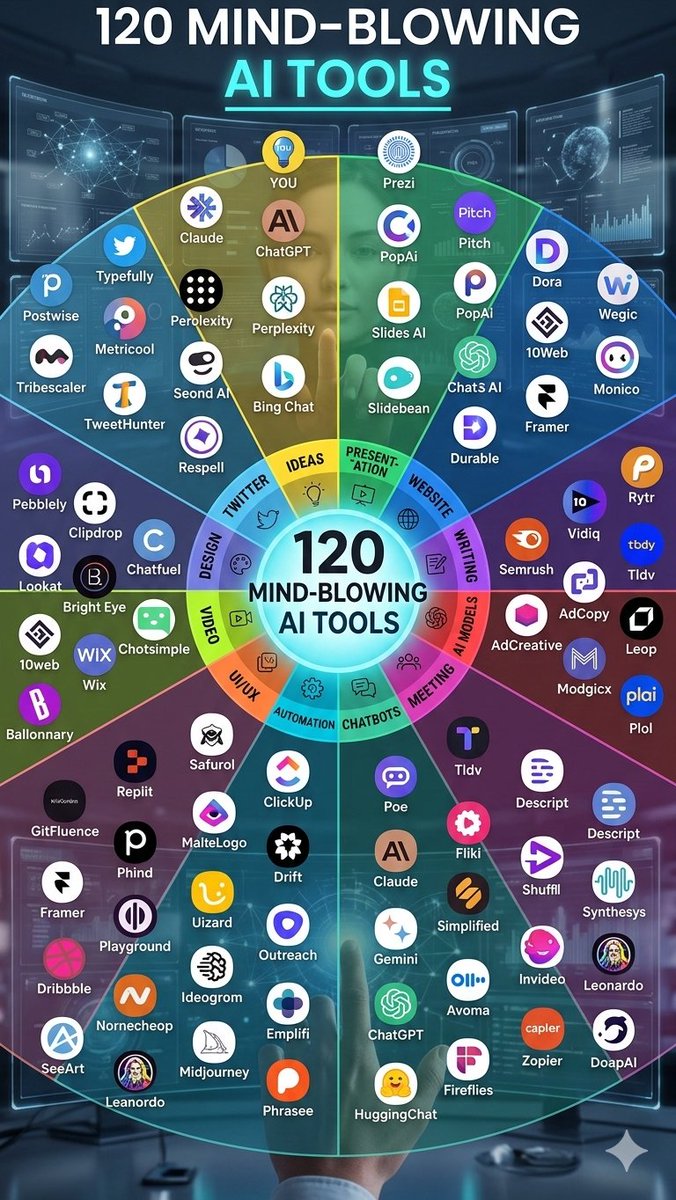
He does this map on the great awakening exist and how do they know ? , you can zoom in and have a look , I wonder when this was created ? Anyone know anything on this ?
2026 is not about using AI.
It’s about building with AI.
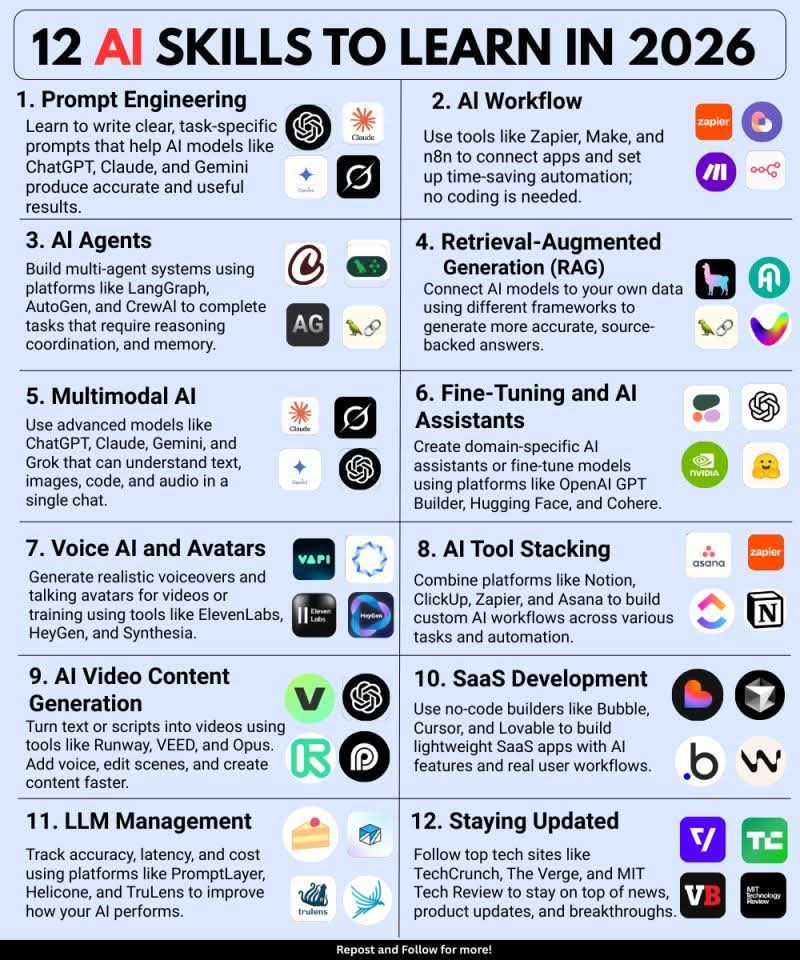
12 AI skills that will separate beginners from builders:
• Prompt Engineering
• AI Workflows
• AI Agents
• RAG
• Multimodal AI
• Fine-Tuning
• Voice AI
• AI Tool Stacking
• AI Video Generation
• SaaS with AI
• LLM Management
• Staying Updated
The AI wave isn’t coming.
It’s already here.
Start now. Build now. Stay ahead.
Follow @MeenakshiYACS for more such posts
#AI #ArtificialIntelligence #AI2026 #PromptEngineering #AIAgents #RAG #LLMs
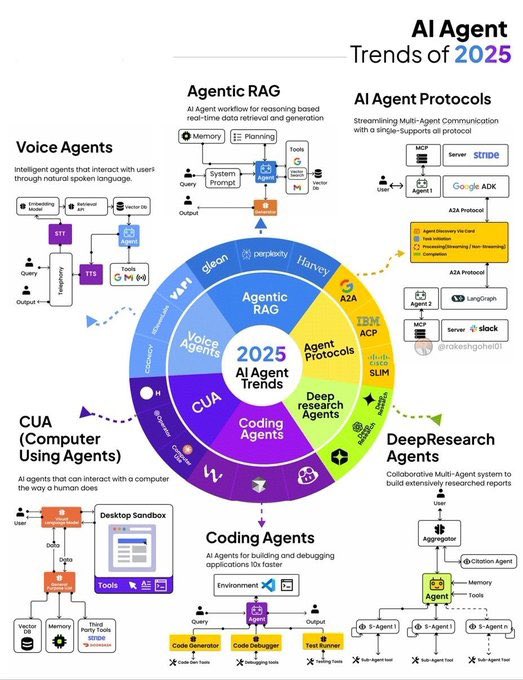
🤖 AI Agents Are Exploding in 2026 — This is YOUR moment!
I’m giving a FREE AI Agent Starter Pack
To get it 👇
👍 Like & 🔁 Repost
💬 Comment “WANT”
👤 Follow me
🔖 Bookmark
⏳ Only 48 hrs • First 300 people
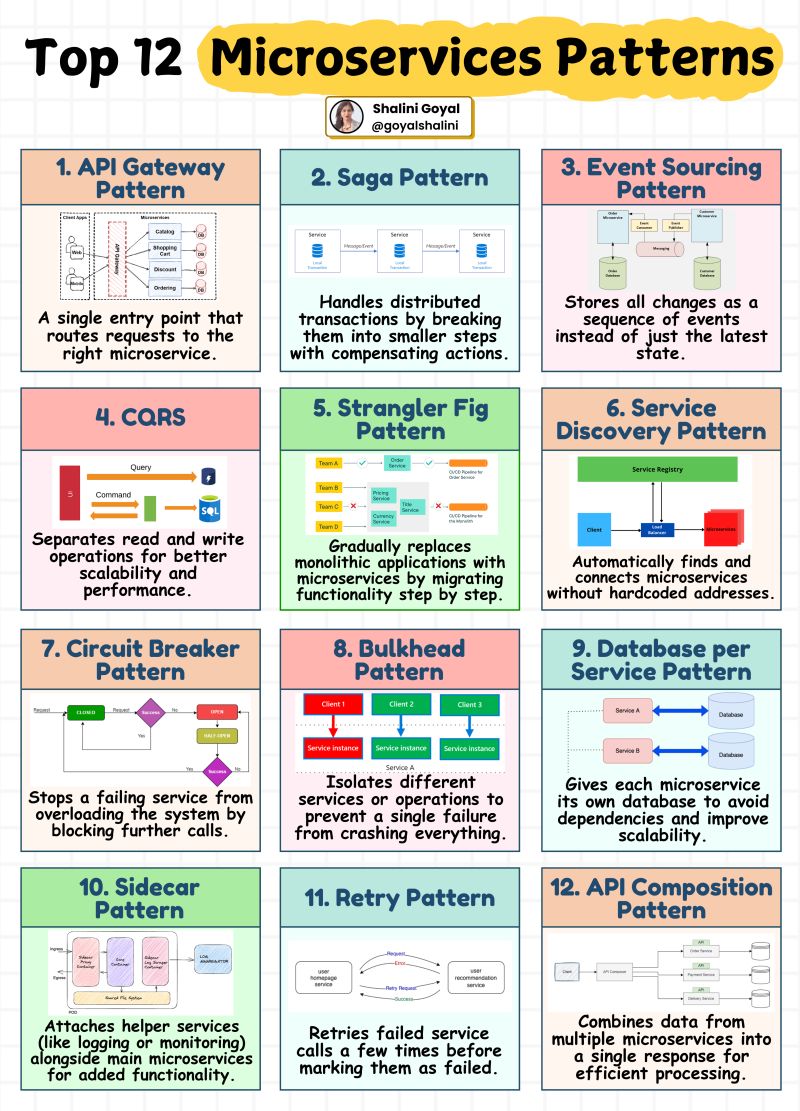
Master These 12 Microservices Patterns to Build Scalable Systems!
Microservices architecture is all about scalability, resilience, and efficiency—but without the right design patterns, things can get messy fast!
Here are 12 essential microservices patterns every developer should know:
1. API Gateway Pattern – A single entry point that routes requests to the right microservice.
2. Saga Pattern – Breaks distributed transactions into smaller steps with compensating actions.
3. Event Sourcing Pattern – Stores all changes as a sequence of events instead of just the latest state.
4. CQRS – Separates read and write operations for better scalability and performance.
5. Strangler Fig Pattern – Gradually replaces monolithic applications with microservices.
6. Service Discovery Pattern – Automatically finds and connects microservices without hardcoded addresses.
7. Circuit Breaker Pattern – Stops a failing service from overloading the system by blocking further calls.
More in graphics below.
Consider reposting if you found this helpful! Follow me @goyalshaliniuk for more such insights.