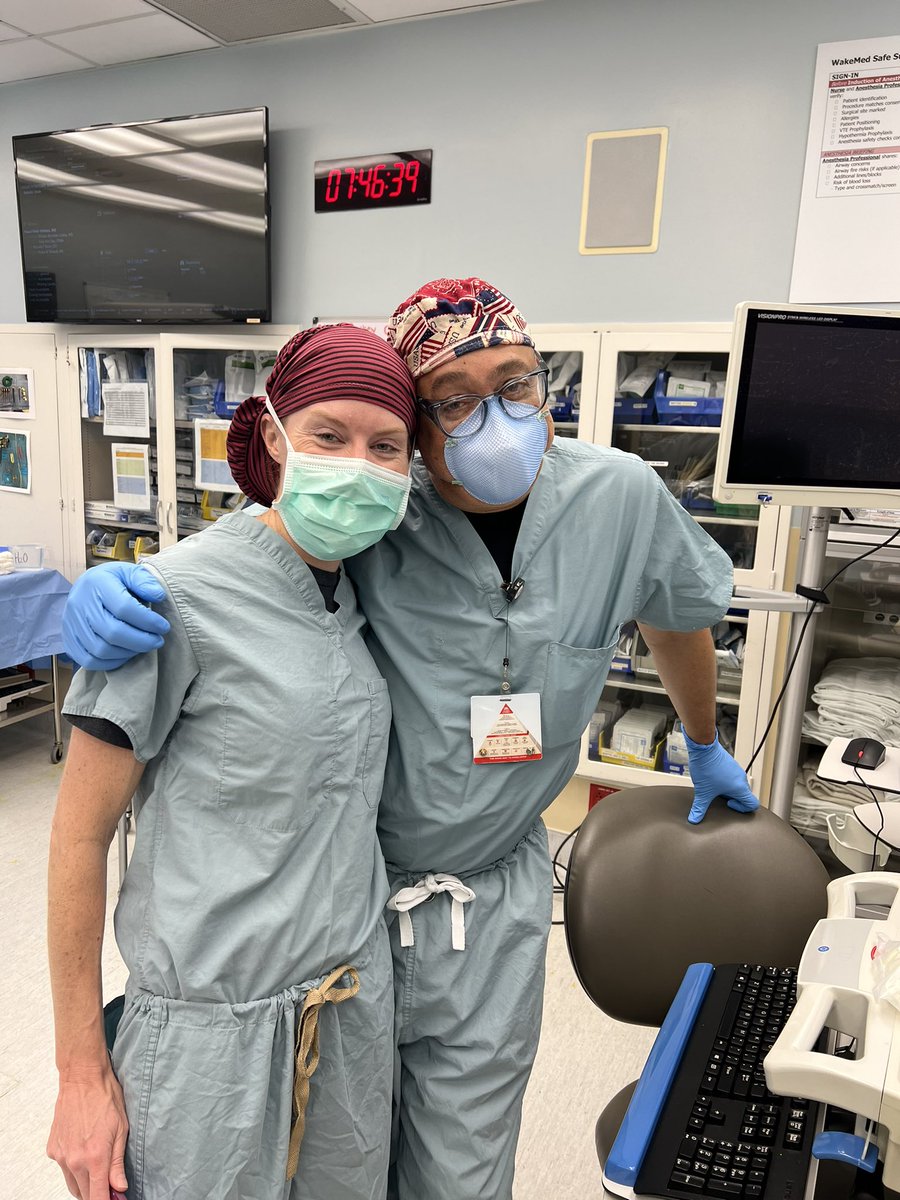
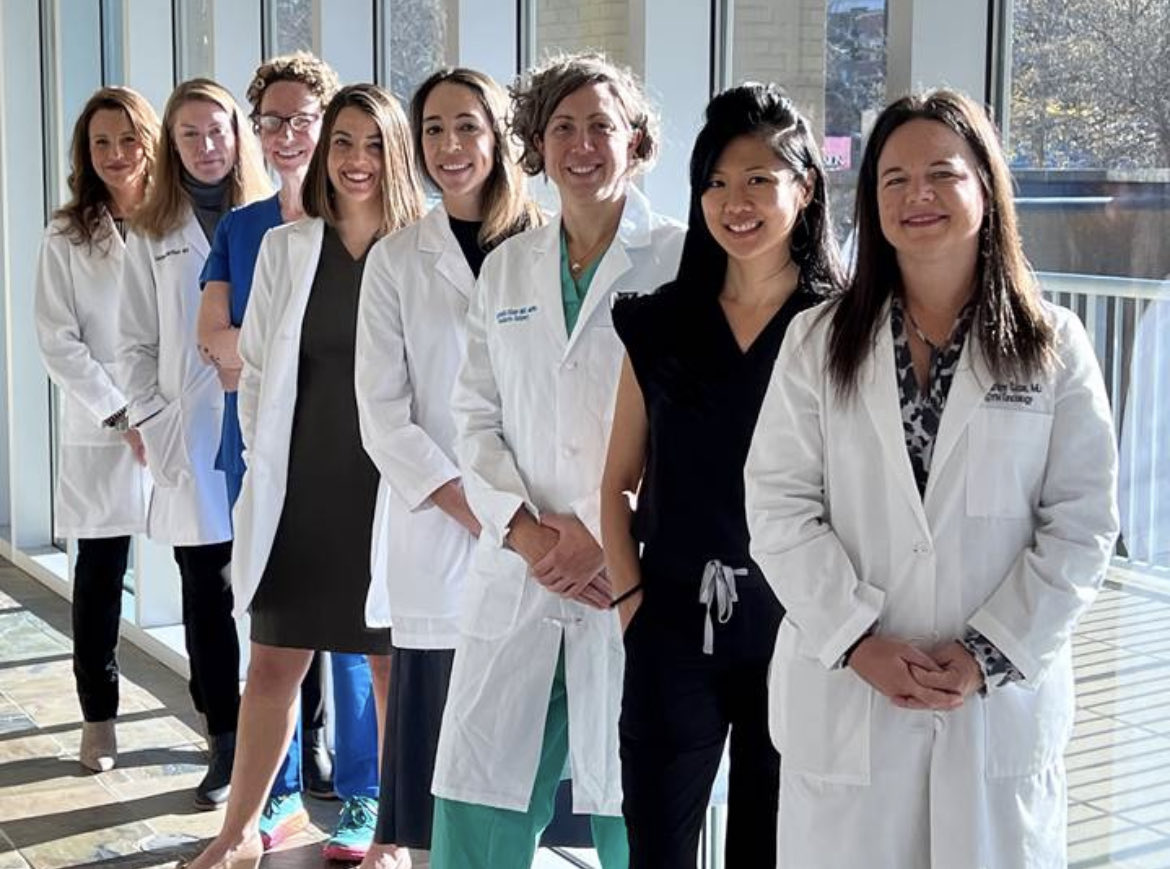
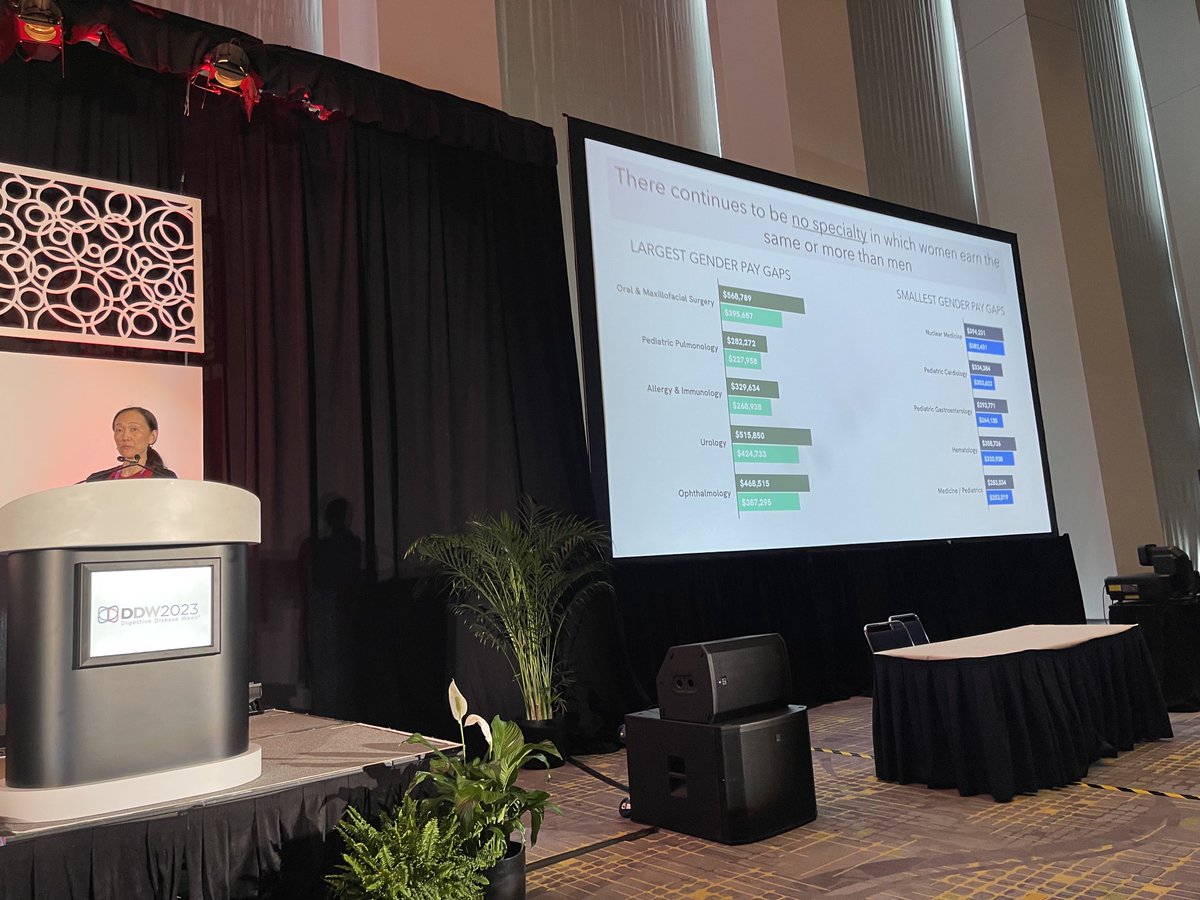
Love and respect these ladies. All great women and great surgeons- gyn onc, trauma, pediatric surgery, plastics, minimally invasive and ortho all serving the people of Western North Carolina. #ilooklikeasurgeon
im gonna have one of these little sign people walk into my funeral and announce:
extra time!
and then im gonna pop up and really surprise everybody
#thesoccer
“The company skipped the very crucial step of sending five lower-class people to the bottom of the ocean to make sure it was safe enough for the wealthy,” said Otto Scofield, a member of the Marine Technology Society. https://t.co/9R0nIy0MpM
The primary food for seagulls is fish. Yet, they also prey on terrestrial arthropods and invertebrates, reptiles, amphibians, and small rodents.
Including squirrels
[read more: https://t.co/GB4UGbEawb]
[📹 https://t.co/yEmjapvjwz]
https://t.co/ixQtTPeozP
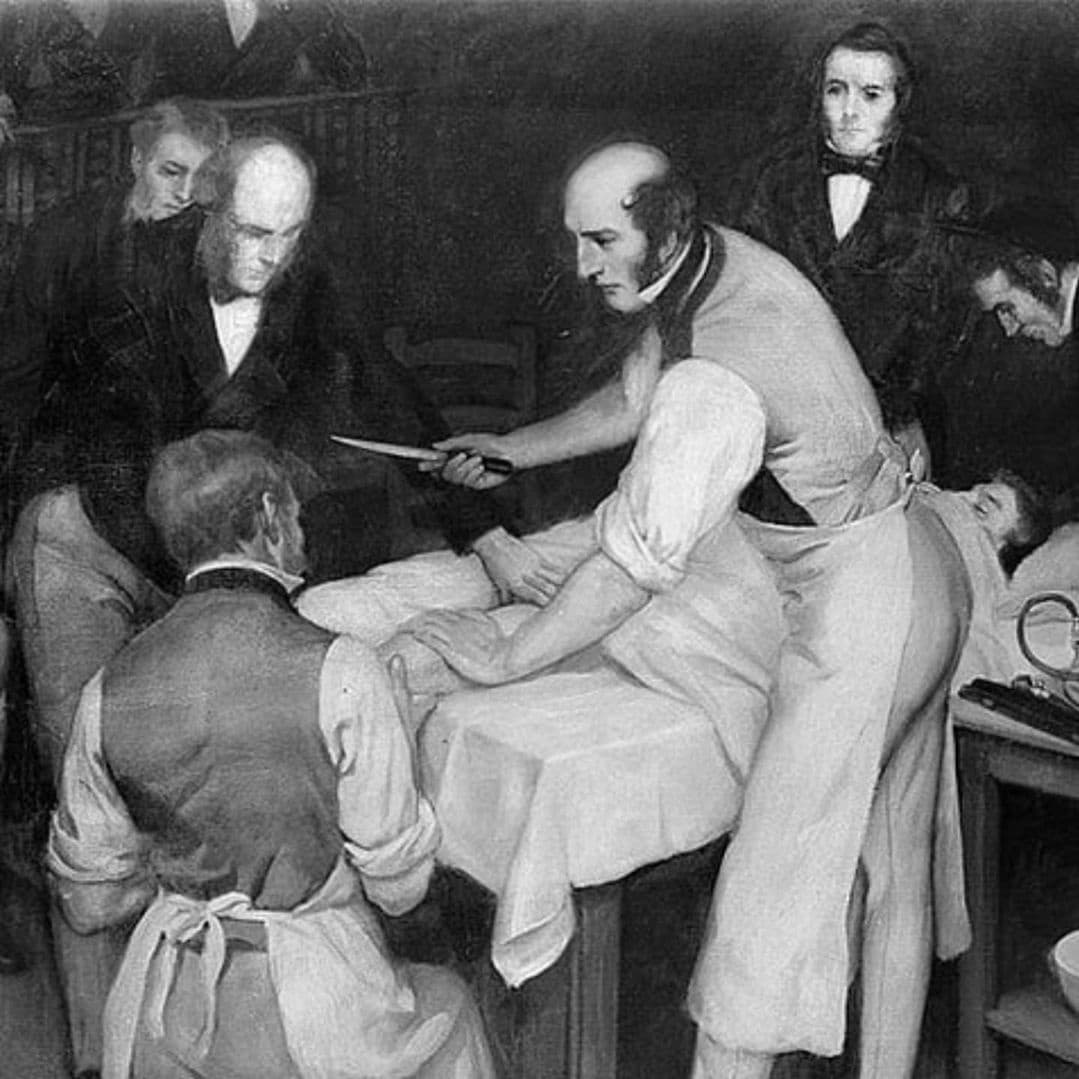
Robert Liston (1794-1847) was a Scottish surgeon who is most famous for amputating a patient's leg in under 2.5 minutes, operating so quickly that in the process also amputated the fingers of his assistant and slashed the coattails of a spectator, who dropped dead from sheer terror. The patient and his assistant later died from gangrene, making it the only recorded operation with a 300% mortality rate.
British surgeon and author Richard Gordon described Liston as the following:
"He was six foot two, and operated in a bottle-green coat with wellington boots. He sprung across the blood-stained boards upon his swooning, sweating, strapped-down patient like a duelist, calling, 'Time me gentlemen, time me!' to students craning with pocket watches from the iron-railinged galleries. Everyone swore that the first flash of his knife was followed so swiftly by the rasp of saw on bone that sight and sound seemed simultaneous. To free both hands, he would clasp the bloody knife between his teeth."
Gordon's book, "Great Medical Disasters" (1983), lists some of Liston's other surgical procedures:
"Removal in 4 minutes of a 45-pound scrotal tumour, whose owner had to carry it round in a wheelbarrow."
"Amputated the leg in 21⁄2 minutes, but in his enthusiasm the patient's testicles as well."
"Argument with his house-surgeon. Was the red, pulsating tumour in a small boy's neck a straightforward abscess of the skin, or a dangerous aneurism of the carotid artery? 'Pooh!' Liston exclaimed impatiently. 'Whoever heard of an aneurism in one so young?' Flashing a knife from his waistcoat pocket, he lanced it. Houseman's note – 'Out leaped arterial blood, and the boy fell.' The patient died but the artery lives, in University College Hospital pathology museum, specimen No. 1256."
In 1846, Liston went on to perform the first operation using modern anaesthesia in Europe. He also invented bulldog forceps (a tool to lock artery forceps) and a leg splint to help with fractures and dislocations. Both are still used today.
Today my oldest told me that the color of the inside of my nose is similar to the color of the inside of Tom Cruise’s nose. And now I feel seen. #HappyMothersDay
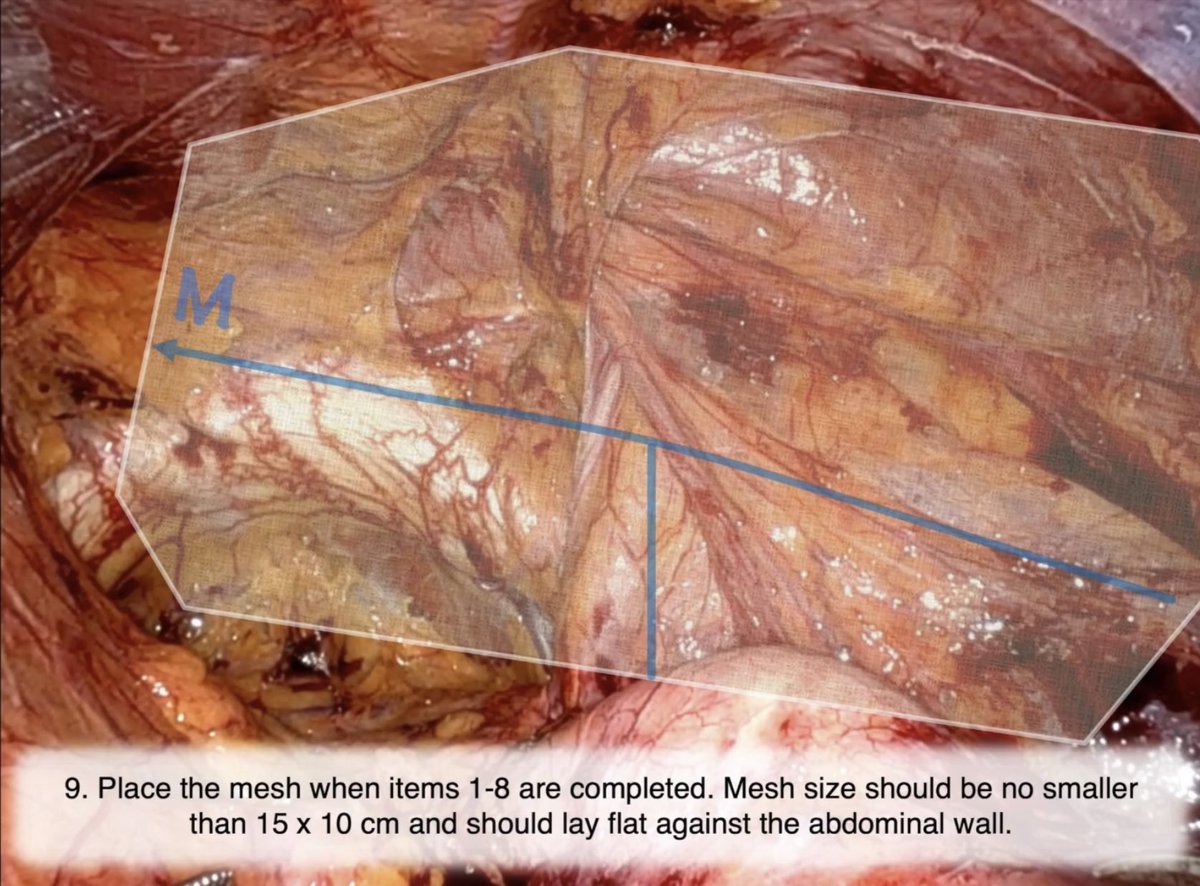
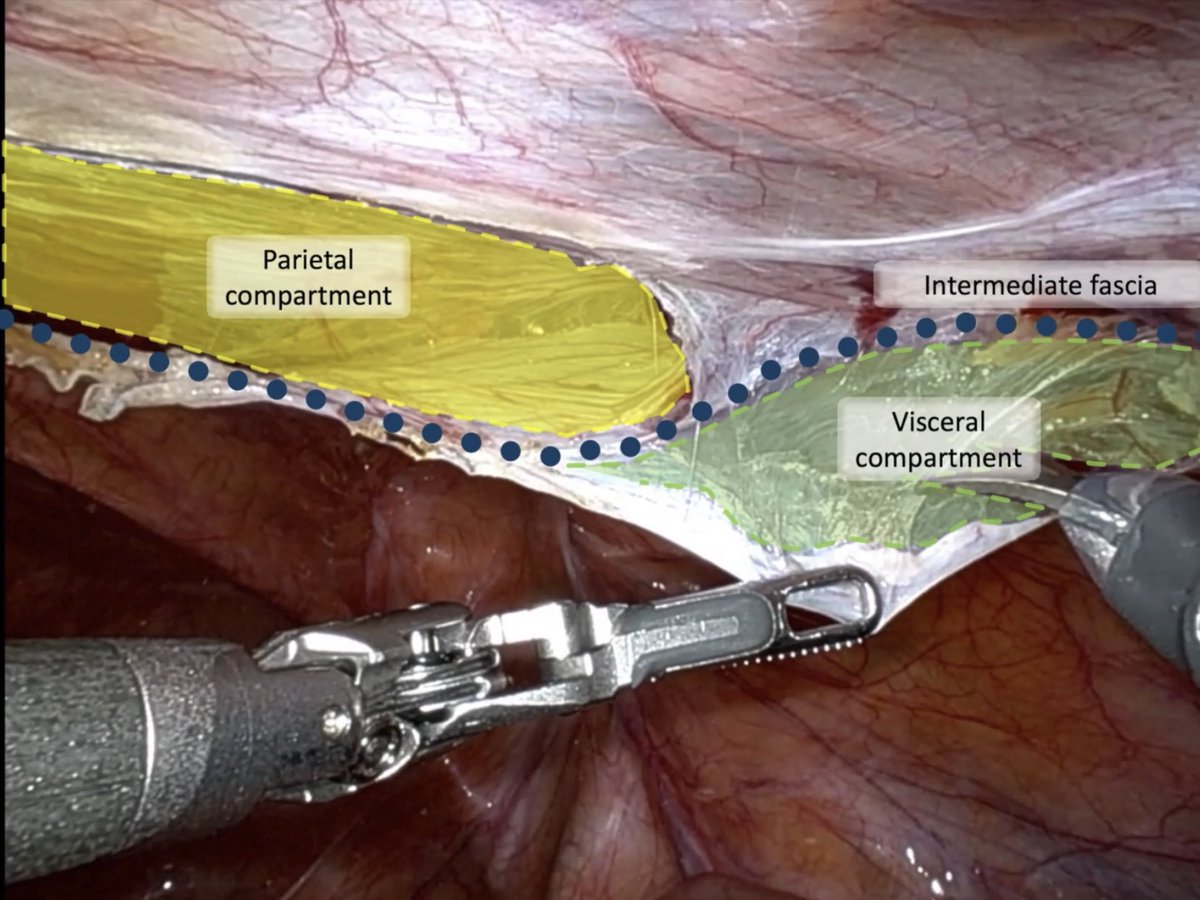
A review of the critical view of the myopectineal orifice. Step by steps through an MIS inguinal and a summary of the landmark publication by Drs. Daes and Felix. #OHSUHernia Full video: https://t.co/Gxt3wqTw3m #herniageeks @OHSUsurgery @BehindTheKnife
“You really need to work on your resilience!” I yell at my 6 year old for crying because their door won’t shut as I’m crying on the inside because their door won’t shut. 🤔