Erin Hecht, PI of the Evolutionary Neuroscience Lab & Director of the Canine Brains Project. Dept of Human Evolutionary Biology, Harvard University. (she/her)
Human-directed aggression in dogs is a serious problem, both for humans and for dogs. It deserves serious research. We need real data. Not the perpetuation of assumptions and stereotypes.
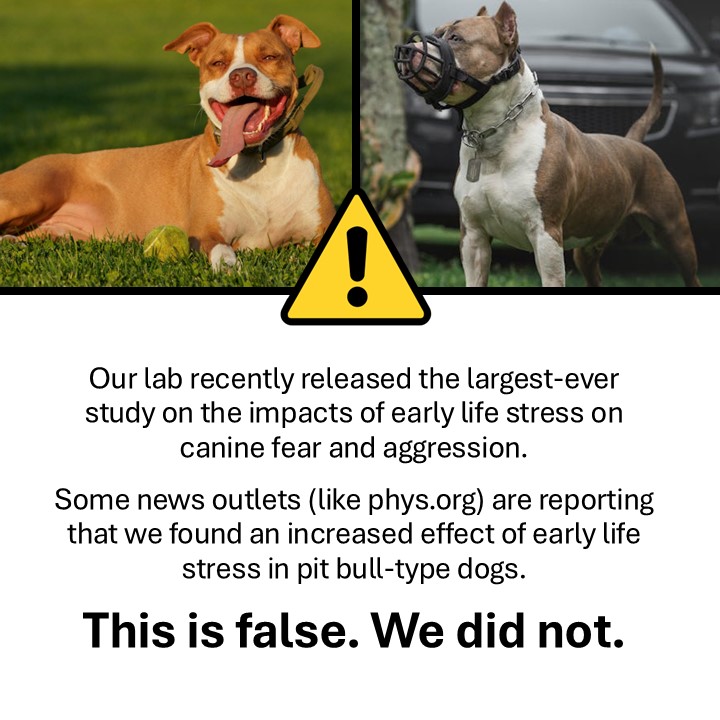
Some media are reporting that our recent study (https://t.co/Ec247zlPkq) shows that pit bulls are especially likely to become aggressive if they are exposed to early life stress. Simply not true.
So why is the media reporting that pit bulls are especially likely to become aggressive if they experience trauma? One possibility: hallucinations from LLMs that generate initial drafts of the news articles. AI reflects the biases of our culture as a whole.
However, just because a dog has a certain background, or comes from a certain breed, doesn't mean they are destined to behave a certain way. Many factors go making each dog who they are, and breed and life history are just two pieces of the puzzle.
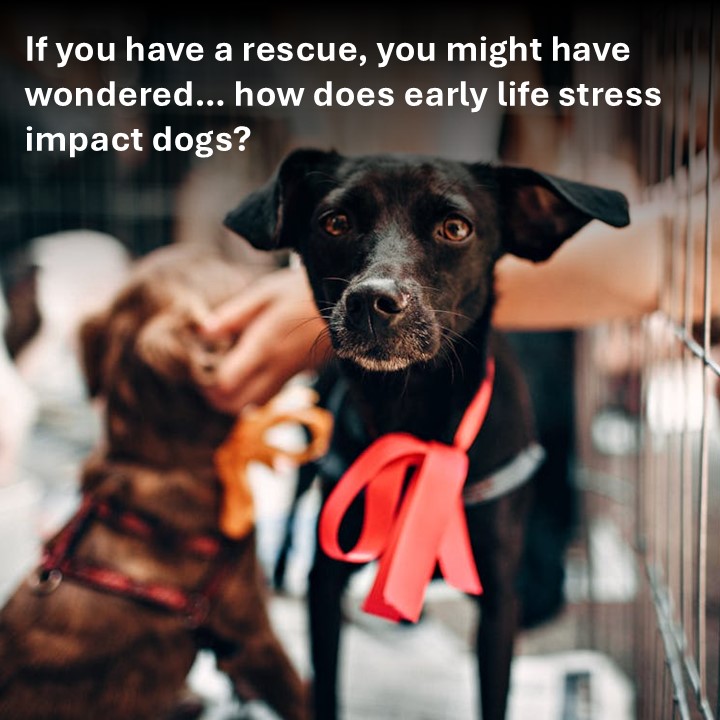
If you have a rescue dog, you might have the sense that stressful experiences can impact dogs' behavior later in life. Well, we just did the largest study ever on this topic. Open access! https://t.co/Ec247zlPkq
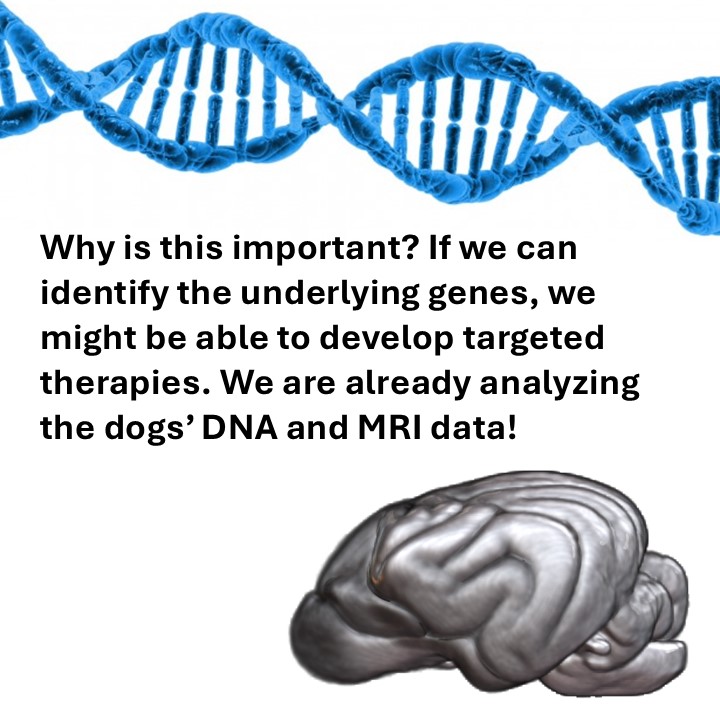
Why is this important? If we can identify the genes and pathways underlying this risk and resilience, we might be able to develop targeted interventions. We are already analyzing the dogs' DNA samples and MRI scans!
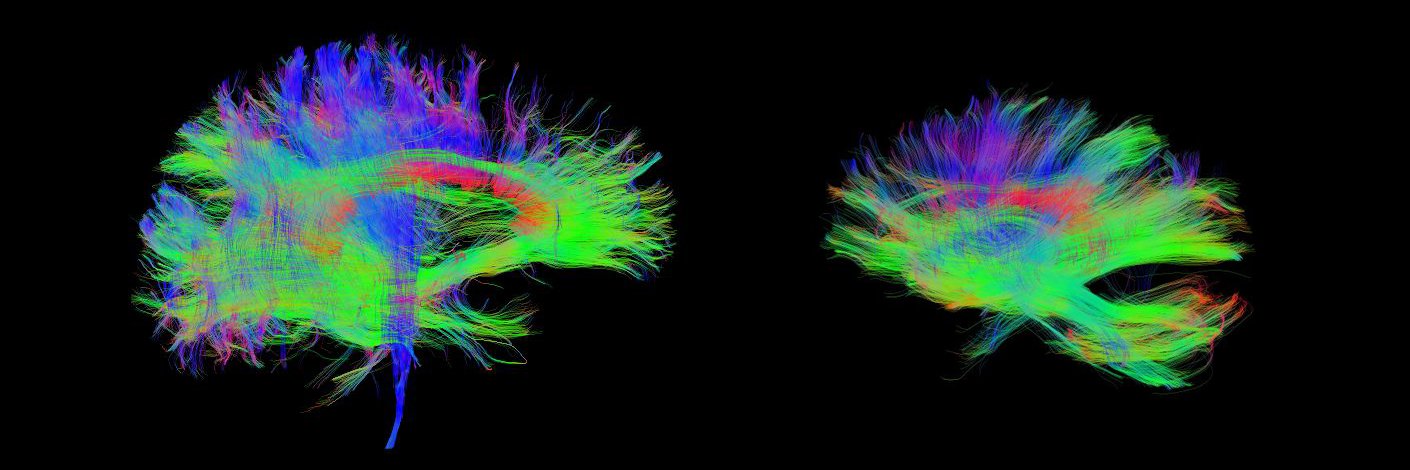
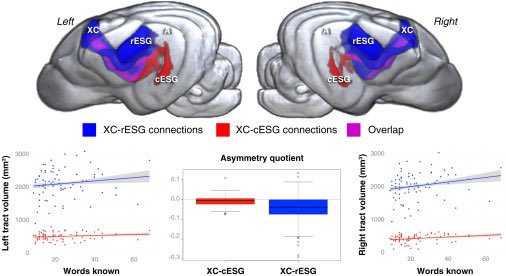
Using non-invasive MRI, we found a pathway in dog brains that predicts receptive vocabulary size. It’s left-lateralized & connects regions that produce and perceive vocal communication. A convergently evolved arcuate fasciculis? Read at @CurrentBiology: https://t.co/nTrX3aQGPV
I emailed Dr. Trut as a no-name grad student asking if I could do MRI research with her foxes. She didn’t write me off & 15 years later I have a lab at Harvard continuing to study the amazing animals she helped create. She made an impact in science & my life. Thank you, Dr. Trut.
📢 PhD position in human, ape, or dog cognition @JohnsHopkins - please RT!
We study how animals think, & what makes the human mind unique
Deadline: Dec 1
Learn more here: https://t.co/o0pQPas6Sn
And here: https://t.co/Qq73pcK933
And in QT'd thread