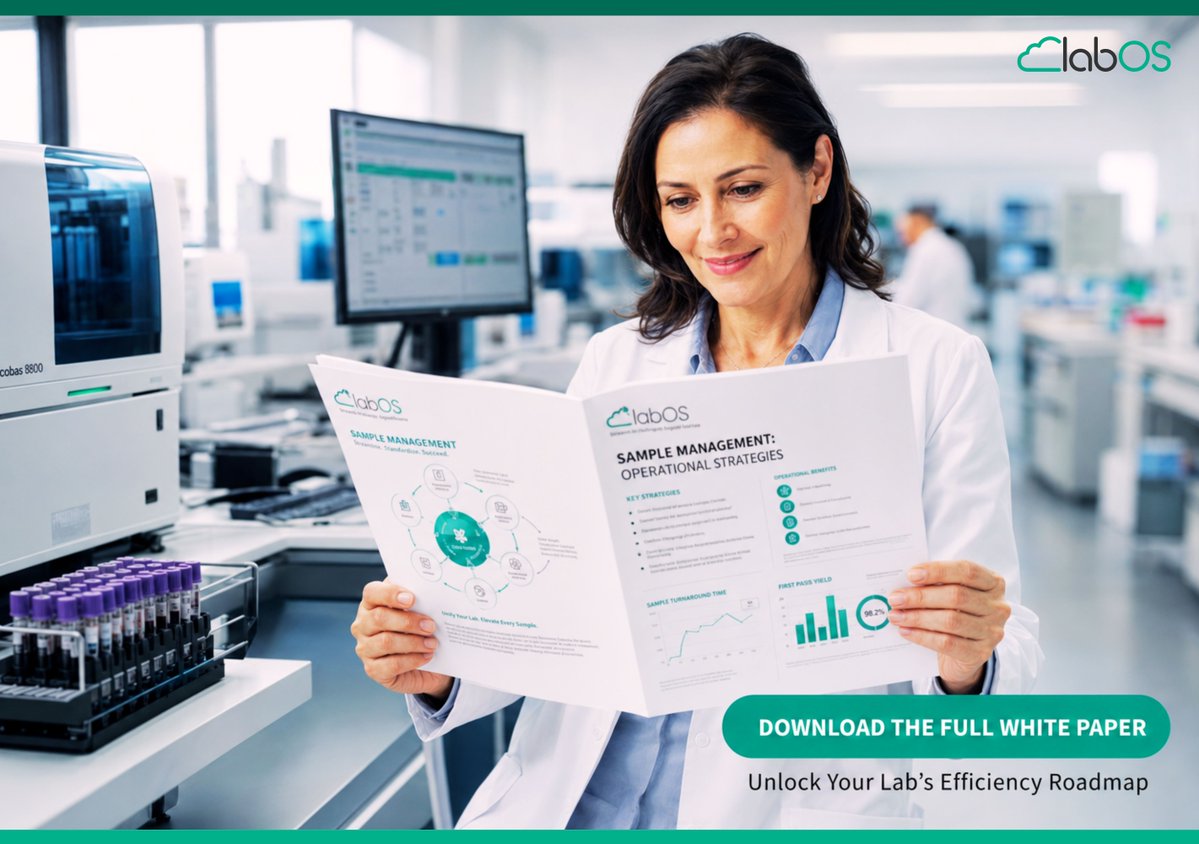
Clinical studies show that 46% to 62% of lab errors happen before a sample ever hits the analyzer. Sample intake bottlenecks and manual tracking are draining your team's hours every single day.
Fix the friction: https://t.co/ICVHpF2WBQ
The biggest obstacle to digital pathology in 2026 isn't AI! IT's actually disconnected workflows. Labs that experience real success aren't just digitizing slides; they're connecting the entire diagnostic workflow. Curious how they're doing it? Watch: https://t.co/IOfgAJIkEj
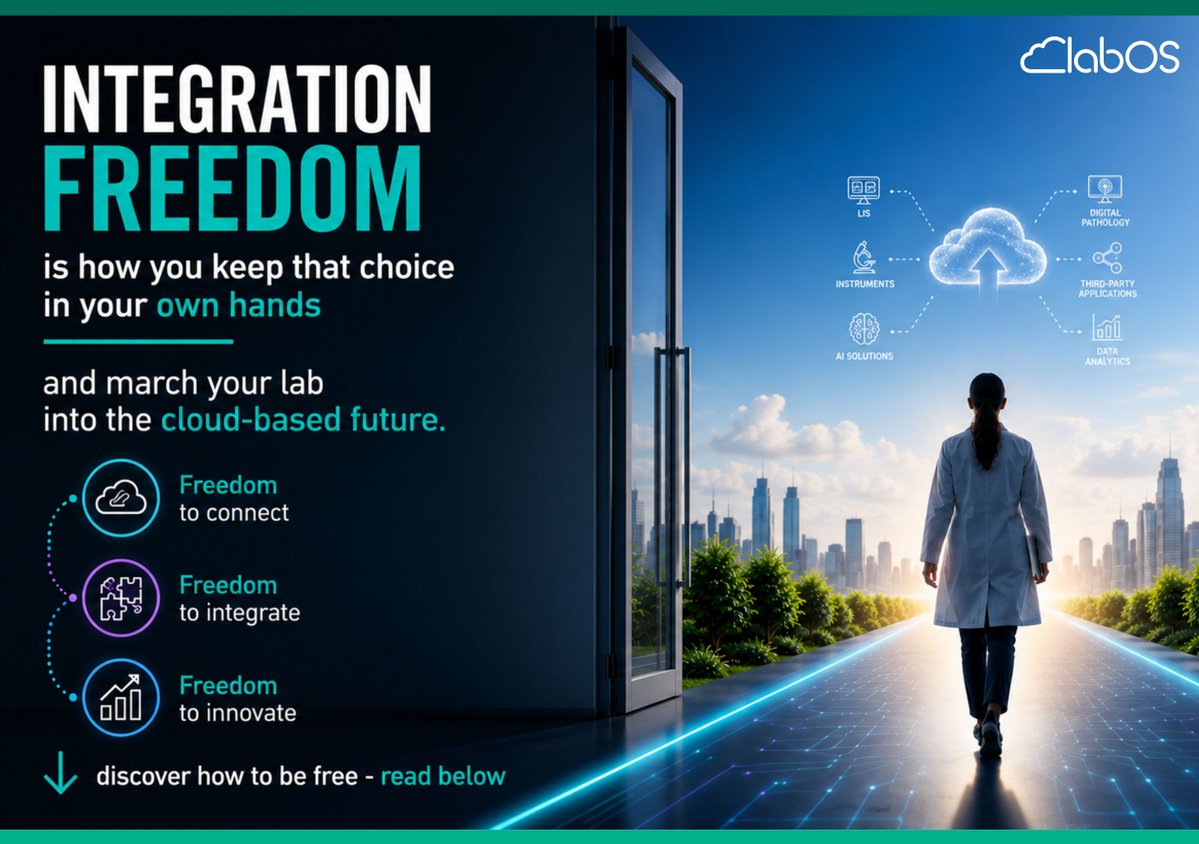
Every lab stakeholder knows the drill: Closed interfaces. Proprietary data. Costly migrations. But here's the good part - it doesn't have to be that way - and here's the why and the how: https://t.co/uSGx3vYJpP
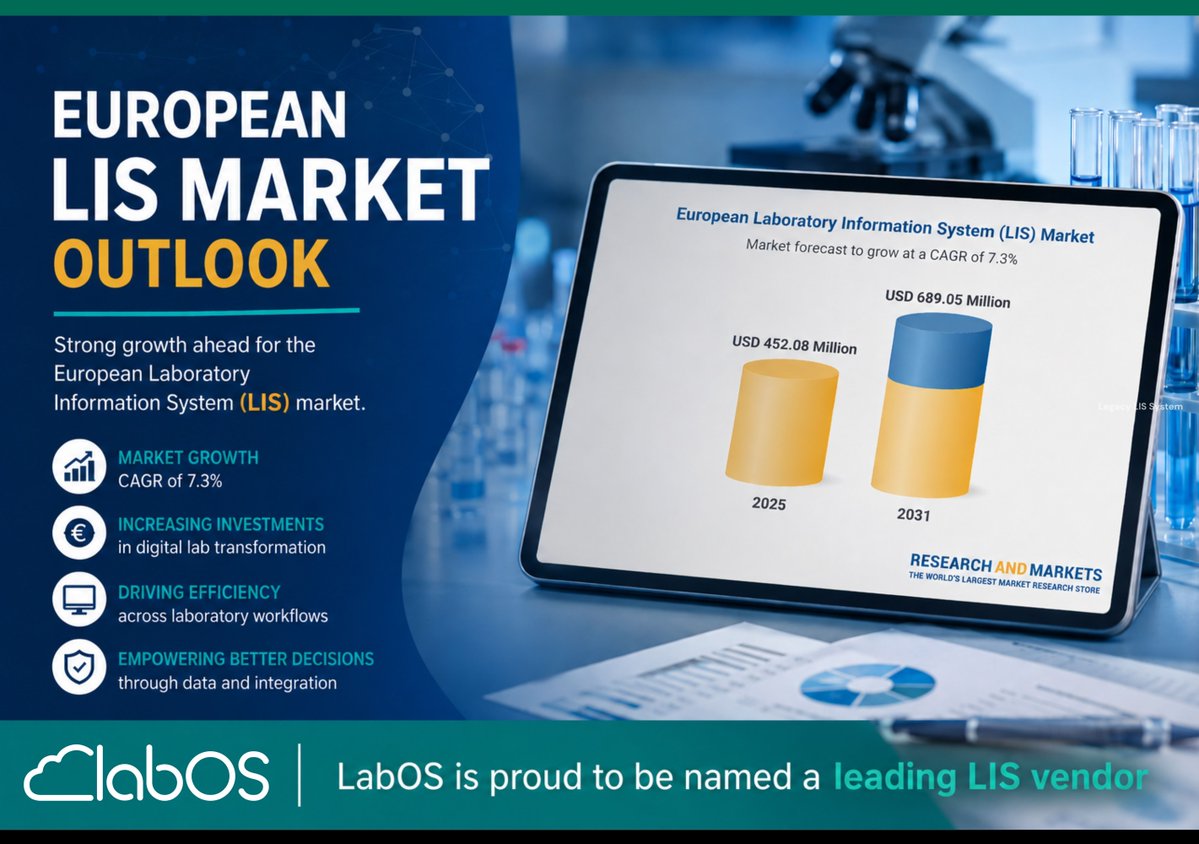
Why do so many diagnostic and clinical labs continue to buy LIS software from massive tech giants who have zero background in healthcare or laboratory operations? If the LIS was built by lab people, for labs - it makes sense to invest in it. Labs deserve better.
Right...?
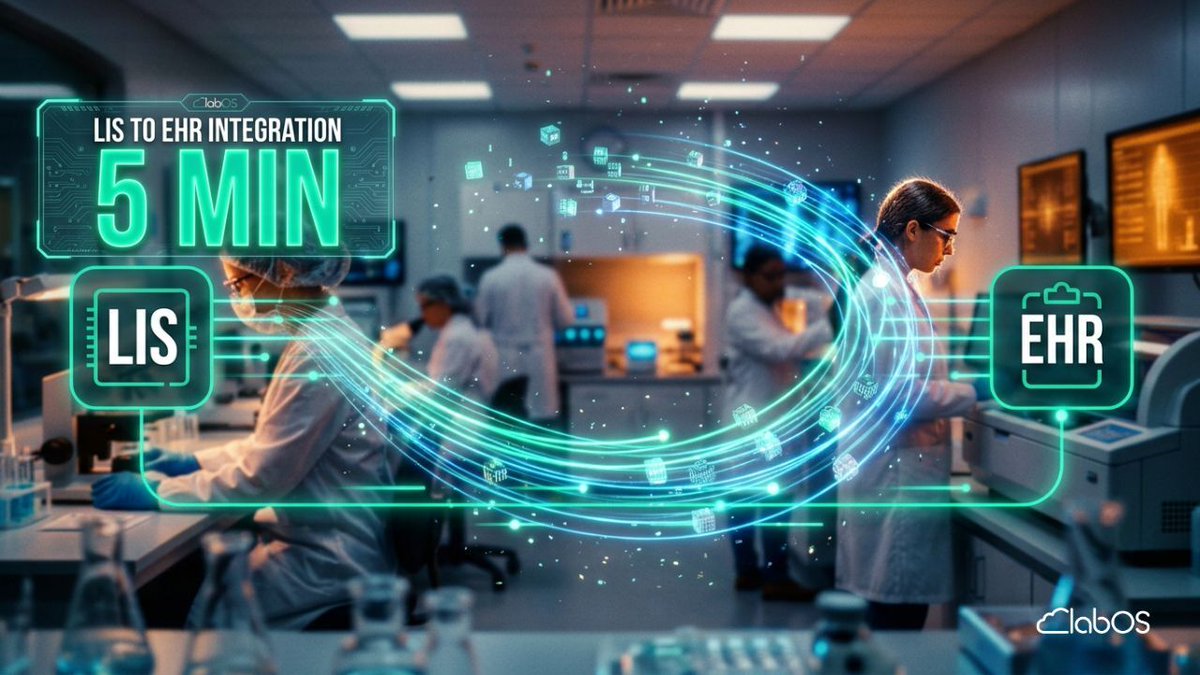
Hey, lab directors - how many hours does your team lose to manual data re-entry because your LIS and EHR refuse to talk to each other? We all know this is not just a huge time-waster but also a warm welcome to errors.
You deserve better. Watch this: https://t.co/SRNTMmQkix
500K patients waited 340 days to learn their data was compromised in a lab security breach. Our industry cannot rely on modular upgrades of legacy systems. Your LIS must work in tandem with regulatory compliance from day 1. Your LIS must be proactive: https://t.co/cAr5lR8BlG
Christopher Nolan just released his Odyssey today - and it got us thinking... Modernizing an LIS feels like an odyssey in itself. The challenge is not finding a better LIS (which is home) - but finding the right path to get there. Take the first step: https://t.co/J6znEhgifZ
Manual lab QC is a recipe for two things: missed violations and staff burnout. But it’s quite easy to master QC in clinical labs. Here, we just published a full breakdown on how to do it: https://t.co/uEBCy6RqGx
Surgical pathology TAT bottlenecks aren't diagnostic - they're operational! Check out the article for a full breakdown on driving operational transformation:
https://t.co/WgwpLY3KwV
60-second body scan. Midjourney Medical's vision: A detailed 3D map of internal structures—without radiation or magnetic fields. It's not FDA-cleared for diagnostics. Will it go mainstream? Or is the bigger story that AI companies are moving into healthcare infrastructure?
Freedom, fireworks, amazing partners, and fantastic clinical labs we support - in the US and all around the world. Honestly, we'll take any reason to celebrate, so from all of us at LabOS, we're wishing you a safe and festive holiday 🎉
What happens when clinical labs eliminate middleware and connect their systems through native automation?
We’ll give you a hint: It’s not F.
Native automation is changing what's possible - and it's doing so in weeks, not years. Check this out: https://t.co/bPudwSCf8O
The bad news? Healthcare data breaches are not slowing down. Hacking is involved in 81% of reported breaches, with compromised vendors. The good news? Labs that invest in security before an incident spend less time explaining one after it: https://t.co/zXzOcmMW1g
Labs deploying AI tools can't say what will happen if their AI makes a mistake that harms a patient. The first question to any LIS vendor should be, “Are you training your models on my patients' data, and what happens to that data?” - WDYT?
https://t.co/vRDwnSVrB8
Doctors are frustrated by D2C lab tests. Patients order screenings online, then drop raw data on MDs demanding immediate interpretation. You can't blame either side - we just need a better system to handle the data overload: https://t.co/PIMxu3Znmc
3 in 4 lab workers report they lack the resources needed to handle their workload. And they’re not talking about incubators, sterilizers, or centrifuges. They’re talking about critical system infrastructure. Check this out to learn more: https://t.co/MeC7zZGccY
The promise of AI-driven precision blood testing sounds incredible: running hundreds of biomarkers from a single sample to phase out repetitive panels - but the bottleneck is (and always will be) the operational pipes - the legacy LIS. Can your lab handle the future?
Today is World Blood Donor Day. 1 donation saves 3 lives - but only if the logistics behind it works flawlessly. A modern blood supply chain simply can’t rely on rigid, legacy software. What can you do about it for your lab? Here's a good 1st step: https://t.co/1S0jTtDcPP
Can AI Make the LIS Smarter? Can AI Help Test Results Tell Stories? Are we over the AI hallucinations era? Yes, yes, and probably not. But there's one more critical thing you need to remember about AI in medical labs: https://t.co/iCEbn50TdR