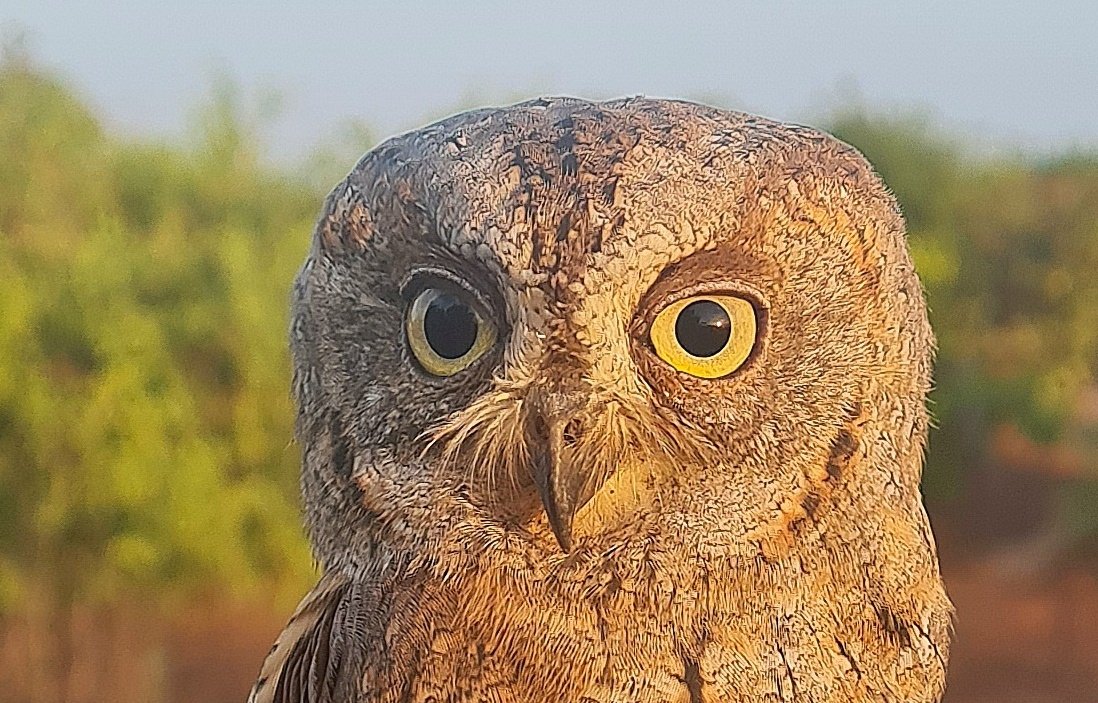
Working with The Max Plank Institute for Biological Intelligence, @LabVallentin, we retrieved an accelerometer we deployed on a Nightingale on 9/1/2025. This valuable data allows us to research Nightingales singing patterns in their wintering territory.
Only a few days left to register for the India-EMBO Lecture Course on Neurethology https://t.co/kwiTt7S9IE... taking place in Pune Dec 7-11, 2025.
Fantastic speaker line up! Deadline July 31st.
~30 years of research in non-behaving animals argue that bilateral touch integration likely occurs downstream of primary somatosensory cortex. We reveal the state- and task-dependent logic that unlocks communication between S1s through the corpus callosum. https://t.co/9F50Kt7QkJ
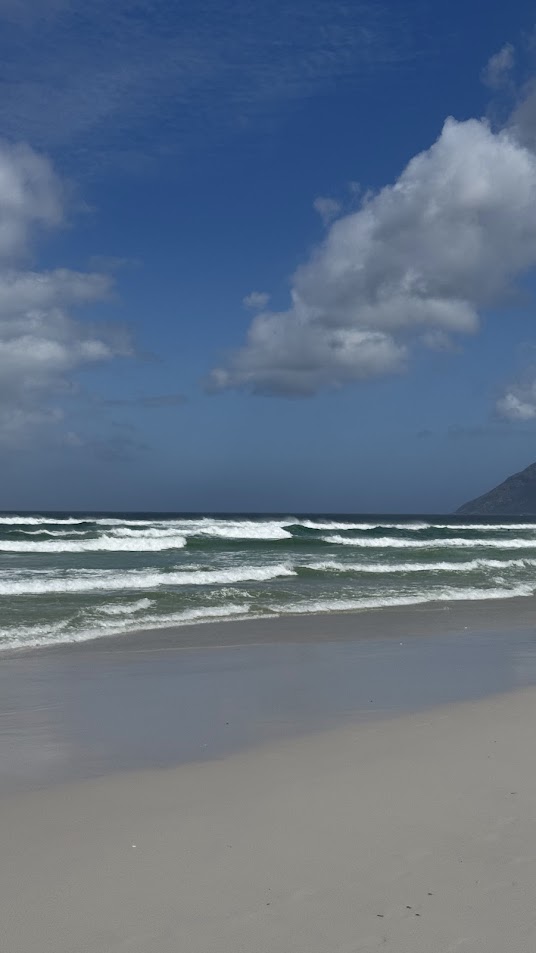
Want to spend 3 weeks in South Africa🇿🇦for an unforgettable summer school experience? Imbizo 2026 (https://t.co/NLPrB4HJIz) student applications are OPEN! 💻🏄♀️ Lectures, new friends, and Noordhoek beach await. Apply by July 1!
🖇️https://t.co/nwewUO6JVL
#Imbizo2026#CompNeuro
👂🦇 Our first bat paper is out! 🦇👂
How do bats tell navigation from social calls?
Led by fearless Dr. Jenni Lawlor, 2P imaging shows that the auditory midbrain encodes categorical primitives.
@NatureNeuro: https://t.co/DP3cLkhMpe
Cool morphing expts+more in final version
🧵👇
Join us for the final stage of the 2024-2025 Coller-Dolittle Prize competition on May 15th at 14:00 UTC, online. The shortlisted submissions will be presented, and the award recipient announced. Register here: https://t.co/OSloXad2lx
Our new website: https://t.co/63VgX53b8q
is now live. Many thanks to Wendy James @wendy_TRG for all her hard work producing this. It outlines our research projects, team bios and provides an overview of the habitats we operate in at Kartong. More pages will be added soon.
Meet our recruiting faculty: The Baldwin lab investigates the evolutionary history of sensory and physiological adaptations in vertebrates. Want to join the team? Apply now for a PhD via our graduate school IMPRS-BI!
🔔 Application deadline: November 10
🌐 Apply here: https://t.co/UYjMRjP7G4
🌐 More about Maude Baldwin: https://t.co/un9wtKkQiw
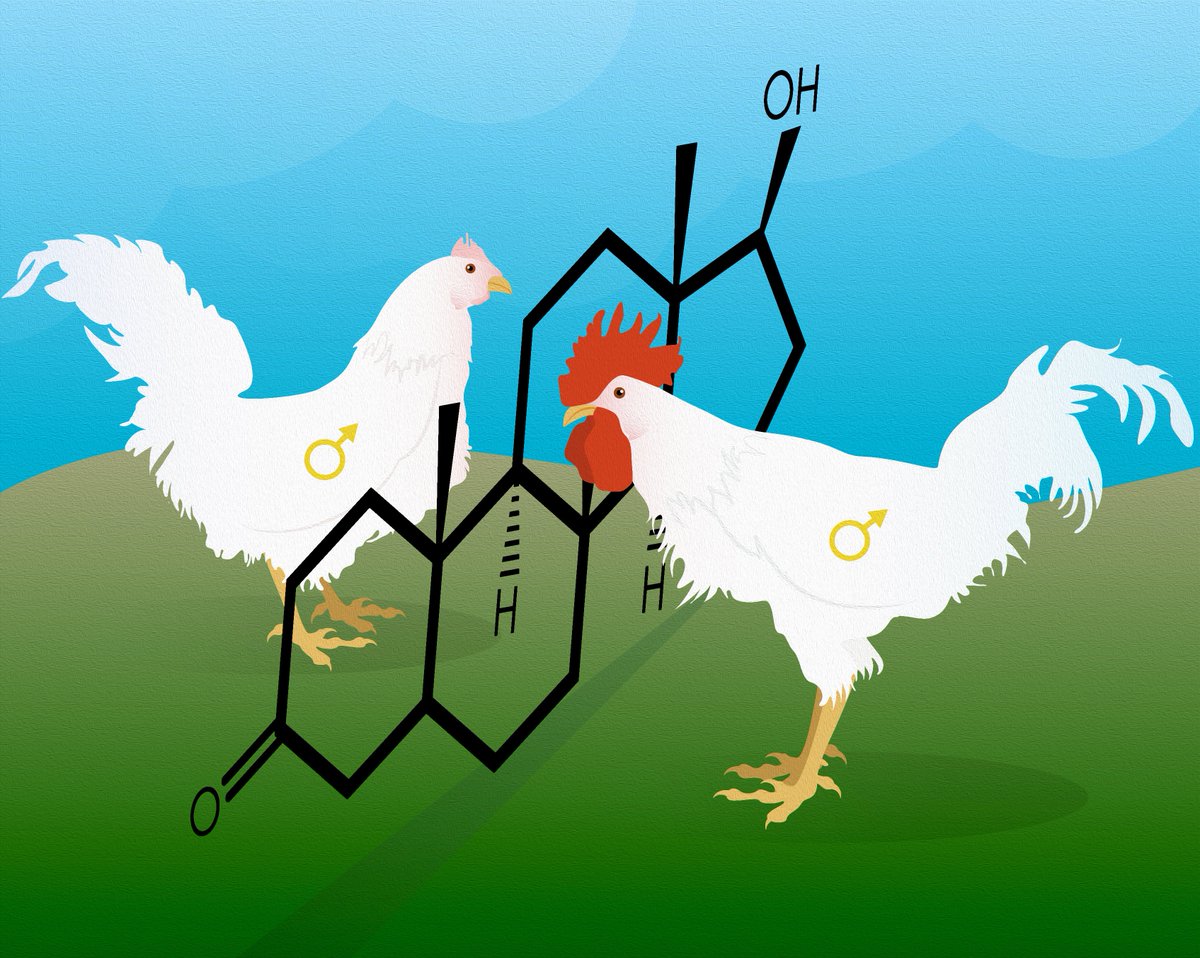
Testosterone isn’t just a male hormone! Researchers @MPIforBI and @TU_Muenchen have bred chickens without androgen receptors, revealing new insights into the complex role of testosterone in both sexes. Find out more: https://t.co/AkNp1vhU6n
@mekrudra
Art by @mulesome
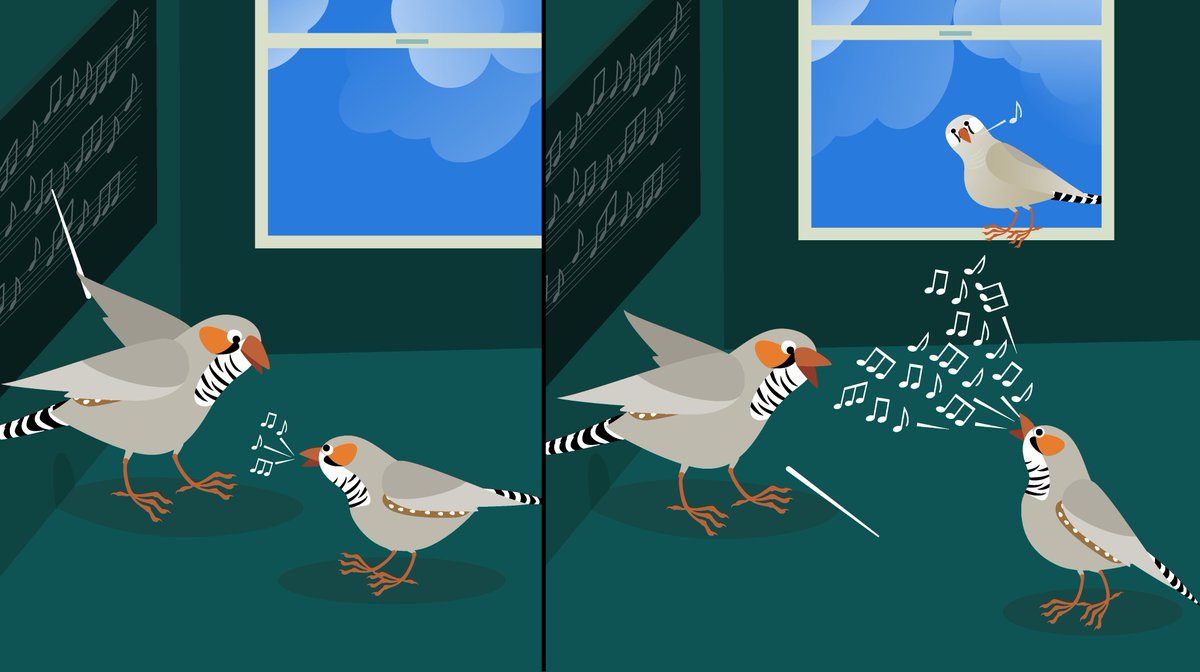
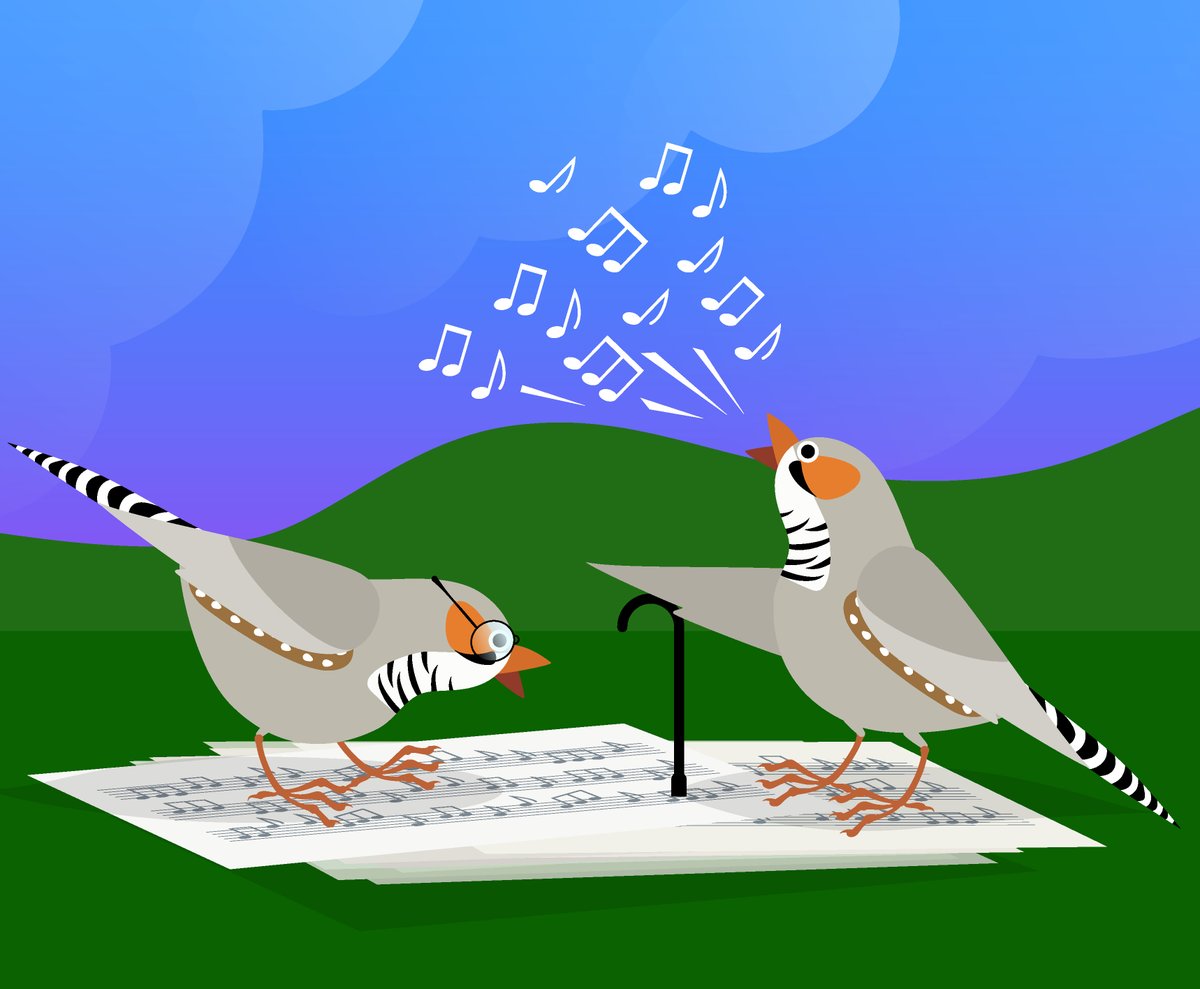
Underestimated females: A new study by @LabVallentin reveals the influence of females on song learning in zebra finches. Vocal feedback from females can activate a neural circuit in the brain of young males while they are learning their song, increasing its accuracy.
Read more: https://t.co/1U5jx8IJpO
Scientific publication: https://t.co/wrGnhJO06u
Art: @mulesome
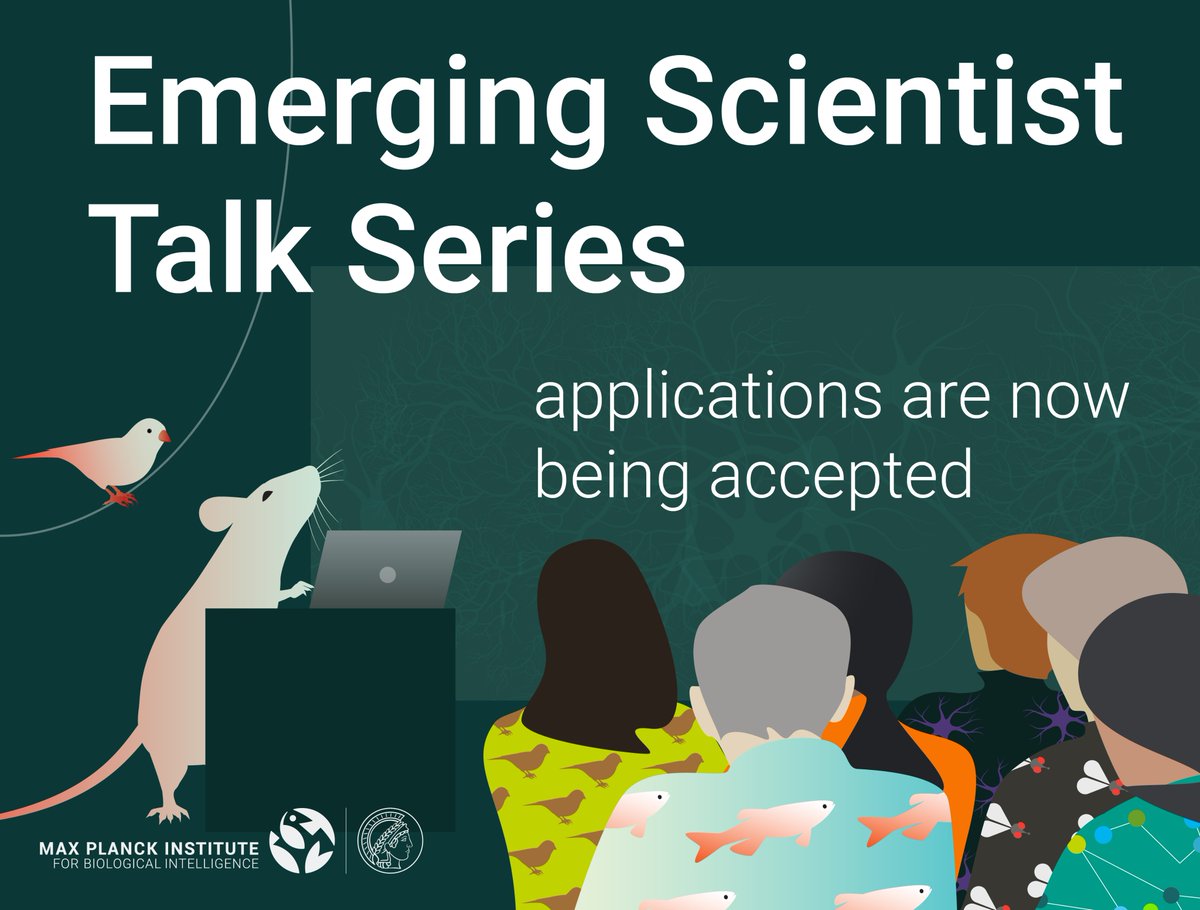
📢Attention Postdocs: Get the chance to present & discuss your research at our Institute! We invite postdocs in neuroscience, ecology and other fields related to our research to apply for our Emerging Scientist Talk Series. Apply until October 31: https://t.co/50XVQ5BSV2
Art by @mulesome
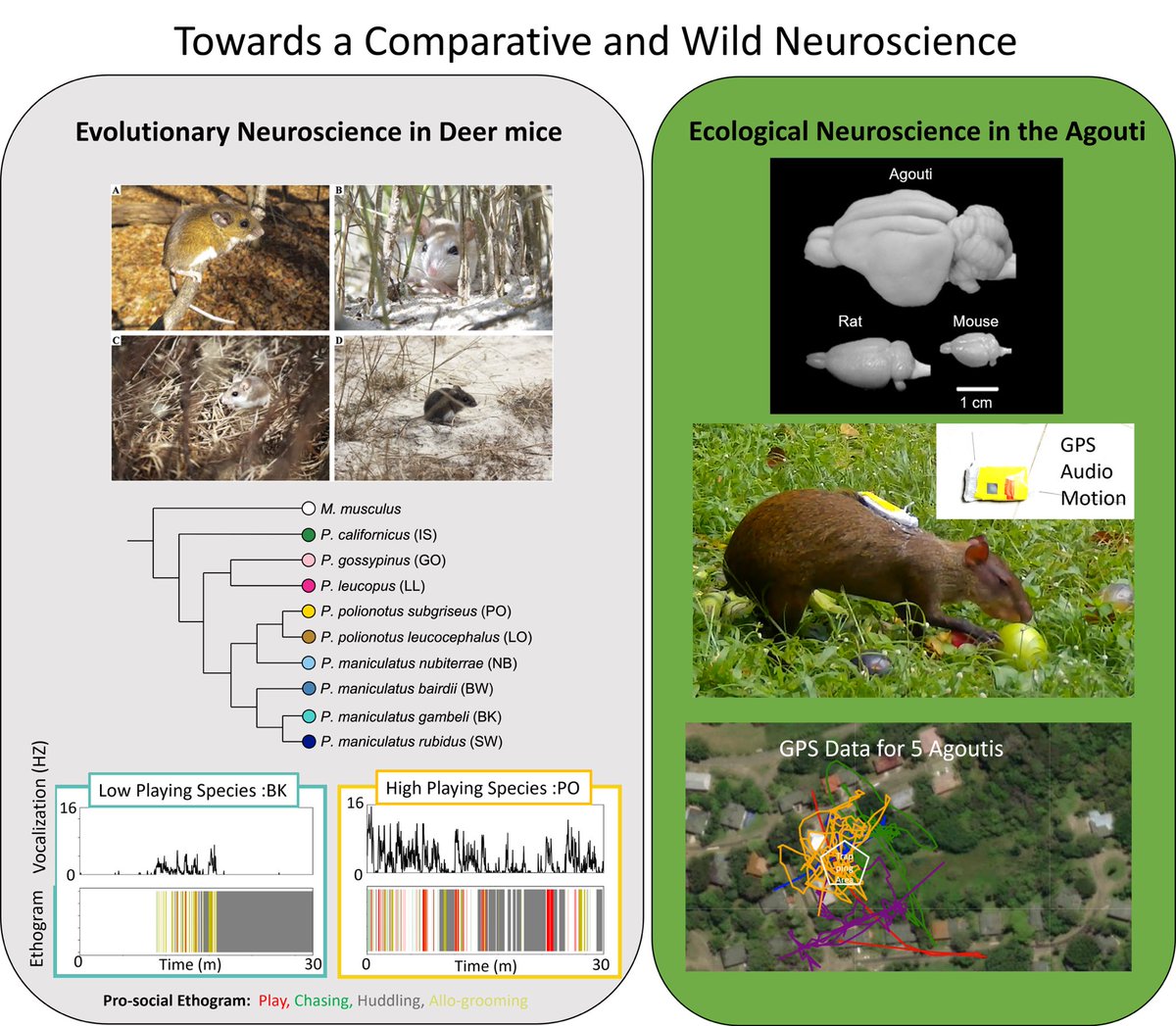
🚨 student job alert 🚨 Excited to post my first ad for the lab looking for a Research Specialist @PennSAS ( RA or Lab manager open to both profiles). Neuro of flexible behaviors, play in the lab, wild rodents in Panama! Please share! RT https://t.co/tUU7olraNw and
Really excited to share the latest preprint from my lab @CSHL. Work done by @IskoEmily, a fantastic graduate student, in collaboration with @TonyZador.
So what is this paper about?
Reactivate lost learning abilities in old age? New study by @LabVallentin shows how adult zebra finches can learn new songs beyond their critical period by manipulating inhibitory neurons!
Find out more: https://t.co/4VOmKqF0dj
Art by @mulesome
🚨Student applications for Imbizo 2025 are now open! Apply before 24 July to join us in South Africa🇿🇦for 3 weeks (Jan 12-Feb 2) of Comp Neuro lectures 🧠, coding tutorials💻, meeting new people 🌎, and exploring the wonderful beach of Noordhoek🏖️! More info in the link 👇
KBO staff are proud to be working once again with the @LabVallentin of The Max Planck Institute. We are supporting their long-term research by deploying accelerometers onto breeding male Nightingales in the Brandenburg area.