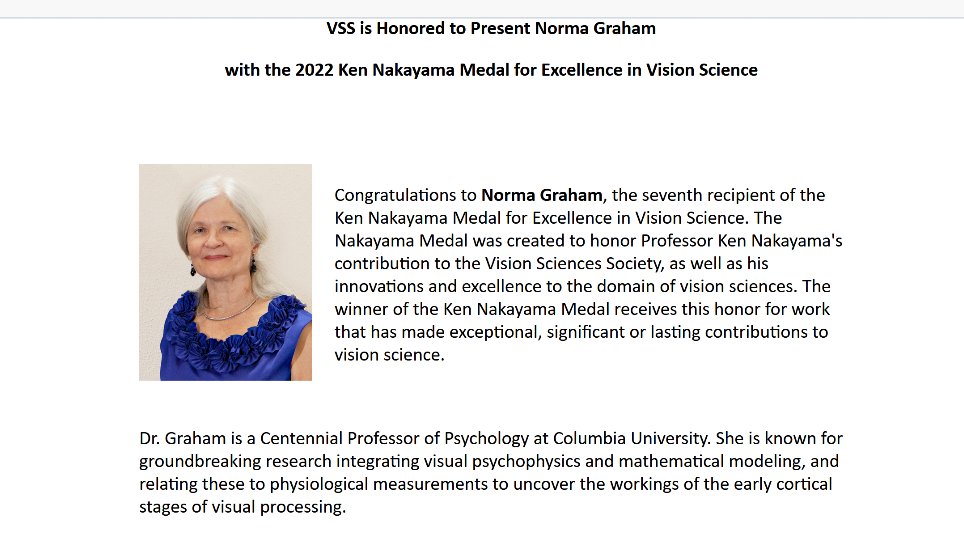
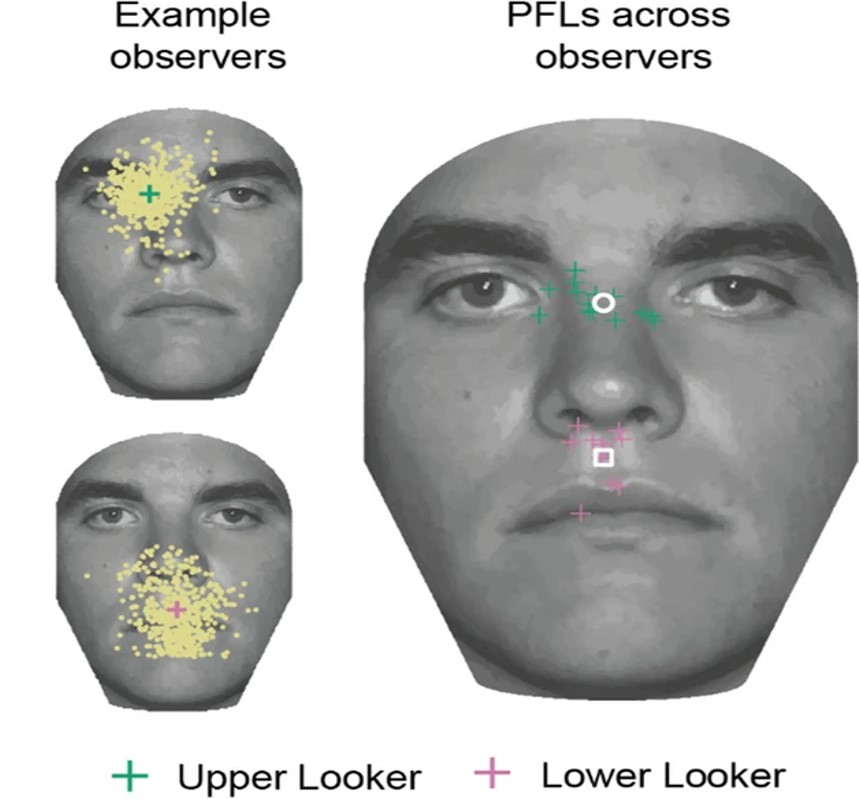
New lab Nature Communications paper: Where do humans look during free viewing? Most frequently, to people and objects critical to the understanding of scenes. Congrats @SMurlidaran https://t.co/HDeCOvevxk
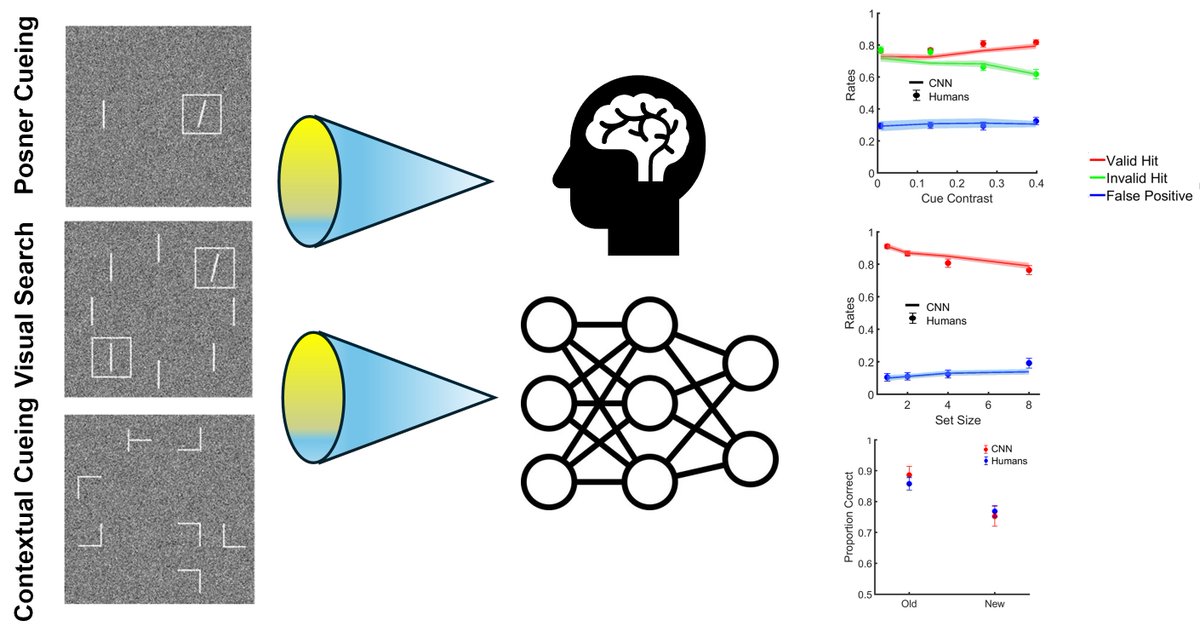
Short 5-min AI generated (VIU human fact-checked) podcast for "Emergent neuronal mechanisms mediating covert attention in convolutional neural networks" (PNAS, 2025)
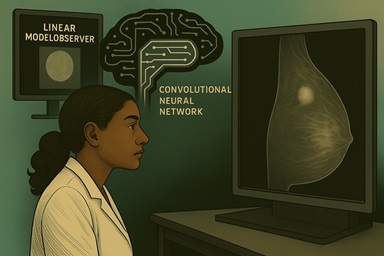
New paper in J. Med. Imaging explains when and why CNNs outperform traditional linear models in predicting radiologist performance and assessing medical image quality. Congrats 1st author Aditya! With @PennRadiology.
Full paper: https://t.co/ceny6GubTh
Who really "invented" the iPhone? Universities. Specifically, key technology underlying the iPhone can be attributed to scientists at @UCBerkeley@UDelaware and @stanford. All of these inventions have one common thread: federal funding for science.
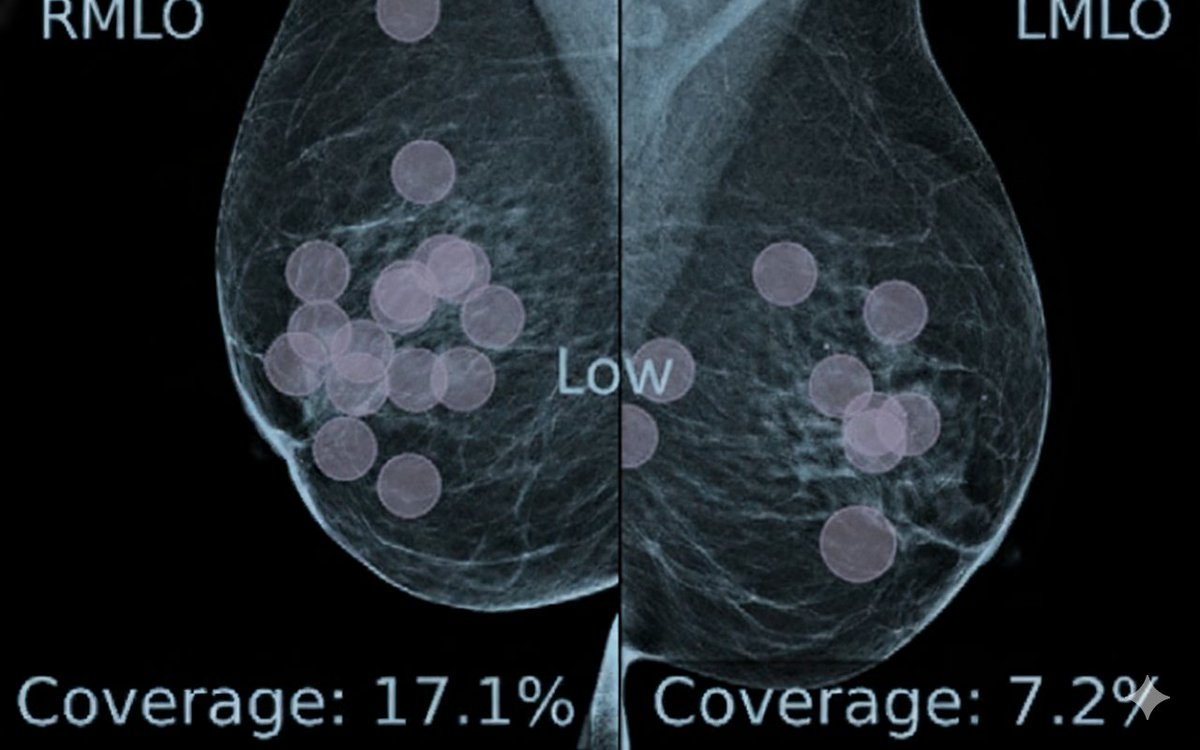
Vision meets Radiology. Two studies, which record eye movements, demonstrate how and why AI can enhance radiologists' search efficiency in mammograms. And how the benefits could be higher for 3D Digital Breast Tomosynthesis. https://t.co/VGC9ldp43E
https://t.co/EdJEeJwtsr
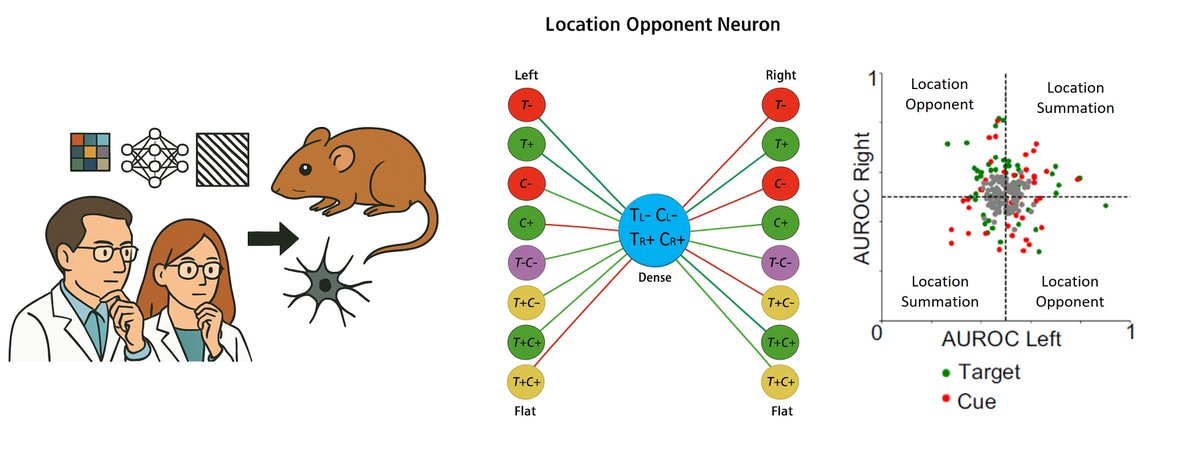
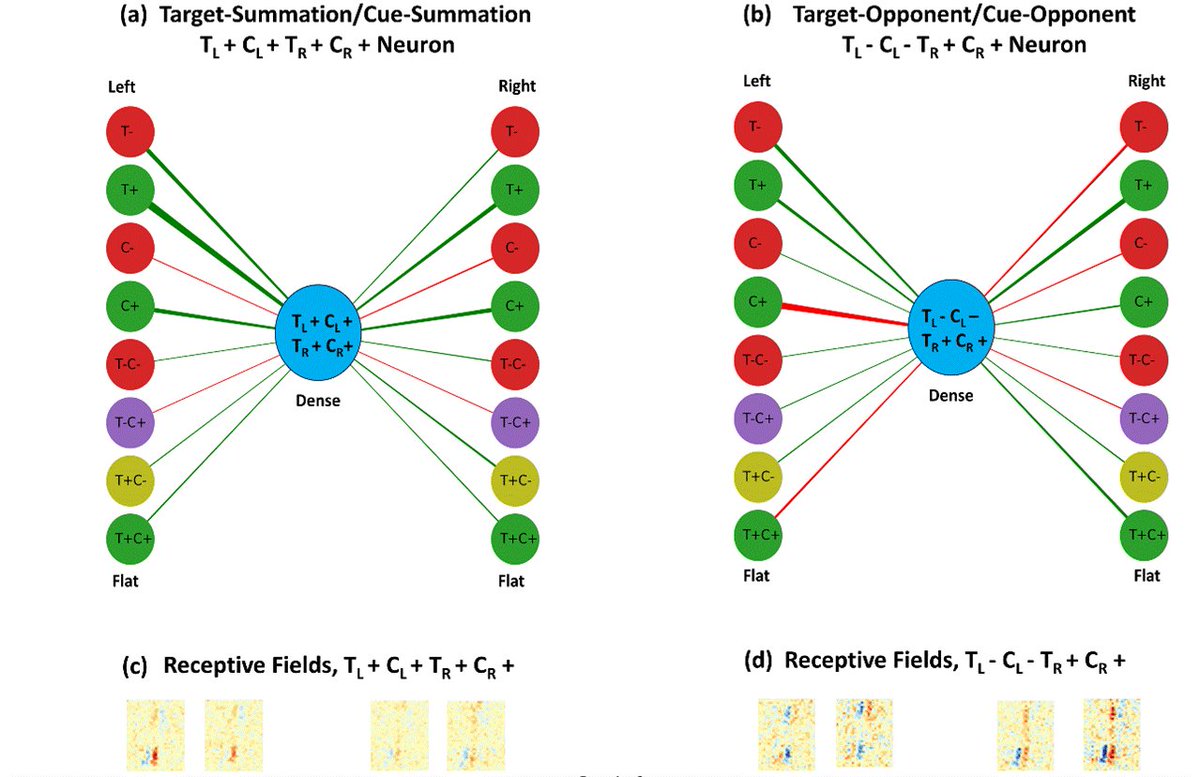
New preprint analyzing 1.8 million neurons of CNNs with emergent behavioral and neuronal signatures of covert attention without incorporating any explicit attention mechanism. With @sudh8887@WilliamWangNLP https://t.co/0m9COVHjgg
Call for Submissions: UCSB AI/Human Creativity Contest
As part of this year's summit "AI and Human Creativity" the Mellichamp Initiative in Mind & Machine Intelligence is organizing three AI/Human Creativity contests: Short Story, Visual Art, and Music
https://t.co/4FuVaFCvxS
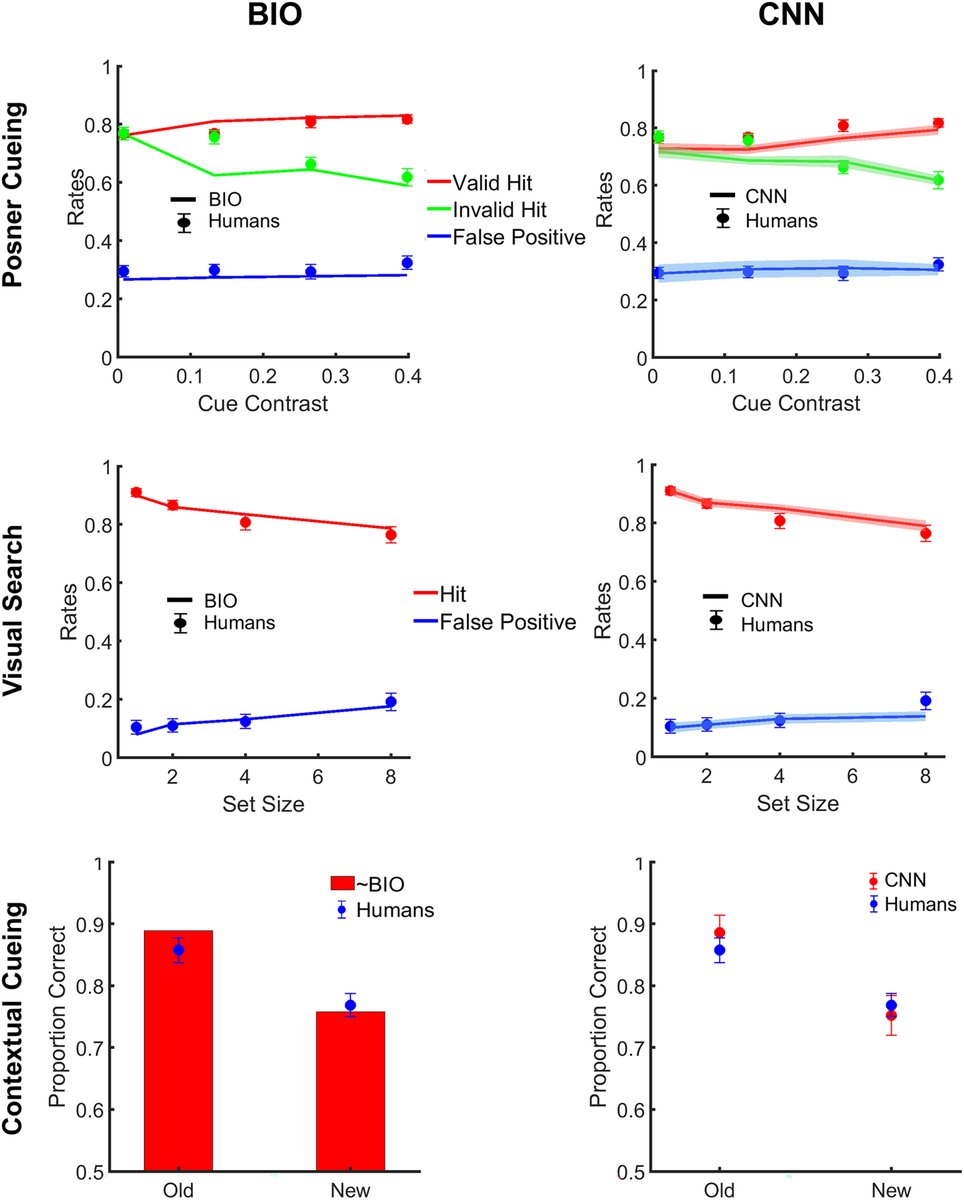
3/n The cue/context effects are emergent for a variety of network sizes, training schemes, and pre-trained large networks (VGG16). The results generalize to tasks with pre-cues, central cues, and discrimination judgments.
2/n The CNNs, without any built-in explicit attention mechanism or cue/context priors predict human behavior for three classic attention tasks: Posner cueing, search, and contextual cueing. The cue/context effects are comparable to those of a Bayesian Ideal Observer (BIO).
New collaborative paper with Steyvers lab (UCI) on how experts and novices use language to make inferences about people's knowledge. Congrats @nicole7han and VIU lab star-undergrad @Ansh_soni1234!
https://t.co/8WzCzbeSIw
New lab paper Psych. Bull. & Review: A preference to look closer to the eyes is associated with a position-invariant face neural code https://t.co/pKo4hfw0tZ
New lab paper in eLife characterizing the inferential and functional nature of social attention’s fine-grain eye movement dynamics.
https://t.co/ZHQ4zc2BCF
PhD Student Yujie Lu was awarded Best Paper at ACM CHI Conference on Human Factors in Computing Systems 2023, for her work with Stanford University and Carnegie Mellon University.
Read the full article and paper on the CS website. Link in bio.
Our 2023 Annual Summit: “AI and Decision Making” is taking place this April 13th and 14th. For more information and to register for this free event, visit: https://t.co/ihXaGh93mW
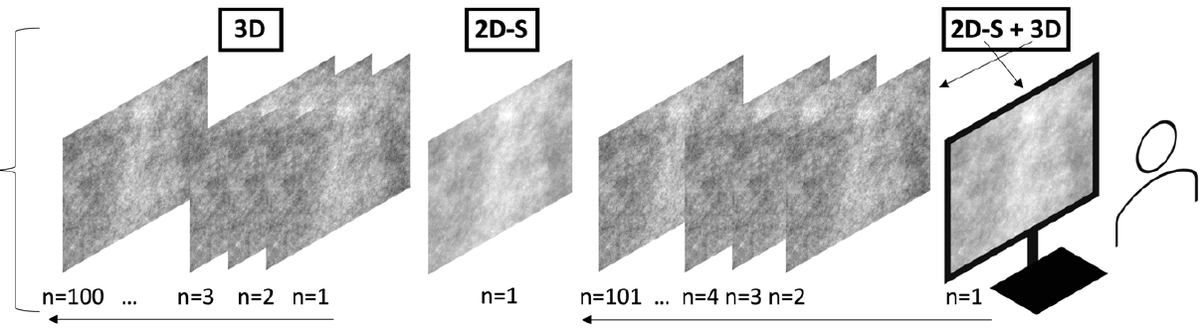
New IEEE TMI lab paper (lead author, Devi Klein) understanding why and under what circumstances a 2-D synthesized image aids search in 3D image stacks commonly used in radiology.
https://t.co/t2TNJEUJsV
Our 2022 Annual Summit: “AI and Neuroscience” is taking place this February 16th and 17th. For more information and to register for this free event, visit: https://t.co/ixasB3HVhX
Join in with @WilliamWangNLP@bingbrunton@guyvdb@jrking0 and many others!