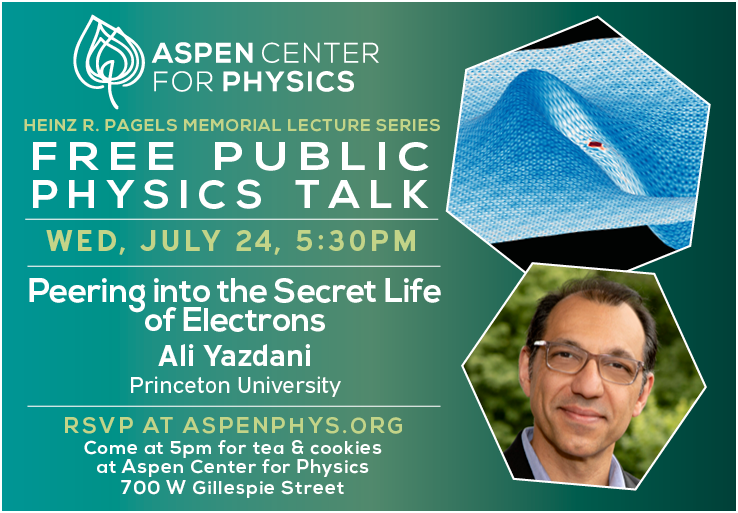
Professor of Physics, Ali Yazdani, and his lab group @Princeton University visualize #quantum states of matter. Yazdani is also co- Director of the PQI
Congratulations to Yen-Chen Tsui who received his PhD written under the direction of Professor Ali Yazdani. Principal examiners in attendance were Professors Ali Yazdani, Biao Lian, and Lyman Page. #PrincetonPHYFPO
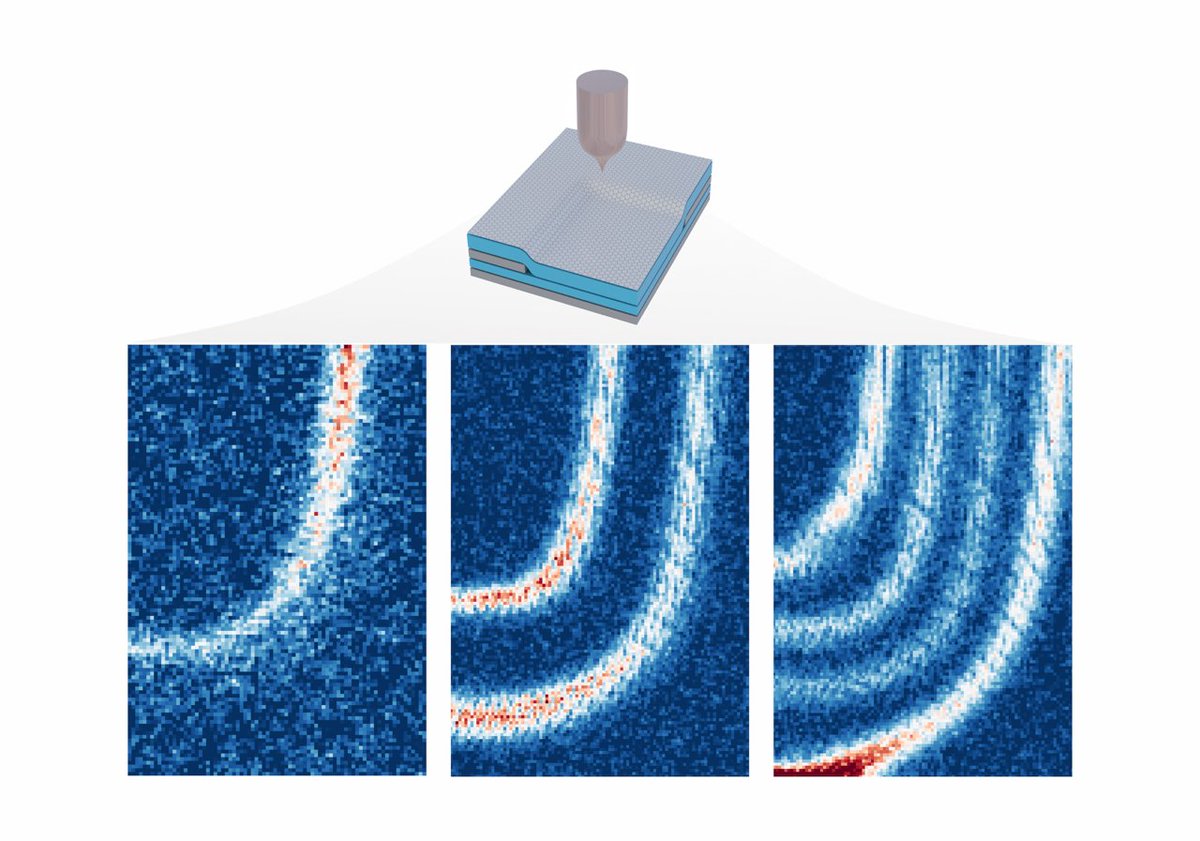
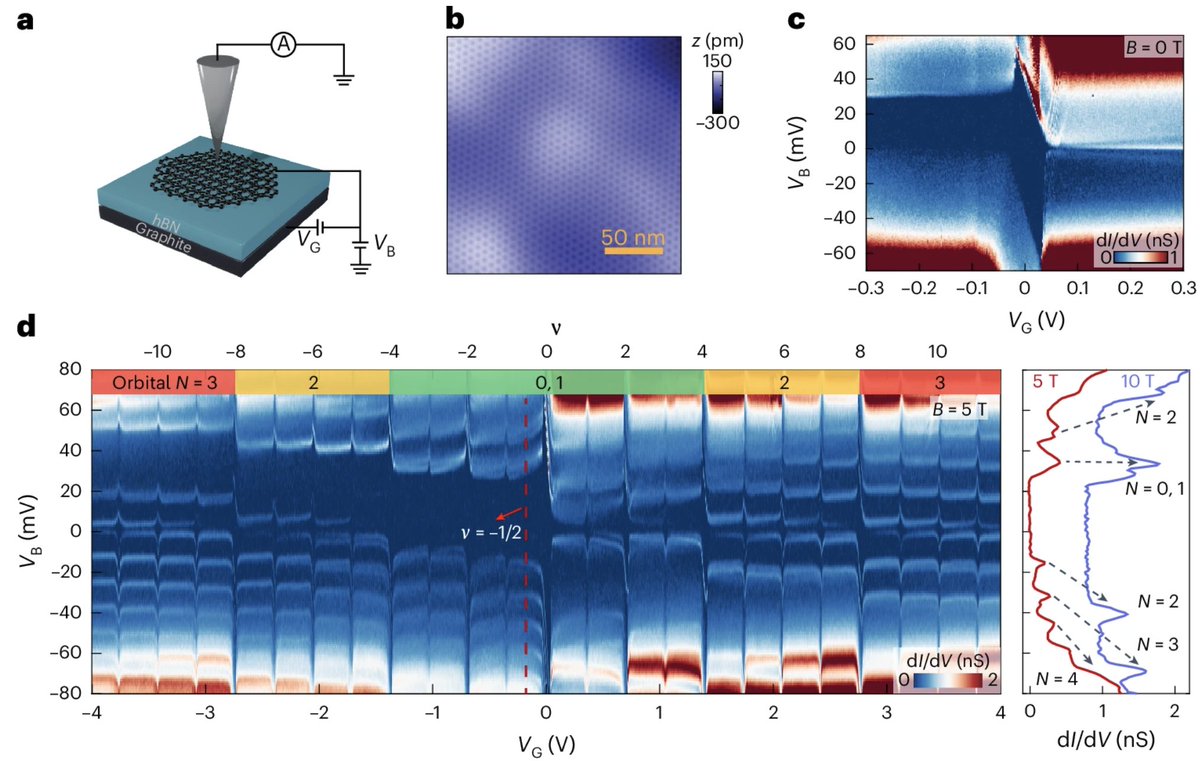
Check out our new paper just published in Nature on "Visualizing interaction-driven restructuring of quantum Hall edge states." https://t.co/n7YDm7jKhW
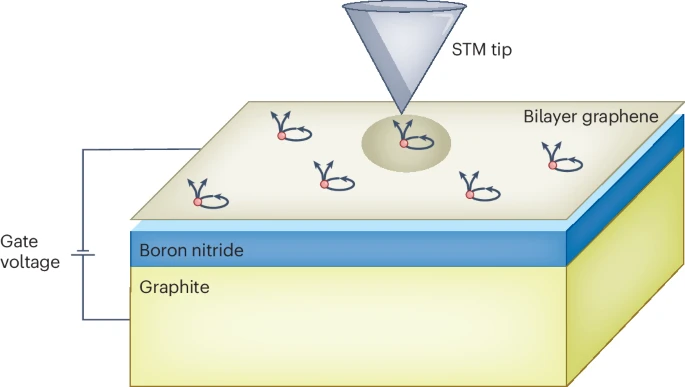
Check out our highlight on the latest work from @LabYazdani on fractional quantum Hall states in BLG, now in @NaturePhysics:
Highlight:
https://t.co/9w2B1s7m74
Article:
https://t.co/v1Z6IkWRc4
TODAY, we were thrilled to welcome a group of students from Science Park High School on lab tours; Prof. Sanfeng Wu and Prof. Ali Yazdani's & demonstrations at Frick Chemistry lab!! #PrincetonU
PMI faculty member Sanfeng Wu of @PrincetonPhys continues our #quantum tech and imaging session with his research on re-inventing 2D nanochemistry and a new path to quantum device engineering #PMISymposium
Our paper on STM spectra of fractional quantum Hall states in bilayer graphene is now available in @NaturePhysics Thanks to @LabYazdani for these beautiful experiments and to @LeverhulmeTrust for their support. https://t.co/cKez8bcE50
The Fritz London Memorial Prize Selection Committee is proud to announce this year's awardees: Congratulations to John Saunders, Robert Hallock & Ali Yazdani for their groundbreaking contributions to low-temperature physics.
@lt30conference@IUPAP_physics
https://t.co/tQC5NRtFs4
And the winners of 2025 R. L. Greene Dissertation Award in Experimental Condensed Matter are... Kevin Nuckolls, PhD. from @yazdanilab and Jane Park, PhD. from @Jarillo_Herrero and now Dicke/Schmidt/Presidential postdoc fellow @yazdanilab ....awarded @aps Global Physics Summit
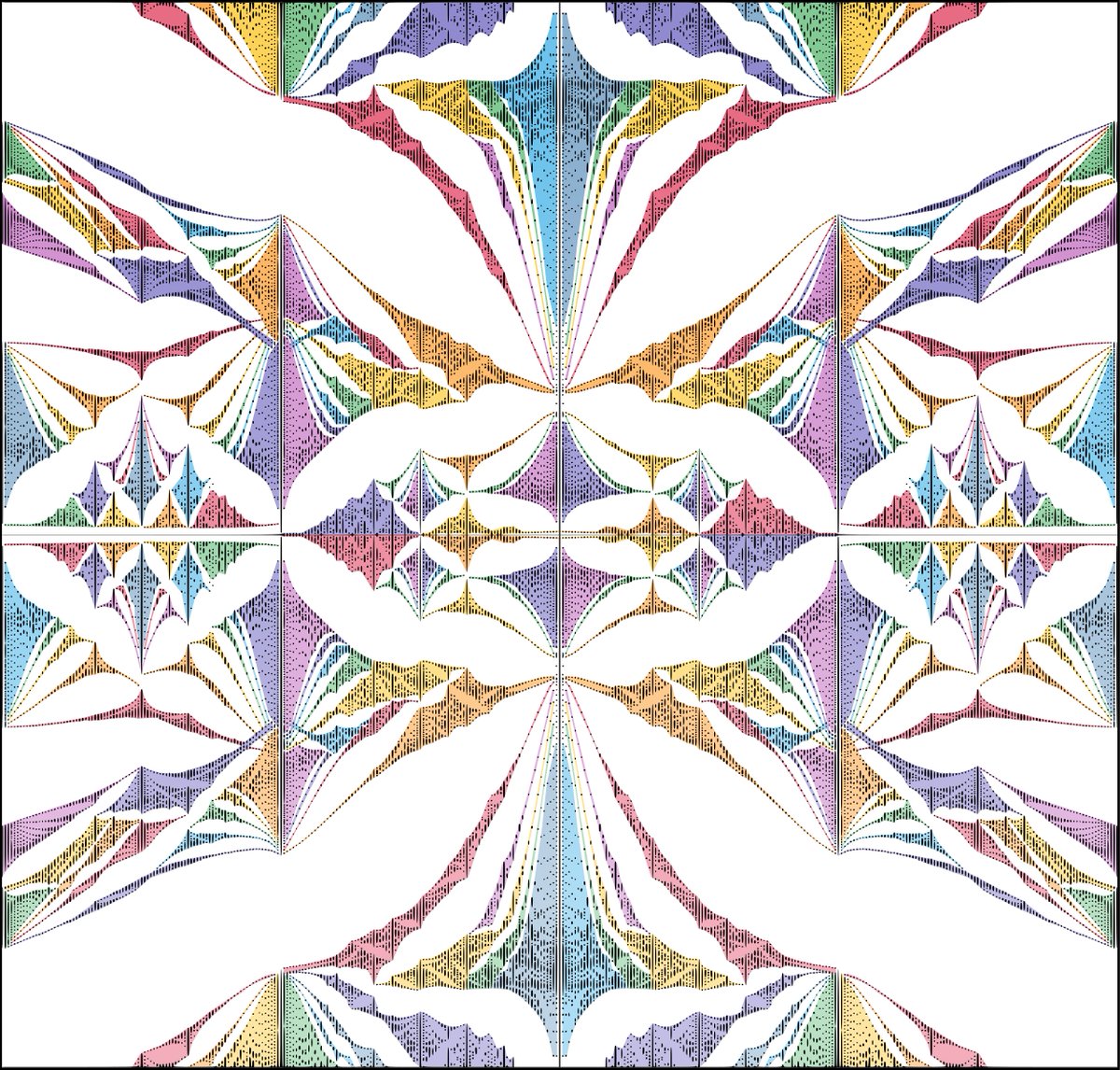
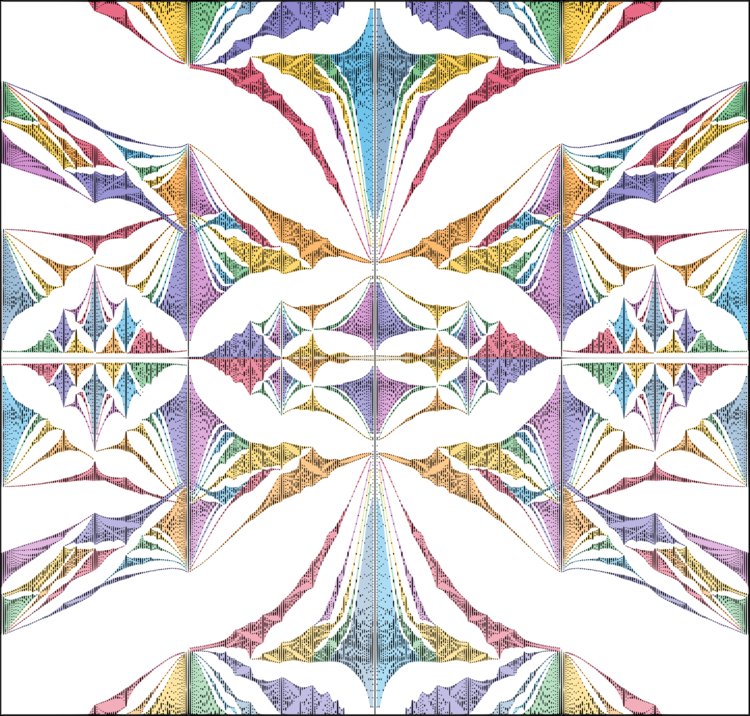
Prof Yazdani and researchers have visualized a quantum fractal pattern known as Hofstadter's butterfly! This groundbreaking discovery opens new doors to understanding electron interactions in quantum materials. Read more here: https://t.co/5ldzCYEkRq
A team of scientists from Princeton has measured the energies of electrons in a new class of quantum materials and has found them to follow a fractal pattern.
Fractals are self-repeating patterns that occur on different length scales and can be seen in nature in a variety of settings, including snowflakes, ferns, and coastlines.
A quantum version of a fractal pattern, known as “Hofstadter’s butterfly,” has long been predicted, but the new study marks the first time it has been directly observed experimentally in a real material.
This research paves the way toward understanding how interactions among electrons, which were left out of the theory originally proposed in 1976, give rise to new features in these quantum fractals.
Read the full story: https://t.co/38ljVqP0qd
Check out our new paper just published in Nature on "Spectroscopy of the fractal Hofstadter energy spectrum." Another study made possible by moire materials. https://t.co/awKTQfcoPP
The Princeton Quantum Initiative (PQI) is accepting applications for its Postdoctoral Fellowship Program. These highly competitive fellowships support research in quantum science and engineering.
Applications are due on Oct. 20. https://t.co/3yhPJtMTO0
#PrincetonU
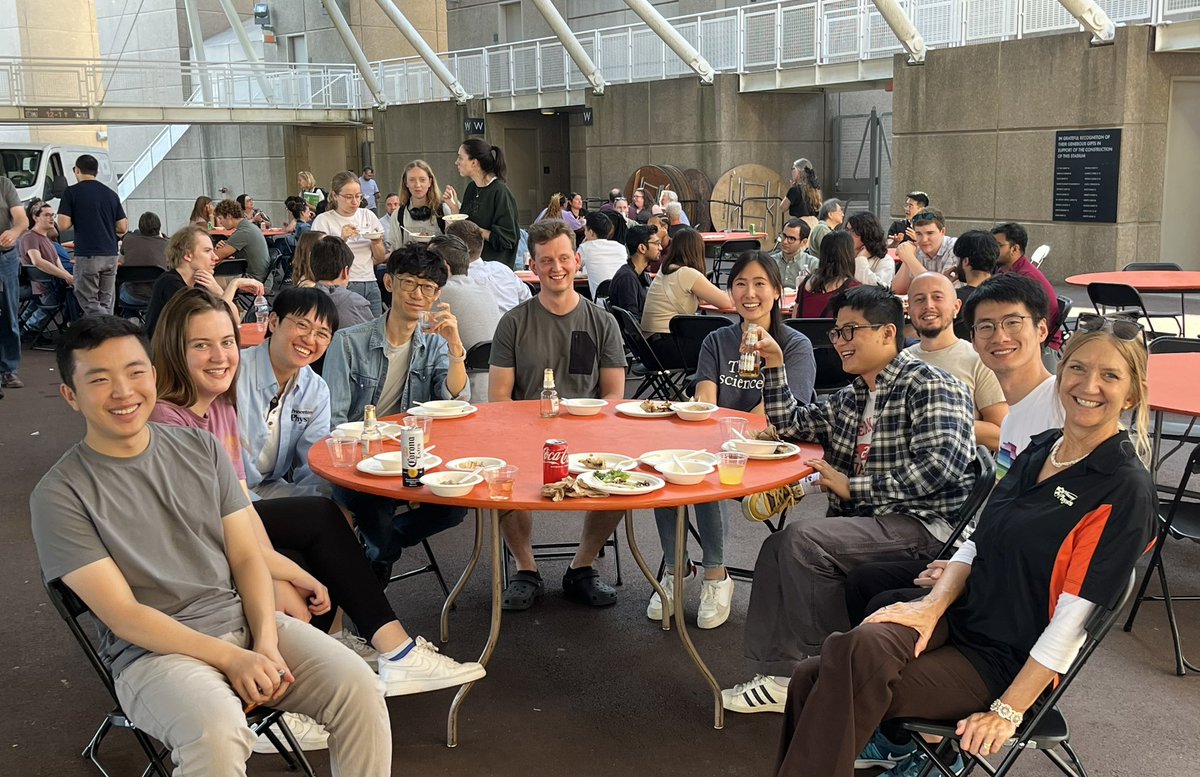
Beautiful day 😎 to meet up with the @LabYazdani group for the @PrincetonPhys “Welcome Back” gathering! Students, postdocs, faculty and staff relaxed by the #PrincetonU football stadium.🍕🍺🍦
Our paper on understanding STM spectra of FQH states has just appeared as a @PhysRevB Letter. Thanks to our collaborators @LabYazdani@cbajit@LeverhulmeTrust https://t.co/4hCoxMdaBE