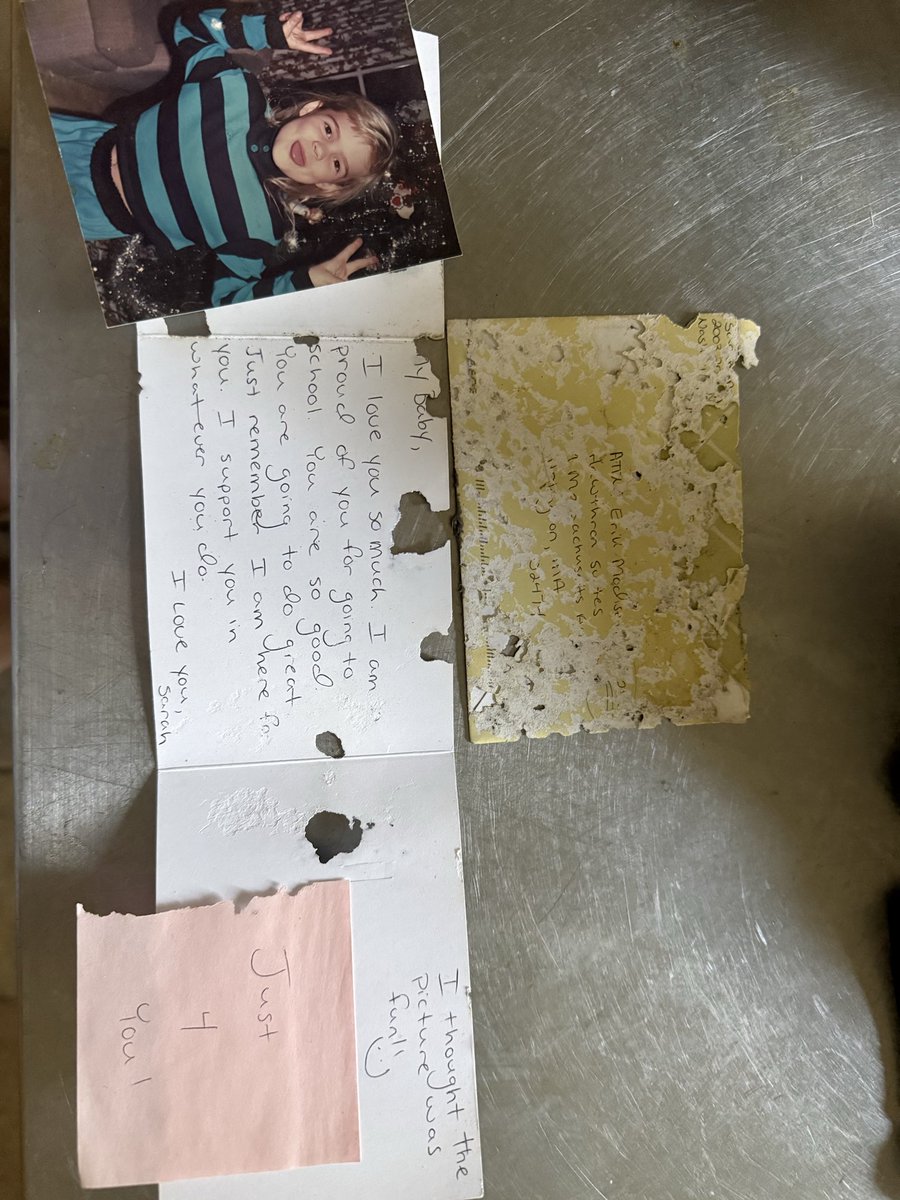
@emodisett Hi, I have messaged a few of your family members but not sure if it’s getting filtered out. I have an old photo and card that Sarah wrote to Erik- found it in my attic. Would love to return this to her.
Unmatched before 2024: "Your scores missed the mark"
Unmatched in 2024: "Other candidates did a better job 'selling' themselves"
Match 2024:
⇈ # of candidates went up
and... scores mattered less
This means you'll lose out on opportunities
↪ Not because of scores or you're lacking experience
↪↪ But because another candidate did a better job presenting theirs
Sometimes, just by a hair.
So, how do you bypass this?
In my opinion:
- Build connections
- Narrow down your search
- Focus on speciality specific programs
- Refine your interview skills by practicing early
- Take Step III if you haven't, ⇈ USCE, and publish
- Rebrand your CV and PS narratives (this is a big one!)
Instead of letting 'Imposter Syndrome' creep in
Adapt your approach and try again.
*It's hard to beat a candidate that doesn't give up.*
#MedTwitter #ECFMG #IMG #Match2024 #ERAS #USMLE #Match2025
"So, what questions do you have for me?”
This is one of the questions you definitely will get asked during your residency interview!
Remember, program directors and faculty are also trying to sell themselves to you as an applicant! They want to be welcoming and demonstrate a positive atmosphere and culture to future residents. This will likely be either one of the last (sometimes first) questions you will be asked.
Tips:
1. Make sure that you do not ask a question that answered during the presentation or clearly stated on the website!
This shows a lack of preparation and attention to detail, two traits you definitely do not want to portray.
Especially in the virtual interview era, residency programs have spent countless hours on their websites and informational material!
Common questions that should be on the website (to avoid)
1) Vacation Time
2) Stipend & Benefits
3) Sites/locations you will be working at
4) Where residents match for fellowship
5) Where the current residents are from
2. My go-to question:
‘What is your favorite part of being a program director at ____?”
I feel that this question often evokes positive sentiment. The program director and faculty usually have been at the residency program for an extended period of time and have experienced growth and satisfaction in their position.
I think this question switches the applicant to the interviewer and can offer insight into the happiness, culture, and collegiality of the residency program.
Similarly, look up your interviewers! If they have been at the same institution for college, medical school, residency, and beyond (very common), this again highlights reasons they like the program!
3. Location of Residency Questions
I think these questions are valid and less formal with opportunity to open up casual conversations.
“What is your favorite part of living in Tampa (place where I did residency)?
Internal Medicine Residency is 3-years and a significant part of time.
You want to be in a place where you find happiness both inside and MORE IMPORTANTLY outside of work!
Usually the interviewer will share his/her hobbies outside of work. This will open up an opportunity to connect and find similarities and develop a personal connection!
I hope this helps! If you have any questions about @USFIMres feel free to reach out. Good luck and more tips to come!
#arjuncardiology #medtwitter #cardiotwitter #MedEd #IMG
Few interview tips for #Match2024
Questions to ask during meet and greet with residents
It’s recommended to ask at least 1-2 questions and interact with them rather stay silent and don’t interact which might go against you.
⤵️
#dermresidents: I've been compiling playlists of dermatology-related lectures/grand rounds presentations on YouTube to supplement residency program didactics & provide add'l info/perspectives on various topics in dermatology. You can find them at https://t.co/i9HXqRT505
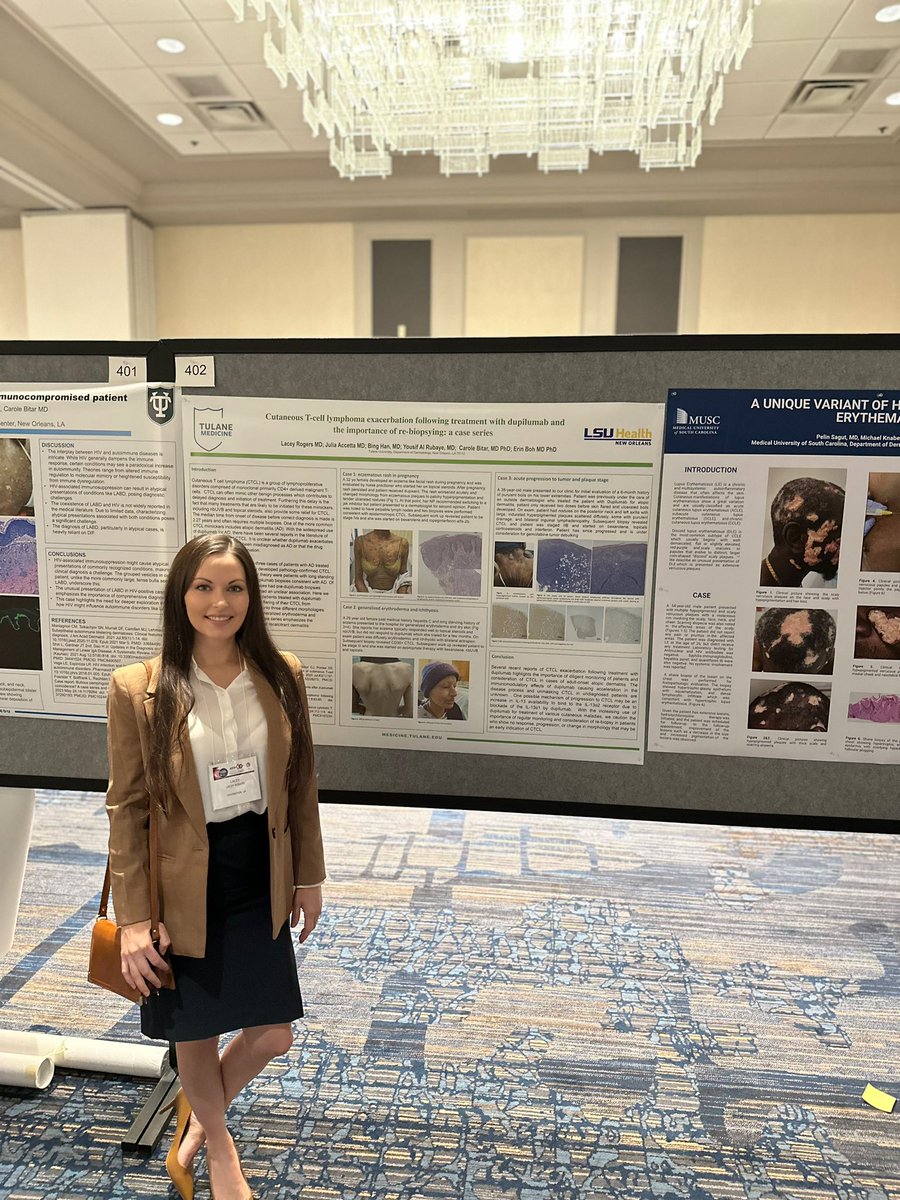
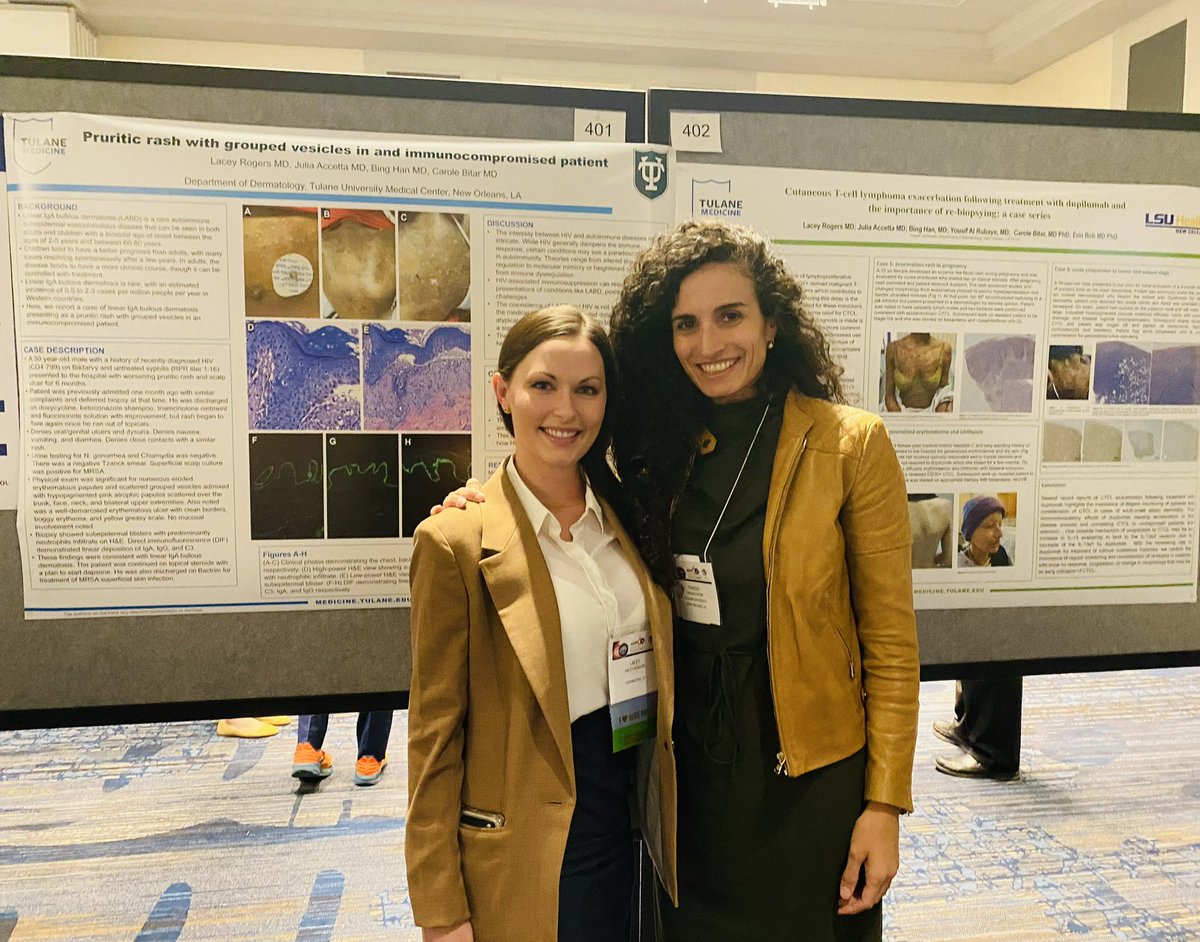
I took a break from wards and spent my golden weekend presenting two posters at #ASDP in Chicago! Beyond sharing research, I enjoyed connecting with mentors and meeting fellow residents who share a passion for dermatology and dermatopathology. Excited for future opportunities! 🔬
My definition of resilience: a deep well of strength, wisdom, and goodness that allows us to weather the difficulties and challenges we encounter despite the stresses of life
It’s our capacity to bounce back from life’s challenges, small and large.
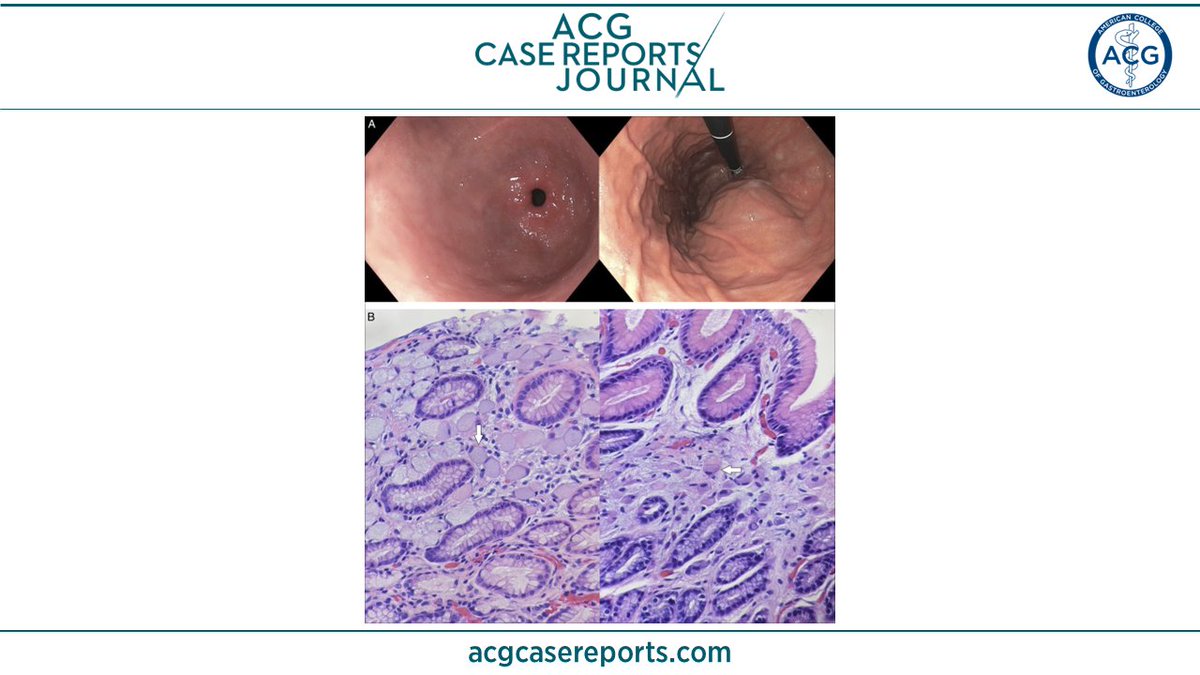
🔎 ACG Case Reports Journal 🔍
Two Pediatric Cases Within a Familial Cluster and Hereditary Diffuse Gastric Carcinoma: A Tale of 2 Sisters
Lacey Falgout, MD & Lawrence L. Gensler, MD
👉 https://t.co/BlDapgFwos
@LaceyFalgout#GItwitter#GIfellows@KhushbooSGala@VibhuC_MD
6/20/23. The end of my first year as a doctor.
Some unsolicited advice at the end of this—
I learned only one thing:
How exceedingly precious this life is.
#MedTwitter (1/6)
Rejection of your paper or grant has NO relevance to the opinion of #research community. It is nothing but the opinion of one person.
Several examples:
1. The first paper on graphene was rejected from Nature because “it did not constitute a sufficient scientific advance”. Later, it was awarded a Nobel prize.
2. The first manuscript showing the microbiome-brain connection was published after 7 submissions that took 3 years. Today, this field has exploded. I expect it will get a Nobel prize in the future.
3. Theodore Maiman tried to publish a paper describing the first operating laser in Physical Review Letters and… got a rejection!
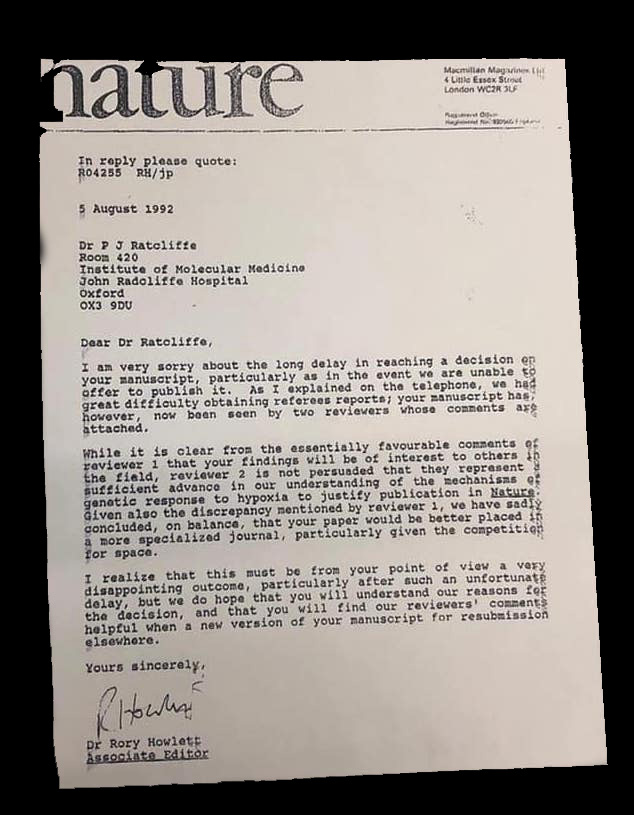
4. Peter Ratcliffe, who worked on cells’ response to changes in oxygen levels, got his key paper rejected from Nature (see photo). Later, he was awarded a Nobel Prize for this work.
And there are many other examples…
.
And yet I see so many young scientists stressing about rejections. For some reason, they seem to genuinely expect that the editors should know which study is truly worth it.
As a result, many rejections are met with surprise and disbelief:
“How could they reject it? They publish so much trash, and yet they think our detailed 3-year-long study is not interesting to the community! WHY?”
.
Well, the reality is:
- Most editors have very little time to delve into your study. They can easily FAIL to recognize the potential impact of your study. Proper communication in the cover letter and clear writing style can help (although only to a limited degree).
- Many reviewers have little idea about the science in your paper. But they can have a big ego. So, if they have a bad day or were rejected recently, it’s easy for them to find 1000 technical reasons to reject your paper as well.
- Most scientists genuinely don’t know if your discovery can make any impact. If we could predict the course of science, we would be living very differently!
My message is simple:
Forget about objectivity. Academia is a very subjective world. Fight for objectivity but don’t take it for granted.
A great study will be found, cited and recognized. Disregard of where it’s published.
A bad study requires a high-impact journal to be found and cited. But the long-time recognition might be a problem.
High-IF journals are simply billboards. Their rejections do NOT represent the opinion of a scientific community.
You can get rejected but don’t reject yourself!
Believe in your results.
#AcademicTwitter #AcademicChatter