Anyone from Makerfield on here? An ominous silence is all I hear. Not one post from anyone who voted for the lying, duplicitous piece of shit Burnham. Where are you all?
Aner Shapira, 22, wrote rap songs and served in the IDF.
On October 7, he stood unarmed at the door of a roadside shelter and threw back seven Hamas grenades.
The eighth killed him.
A hero to the last second.
Never forgive.
May his memory forever be a blessing. 🕯️
This is Asher Menahem Paley. He was just 8 years old when he was critically injured in a terrorist car-ramming attack in Jerusalem on February 10, 2023. He succumbed to his wounds the following day.
His 6-year-old brother, Yaakov Yisrael, was murdered at the scene.
Don't you dare forget.
The Tories will be furious because for all their efforts via their three tame MSM outlets, and the fake polls, the voters are still turning to Reform.
Let that sink in, REFORM won half the seats up for grabs last night.
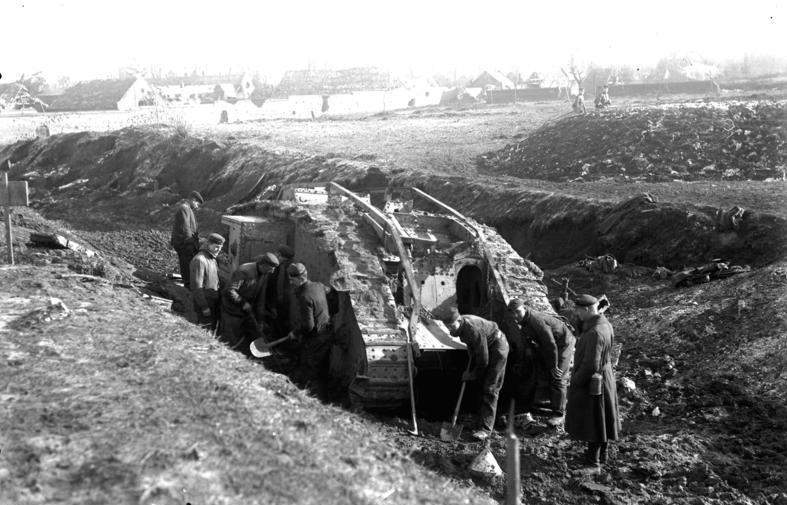
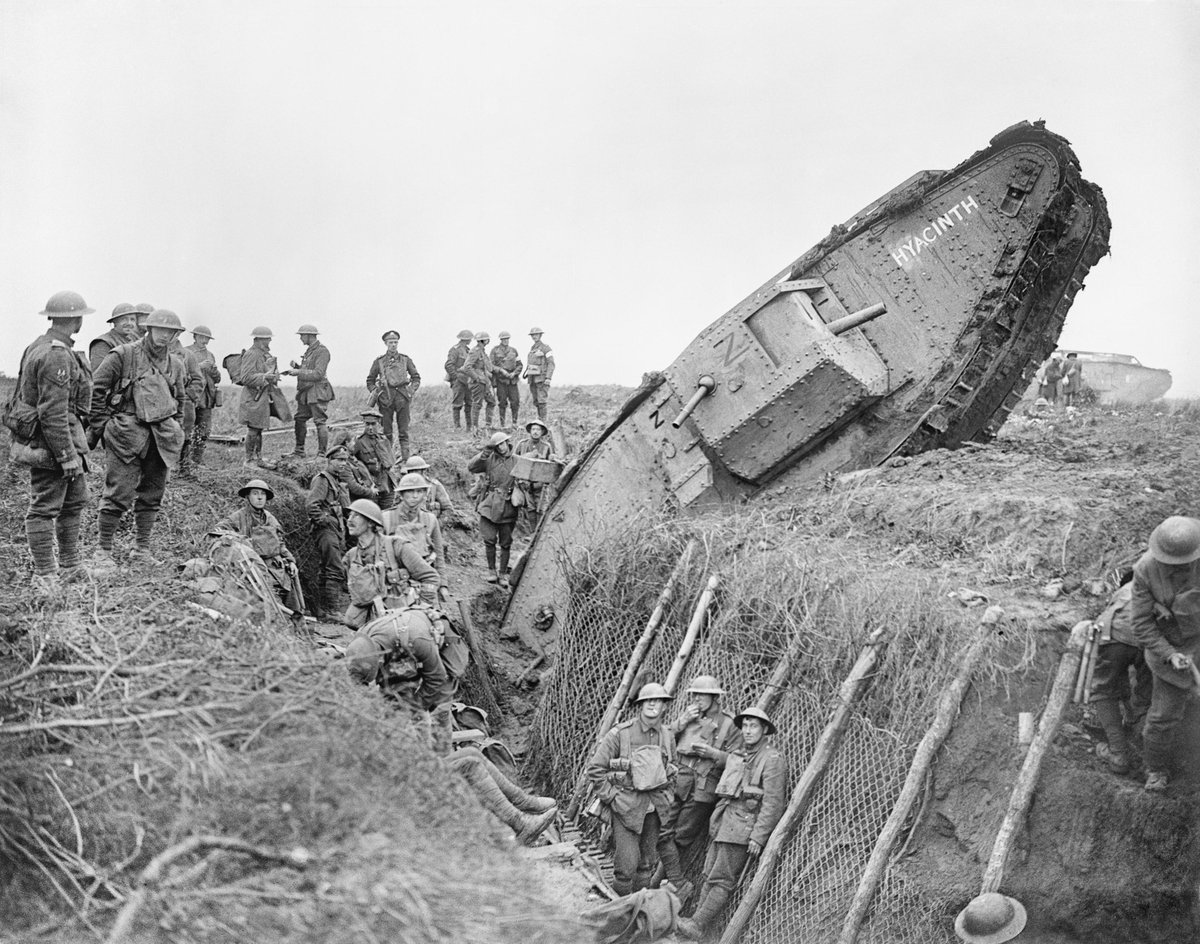
20 NOVEMBER 1917 THE BATTLE OF CAMBRAI
THE DAY BRITAIN UNLEASHED HUNDREDS OF TANKS ON THE WESTERN FRONT
On this day, 109 years ago, British forces launched an attack that would help change the future of warfare. For years, soldiers on the Western Front had endured the horrors of trench warfare. Barbed wire, machine guns, artillery and heavily fortified positions made advances enormously difficult.
But on the morning of 20th November 1917, something extraordinary happened. Hundreds of British tanks moved towards German defences near Cambrai in northern France. It was one of the first demonstrations of what a concentrated armoured attack might achieve. The tank had first appeared in combat during the Battle of the Somme, at Flers-Courcelette, on 15th September 1916. Those early machines were mechanically unreliable, slow and difficult to operate. Many broke down before reaching their objectives.
Nevertheless, British commanders recognised their potential. A tank might cross trenches, crush barbed-wire obstacles and provide mobile protection for advancing infantry. At Cambrai, rather than deploying tanks in relatively small groups, the British planned a major coordinated assault. Around 476 tanks were assembled for the operation, including machines assigned to fighting, supply and other supporting roles.
Not all were fighting tanks, and not every machine participated in the opening assault. Under General Sir Julian Byng, the British Third Army attacked German positions around Cambrai. Instead of relying on days of preliminary bombardment that would warn defenders of the impending assault, British artillery used predicted fire to achieve surprise. Tanks moved forward alongside infantry, supported by artillery and aircraft. Some machines carried specially prepared bundles of brushwood, known as fascines, which could be dropped into trenches to help tanks cross.
The initial results were impressive.
British forces broke through substantial sections of the German defensive system and advanced several miles in some areas. For soldiers accustomed to attacks measured in yards, the speed of the advance was remarkable. Bells were rung in Britain as news of the early success spread.... the story didn't end there.
On 30th November, the Germans launched a powerful counteroffensive, using tactics that included concentrated artillery fire and specially trained assault infantry. The British lost much of the ground they had gained. When the battle ended in early December, neither side had secured a decisive strategic victory...Both suffered heavy casualties.
The fighting demonstrated the possibilities of modern combined-arms warfare, but also the difficulties of exploiting a breakthrough and holding captured territory. The technology had advanced. The battlefield remained brutally unforgiving.
The men operating the tanks endured terrifying conditions. Early tanks were noisy, hot, cramped and filled with fumes. Visibility was extremely limited, communication was difficult and mechanical failures were common. Crews faced enemy shells and machine-gun fire, as well as the danger of becoming trapped in damaged or burning vehicles. And outside the tanks, infantrymen still faced the enormous risks of advancing across a battlefield. The Battle of Cambrai was not a clean technological solution to the First World War. It was another costly battle in a devastating conflict.
Its lessons contributed to the development of armoured warfare.
Today we remember the courage and sacrifice of all those who fought and died.
🕯️ #WeWillRememberThem #LestWeForget