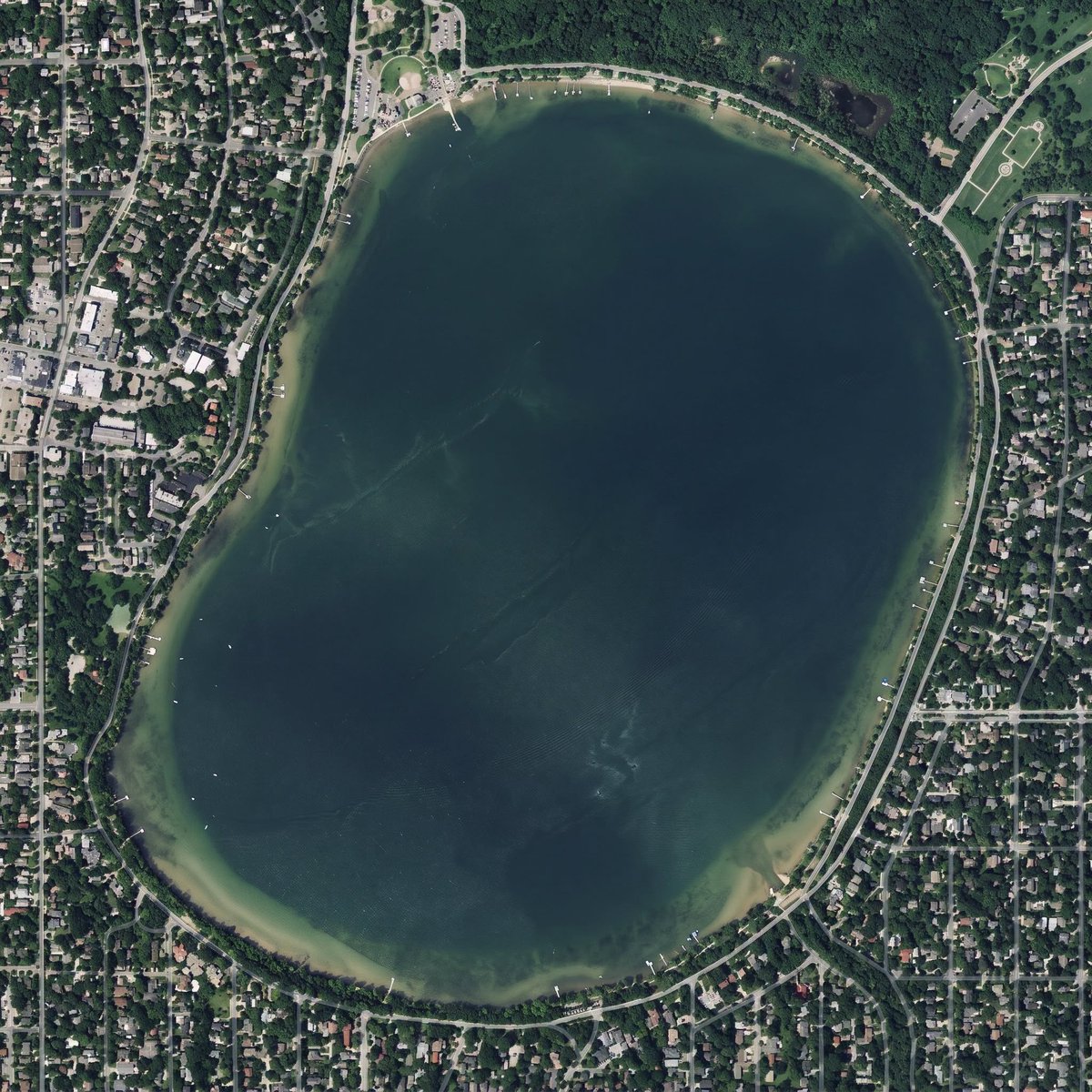
The LakeBrowser provides satellite derived lake water quality data for over 10,000 Minnesota lakes since 2002. Check out our recent update: monthly 2017-2025!
The Arctic is warming at a rate up to four times faster than the planet as a whole and has lost a third of its sea ice volume in just two decades: https://t.co/I7YnTcqbvX
There is a no time to wait. #ActOnClimate#climate#energy#renewables#GreenNewDeal
The Northwest Angle is the strangest corner of Minnesota, and probably of the whole country. A chunk of the state sits north of the 49th parallel, cut off from the rest by Canadian territory and the waters of Lake of the Woods. It is the only place in the contiguous United States that lies north of that line, and it makes the map look like it has a hiccup.
The cause goes back to the Treaty of Paris in 1783. Negotiators relied on the Mitchell Map, which misplaced the source of the Mississippi River and drew Lake of the Woods as roughly oval. Surveyors spent decades trying to find the lake's northwestern most point. Johann Tiarks located it in 1825, and the Webster Ashburton Treaty of 1842 confirmed the boundary. The final line left a piece of American land stranded on the far side of the water.
The Angle covers about 596 square miles, but only about 123 of them are land. The rest, roughly 79 percent, is water. It is mostly forest, islands, and some of the best walleye fishing in the Midwest. The 2020 census counted about 150 residents. Much of the land belongs to the Red Lake Indian Reservation, and the area has one post office and a historic one room school, the last public one in Minnesota.
Getting there is half the adventure. A driver heads north from Warroad or Roseau, crosses into Manitoba, and follows about 60 miles of road through Canada. The final stretch is remote gravel. At the border, there is no officer. A visitor checks in at an unstaffed kiosk with a video phone. Boaters can cross the lake in the summer, and an ice road opens in winter.
The place has a flair for drama. In 1997, some residents grew frustrated with fishing rules and joked about leaving the United States for Canada. The episode became known as the Great Walleye War. It ended peacefully, and the regulations were coordinated better. Students on the islands sometimes ride a boat to meet their school bus, which sounds like a made up story and is not.
That is what makes the Angle so special. It is a surveyor's mistake that turned into a hometown. A treaty written more than two centuries ago still shapes a fishing trip, a school day, and a drive to the post office. Minnesota can proudly say it has the only spot in the lower 48 states that sticks out past the line.
The climate crisis is outrunning us.
Meanwhile, fossil fuel interests keep making a killing - while killing our planet.
But we cannot surrender.
In fact, we must fight harder.
We are in the fight for our lives & for our children’s future.
And we must win.
#COP31
Lake Harriet: Minneapolis’s Postcard Lake.
Lake Harriet is the postcard version of Minneapolis. It sits about 335 acres wide and drops as deep as 85 feet, right in the middle of a major city. Walkers, sailors, bikers, and picnickers all share the shoreline, and everyone seems to agree it is the best place to be on a summer evening.
The name goes back to 1819. Harriet Lovejoy arrived at Fort Snelling with her husband, Colonel Henry Leavenworth, and the lake later took her name. Long before that, the Dakota people called it Bdé Umáŋ. In 1885, Colonel William S. King donated the surrounding land to the Minneapolis park board. That gift helped shape the lake into a public treasure.
The bandshell is the heart of the shoreline. A pavilion has stood on the northwest corner since 1888, and the story is wild. The first one burned in 1891, and the second burned in 1903. The third collapsed in a windstorm in July 1925. Minneapolis kept rebuilding anyway.
The next one was supposed to be temporary. The bandstand built in 1927 hosted concerts for 58 years. Minnesotans know that move well. If it works, it stays. The current bandshell opened in 1986, and a recent renovation brought back its original blue color.
The walk around the lake is a classic. The bike path runs about three miles, with a pedestrian trail beside it. Along the northeast side, the Thomas Sadler Roberts Bird Sanctuary gives the city a quiet corner for birdwatchers. The lake links to Bde Maka Ska and the rest of the Chain of Lakes, so a single walk can turn into an afternoon.
That is why locals love it. A family spreads a blanket near the water, music floats from the bandshell, and the sailboats lean into the breeze. The skyline is not far away, yet it feels like a small town. A visitor from another state asks if this is really the city. A Minnesotan nods and says yes.
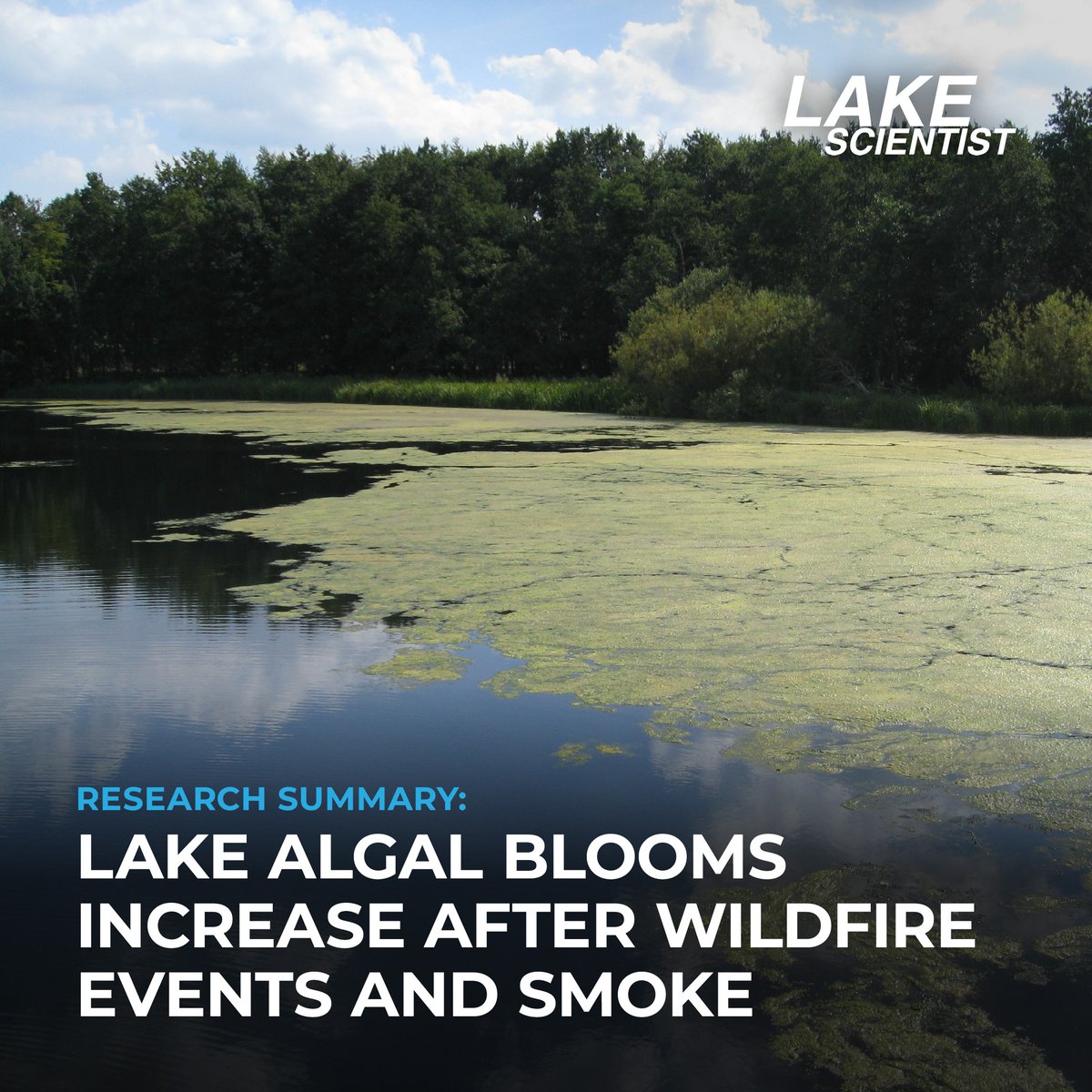
Can wildfire smoke fuel algal blooms—even miles from the flames? 🔥🌫️🌊
A 2026 study of 2,196 U.S. lakes found that chlorophyll-a levels rose during smoke events, with increases lasting for weeks afterward.
View the research summary 👉https://t.co/IFuMglVUoJ
Did you know? ...that Today, at the global climate talks, (COP 31 in Antalya, Türkiye,) scientists have warned that the Earth is heating faster than expected, intensifying extreme weather.
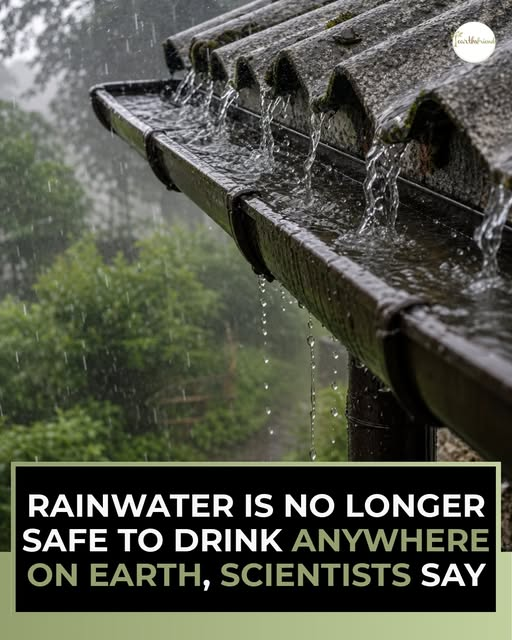
Scientists at Stockholm University tested rainwater across the planet and found PFASforever chemicals that never break down
Even in Antarctica
Even on the Tibetan Plateau. One of them PFOA showed up in rain at levels above US EPA drinking water advisories everywhere they looked
A single gas leak in Pennsylvania vented more than 1.4B cubic ft of methane into the atmosphere. That’s as much climate pollution as 261 coal plants! There’s nothing “clean” about “#naturalgas"
We have so many solutions. Implement them. #ActOnClimate#climate#renewables
SpaceX no longer needs NASA, and that’s a problem for America’s space agency
“NASA desperately needs SpaceX, and SpaceX knows it, and Elon knows it.”
https://t.co/d6lQd2gPzJ
Trump boosted half of US coal plants with taxpayer dollars and ‘free passes to pollute’, report says
Environmental Defense Fund analysis shows administration handed out $950m and Clean Air Act exemptions
https://t.co/SwW3tvbckm
Smoke from LA fires exposed millions of people to high levels of toxic heavy metals, study says
During the 2025 Los Angeles fires, approximately 7 million residents were exposed to airborne lead exceeded 80 times the normal background level...
https://t.co/N1tOTxsGIb