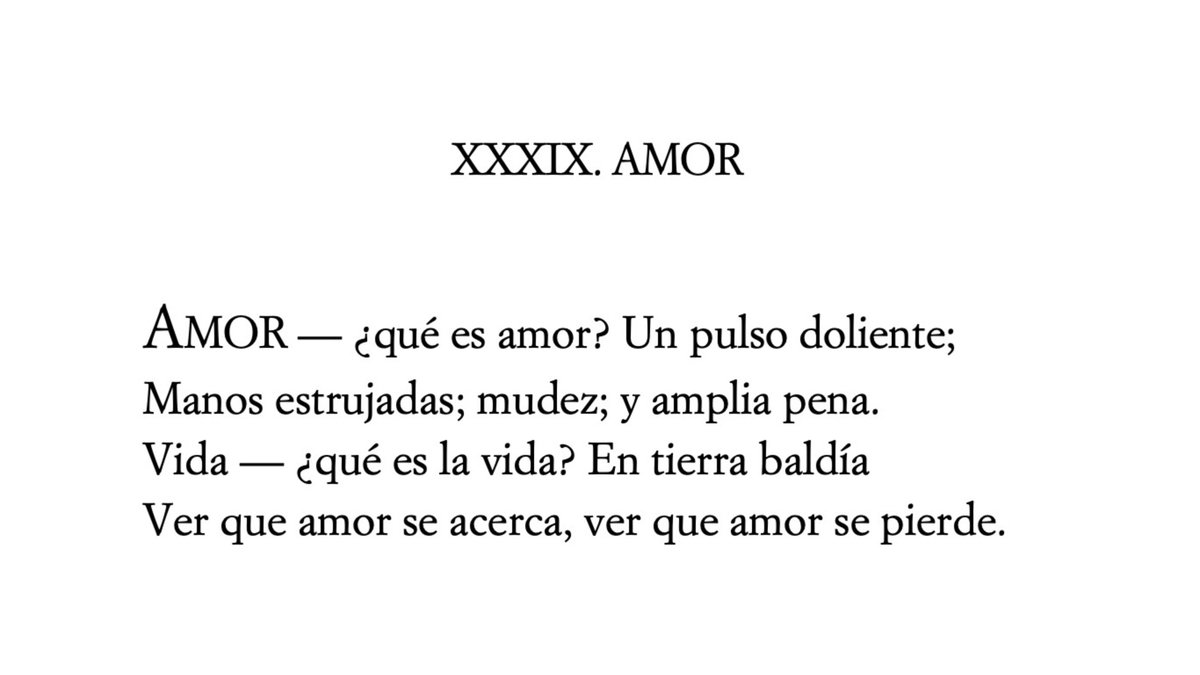
Recordando las palabras de Proust en En busca del tiempo perdido donde afirma que lo peligroso y creador de sufrimiento amoroso no es la persona amada en sí misma sino su presencia en nuestra cotidianeidad –el hábito–, me pregunto: ¿Es el hábito al Amor lo que el tiempo al Ser?
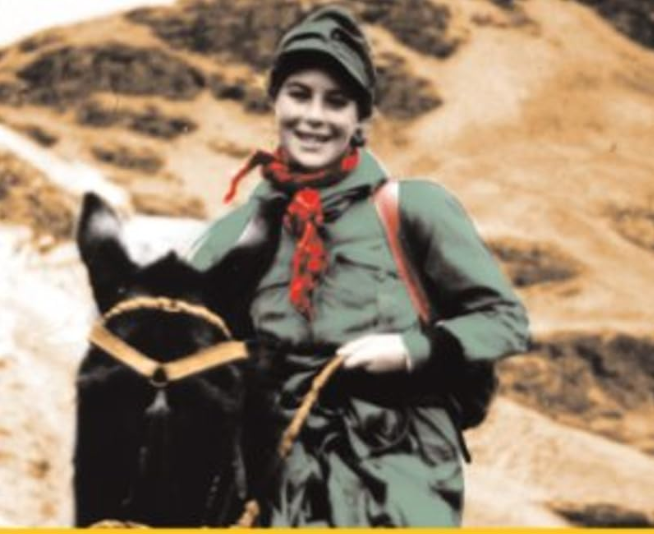
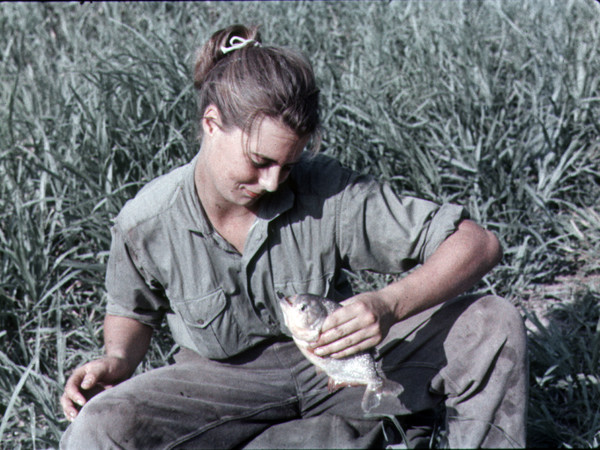
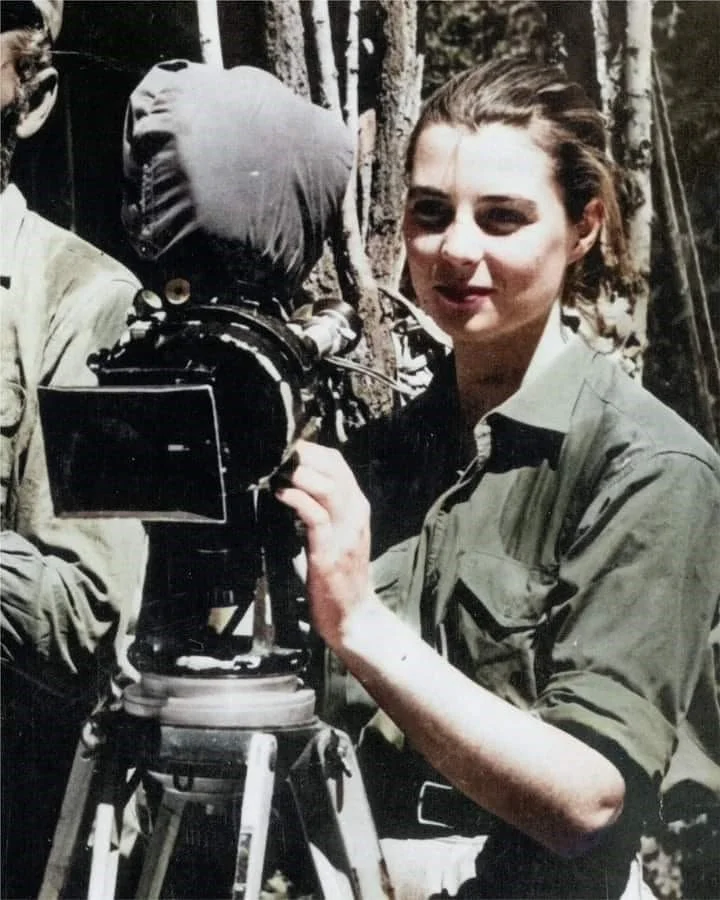
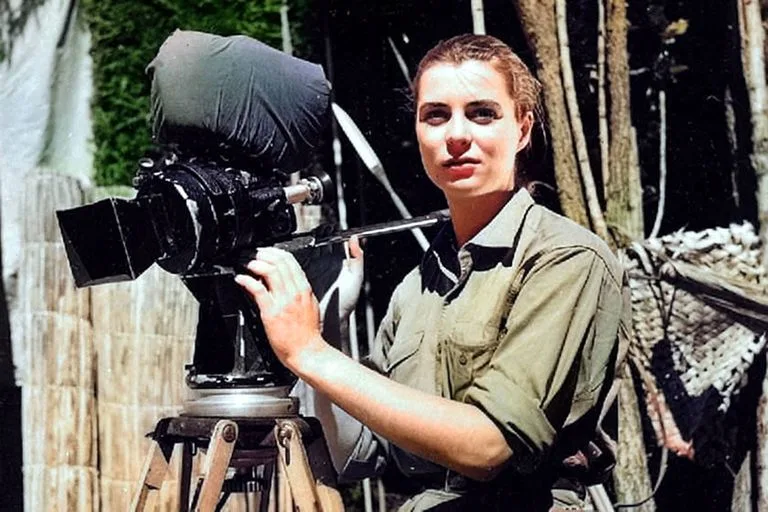
Today is the birthday of Monika Ertl.
Known as “the woman who avenged Che Guevara,” Monika Ertl was the daughter of Hans Ertl, one of Nazi Germany’s leading propaganda filmmakers. After the Second World War, she fled to Bolivia with her family, like many nazi fugitives. Her father continued to associate there with figures such as Klaus Barbie, the Nazi war criminal known as the “Butcher of Lyon.”
However, Monika turned her back on everything that environment represented. In the late 1960s, affected by poverty and injustice in Bolivia, she broke away from the fascist world around her father and became radicalized. After Che Guevara was killed in Bolivia, she joined the National Liberation Army (ELN) that he had founded. Her codename was now “Imilla,” meaning “Little Girl” in an Indigenous language.
The event that made Monika Ertl known worldwide took place on April 1, 1971: the killing of Roberto Quintanilla, Bolivia’s consul in Hamburg and a former intelligence official considered one of those chiefly responsible for Che Guevara’s death. Quintanilla was one of the men who posed beside Che Guevara’s lifeless body and gave the order for his hands to be cut off.
Monika entered the consulate building in Hamburg disguised as an elegant woman. When she came face to face with Quintanilla, she drew her weapon and shot him three times. In the note she left at the scene were the words: “Hasta la victoria o muerte.” This act echoed worldwide as “Che’s revenge.”
After the assassination, Monika returned to Bolivia and continued underground activities. One of her biggest targets was to kidnap Nazi war criminal Klaus Barbie, an old friend of her father who at that time was advising the Bolivian dictatorship.
However, on May 12, 1973, she was ambushed by Bolivian security forces. She was killed in a clash in the streets of La Paz. Her grave was kept secret and her body was never handed over to her family.
Monika Ertl became one of the most extreme examples of devotion to a cause by rejecting her origins and privileged life. As both a German and a Bolivian revolutionary, she became one of the symbols of the anti-fascist bridge between Europe and Latin America.
Un poema que Idea Vilariño escribió en un pétalo de lirio:
«Así te quiero yo/ Así te espero/ si es que te espero// Pero tu grito/ algún día/ como un trueno terrible en el cielo»
Que la burguesía española tenga en Marruecos un amplio campo de inversión e intereses no anulan las tensiones existentes entre España y Marruecos. Colectivos en defensa de migrantes son los primeros en denunciar cómo Rabat utiliza el flujo migratorio como arma política.
Mientras tanto la extrema derecha usa estos acontecimientos en España para azuzar aún más el odio al migrante y la violencia entre proletarios invirtiendo así la relación real: oscureciendo las disputas interburguesas a través del odio al pobre que es convertido en “invasor”.
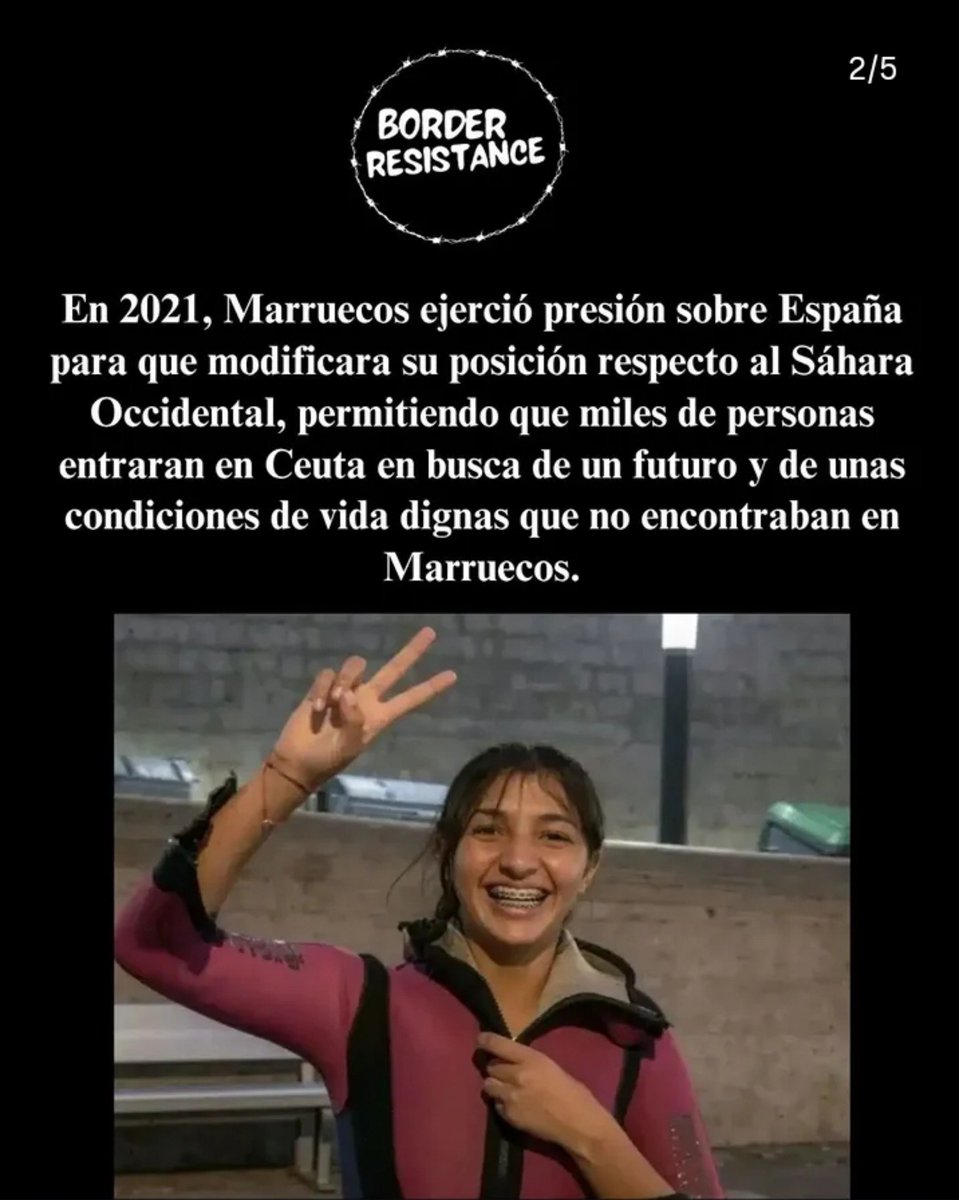
Compartimos el comunicado de los compañeros de Border Resistance (bord.eresistance en IG) sobre los sucesos ocurridos hoy en Ceuta.
Lo que subyace es el uso por parte de la burguesía marroquí de las masas migrantes desesperadas como arma política contra el gobierno de España.
This might be the best use of AI I've ever seen. If we're doomed to be unoriginal from here on out, I'll take 1920s silent-era/German expressionist tributes over Grok's hyperreal, soft-porn/Instagram-face look any day.
Libro excepcional que conserva intactas la miradas críticas y las imágenes satíricas del siglo XV. Michel Foucault le dedicó unas páginas inolvidables en su Historia de la locura en la época clásica. Gran noticia editorial esta reedición.
Lenin decía que la represión de las huelgas mostraba la transformación de una lucha económica en política; rompe la ilusión del Estado por encima de las clases y lo desvela como maquinaria de la clase burguesa en el poder. La brutalidad policial es ejecución de ese poder.
no quiero ser negativo (porque a mí el poema me gusta mucho) pero estoy BASTANTE seguro de que el poema va de otra cosa (y que de hecho funciona porque es evidente que se trata de una pésima explicación del viaje de Odiseo)