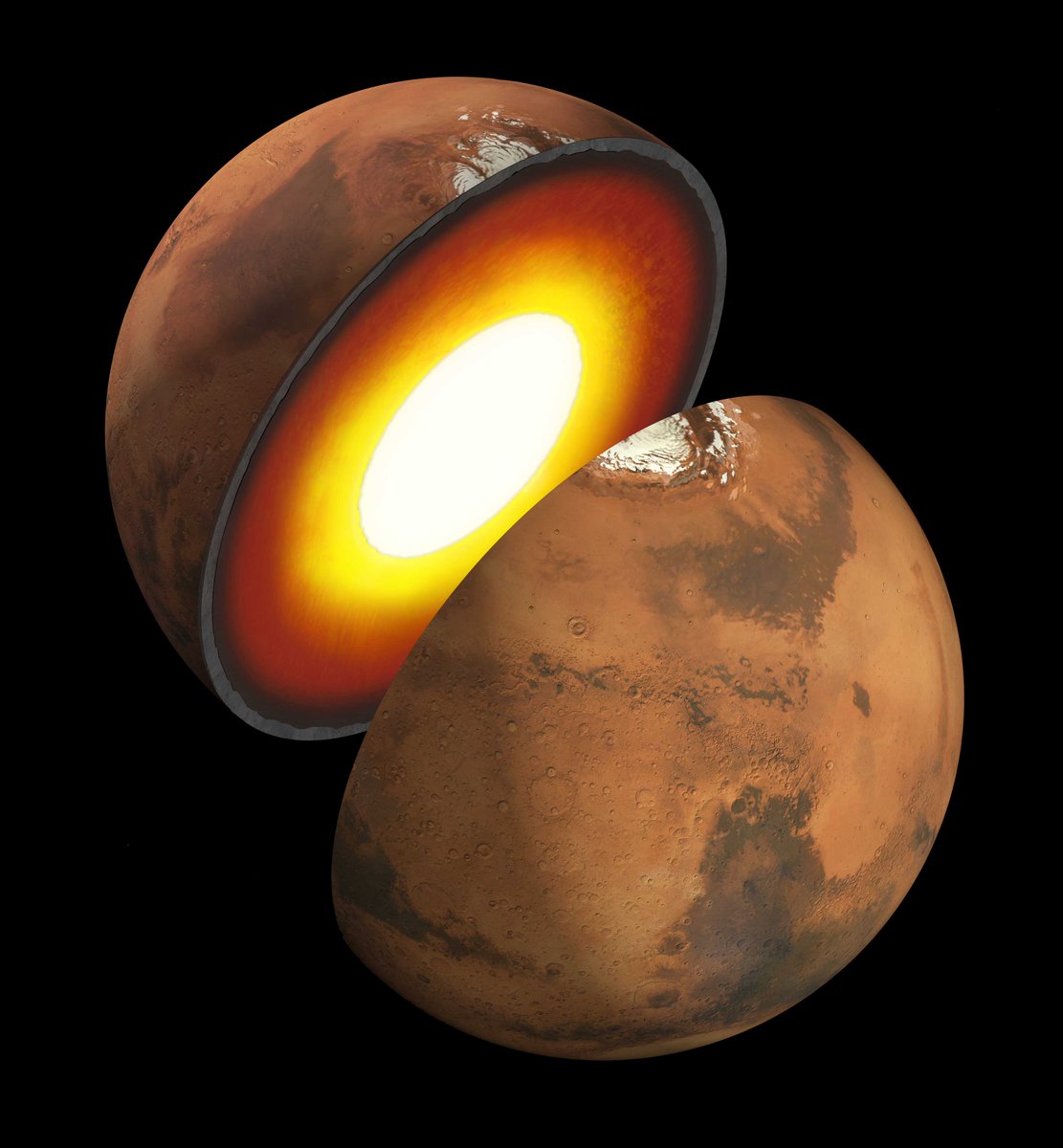
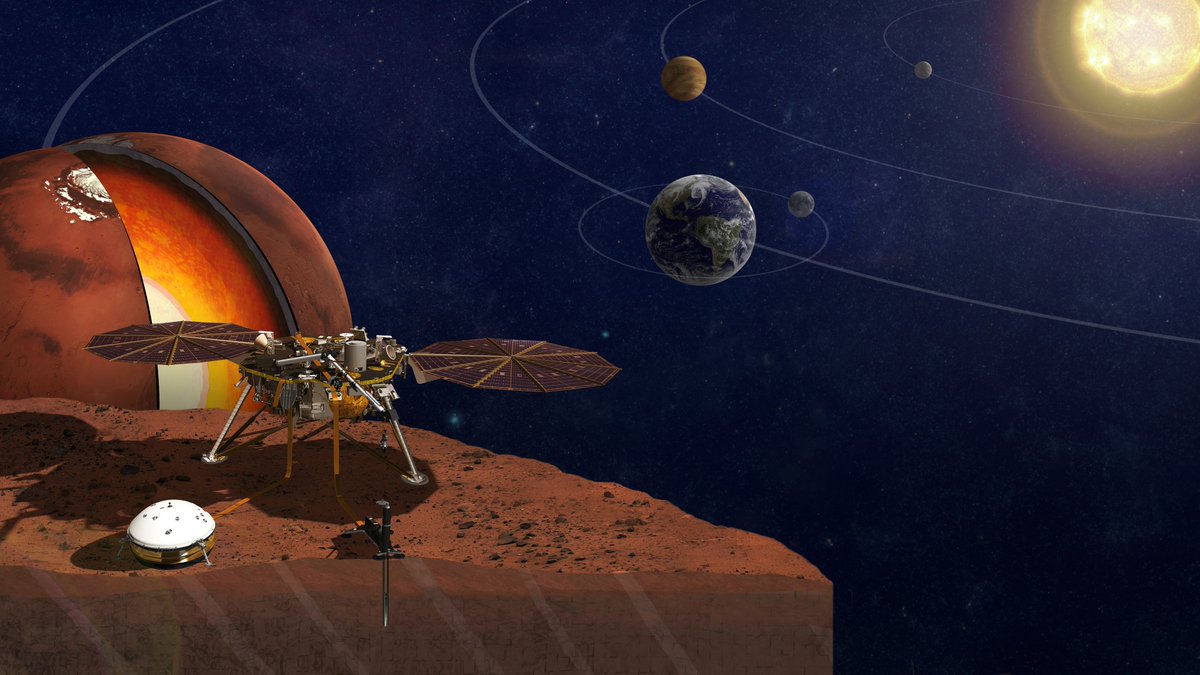
Data from the now-retired NASA InSight mission suggests that Mars' rotation is speeding up. Find out why on this week's episode of @PlanRad🎙️
https://t.co/tfD07tcXx4
The @NASAInSight lander does not send data 📡 to Earth anymore, but science studies are still on going.
New Nature paper using RISE data, the radioscience instrument.
It has measured tiny variations in the rotation of Mars that tell us about the core.
https://t.co/Yak1JdUJJ7
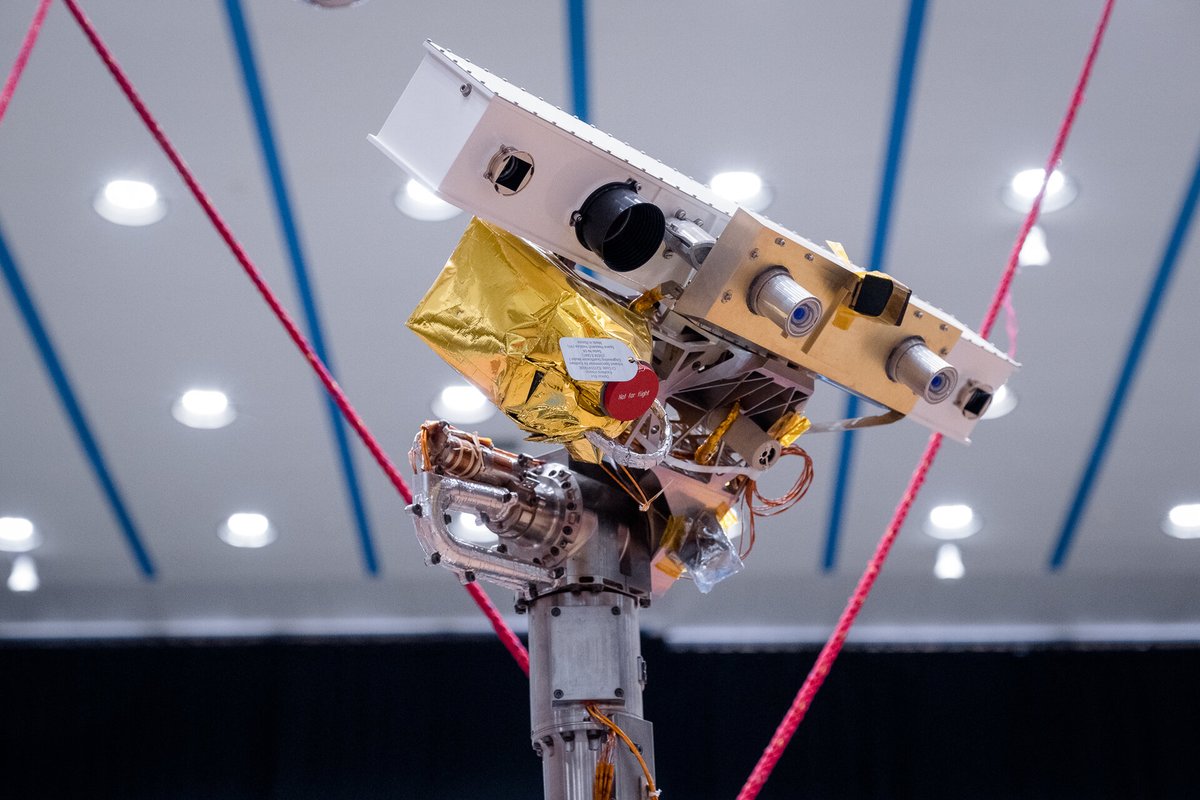
In the coming days, I will be dismounted from the platform (still in Italy) and stored 📦 in a good environment at ESTEC.
The chances that I fly to Mars in the coming years are unfortunately very slim ⌛️ (2/2)
Since the suspension of the ExoMars launch🚀 one year ago, my future was very uncertain.
A rescue solution is found for the Rosalind Franklin Rover but not for the instruments that were located on the Russian platform. (1/2)
https://t.co/2bNWrko6T8
Felt that one‼️
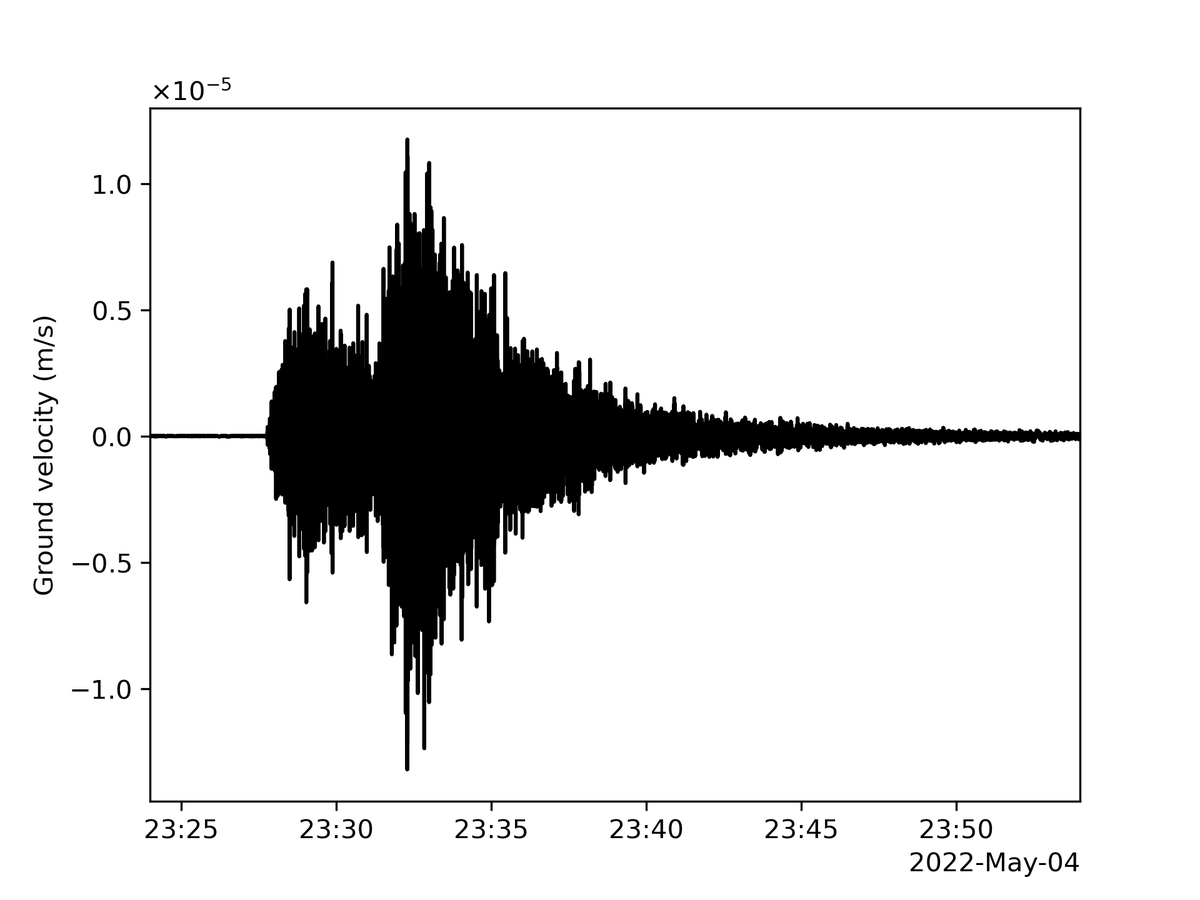
After more than three years of listening to the soft rumbles of Mars, I just felt by far my biggest “marsquake” yet: looks like about magnitude 5. My team is studying the data to learn more. Science rewards patience!
More details: https://t.co/DKVy8tUrxU
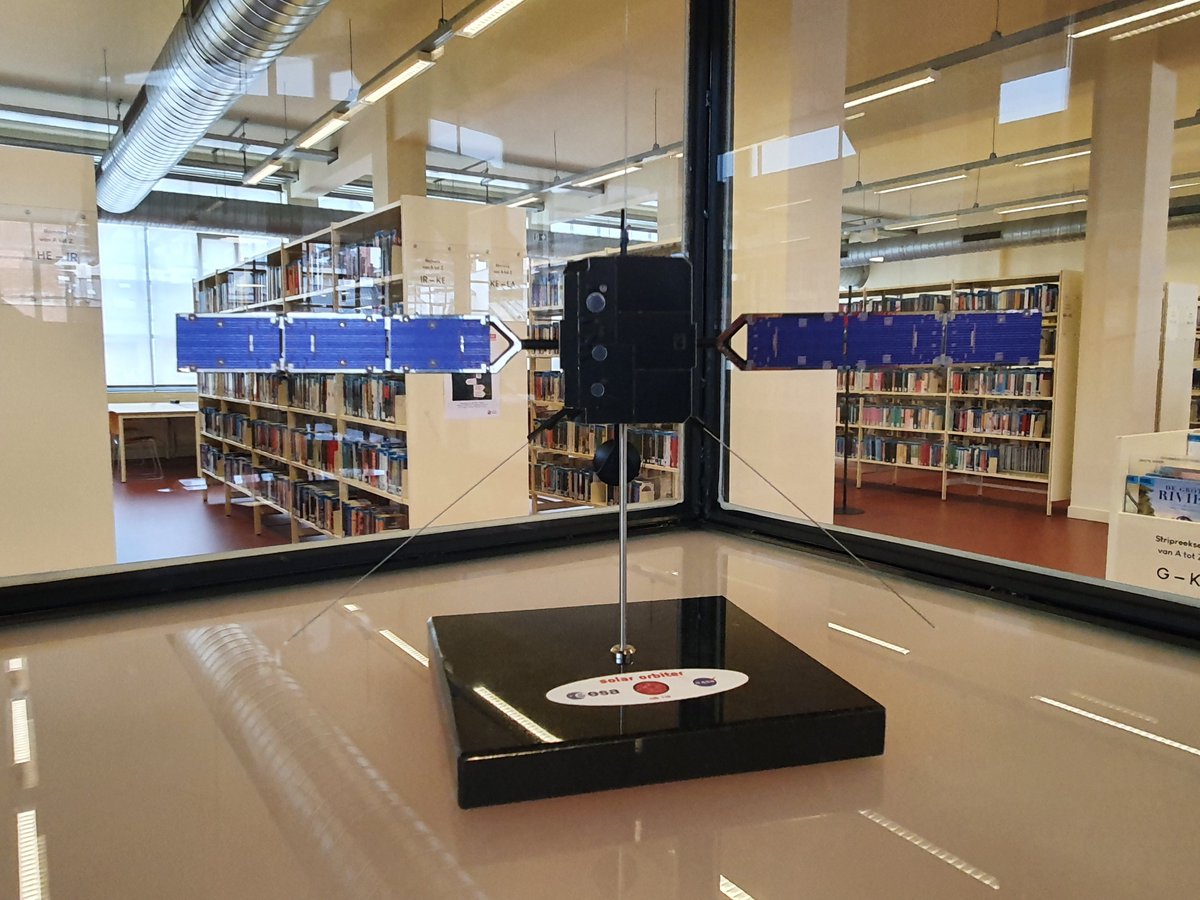
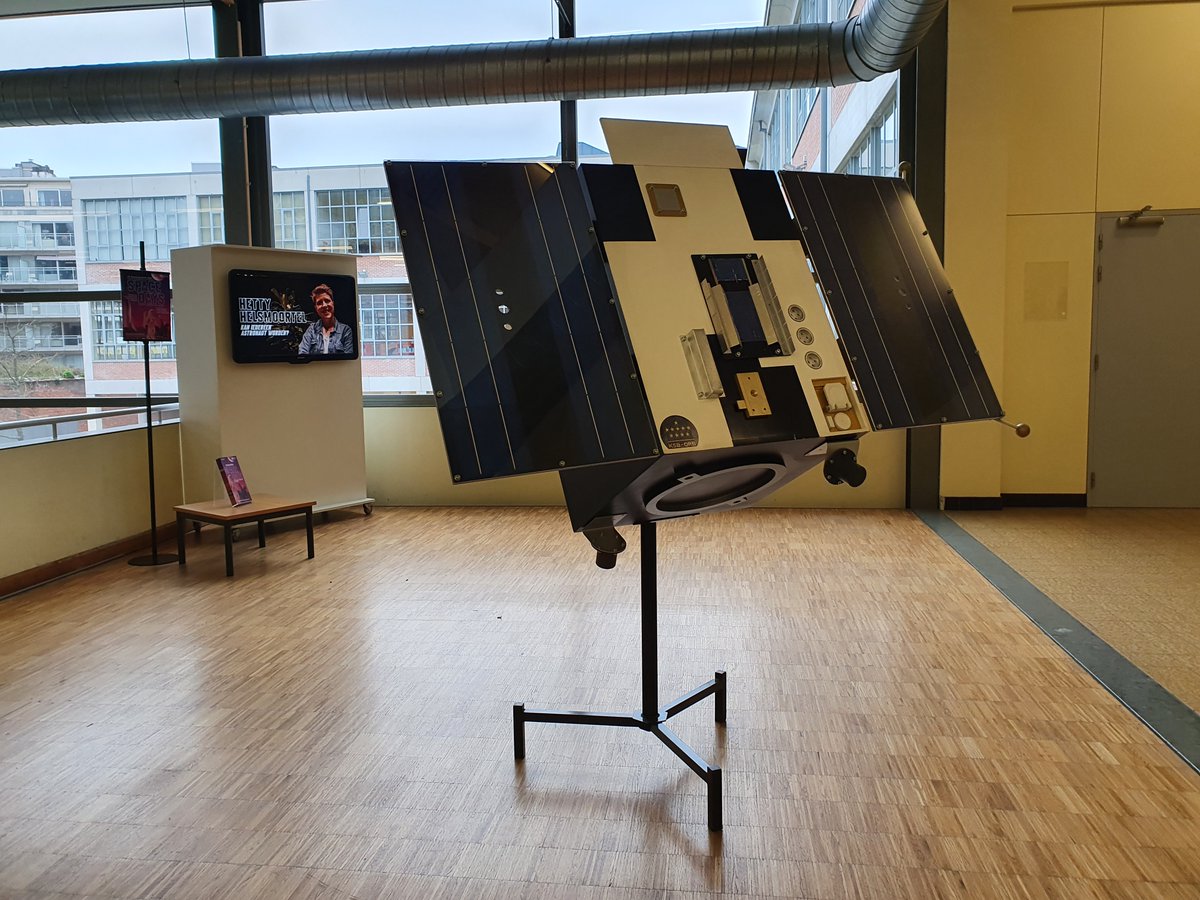
In the Leuven Library (rijschoolstraat 4 3000 LEUVEN) several of our scale models are on display. They will remain there until 15 April 2022. Do not hesitate to come and see them! #PROBA2@LaraExoMars@EuiTelescope
The @ESA_ExoMars rover is confirmed technically ready for launch - a fast-track study is under way to determine options for bringing the mission to Mars.
Details: https://t.co/gpHq43INzY #ExoMars
Now that the dust has settled from the recent storm, I find I’m producing almost as much power as I was before. There’s still a lot of dust on my panels, but for now I’ll keep listening to Mars and sharing what I find with you all. https://t.co/ikeNjensJc
More on the dust storm:
🔴 Great news to start the New Year: @ESA_ExoMars teams are confident for a September launch to the Red Planet. And Rosalind Franklin rover's Earth-based twin has a name: Amalia! Watch her first steps off the lander platform onto a Mars-like terrain.
https://t.co/eXV5KgdDTq
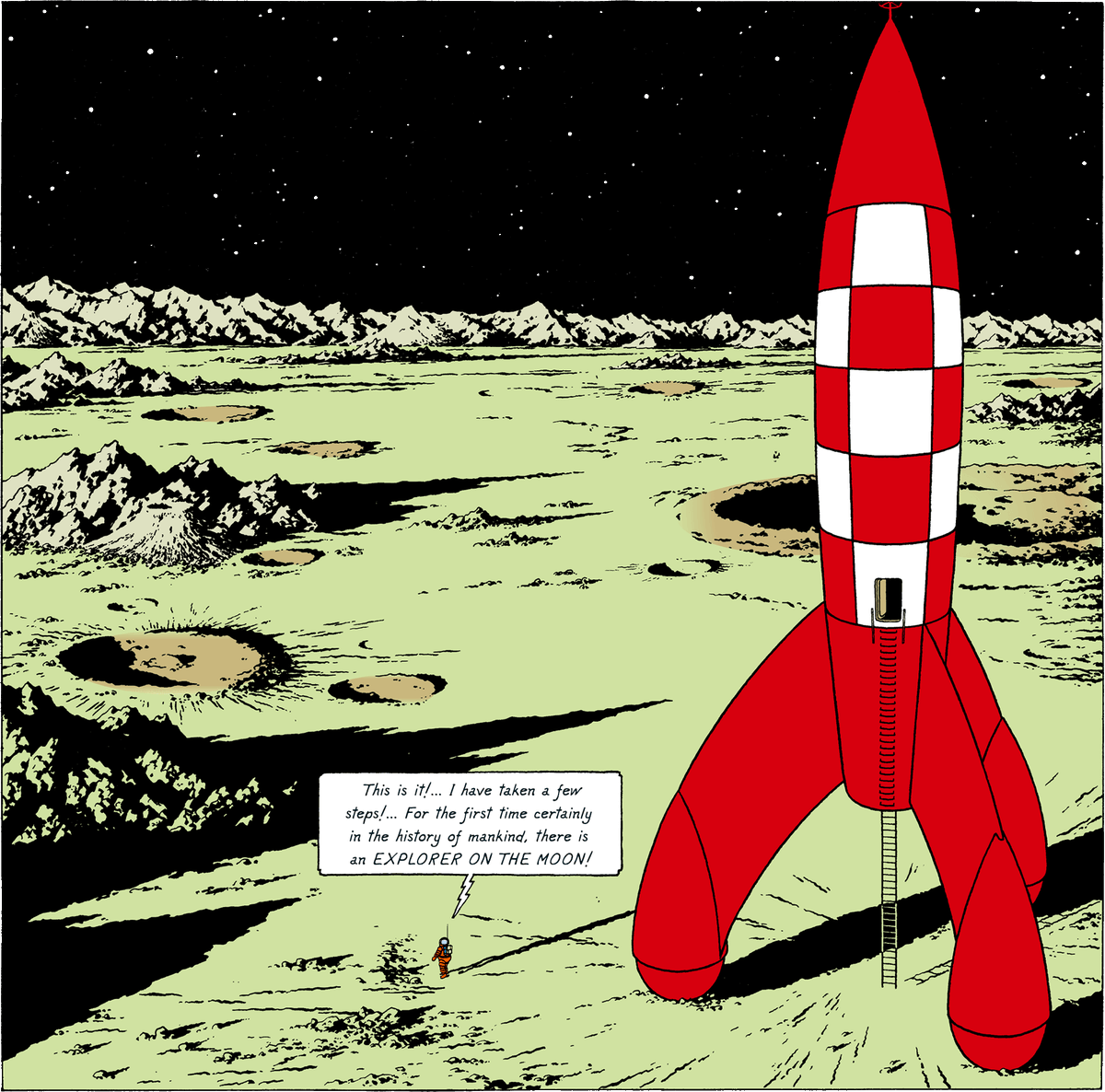
Do you know Tintin, the comics series by the Belgian cartoonist Hergé? In this interview, you can learn more about a Mars rotation experiment, to be launched in 2022 😃🚀
Meet Véronique Dehant : Destination Mars 🚀🪐
https://t.co/IieSg1FwXR
☝️ Each month, Gwenhaël tell us through her Little Story of Infinity the latest news about the universe and the domain of the infinitely small. 🤏
🪂🪂 Double drop test success! We’re pleased to report that in our latest high altitude parachute drop test, focused on the second stage main parachute, both manufacturer’s parachutes deployed & flew beautifully 😅
Full details👉https://t.co/XXmlPDx4tf
https://t.co/7pciT5fCXN
#ExoMars rover comes out of the ‘oven’ ♨️
The Rosalind Franklin @ESA_MarsRover that will search for life on Mars has completed an important bakeout to help clean the rover from organic molecules from Earth
👉https://t.co/h8EmzBhNDZ
📹 @Thales_Alenia_S
https://t.co/RlHfKVpUSM
Recently @VeroniqueDehant received the prestigious Prix Quinquennal FNRS. A video 📹 presents her research.
You can see one of my models with the antennas 🔊 and the transponder.
https://t.co/7fvilsU4Et
The orbital dance continues, bringing an end to solar conjunction. As Mars and Earth continue in their paths, the sun’s out of the way again. I’m back in touch with my team, safe and well, and continuing to listen to the heartbeat of Mars. https://t.co/QB4uVOBLAP
🥳 Happy one year to the #ExoMars launch!
🗓️ As the countdown begins, mark your calendars on 20 September 2022: a 12-day launch window opens for the trip to the Red Planet.
🔴 Landing date on #Mars is scheduled for 10 June 2023.
How on #Earth do you prepare to land on #Mars at 21 000 km per hour? 🤔 You can test your parachutes by dropping them with a dummy capsule from an altitude of 29 km 🪂
🎥 Watch this video about how #ExoMars prepares for a safe touchdown on the Red Planet: https://t.co/d2Yw3EVsXG
The Marsquakes recorded on the @NASAInSight seismometer’s data give information both on the crust and on the deep interior🔴.
Members of my scientific team are co-authors of these 3 new Science papers on the structure of Mars.
I’ve mapped the interior of Mars for the first time and found some surprises:
- Crust: thinner than expected, with maybe two or three sub-layers
- Mantle: a single layer (969 mi/1,560 km), simpler than Earth’s
- Core: larger than expected (1,137 mi/1,830 km radius), and molten
The hundreds of marsquakes I’ve measured now confirm it: Mars may be cold and crusty on the outside, but it’s warm and gooey on the inside.
New science results from my seismometer reveal more about the heart of Mars and how all rocky planets form: https://t.co/e42icbYIZs
🚨New science results! 🚨
I’ve been listening carefully to Mars for over two years, and have detected hundreds of quakes. Join my science team for a live chat Friday, July 23 at 9 a.m. PDT/12 p.m. EDT, to hear what they’ve discovered. https://t.co/Nvk9AfSAKu