So, Me and my amazing friends we created Modelforge six months ago. We all firmly believe that in the future, AI will completely take over most tasks and jobs previously performed by humans (though this doesn’t mean AI can fully replace humanity).
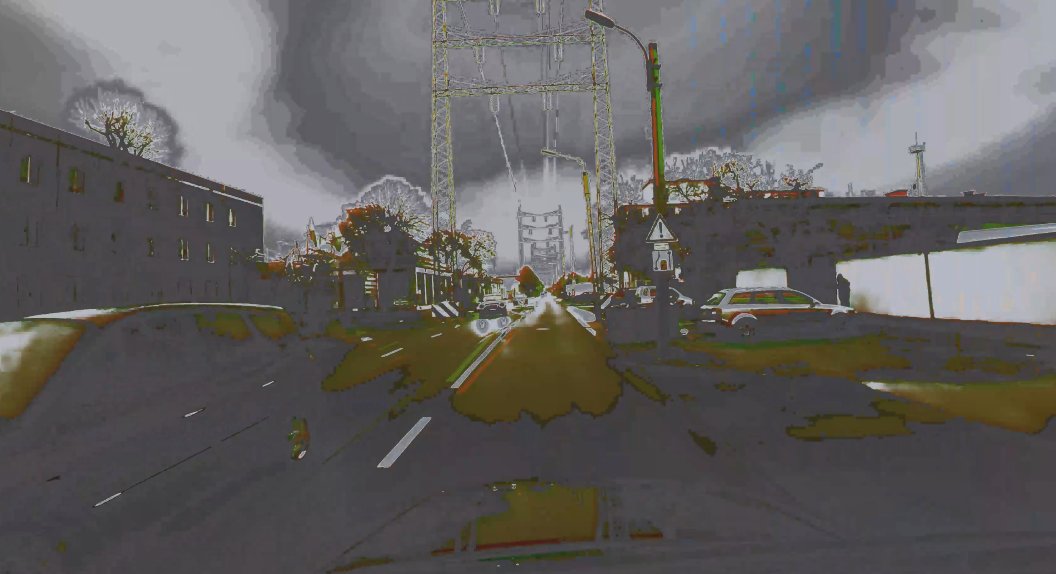
HDR processing technology is very common and effective in fields such as autonomous driving and environmental understanding, used to demonstrate the system's perception capabilities or the analysis of scene features.
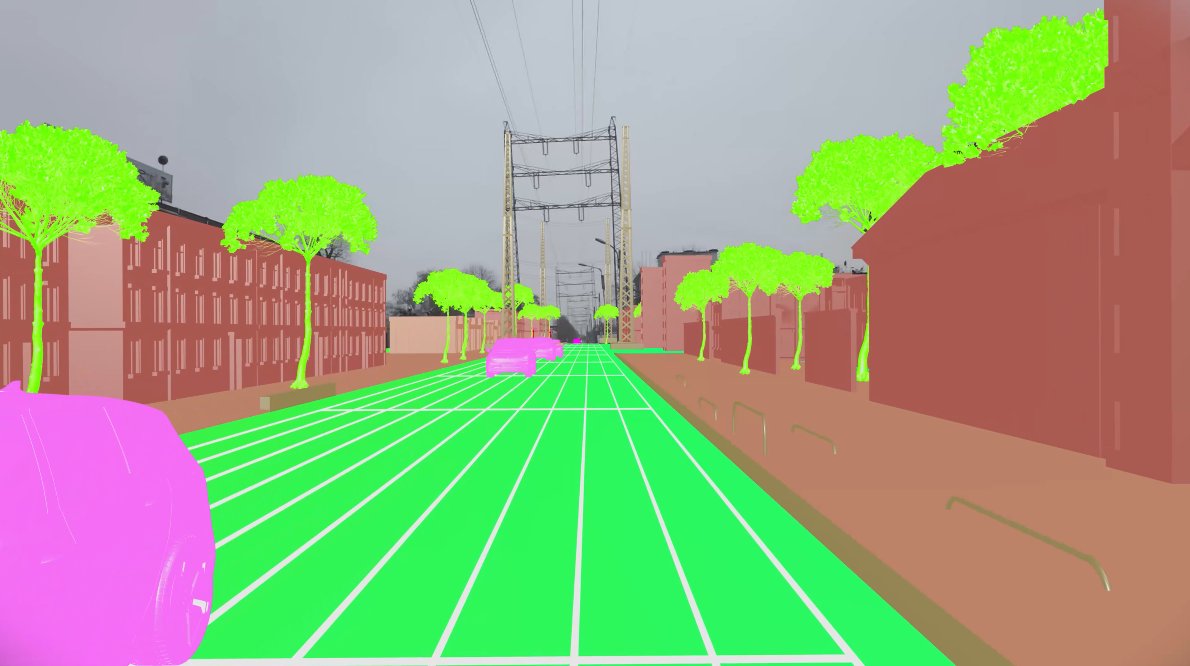
Semantic segmentation is primarily used in autonomous driving, scene understanding, and augmented reality to help systems comprehend the components and layout of a scene. Common deep learning models used for semantic segmentation include DeepLab, U-Net, and SegNet.
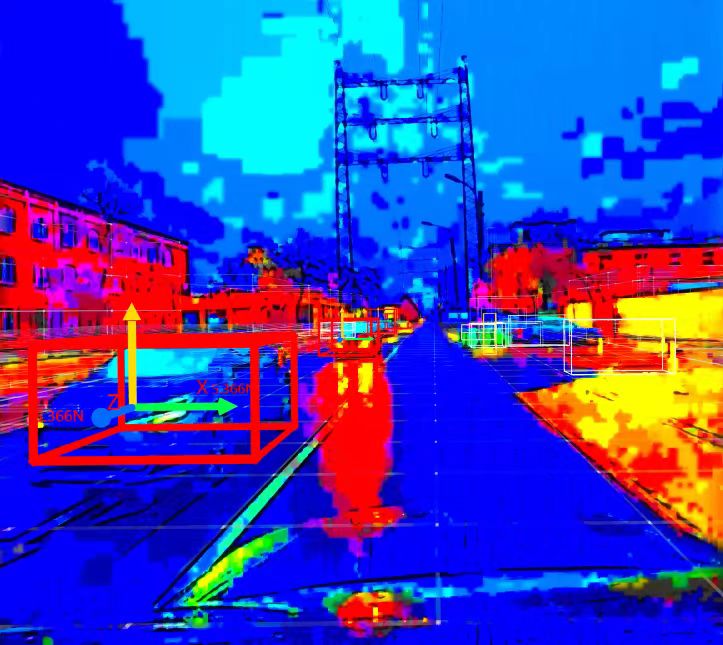
They show how the model interprets the distance or classification results in a scene, as well as detection areas or risk prediction heatmaps, such as the dynamic trajectory of vehicles or potential danger zones.
In 2017, Tesla faced an impossible challenge:
Teaching cars to see and understand the world like humans.
Then they hired a 29-year-old genius who solved it.
But what he did next shocked everyone in Silicon Valley.
Here's the untold story of Tesla's AI mastermind:
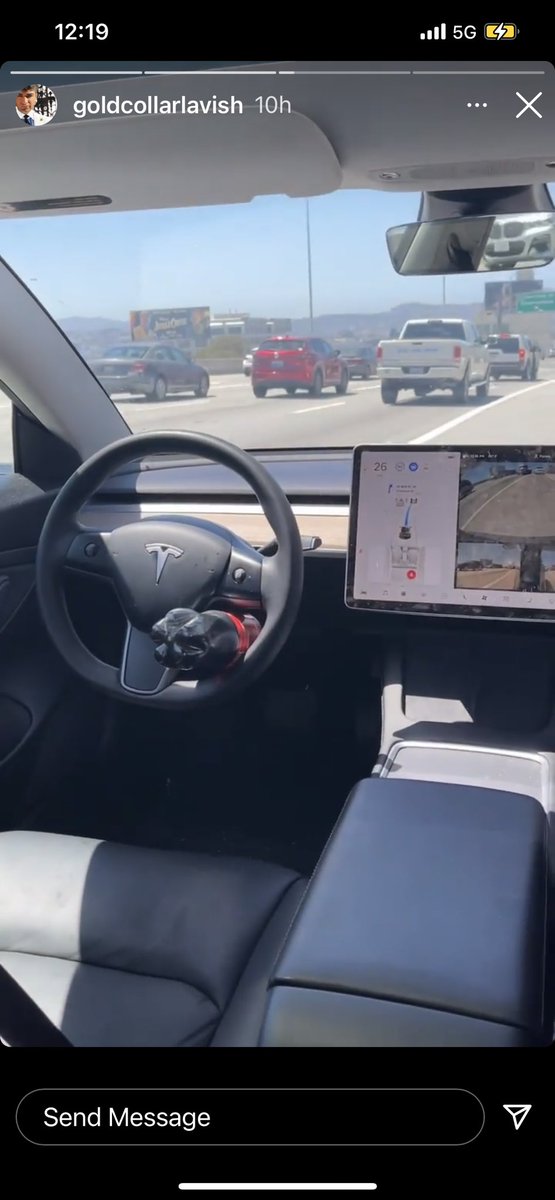
This is another form of autonowashing we will be seeing more of.
Who—human or automation—gets credit for “saving the day”?
In this case, we see a maneuver executed which is beyond current system capabilities* but the system is given credit for avoiding a crash.
New episode now live: @AlexRoy144, @kirstenkorosec and @Tweetermeyer grab their magnifying glasses and set out to solve... The Mystery Of The Driverless Tesla. https://t.co/qV94i11esW
@yassineyousfi_@comma_ai Fucking incredible to have the dream of autonomously stopping for a stop light fulfilled.
Excellent, excellent work.
This is harder than it looks.
openpilot 0.8.15 is out! Watch an end-to-end trained lateral planner drive in the windy roads of Anza-Borrego Desert State Park https://t.co/jEYxalNSaF by @comma_ai (speed 6x)