Genetically engineered bacteria make animal-free insulin. Tens of millions of lives have been saved. This is the power of biotechnology. Less waste. More efficiency. Accessible, medicine.
@WiscoGrant I met my husband at the Edgewater on January 18, 1981. Happy it was featured on CBS Sunday Morning. 44 years of marriage, 2 children, 6 grandchildren, and soon-to-be twin great-grandchildren thanks to that fateful night.
I’m not a bot.
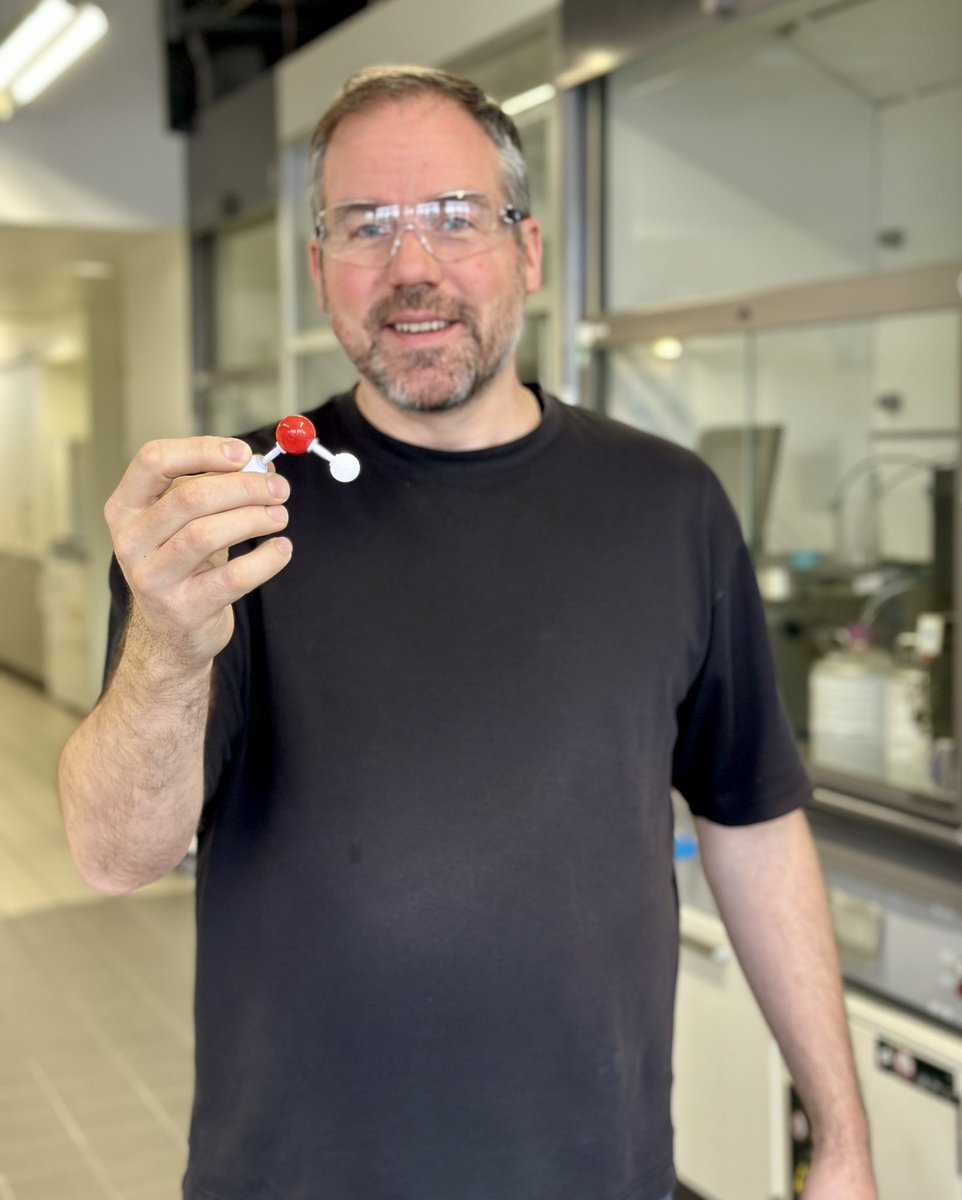
I’m a chemist.
And apparently, explaining that water is a chemical is controversial. 😂
So, for everyone new here:
I’m a real human with a PhD and over 20 years of experience in science.
I talk about chemistry, agriculture, vaccines, GMOs and the extraordinary things science has done for humanity.
My goal is simple: make people smarter, not angrier.
Science, explained clearly.
Without the fear.
If you’re human too, drop a “Hi” so I know I’m not shouting into the botnet. 👋🧪
@itstrentslife Finally had to scold my husband, “Stop opening boxes that aren’t from Amazon!” He has now opened 3 boxes of WS merch that I got him for Christmas. Lesson learned: ship it to daughter’s house instead. In my defense, I bought 3 of most things - 1 for hubs, 1 for son, 1 for daughter
Earlier today, an anti-glyphosate troll, a woman, posted a tweet citing the 2015 "hazard" finding by the International Agency for Research on Cancer (IARC) that glyphosate is a "probable carcinogen," thinking she had shut down the controversy about the world's safest weedkiller. Then she mysteriously deleted it. It needs a response...and I'm happy to do so
Her post was scientifically stupid. She quoted the International Agency for Research on Cancer as if its reports are the Holy Grail on cancer risk. Far from it. IARC is a “hazard” agency: it assesses whether something can cause cancer, not the likely danger at the levels people encounter it in the real world. Risk assessment is what agencies like Health Canda, the European Food Safety Authority and the EPA do. They are serious agenices doing serious work. Not IARC.
In 2015, in a hazard assessment, IARC labeled glyphosate a “probable carcinogen.” If you relied on its hazard labels to decide what to avoid, your life gets unlivable fast. Plan to spend a lot of time outside? IARC says sunlight causes cancer. No more Sunday brunch for you: IARC says the bacon and the alcohol in your Bloody Mary cause cancer. Want a hot dog for lunch? Same verdict. None of those is a “probable carcinogen”; IARC says they CAUSE cancer.
According to IARC—your beacon of scientific truth—processed meat, alcohol and sunlight cause cancer. Don’t even think of going out for cocktails with a friend. You’re as good as dead. Glyphosate? Not so much. Citing IARC on glyphosate is the lazy way to play scientist.
https://t.co/2y20EQkjco
The poster was a woman, so I added this: You’ve taken a birth control pill. Well, IARC says the evidence that it can cause cancer is far, far stronger than the evidence for glyphosate. It's an actual carcinogen, not a probable one. Guess it’s the rhythm method for you.
https://t.co/DovAVYODFv
If you twist the meaning of IARC’s classifications the way anti-glyphosate campaigners do, you’re more likely to get cancer than a farmworker who sprays glyphosate every day for years on end. While you’re saber-rattling, a just-released independent University of Nebraska study of glyphosate in farm country blew a wide hole in your misrepresentation of the meaning of the IARC designation. Its found no statistically significant link between the weedkiller and non-Hodgkin lymphoma.
https://t.co/pHELBYo0Kx
While IARC's findings are convenientaly misrepresented by misguided activists like you, regulators around the world have concluded that glyphosate poses no likely cancer risk when used as directed.
In 2022 ane 2023, after a multi-year review of 2,400 studies, the European Food Safety Authority and the European Chemicals Agency completed the most comprehensive review of a farm chemical in the history of the world. The evidence promoted them to reject claims that glyphosate should be classified as a carcinogen. In November 2026, ECHA reaffirmed that conclusion.
https://t.co/a7W79dHlCA
https://t.co/hUeqtnAbnb
Health Canada summed up the international consensus in 2019: “No pesticide regulatory authority in the world currently considers glyphosate to be a cancer risk to humans at the levels at which humans are currently exposed.”
https://t.co/BH12rQ7TFw
Share this post!! @geneticliteracy@jonentine@drlizamd, @camjenglish@acshorg
Here's the takeway. Health Canada’s conclusion rejecting activist and tort lawyer claims that glyphosate poses mortal danger to humans is 100% backed by more than 20 assessments from regulatory and scientific bodies around the world: glyphosate poses no cancer risk of concern when used as directed.
Micro-traces in our food? No cancer risk has been identified at those exposure levels. None.
Here is the list of agency findings with links to the actual studies. Don't just blindly cite and misrepresent IARC. If you want to weigh in, cite the actual risk science.
https://t.co/PBYIplF498