Head of Partnerships and Engagement for Health & Social Care @HICLancaster @LancasterUni @LancasterUniFHM Mum of 3, wife of 1, plate spinner extraordinaire
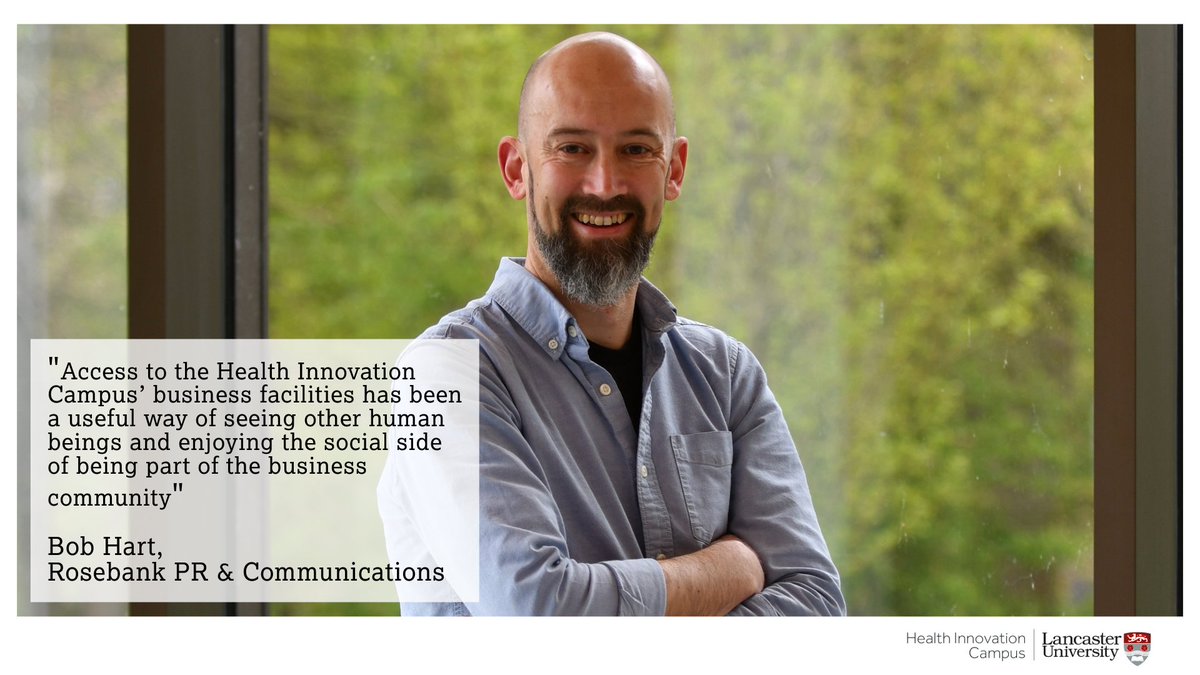
We’re back with our latest Partner Portrait🎨! Bob Hart of @Rosebank_PR offers a vignette of his role as an independent consultant, working with the NHS, public sector bodies, charities, and private businesses. View the full portrait here: https://t.co/5b2tjKzeri
A rare opportunity has arisen to take up a suite of offices in Lancaster University's flagship Health Innovation One building.
Get in touch today to discuss further by emailing [email protected]. (1/3)
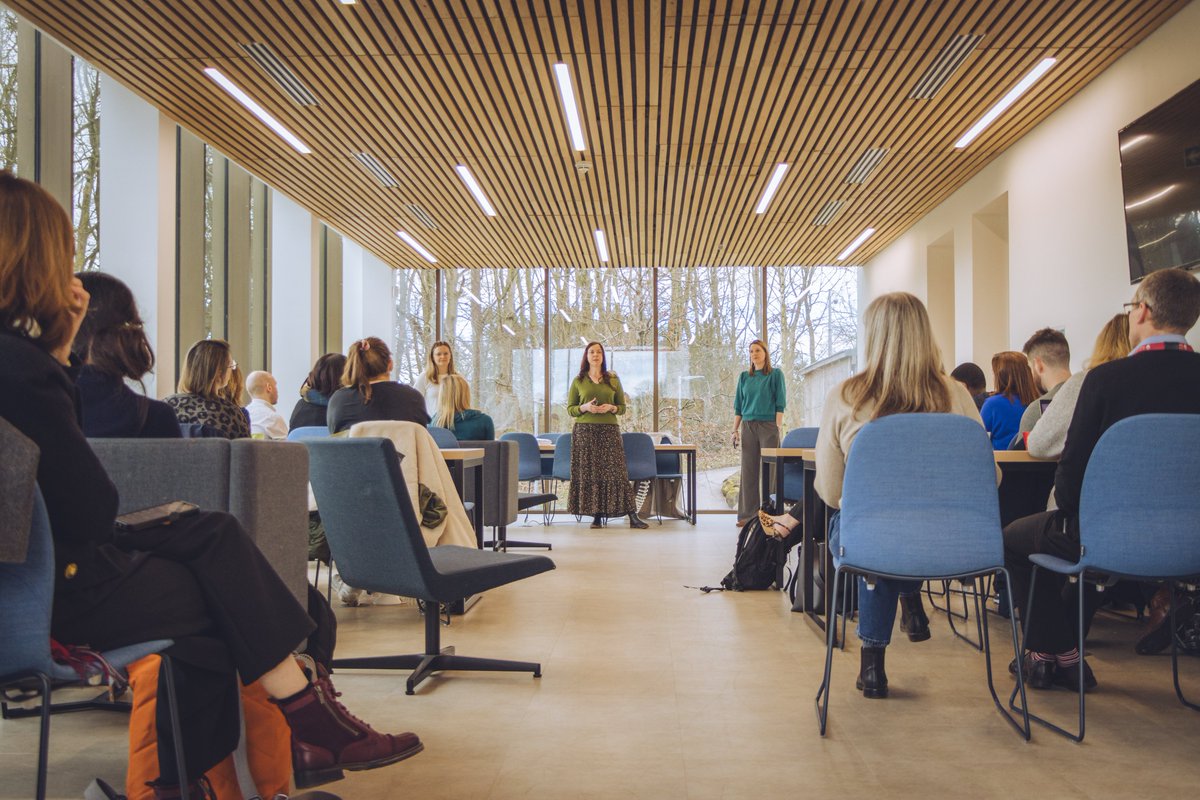
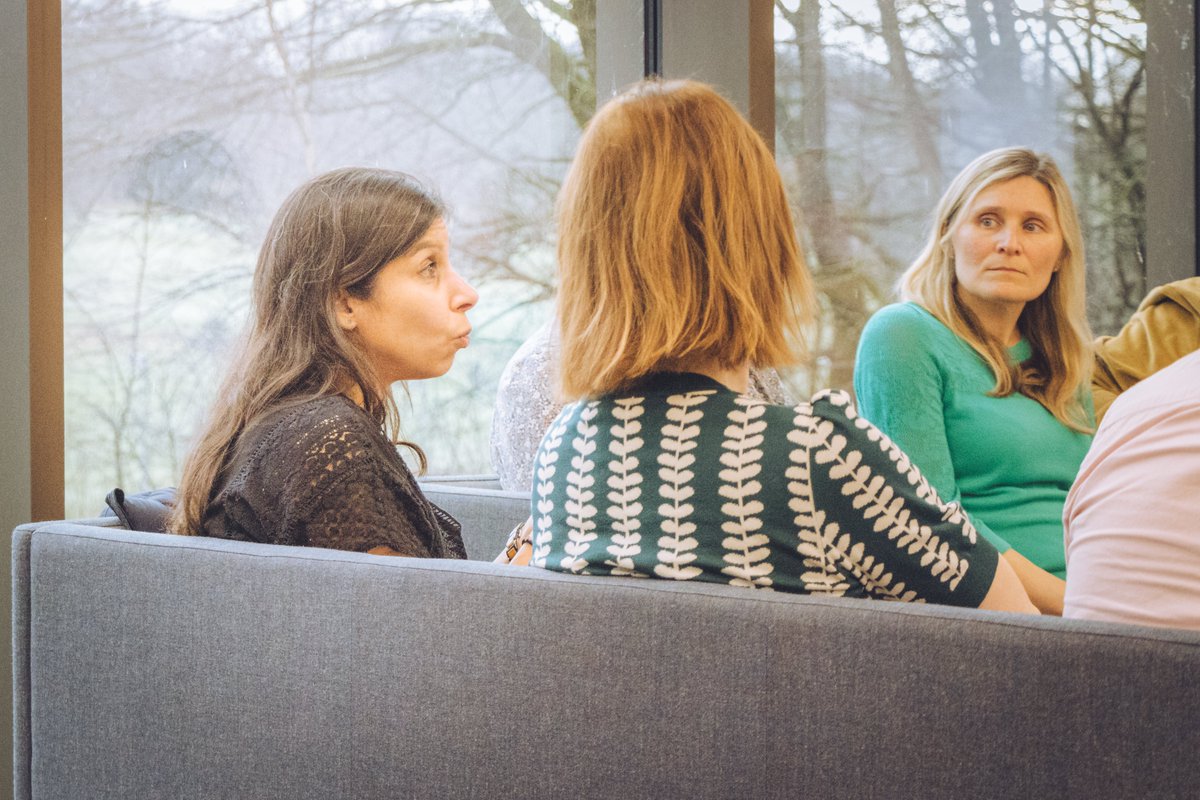
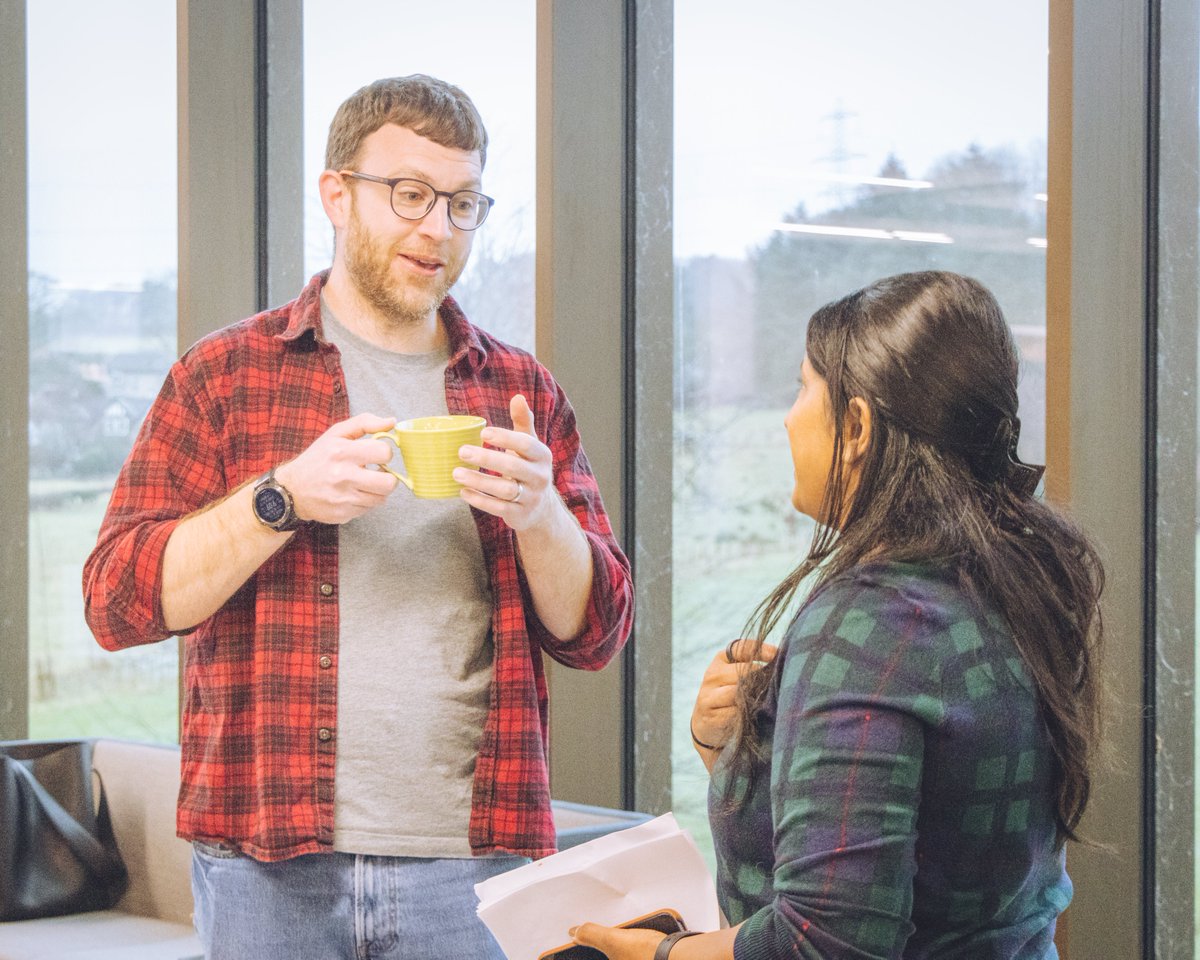
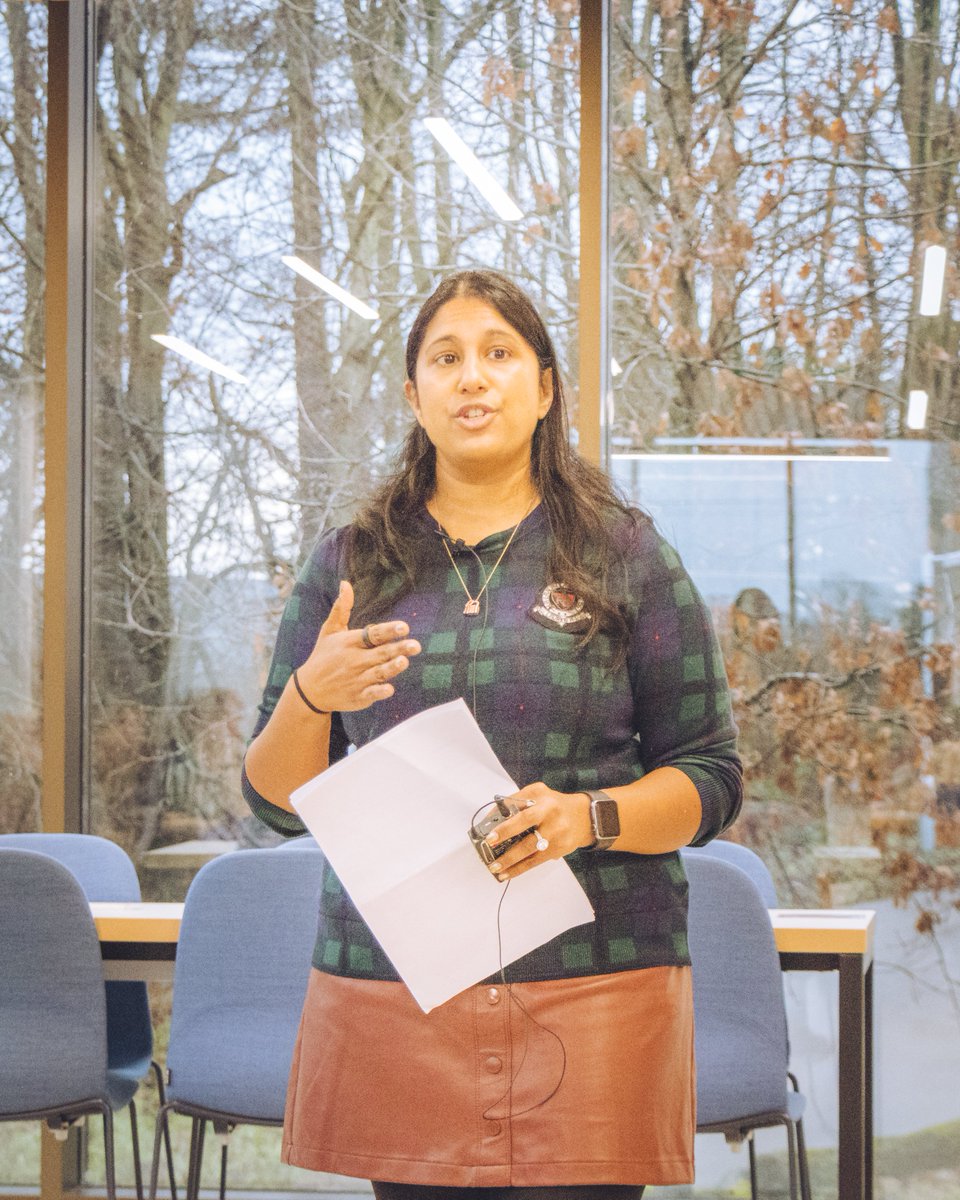
Packed with partnership opportunities, today’s Collaboration Cafe saw @DrLisaAshmore, Prof Louise Connell @researchphysio, and research fellow Dr Suzanne Ackerley reveal how critical skillsets within the Healthcare Professions Network can augment health and care projects (1/4)
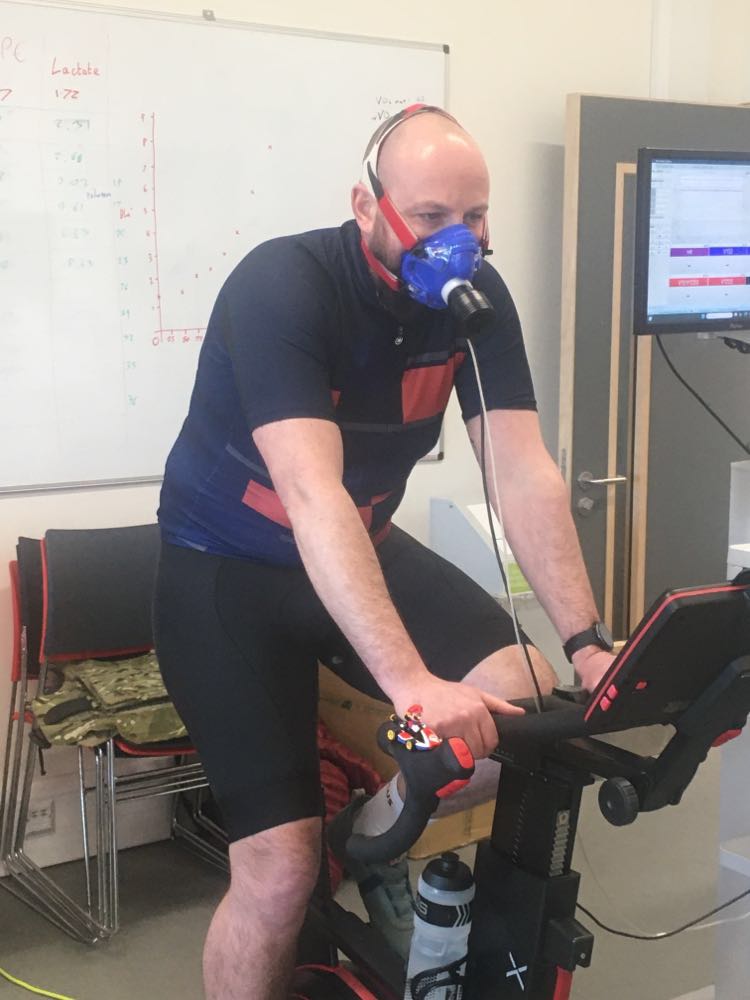
Why ask someone to do something you wouldn’t do yourself? A key strength of our Health Partnerships Team is getting stuck into any task. Our work on partnerships and research collaborations often leads to public participatory projects (1/4)
@LancasterUniFHM has fully funded PhD opportunities available for Oct 2025. They include a stipend at UKRI rates, tuition fees and bench fee. @BLSLancasterUni@LancsDHR@LancasterMedSch List of competition-funded projects available below. https://t.co/H0wWI2R2VW
Professor @NancyPreston16@IOELC@LancasterUniFHM travelled to Westminster this week to give evidence to the parliamentary committee considering the assisted dying bill 👇
https://t.co/Ox83LVXF9k
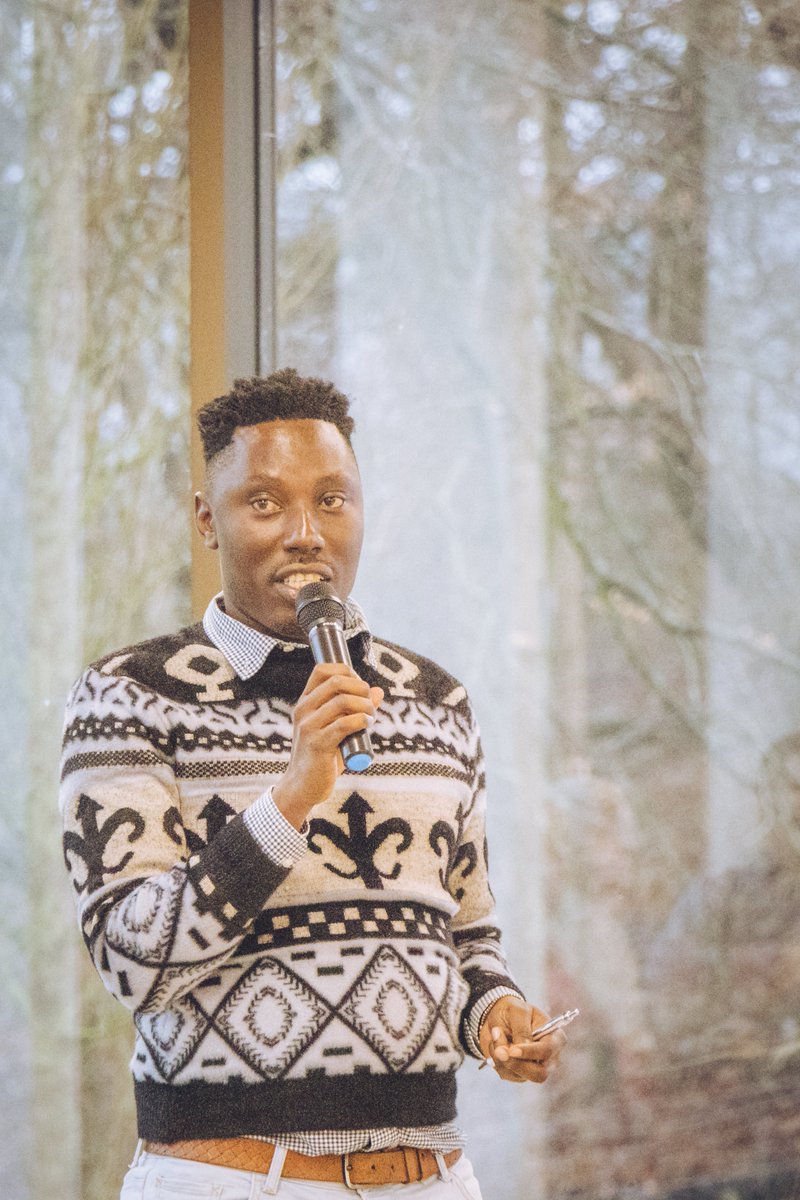
This morning’s Collaboration Cafe was a special one – a double diagnosis of community-organised health initiatives, both in the local sphere and internationally. We kicked off with Kenya-based @action_activate, where @OmolloRogers discussed support for HIV and disabilities (1/5)
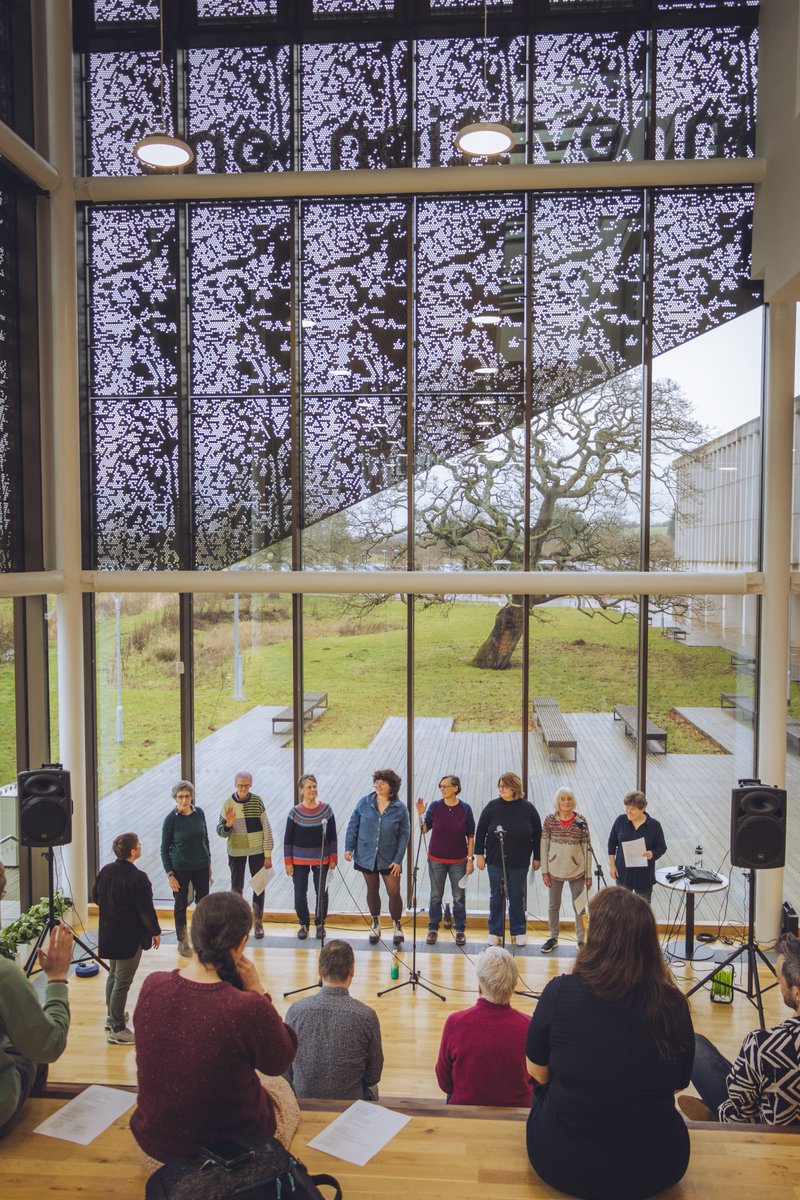
As part of our extended Collaboration Cafe, we welcomed Breath of Fresh Air 'singing for lung health' choir to grace our Spanish Steps with their uplifting sound. This is a top-notch project sustained at The Gregson Centre through research-centred collaboration.
Professor Catherine Walshe @cewalshe from @IOELC@LancsDHR with @alisonleary1 and @Ben_Bowers__ highlights ‘missed opportunity’ to influence work of the Palliative and End-of-Life Care Commission
https://t.co/fKVCnHyY2J
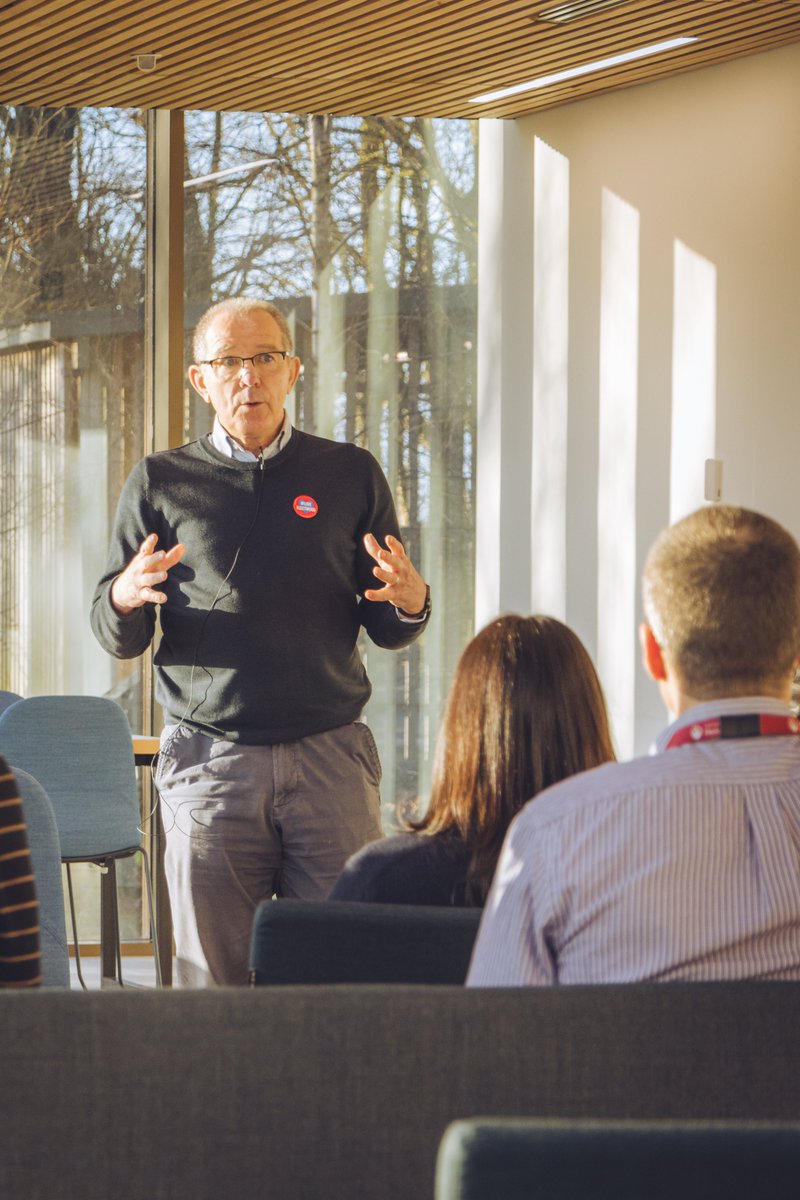
‘When we are together, our health improves’. Today’s Collaboration Cafe welcomed local GP Dr Mark Spencer @markspen9999 to discuss the ‘Healthier Fleetwood’ project – a radical approach which actively listens to the 30,000 residents of an improving town (1/4)
Lancaster University @LancasterCHICAS is supporting World Neglected Tropical Disease Day which aims to increase awareness of a group of twenty-one different conditions that can cause significant disfigurement and disability
https://t.co/j6g845hajg
The second session (10-10:45) is with @LancsDHR's Dr Rachael Eastham, and Charles Tyrer from @gregsoncentre, on embedding health research into the community. Through the morning, there will be a plethora of health-based activities – including a choir on the Spanish Steps! (5/5)
Next week we’re holding a special extended Cafe. The first session (9-9:45) welcomes @OmolloRogers from Kenya-based @action_activate, a youth-led organization working with young people living with HIV and disabilities. Come by to find out about international collaboration! (4/5)
Alongside 12 million perimenopausal and menopausal women in the UK, Milli emphasised how hormonal changes impact menstrual cycles, pregnancy, and the post-natal period – clearly strong evidence is needed to understand hormonal changes in a nuanced and individualised manner (3/5)
Time, research, funding, and education are the four pillars needed to uphold a more robust understanding of hormones. Milli made the case for moving beyond data taken from mice and men to improve patient satisfaction, education, and advocation (2/5)
‘Absence of evidence is not evidence of absence’. Our packed-to-the-brim Collaboration Cafe gave the floor to Dr Milli Raizada @ApinchofTLC to speak about empowering patients and practitioners towards a proactive understanding of ‘the lifespan of hormones’ (1/5)