@JohannesPilic My subjective perception of scientific success... A little hard to measure accurately🙂 My postdoctoral lab running out of money before I published anything was hard
Unrelated: last week I gave a seminar for the students of the Science program of Charles University (https://t.co/xSoFj9ioeq). Seems like an excellent program and a lovely group of students!👍😍 I hope they enjoyed it as much as I did!
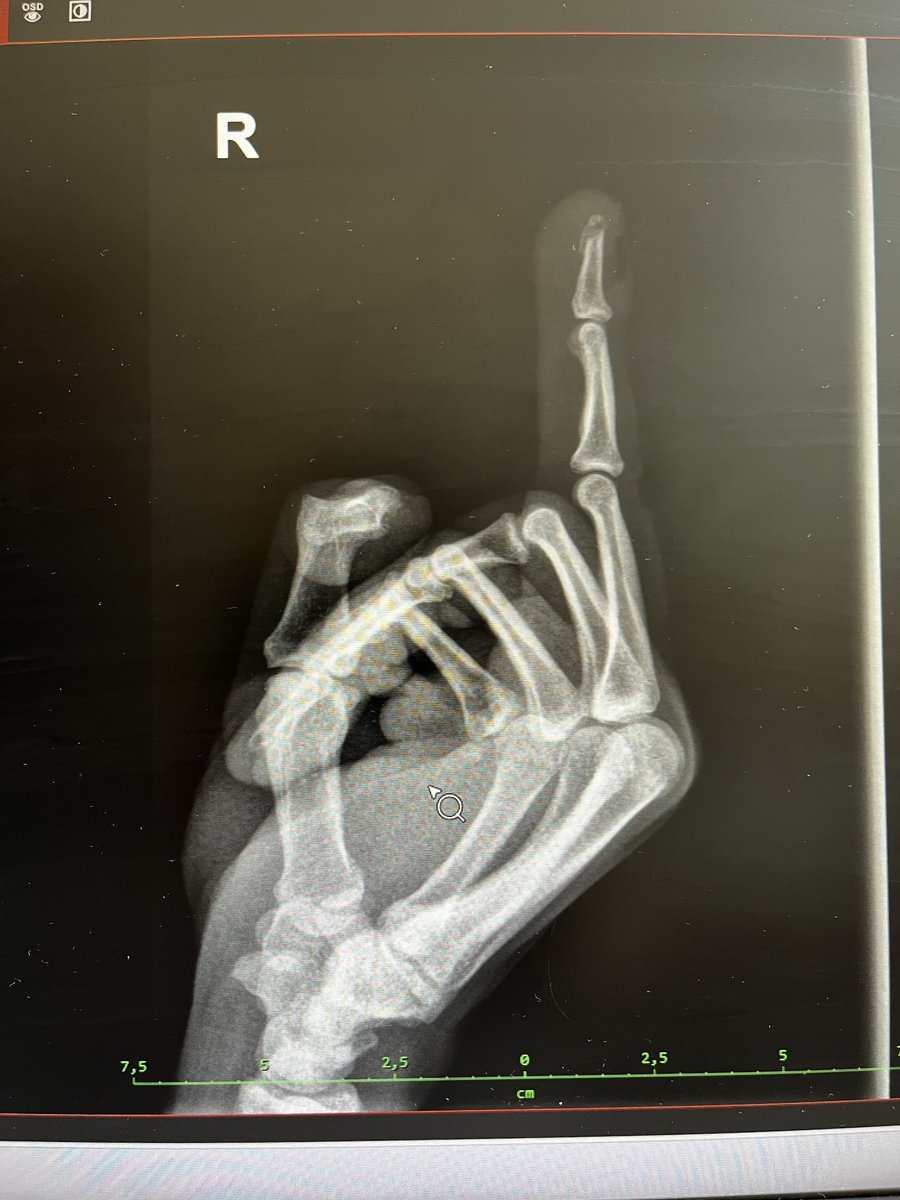
I took my hand (specifically, my hurting middle finger) to the doctor today... Here is the result😇. They made me do it😂. Less fun: if you look closely, you will see that the end of the bone is crushed🙄
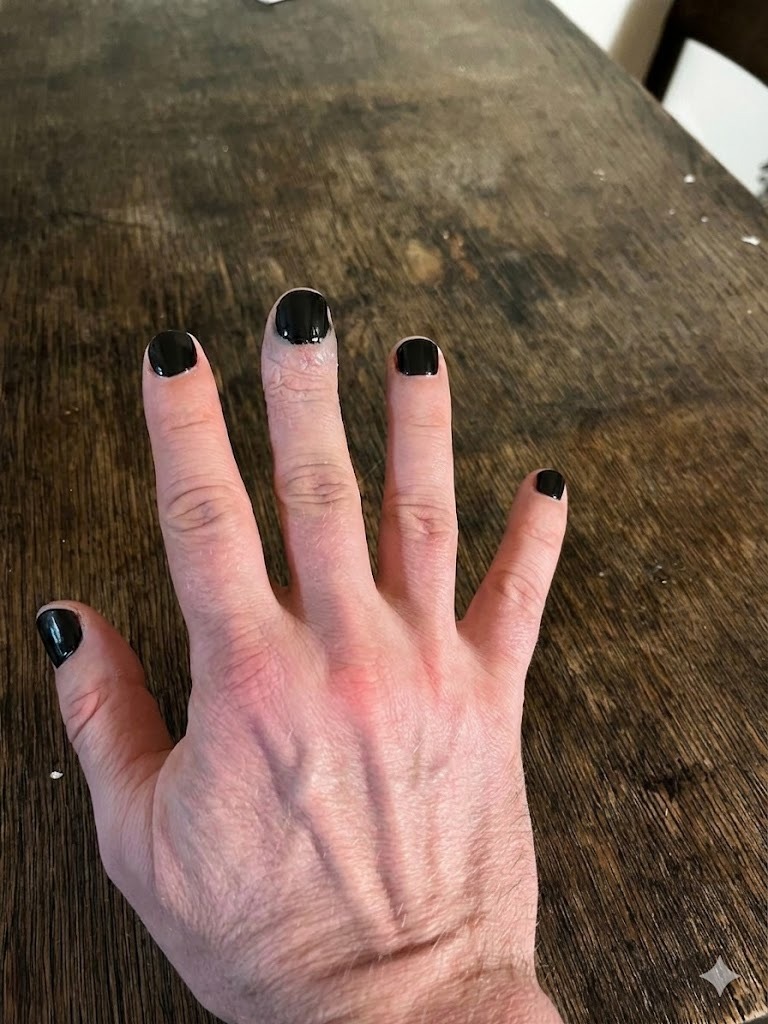
Got my hand pinched by a door a week ago... Ouch! 😰 One of my fingers still hurts, but Petro has now at least made it look better... At least in Photoshop🙂
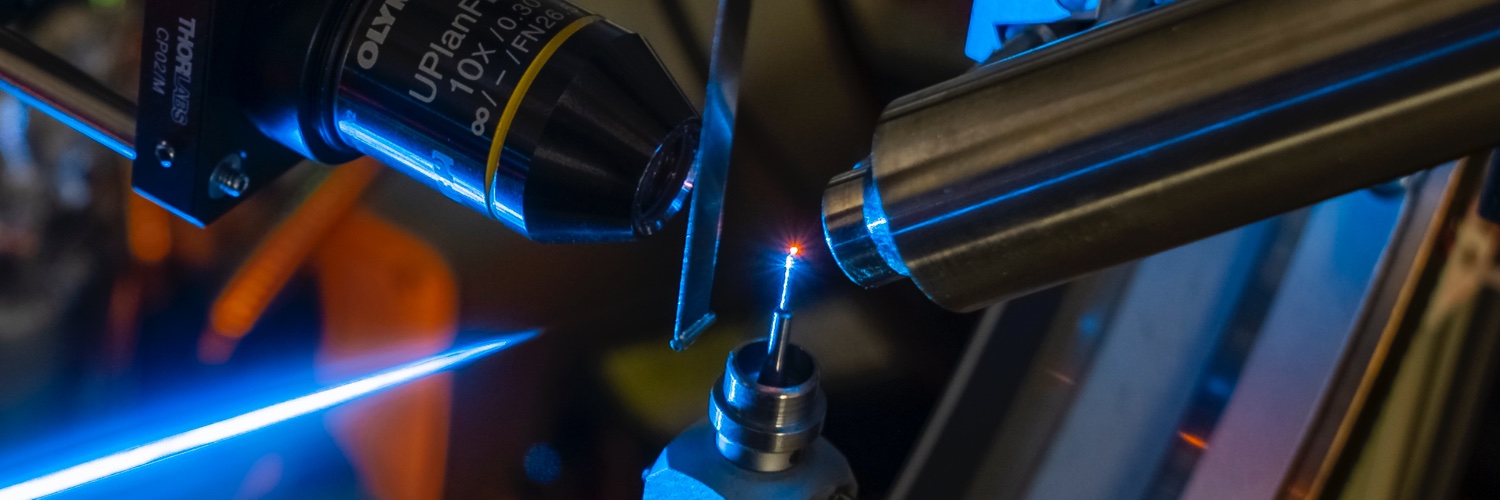
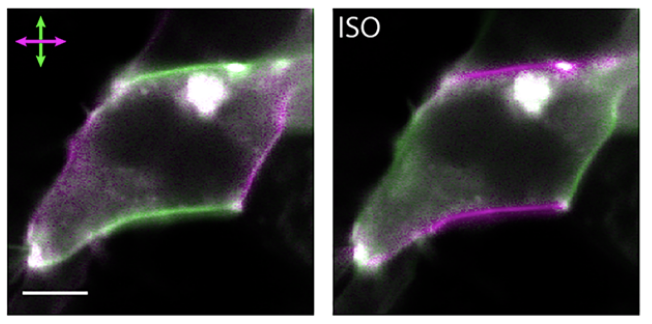
Check out how this translocation-based biosensor develops linear dichroism (when the orientational freedom of the fluorescent protein becomes restricted)! 😎 Imaged with our new, super-fast confocal LD microscope🔬⚡️, now available from https://t.co/rvRYJcEXny
We used a super-fast linear dichroism confocal microscope based developed in collaboration with our friends at KU Leuven:
The TriScan: fast and sensitive 3D confocal fluorescence imaging using a simple optical design https://t.co/5TFAVTTQfF
Microscopy imaging of activation of the b2-adrenergic receptor by using a FLIP biosensor - resting state (on the left) and after b2AR activation (on the right). Can you spot the difference?🤔 Pretty cool, huh? 😎🙂
FLIPs are new, super-simple molecular biosensors that convert molecular events into changes in orientation of a fluorescent protein. This change is then observable by linear dichroism (LD) microscopy. Isn't this simple?
And this is the paper we were celebrating!🥂:
FLIPs: Genetically encoded molecular biosensors for functional imaging of cell signaling by linear dichroism microscopy | Science Advances https://t.co/gNca19SVnc
We had a little celebration of our upcoming paper in Science Advances... One of the co-authors showed up in full strength!💪😱 Keep up the good work, Alex!😂
We see that an intrabody based on NB32 distinguishes between different GPCR conformations. This can be used in biosensors based on bioluminescence, but also in fluorescent biosensors that utilize linear dichroism/polarization microscopy🔬. Check it out!
A joint manuscript with @arshukla accepted, with Vendy Nagy Marková as a first co-author! Thank you, Arun & al.! Btw., first submission: 1.5 years ago 😂
Got back from the EMC meeting in Copenhagen @eurmicsoc#EMC2024... Impressive results by
@CizmarTomas, and a well-deserved prize, for imaging through an optical fiber🙎♂️🧵🔎🎥🖼️!
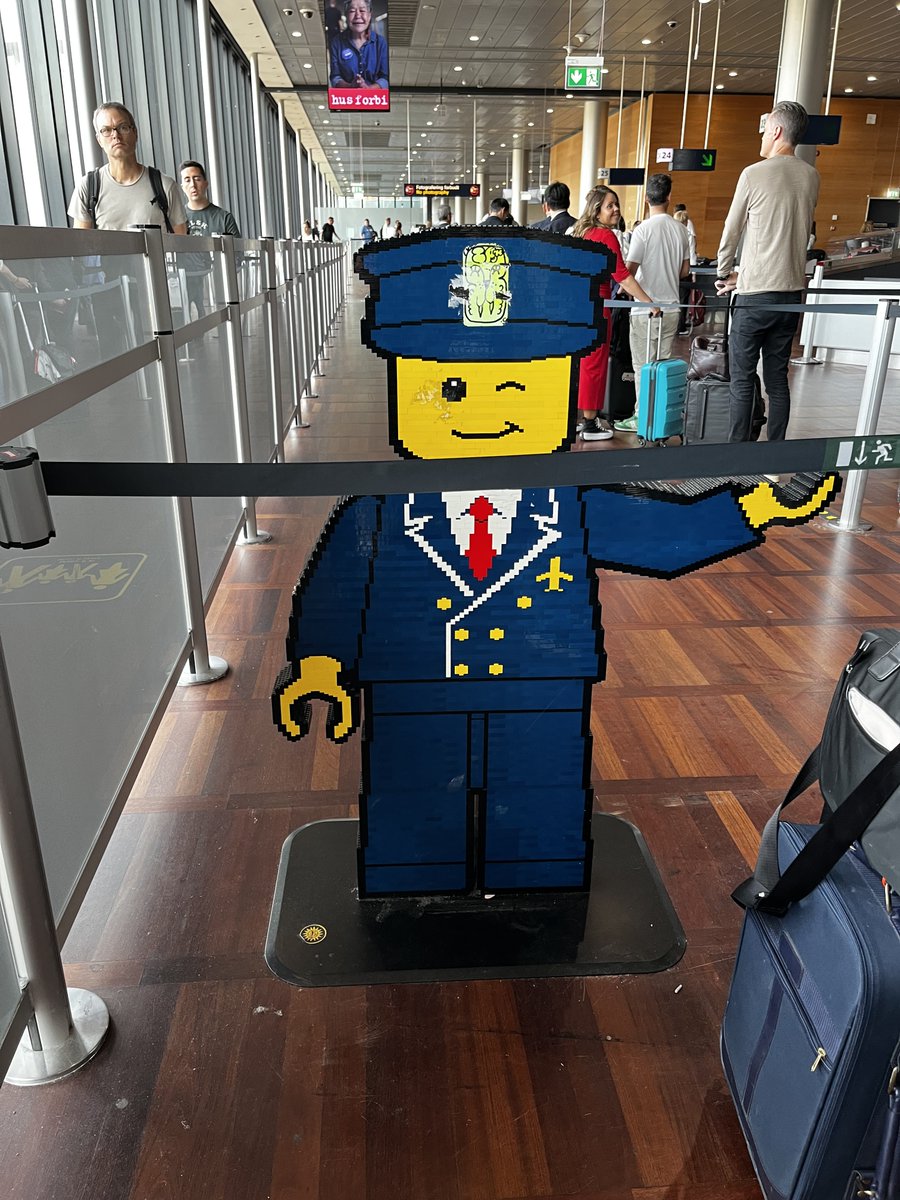
Also impressive: the Copenhagen airport security!👮😉
Another summer visitor to the lab: Mikel Garcia-Marcos (@MGMlab) from Boston U. stayed for a whole month, and even came to our lab retreat!🏖️🍹🥤🍺 🍲🌭Excellent exchange of know-how! Curious to see what comes out of it! 💡🔬
Finally: we are now revising our joint paper with Arun Shukla (@arshukla) on cool conformation biosensors of arrestin signaling:
https://t.co/WoYp5iJDCs
Looking forward to getting it published!