“I work the front desk at a small doctor’s office, and I wish people could see what happens on the other side of the phone.
Every day, older patients call us confused.
They are told to use the patient portal, upload documents, check lab results online, fill out forms before the visit, and confirm everything through a link.
Some of them do not know what a portal is.
Some do not have a smartphone.
Some have one, but they are afraid to click the wrong thing.
Last week, a man in his late 80s called about his test results.
He said, “Ma’am, I don’t mean to bother you, but the computer says I have a message and I don’t know how to open it.”
He sounded ashamed.
That broke my heart.
He should not have to feel ashamed for needing a human being.
Technology can be helpful. I understand that.
But when people who built this country are made to feel helpless because everything became a login and a password, we have gone too far.
Not everything needs to be an app.
Not every answer should be hidden behind a screen.
Sometimes people need a voice.
A patient person.
A real human who says, “Don’t worry, I can help you.”
Progress should not leave seniors behind.
Because one day, the world will move faster than us too.
And I hope someone is kind enough to slow down.
~Unknown
My advice to anyone starting out:
Develop a very strong opinion about yourself.
Know exactly who you are & who you are not.
If you don't, someone else will try to tell you who you are, and you might just start believing them.
"The greatest sin you can commit against your own life, is to know what you want...and not to act." - Stafford
Do not betray yourself.
Take the Chance.
My worst nightmare is inviting someone who doesn’t know when to go home, to my house. Like… I want to work without feeling like I’m ignoring you or I need to believe you have things to do & you’re someone important to other people too. 😭
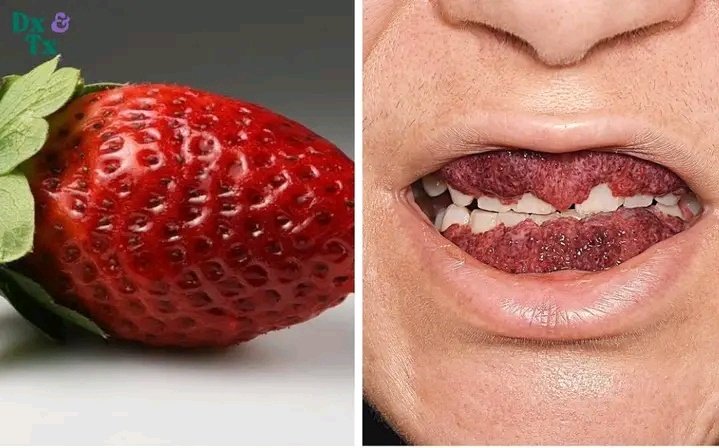
A patient presents with strawberry gingivitis.
What is the most likely diagnosis?
A. Behçet Disease
B. Granulomatosis with Polyangiitis (GPA)
C. Sarcoidosis
D. Leukemia
💡 Hint: Small-vessel vasculitis
@DocPriyamMD This is Hutchinson's teeth, a classic part of the Hutchinson's Triad -
1. Hutchinson's teeth
2. Interstitial keratitis and
3. Sensorial deafness.
However this is much rare now given most of the Syphilis cases are detected and diagnosed during pregnancy.
Samter's Triad, also known as Aspirin-Exacerbated Respiratory Disease (AERD), is a chronic medical condition consisting of three specific clinical findings. It typically develops in adulthood and is characterized by a unique sensitivity to aspirin and other nonsteroidal anti-inflammatory drugs (NSAIDs).
Clinical Findings
Asthma: Usually presents as adult-onset and can be severe or difficult to manage with standard inhalers.
Aspirin Sensitivity: Ingestion of aspirin or NSAIDs leads to an acute reaction, often involving bronchospasm, wheezing, and nasal congestion.
Nasal Polyps: Chronic inflammation leads to the growth of noncancerous polyps in the nasal passages, often causing a loss of sense of smell (anosmia).
Pathophysiology
The condition is not a typical allergy but rather a metabolic abnormality involving the arachidonic acid pathway.
Leukotriene Overproduction: Patients have an imbalance where they produce excessive amounts of pro-inflammatory leukotrienes.
COX-1 Inhibition: When aspirin inhibits the COX-1 enzyme, it further shunts the metabolic pathway toward the production of these leukotrienes, triggering an asthma attack or respiratory distress.
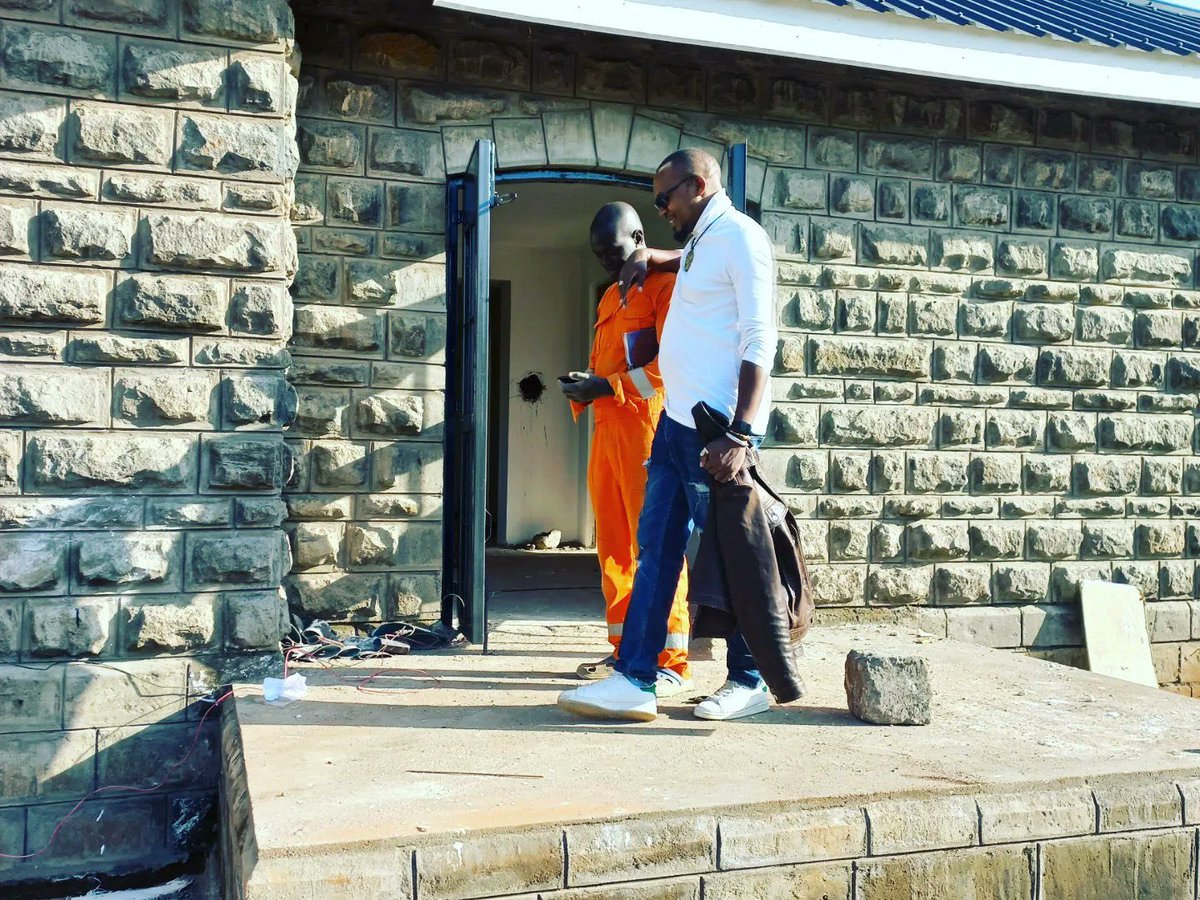
Dear Home Owner,
I want you to pause a little before you build.
The pause can be 1 hour before ground breaking or one week before you sign that contract.
Take a moment.
What if there is a chance you can build a more beautiful, functional and timeless house…
On the same budget?
✨📝
Inspired by The Olkeri House. This our signature style🏡
1/5
Meet the O.G. Orthopedician, Gavriil Ilizarov!
Called "The Magician from Kurgan," he made a circular bone fixator using bicycle rims which could lengthen the bone up to 12 inches.
- Born in 1921 to a Jewish family from Dagestan.
- Started formal education late at age 11 due to limited opportunities in his rural village.
- Graduated from the Crimean Medical Institute amid World War II disruptions in 1944.
- Began his career as a general surgeon in a remote village hospital in the Kurgan region of Siberia, where he was often the only doctor for miles, handling a wide range of medical issues including trauma and orthopedics.
- Invented the Ilizarov apparatus in 1950, a circular external fixator for bone lengthening and fracture treatment, inspired by challenges in treating severe fractures with limited resources; proposed his original method for uniting bone fragments.
- He was called a con artist and a crook, as the elite Moscow orthopaedic surgeons couldn't digest the fact that a circular fixator made from bicycle rims and wires could be used for a 12-inch bone-lengthening technique.
- Developed the concept of distraction osteogenesis, a revolutionary technique in orthopedics for gradual bone lengthening and reconstruction, despite initial skepticism and mockery from established physicians in Moscow.
- Gained worldwide attention by successfully treating the complex ankle fracture of Soviet Olympic high jumper Valery Brumel, which had resisted treatment by Western surgeons, demonstrating the effectiveness of his method. It was after this that the Moscow orthopedicians started acknowledging his visionary inventions.
- In 1971, he established the Russian Ilizarov Scientific Center for Restorative Traumatology and Orthopaedics in Kurgan, which grew into an 800-bed facility and became the world's largest orthopedic clinic, allowing him to expand research and train others in his techniques.
- Ilizarov frequently smoked cigarettes. During breaks in the operating room, he would light up a cigarette and use forceps to hold it so that he didn't break the sterile environment.
- Achieved international acclaim as his methods spread globally, treating over 10,000 patients and making Russia a leader in orthopedics; faced challenges in protecting his inventions but trained numerous surgeons while emphasizing proper use to avoid complications.
- Died on July 24, 1992, in Kurgan, Russia, at age 71, leaving a legacy that revolutionized orthopedic surgery through principles of distraction osteogenesis, external fixation, and limb reconstruction, influencing treatments for fractures, deformities, and length discrepancies worldwide.