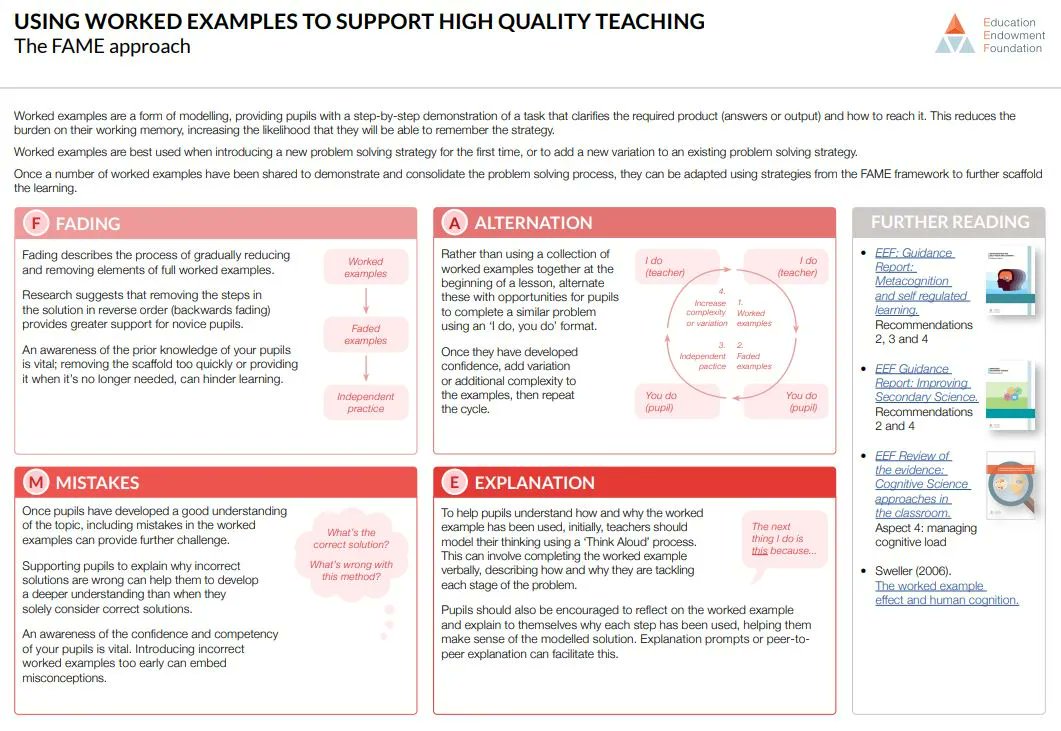
"For many pupils the leap from a single worked example to independent practice is too great. We need to provide steps to carefully scaffold the transition," writes @rjpritchard in this new EEF blog.
Read here: https://t.co/bNdcAkjAoG
Preparing for Literacy
"Prioritising high-quality interactions with children will help to develop their communication and language."
Download our guidance report now: https://t.co/aFIgBMlsu8
The Great Teaching Toolkit is a subscription to evidence-based CPD that can be started at any time in the academic year.
We’re now offering an extra 3 month’s access to all schools/colleges that sign-up to the Toolkit before the end of July! 🥳🎉🪩
🧵
https://t.co/n9WufYat2q
Looking for clear and actionable advice on how to support children with Special Educational Needs and Disabilities?
Our guidance report includes recommendations in five key areas.
Read/Download now: https://t.co/wXh7GF1fvj
Our updated Key Stage 2 Literacy guidance includes the ‘reading comprehension house’, which illustrates the component elements of reading, supporting teachers to consider each in their approach.
Find out more: https://t.co/S2fYXqYzAg
Moving Forwards, Making a Difference: A planning guide for schools
"Teaching is complex but there are certain key elements that can be integrated into daily practice to enhance its quality."
Download here: https://t.co/Zaxux9PbLg
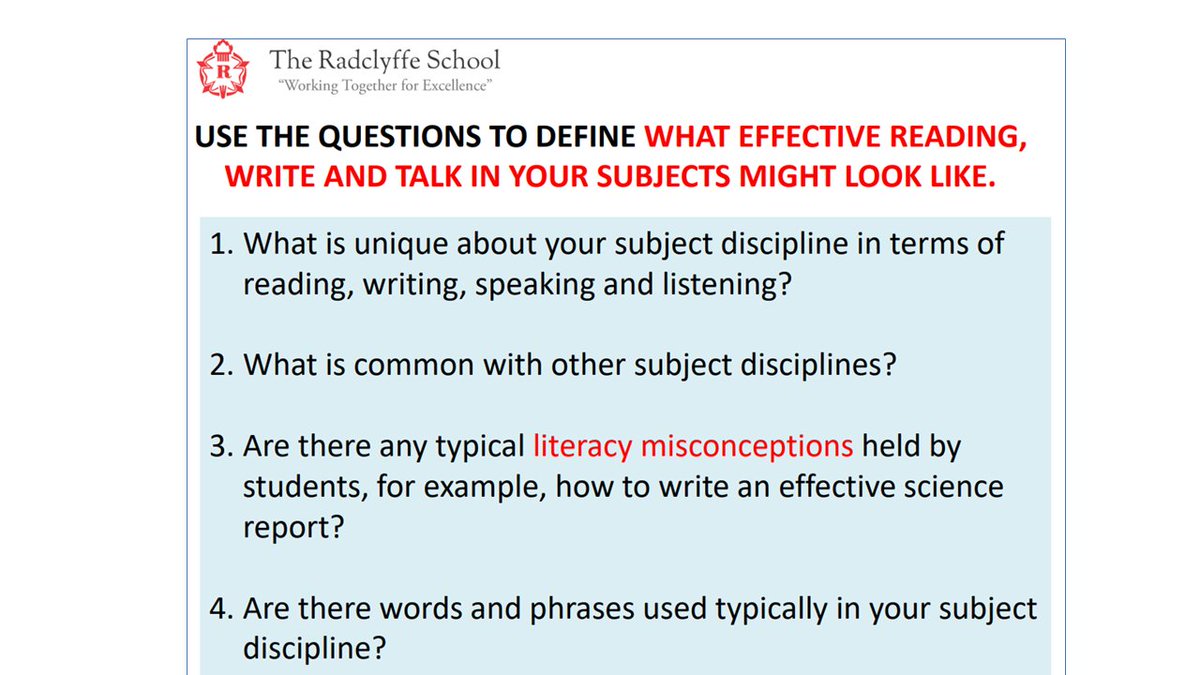
"Literacy in secondary school must not simply be seen as a basket of general skills - it must be grounded in the specifics of each subject."
That's according to our guidance report, Improving Literacy in Secondary Schools.
Available here: https://t.co/RfDO0bk2q7
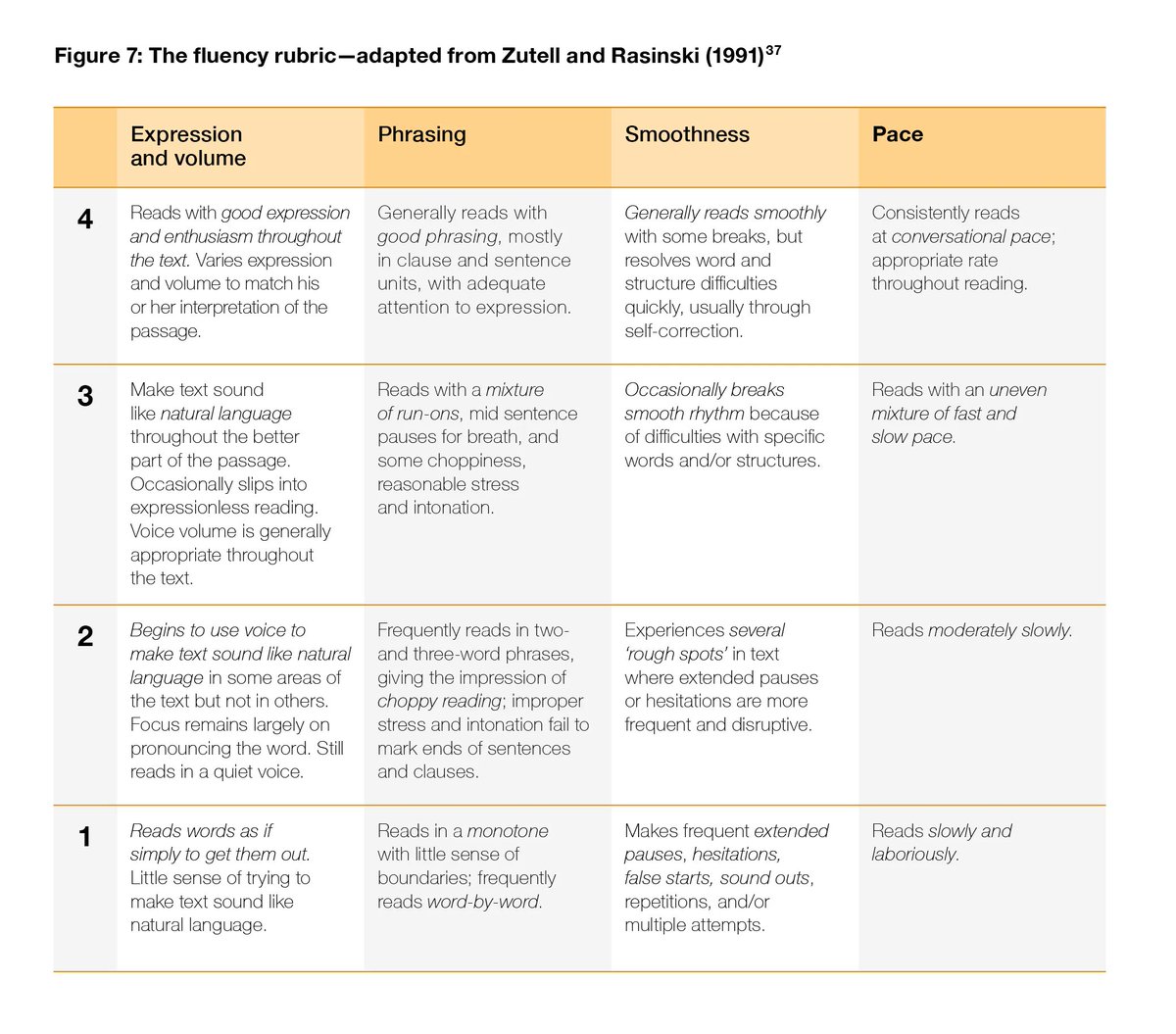
"When pupils read fluently, their cognitive resources can be redirected from focusing on decoding and onto comprehending the text," writes the EEF's @sarahlgreen07 in this new blog on the significance of developing pupils' reading fluency.
Read here: https://t.co/fsrw13W4aU