This lady's story will make you cut onions. She has a degree in Industrial chemistry, she has also tried software engineering. She is brave enough to speak. She's smart, she has pushed herself. You can see pain in her eyes. Let's change her life, her No. is 0743 272832.
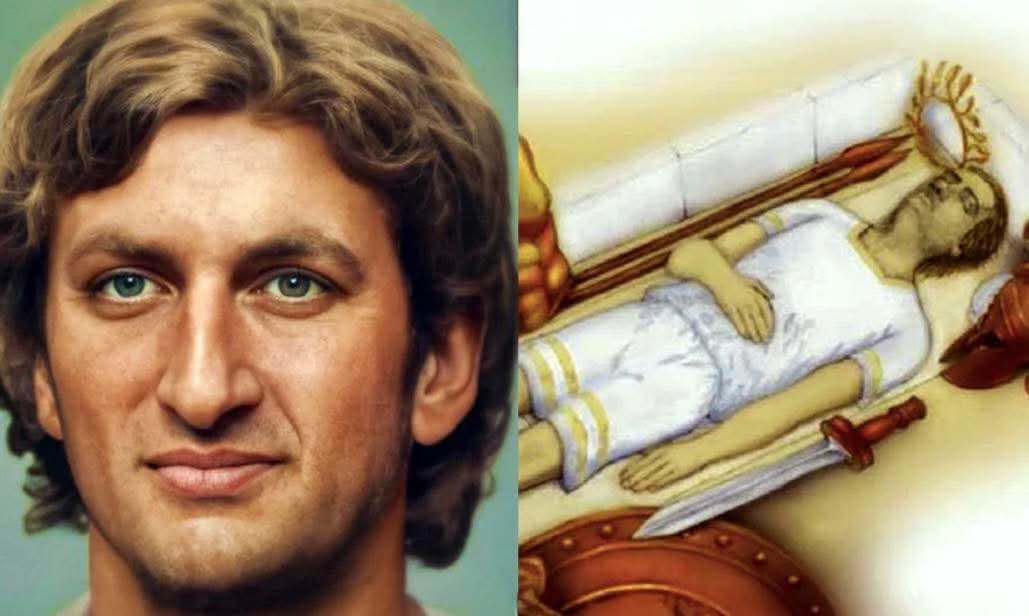
When Alexander the Great’s body showed no signs of decay six days after his death, ancient Greeks believed he was a god. But historians believe he was likely paralyzed by a rare brain disorder, alive but unable to move or speak, suffering for days before being mistakenly buried alive.
When Alexander the Great died in Babylon in 323 BC at only 32 years old, his body reportedly showed no signs of decay for nearly a week.
To the ancient Greeks, this was proof of his divinity, that the conqueror of the known world had transcended mortality. Modern scholars, however, propose a more chilling explanation. Some suggest Alexander suffered from Guillain-Barré Syndrome, a rare autoimmune condition that causes paralysis while leaving the mind conscious.
If true, Alexander may have been declared dead while still alive, his body entombed as he silently endured suffocation. This theory reframes one of history’s greatest deaths as a tragedy of medicine and myth. Whether divine or doomed by misdiagnosis, the episode illustrates how science and superstition often meet in the same breath, the line between miracle and misunderstanding vanishing like breath on stone.
Ancient accounts say Alexander’s body was preserved in honey for transport to Egypt, a practice believed to prevent decay and symbolically grant eternal preservation.
#drthehistories
SOUND ON. You’re hearing the first howl of a dire wolf in over 10,000 years. Meet Romulus and Remus—the world’s first de-extinct animals, born on October 1, 2024.
The dire wolf has been extinct for over 10,000 years. These two wolves were brought back from extinction using genetic edits derived from a complete dire wolf genome, meticulously reconstructed by Colossal from ancient DNA found in fossils dating back 11,500 and 72,000 years. This moment marks not only a milestone for us as a company but also a leap forward for science, conservation, and humanity. From the beginning, our goal has been clear: “To revolutionize history and be the first company to use CRISPR technology successfully in the de-extinction of previously lost species.” By achieving this, we continue to push forward our broader mission on—accepting humanity’s duty to restore Earth to a healthier state.
But this isn’t just our moment—it’s one for science, our planet, and humankind. All of which we love and are passionate about. Now, close your eyes and listen to that howl once more. Think about what this means for all of us.
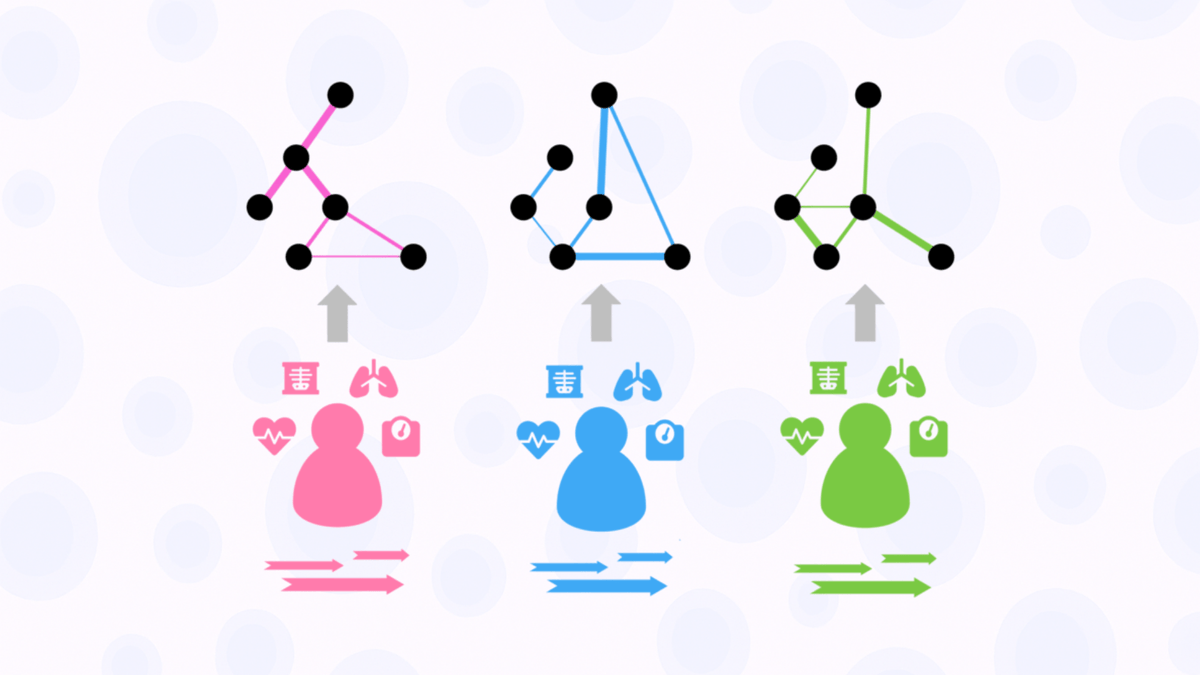
1/ How can we model each tumor’s unique biology instead of relying on one-size-fits-all approaches?
In our latest blog post, we highlight findings from the recent PNAS paper with GenBio AI Research Scientist @probablybots and Co-Founder and Chief Scientist @ericxing, showing how contextualized networks pave the way for an interactome module in AIDO.