The London Art Gallery has launched a futuristic exhibition where classical paintings are freed from their frames and animated using neural networks. It's a fresh take on traditional art, suggesting even the Hermitage might draw inspiration…
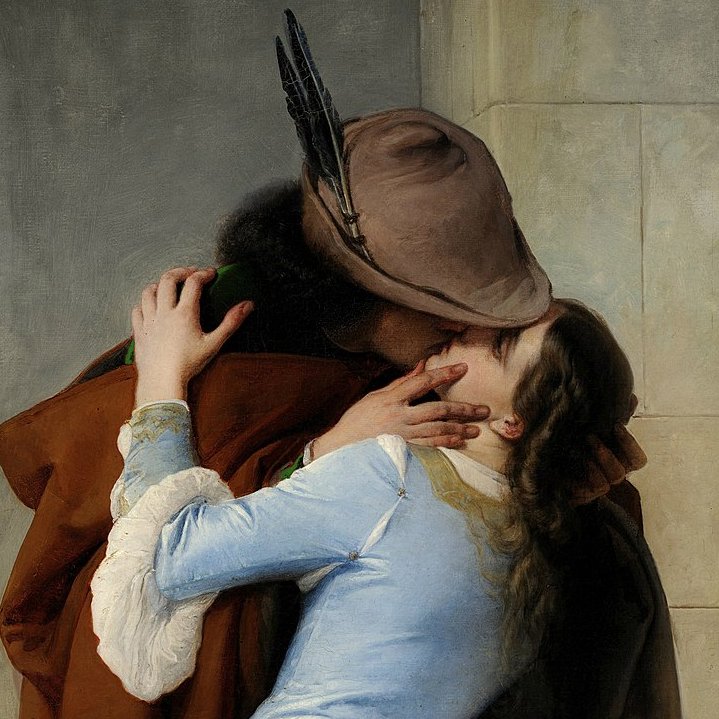
The Kiss, painted in 1859 for Count Alfonso of Saliceto, is one of this type.
It is perfect in its ambiguity — we do not see specific historical figures but a generic Medieval couple whose stories we can imagine, onto whom we can freely project our own feelings and thoughts.
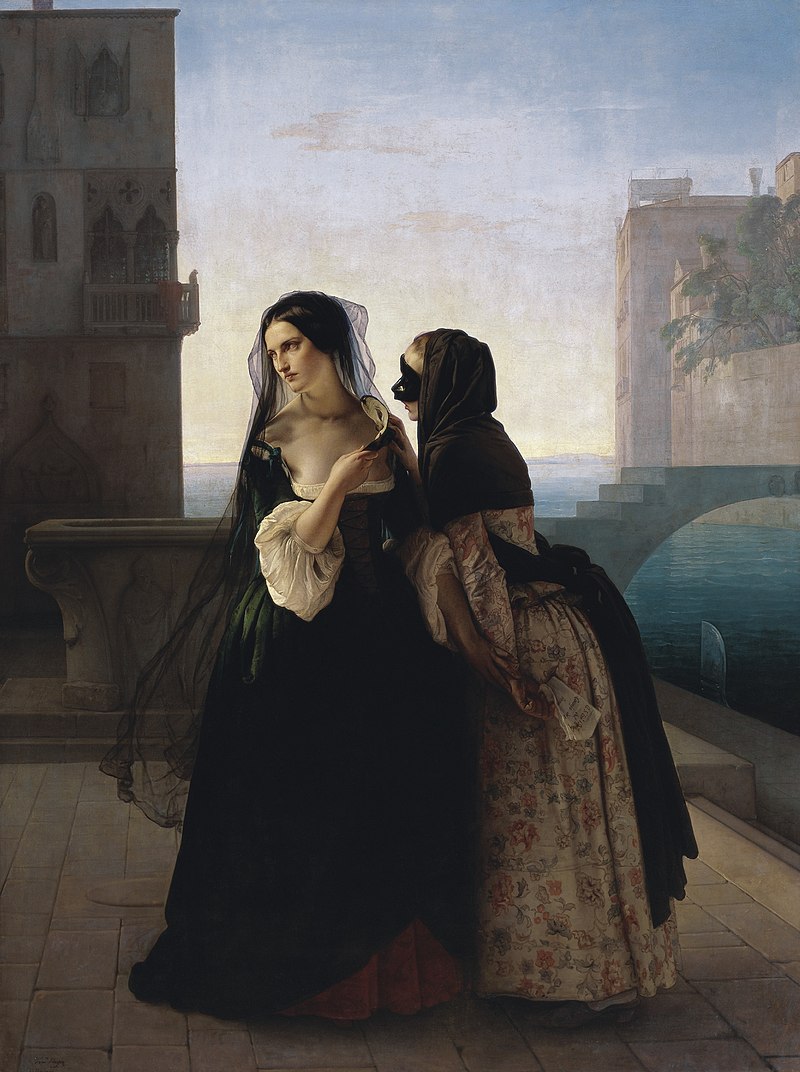
Then there was a third type, best seen in his Revenge Triptych, which tells the story of a woman enacting vengeance on her lover.
But it is more than that: it is allegorical and mysterious, mixing history with an allusive, symbolic quality.
We ask, "what does this really mean?"
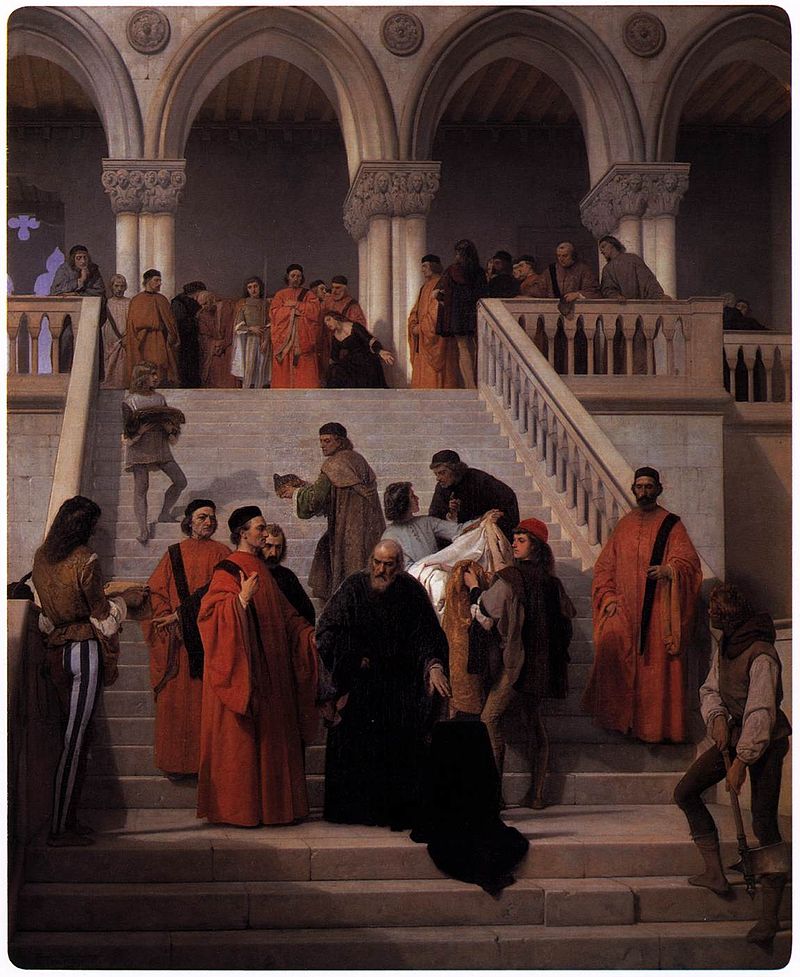
Many were Classical or Biblical history, and even Classical mythology, along with Crucifixions and paintings of Christ.
But Hayez also emphasised episodes from Italian history, bringing his eye for smooth Neoclassical finishes and Romantic drama to these historical panoramas:
In Milan Francesco found constant patronage among the nobility and political classes, especially Italian nationalists.
There were three main genres he worked in.
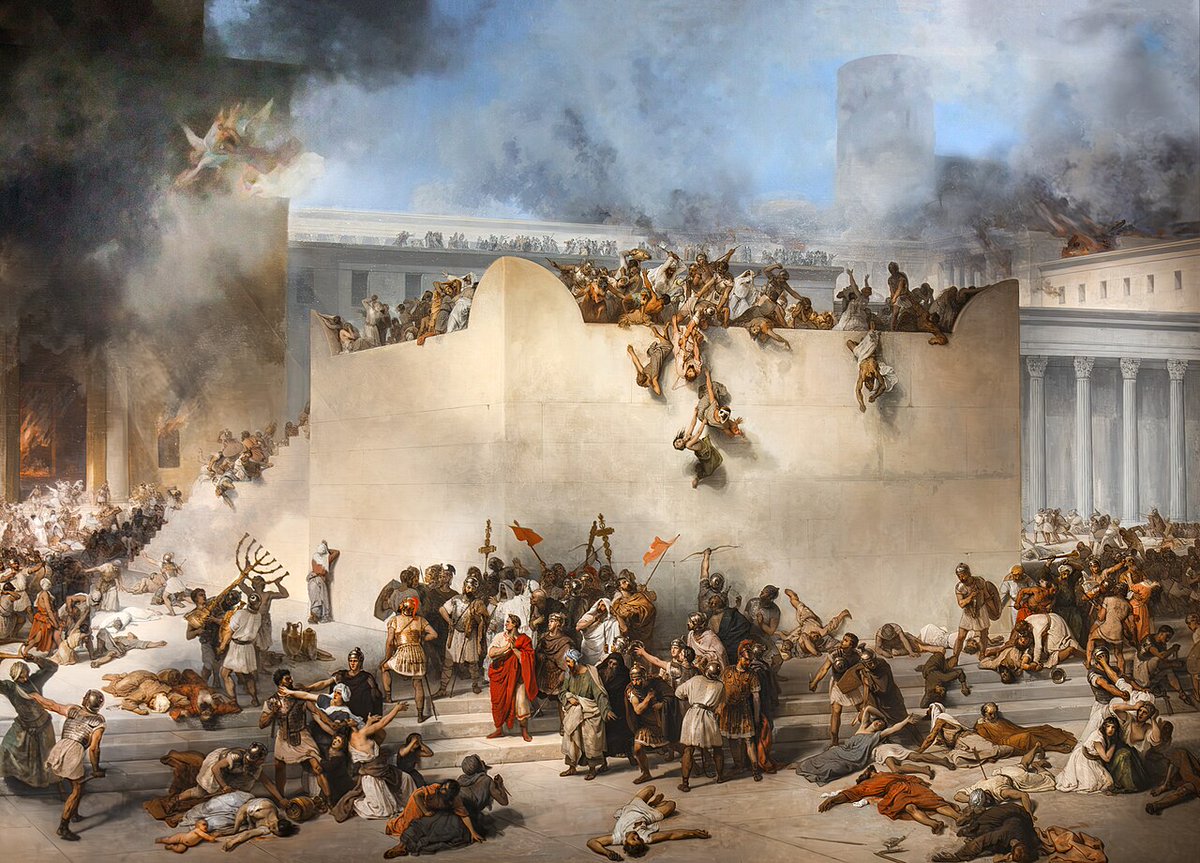
First were historical and religious paintings, such as the Destruction of the Temple at Jerusalem:
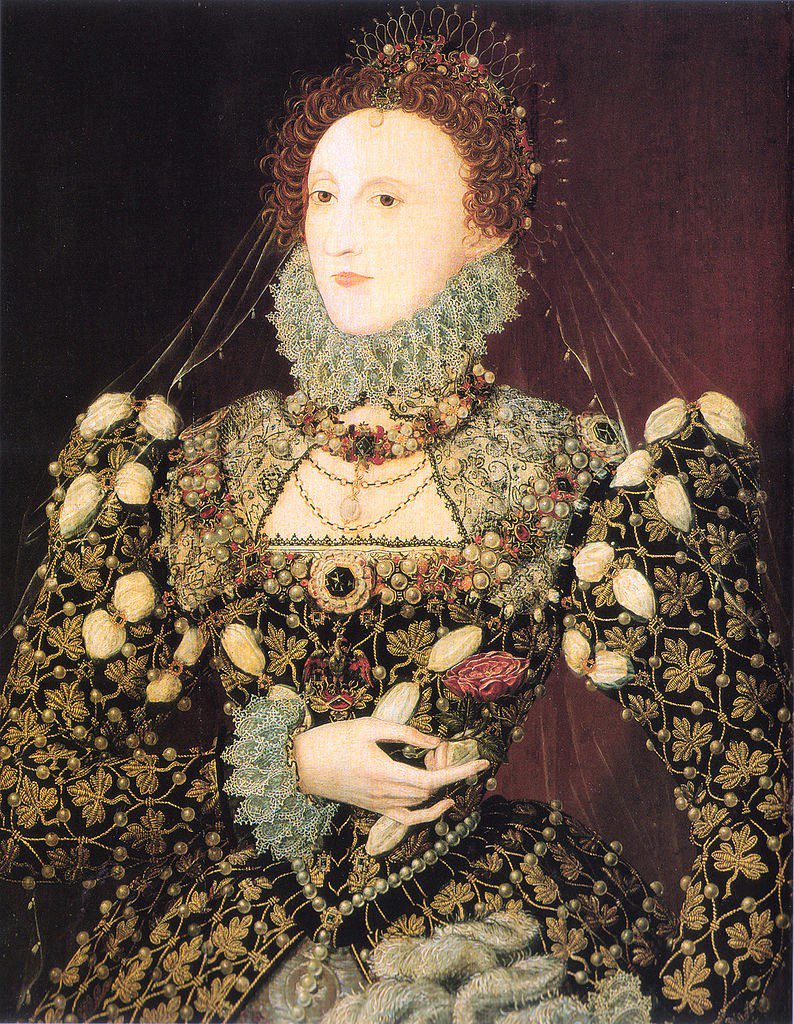
2/2 More superior jewelry choices from Elizabeth I -- here, phoenix that rises from the ashes -- painted in 1576 by Nicholas Hilliard. For her birthday.
In the “Pelican Portrait” of 1574, Elizabeth I pulls out all the stops with an unbelievably elaborate outfit. You can hardly cease looking at the amazing detail of each piece & layer. Happy birthday to one who knew how to accessorize.
"The School of Athens" by Raffaello Sanzio featuring Plato, Aristotle, Ptolemy, Hypatia, Heraclitus, Socrates, Pythagoras, and many others.
The painting “The School of Athens” is a fresco by the Italian Renaissance artist Raphael, who painted it between 1509 and 1511 as part of his commission to decorate the rooms now known as the Stanze di Raffaello, in the Apostolic Palace in the Vatican. The painting depicts a gathering of philosophers, mathematicians, and scientists from ancient Greece, who represent different branches of knowledge and wisdom. The painting is considered one of Raphael’s masterpieces and one of the most significant artworks of the Renaissance.
The painting has a symmetrical composition, with a central arch that frames the figures of Plato and Aristotle, who are walking in the middle of the scene. Plato is holding his book Timaeus and pointing upwards, symbolizing his idealism and his theory of forms. Aristotle is holding his book Nicomachean Ethics and gesturing downwards, symbolizing his empiricism and his focus on the natural world. The two philosophers are surrounded by other figures who are either their followers or their opponents, such as Socrates, Diogenes, Pythagoras, Euclid, Zeno, Heraclitus, and Ptolemy. Some of the figures are also portraits of contemporary artists, such as Leonardo da Vinci (as Plato), Michelangelo (as Heraclitus), Bramante (as Euclid), and Raphael himself (as Apelles).
The painting also shows a remarkable use of perspective, which creates a sense of depth and realism. The architecture of the building is inspired by classical models, such as the Pantheon and the Basilica of Maxentius. The painting also contains many details and symbols that reflect Raphael’s knowledge of ancient culture and philosophy, such as the statues of Apollo and Athena, the globes, the instruments, and the books. The painting is a tribute to the intellectual achievements of ancient Greece and a celebration of the humanistic values of the Renaissance.
📷 VaticanMuseum