New study from @CDC_NCEZID reports that US counties with specific demographic, environmental, & socioeconomic traits, or where an extreme weather event occurred, were differentially disadvantaged toward a higher salmonellosis incidence during 1997-2019.
https://t.co/cPajtVlkhW
I was honored to spend an amazing week learning from and talking with OneHealth experts from around the world at the 8th @WOHCongress in Cape Town, SA. I am so excited to continue these conversations post-Congress.
Daniel Weller @CDCgov USA counties with specific demographic, environmental and socioeconomic characteristics (DOHP), or where an extreme weather event occurred regardless of DOHP, were differentially disadvantaged toward a higher salmonellosis incidence 1997–2019 #WOHC2024
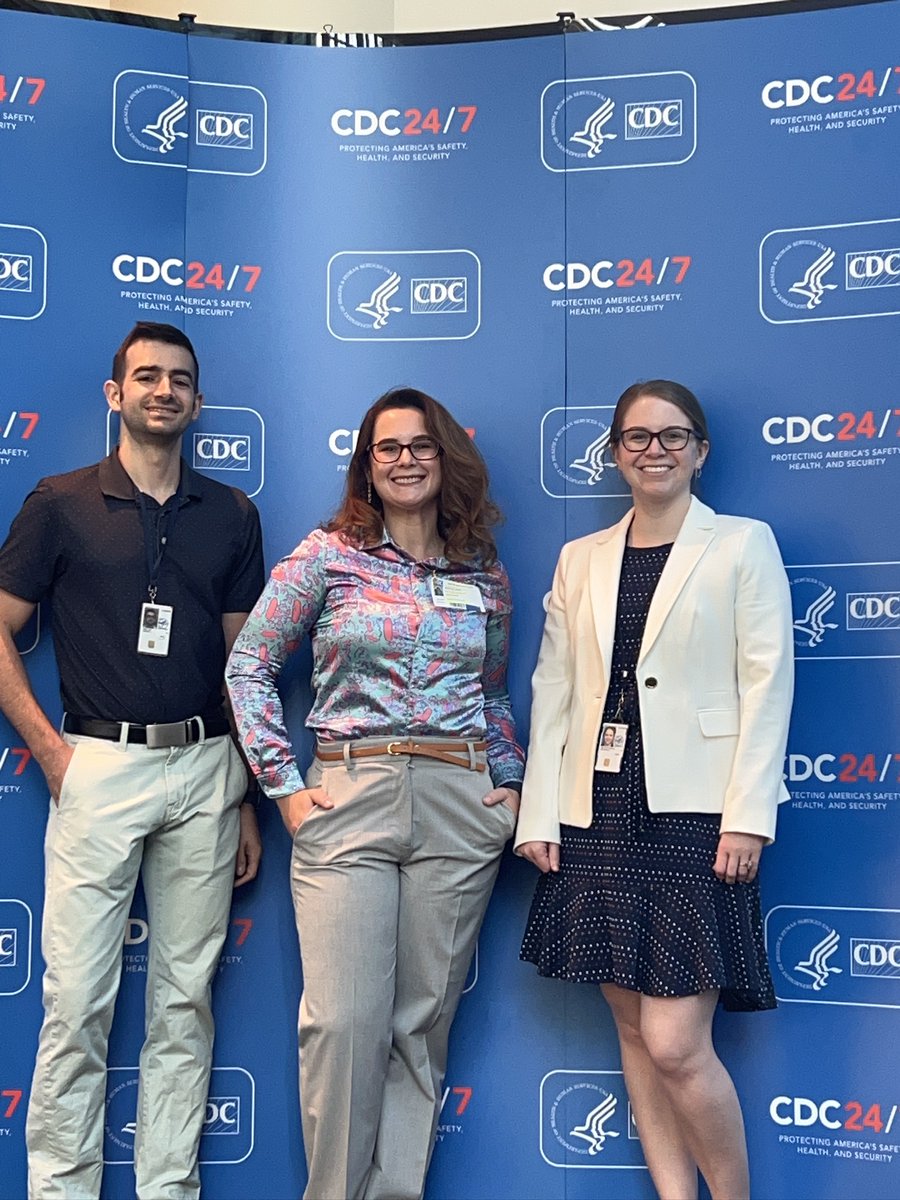
So excited to have been able to present alongside Allison Howell & Lauren Grant @IAFPFood on work being done to understand and address disparities in foodborne disease burden. Thanks to @mbbatz, @SarahMurphy39, Ian Young, @barbkowalcyk, and others for organizing! #iafp2024
Excited that @CDC_NCEZID FoodNet Team’s annual report on the incidence of illnesses commonly transmitted through food is out just in time for the Fourth of July. Its release marks the first expansion of the FoodNet catchment since 2004!
https://t.co/NjMkWRFHgB
Had a great time with @Erika__Ganda today. It was such a blast to learn about her OneHealth and AMR research @PSUmBiome. So glad she was able to visit @CDC_NCEZID while in town for @ASMicrobiology.
Excited that our paper, which highlights how changing diagnostic practices are altering our understanding of foodborne disease epi. was published in @OFIDJournal. This was truly a labor of love and I can’t thank my awesome coauthors enough! @CDC_NCEZID
https://t.co/L2kGp0o49M
Super excited about this new multi-institution collaboration led by @OrganicCenter and @universityofri focused on the intersection of organic farming and food safety that was recently highlighted in @foodsafetynews.
https://t.co/W4VEP0r2O7
Interested in the potential impacts of extreme weather on waterborne diseases? This MMWR article highlights a spike in Vibrio vulnificus infections associated with the 2023 summer heat waves along the US East Coast.
New MMWR describes how CDC and state public health officials investigated and responded to severe Vibrio vulnificus infections in 2023. Clinicians: Consider V. vulnificus as a possible cause of infected wounds that were exposed to coastal waters.
https://t.co/Jt2JB7ZQY6
@AppEnvMicro In Press 🔖 Some say a microbiologist would rather use another microbiologist's toothbrush than their methods. 😱 See how this diversity in methods affects study comparability in a new paper by @lauraKstrawn @lettucemandan@michelledanyluk https://t.co/YFinshge5e
Had a great time meeting with our @CDC_NCEZID, @FDAfood and @USDAFoodSafety colleagues at the annual Interagency Food Safety Analytics Collaboration (IFSAC) Face-to-Face in DC last week. Super excited about the novel attribution analyses IFSAC is working on.
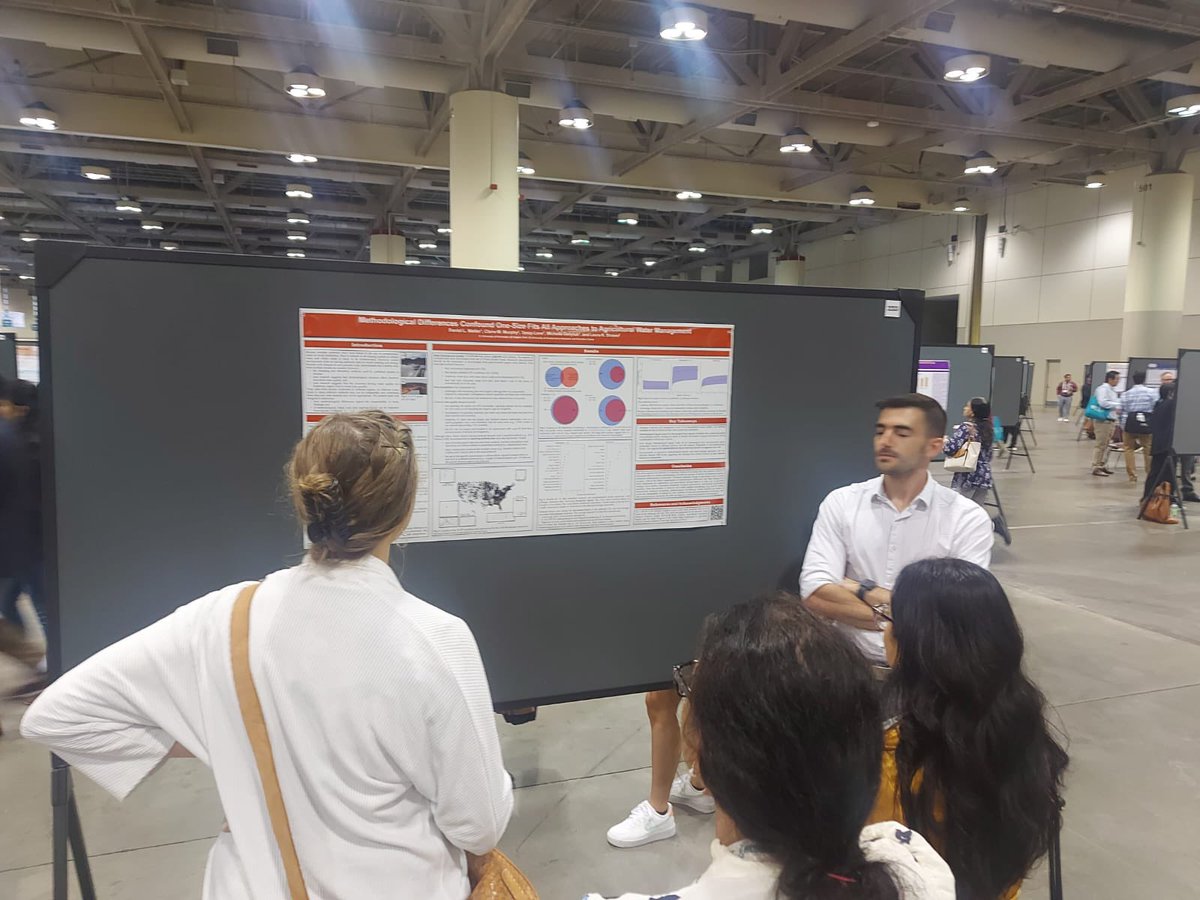
Excited that our paper on the impact of methodological differences on finding comparability and efforts to manage surface for food and water safety is out! Big thanks to everyone who shared data with @lauraKstrawn, @michelledanyluk and I. https://t.co/eZ8gAZfx0C
I was honored to visit @agsciences and share the amazing work being done by @CDC_NCEZID’s Enterics Epi Branch. Thanks so much to @kovac_lab for organizing my visit. It was great learning about all the cool food micro work being done at Penn State!
Thank you, @LettuceManDan for visiting Penn State and sharing your research on modeling trends and disparities in enteric and foodborne illness in the Food Science seminar!
Hi prospective grad students! Want to learn more about the U of R biostatistics program? Questions about the program, life in Rochester, or grad school in general? Join us for a virtual open house THIS FRIDAY 11/17 and get your questions answered!!
Super cool study from @JingqiuLiao & others on the comparative genomics of Listeria in ag & natural env. They identified multiple factors driving differential adaptation, which may represent barriers to Listeria transmission from natural to food env. https://t.co/tAXLX3HHDc
Due to the diversity of water testing methods, methodological and enviro. signals of interest can’t be separated. Had some great chats with folks that came to our poster at #iafp2023 about how this reduces study comparability and longterm data use.@lauraKstrawn @michelledanyluk
Excited to share preliminary findings from a project being conducted by the EDEB Analytics Team in @CDC_NCEZID on disparities in salmonellosis burden. Happy to say that we had lots of great conversations about it, and got lots of insights from @IAFPFood attendees. #IAFP2023
Thanks so much to all our panelists who participated in a roundtable @IAFPFood on how IAFP and we, as food safety professionals, can support LGBTQIA+ members of our community. We had an amazing session with more than 70 attendees. #IAFP2023