A reliable source in El Salvador told El Faro that the Bukele-controlled Attorney General’s Office is preparing at least seven arrest warrants for members of El Faro.
https://t.co/U5aTKkDufy
#Azerbaijan🇦🇿: We strongly condemn the arrest and reported mistreatment of two independent journalists in Azerbaijan - Ulviyya Ali (Guliyeva) & Ahmad Mammadli - as part of a deepening crackdown on press freedom. https://t.co/aiCcwBCOMc
Harita didn’t respond to @geckoproj's questions. It has previously denied polluting water and recently claimed Obi’s drinking water is safe.
This investigation was produced in collaboration with @OCCRP , @DeutscheWelle, @newstapa, and @guardian.
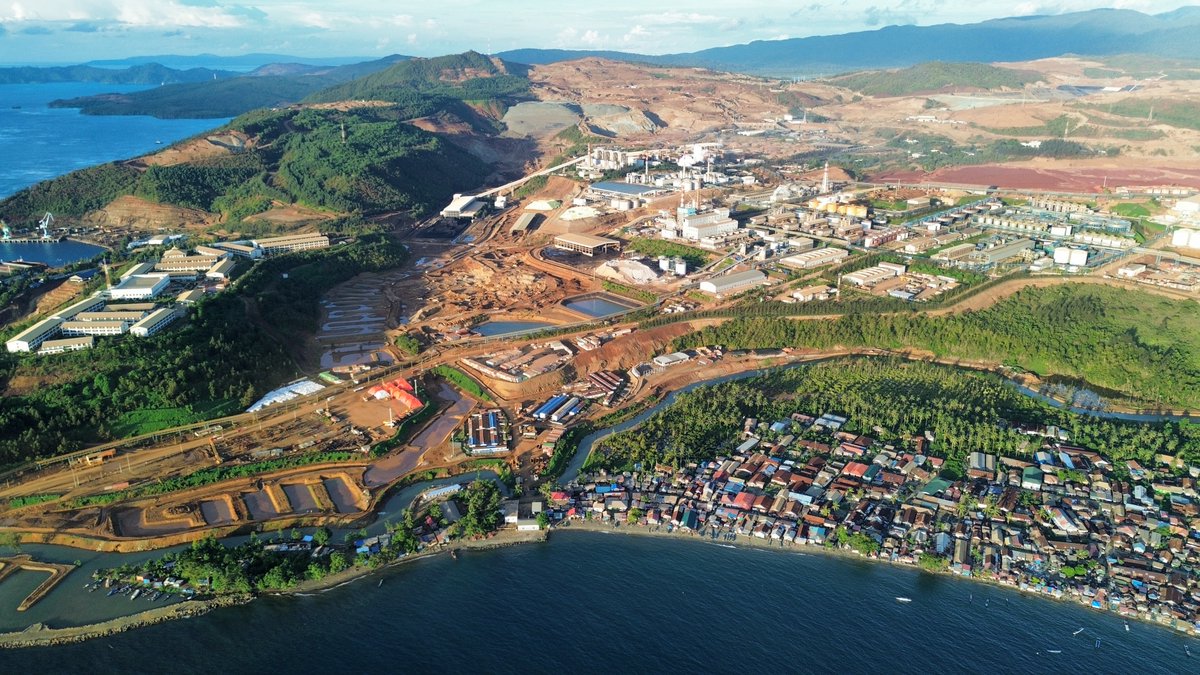
.@geckoproj, @OCCRP & partners uncovered toxic pollution by Harita Nickel, a major Indonesian miner supplying global EV companies.
Leaked files reveal repeated chromium-6 contamination—including in a village spring.
📰: https://t.co/jnChayGVkL
🎥: https://t.co/nV0DMRVOii
#Ethiopia 🇪🇹: “People would roll down their window and say they would come and kill me,” said one anonymous Ethiopian journalist. From promises of freedom to mass arrests, exile & fear, read how Ethiopia turned on its press ⤵️ https://t.co/PnZwlLncZW
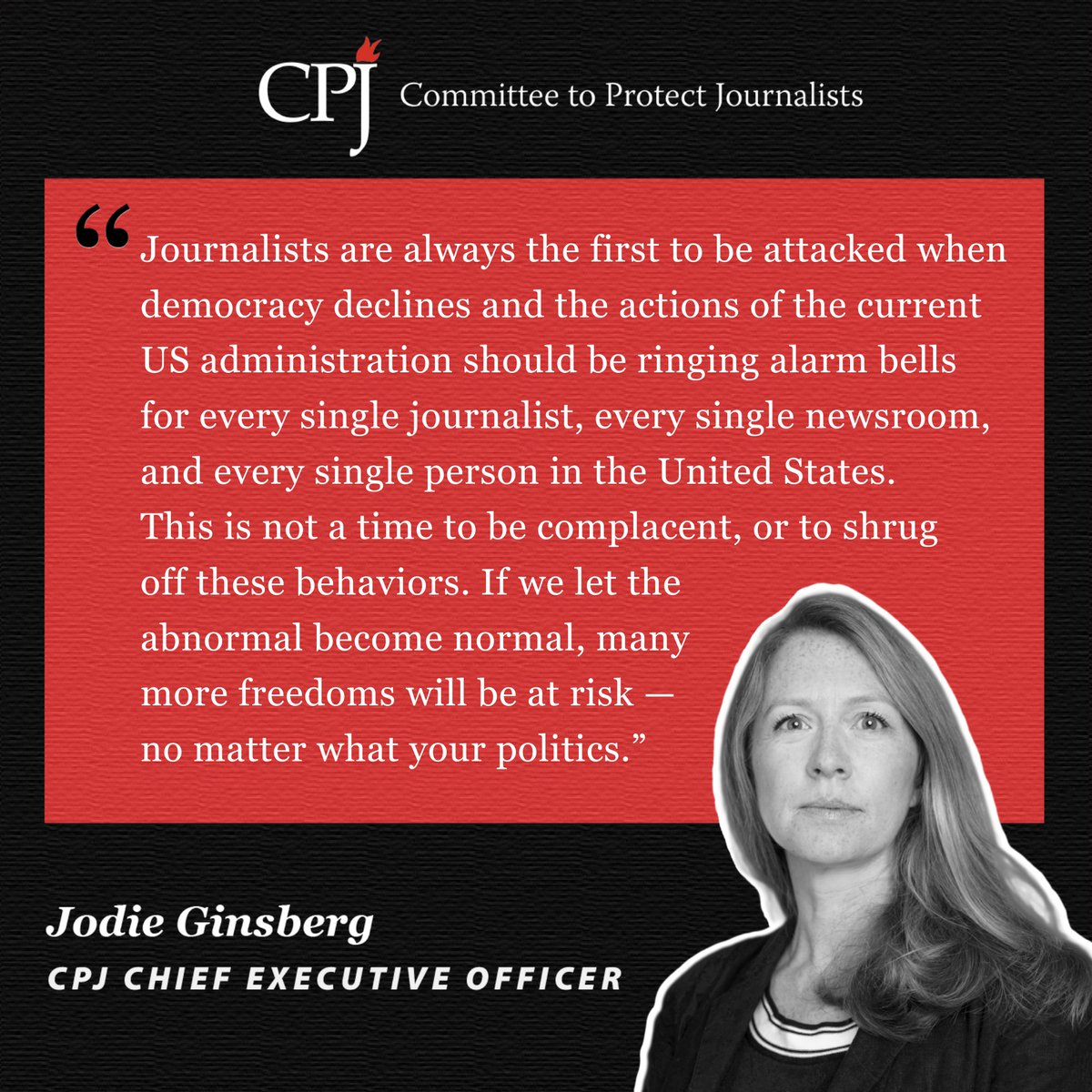
“Journalists are always the first to be attacked when #democracy declines, and the actions of the current US administration should be ringing alarm bells for every single journalist, every single newsroom, and every single person in the United States.” — CPJ's CEO Jodie Ginsberg
https://t.co/d7E80iU2Rs
In 2022, while preparing to go public on Indonesia’s stock exchange, Harita commissioned an internal investigation. It found Cr6 levels still illegally high in Kawasi Spring – the village’s main source of drinking water. Harita raised $660M in its IPO anyway, making it one of Indonesia’s biggest listings the following year.
The company claimed the water was “safe,” even as internal emails show it knew about the contamination as early as 2012 and worried that environmental groups might also detect it. Harita did not respond to our requests for comment.
Residents say they were never warned. Many still use the water daily — for drinking, cooking, and bathing. They report strange tastes, discoloration, and chronic health problems. “For those who have money, they buy bottled water. For people like me, we have no choice but to use that water,” said one local.
Harita’s own internal monitoring found chromium-6 — the chemical made famous in the Erin Brockovich case — contaminating water around its operations. Cr6 is toxic even in small amounts. Internal company documents show it exceeded legal limits for over a decade. A leak of internal emails revealed top managers were aware.
Harita Group, one of Indonesia’s biggest conglomerates, has been mining nickel on Obi island since 2010. Nickel is a critical mineral for electric vehicle batteries — marketed globally as part of a green, clean future. The company has also won awards for sustainable mining practices.
5/ This was a collaboration between @geckoproj, @OCCRP, @dwnews, @KCIJ_ and @guardian.
🧵 Check out their reporting 👆and our full investigation: https://t.co/jnChayGVkL
4/ Harita’s nickel ends up in the supply chains of giants of the auto world.
The company didn’t respond to our questions.
It has previously denied polluting water and has publicly stated that Obi’s drinking water is safe.
3/ By 2022, the drinking spring in the nearby village was repeatedly contaminated. But residents say they were never warned and Harita publicly insisted the water was safe.
Internal data shows Harita tried to control the pollution—but expanded operations despite the high levels.
2/ Harita Nickel, one of Indonesia’s biggest nickel mining companies, repeatedly polluted a remote tropical island with chromium-6—a toxic chemical made infamous by the real-life case behind Erin Brockovich.
🧵1/ Our latest @geckoproj investigation is out.
Leaked documents reveal that a global nickel powerhouse at the heart of the EV industry was aware of toxic pollution for more than a decade—and kept mining.
https://t.co/jnChayGVkL
@jlosc9 You should have named Ronny Aleaga as the "former Ecuadorian national assemblymember" because Aleaga is a discredited source, a former gang member, who has links to organized crime. To characterize him as nothing but an exnational assemblymember does a great disservice readers.