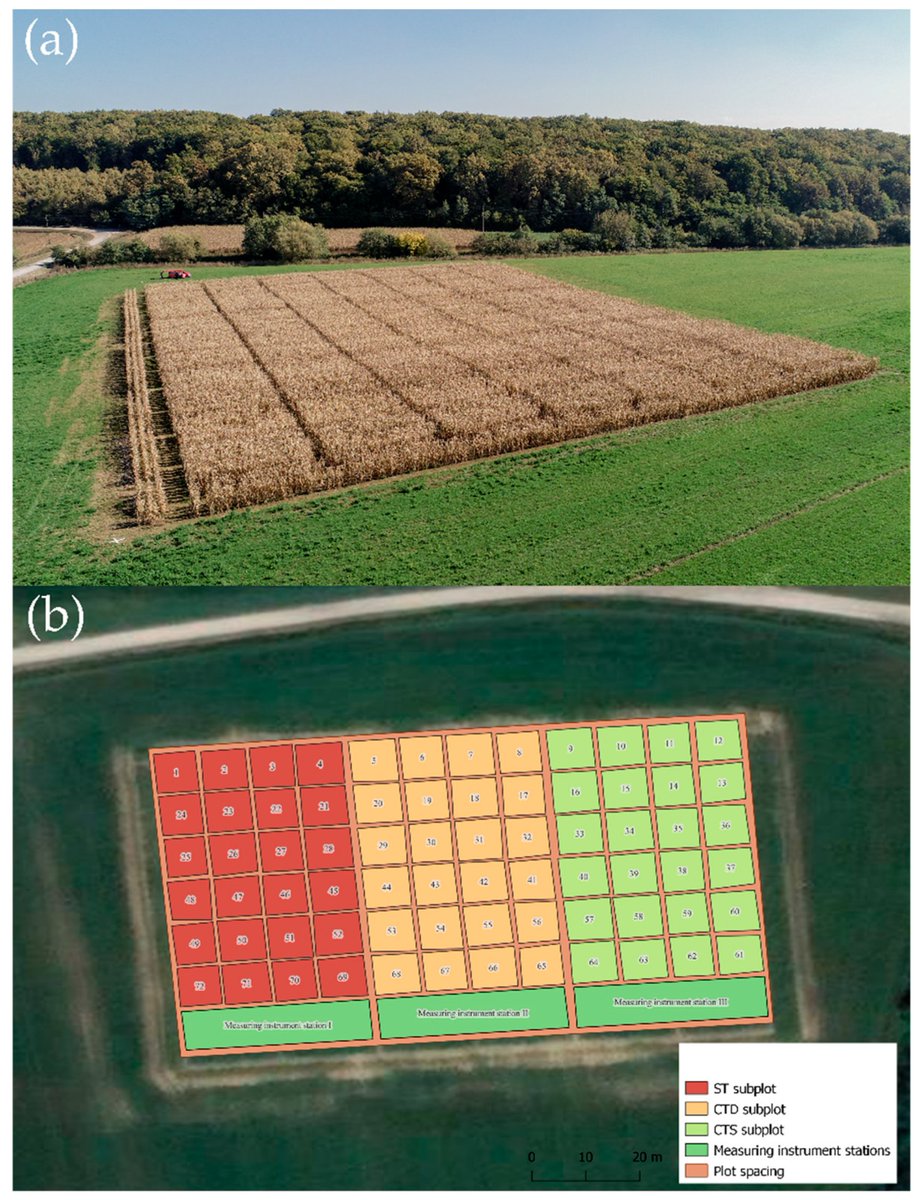
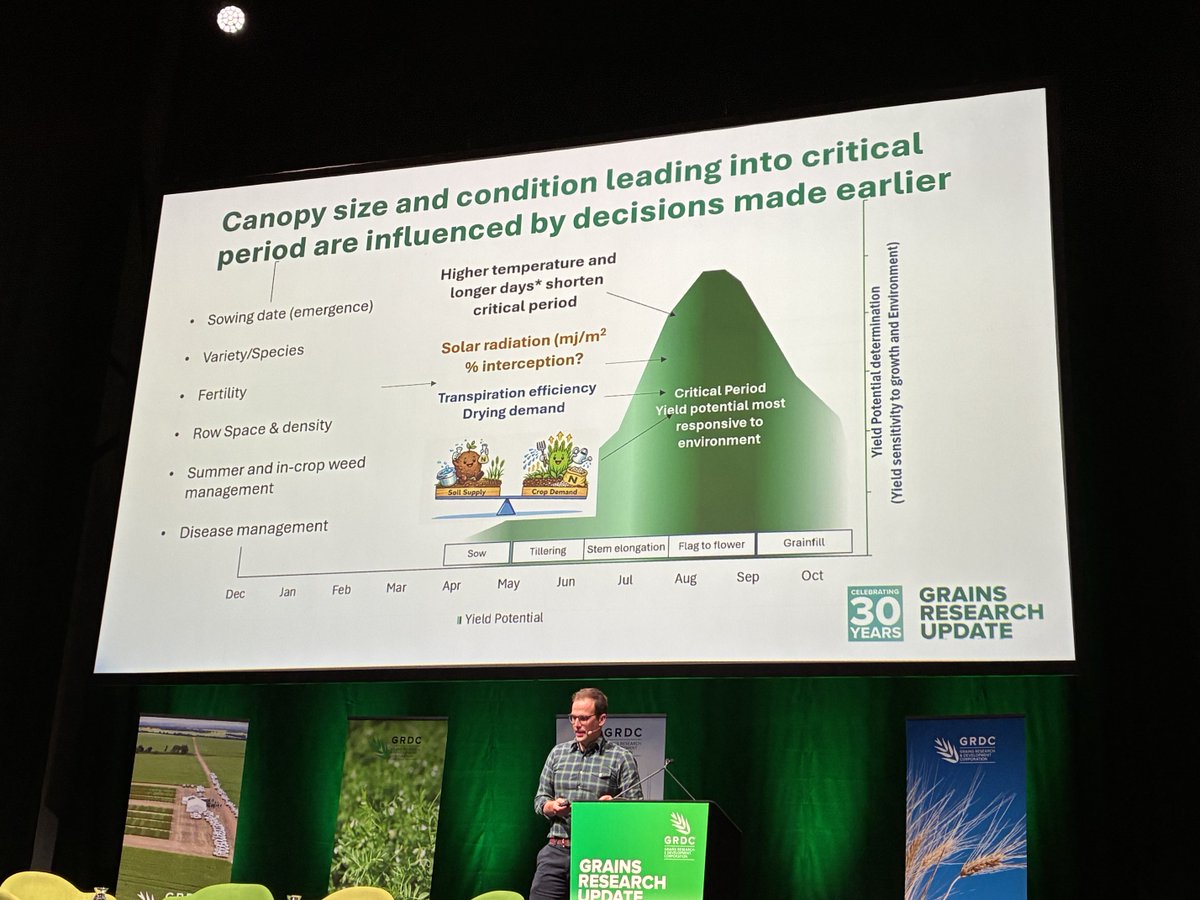
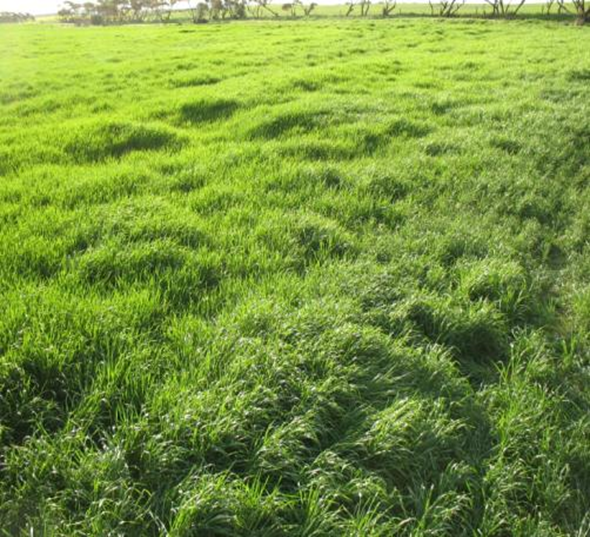
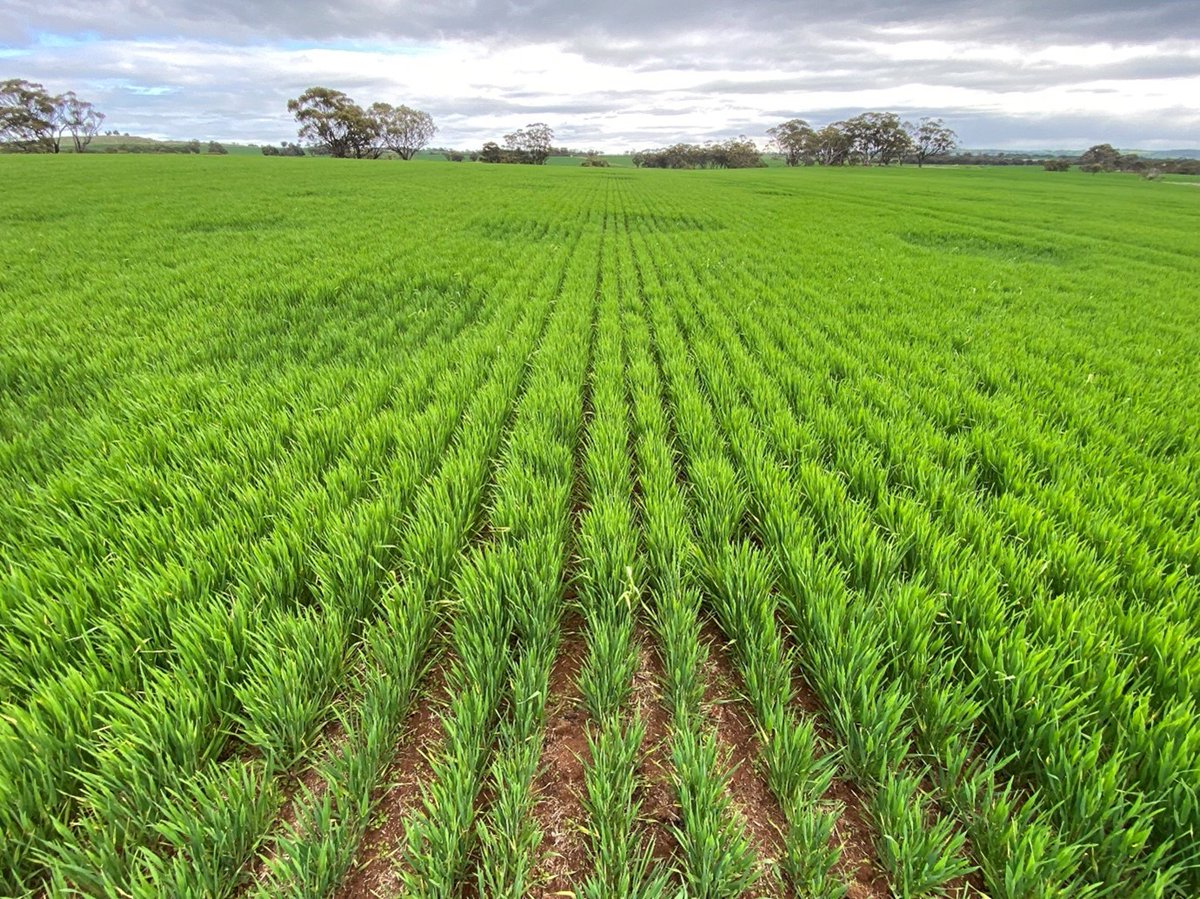
Final sampling from the sorghum trial - luxurious growth in the sandy soil at Loxton in the hot and dry Mediterranean environment. Thanks to researchers @CSIRO and PIRSA-SARDI.
How can soil spectroscopy be used to create more accurate, scalable soil health maps for Denmark and beyond? Our new blog digs deep into the topic: https://t.co/r8aFEHaqXq
NEW
What Is a Healthy Soil for Winegrape Production? Grower Perspectives Differ From Soil Health Paradigms
Gonzalez-Maldonado et al.
https://t.co/aCtFYOXopH
@wileyearthspace @SUMjournal@Soil_Science#Soil#Research
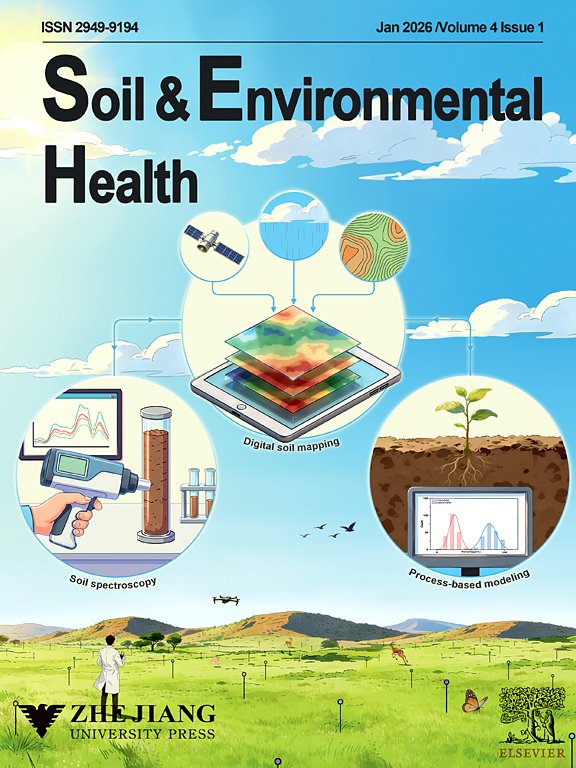
🌱Fresh off the press! Volume 4, Issue 1 of Soil & Environmental Health is now out!
Dive into the latest peer-reviewed publications advancing soil health, environmental quality & sustainability.
Full access here: https://t.co/gBMyaFLOSa @ElsevierConnect@ElsLifeSciences
ON TOMORROW - growers - help shape future grains research.
New Frontiers Grainstorming Goondiwindi
3 Mar | 7:30-9:30am
Bring your ideas. Influence where GRDC invests next.
🔗 https://t.co/vCNaBpvCJG
#GRDC
How important are the below ground plant parts to the nitrogen available for subsequent crops following a short or long fallow? Hai Nguyen @UQ_News shares results looking at the differences.
Paper: https://t.co/63cKEuhdGM
#GRDCUpdates#Goondi
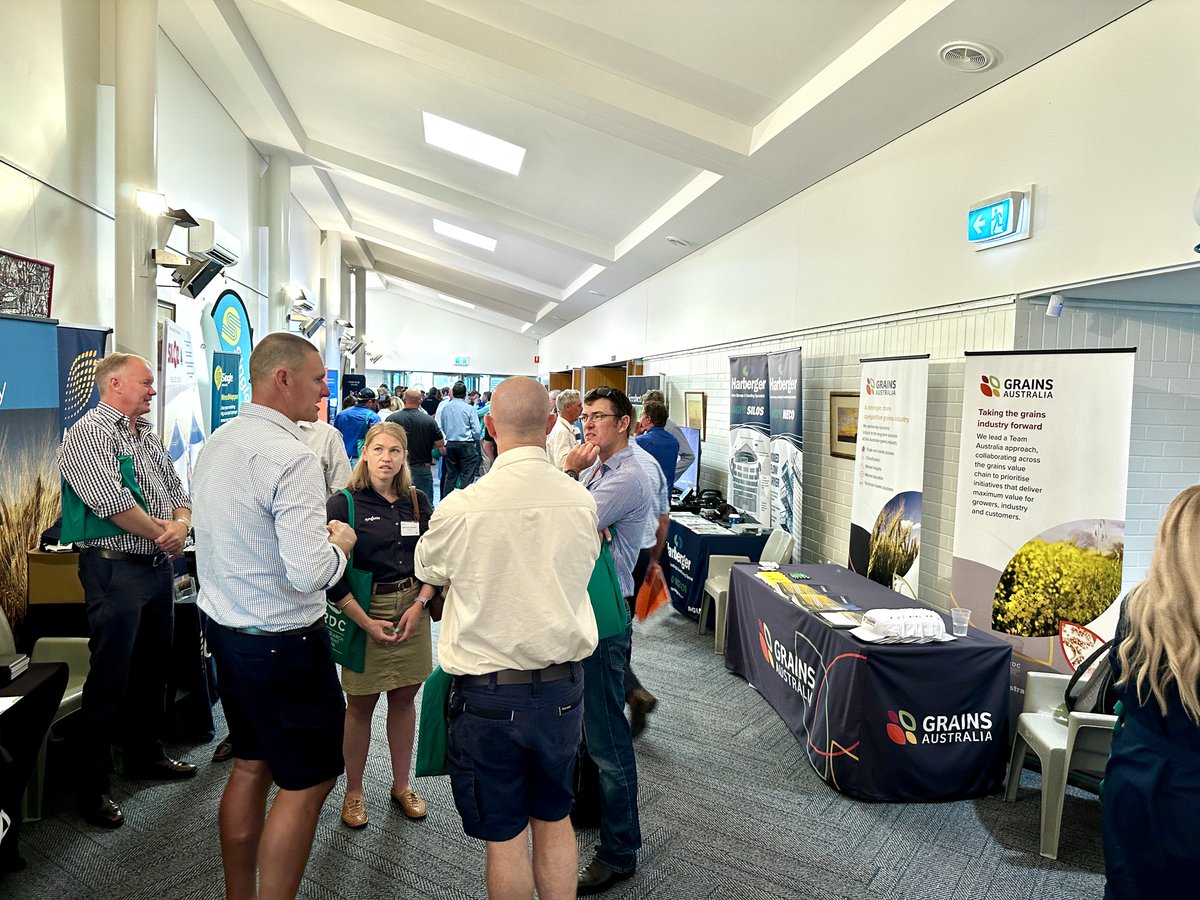
We’re excited to be back in Goondiwindi for another packed GRDC Grains Research Update.
We love any opportunity to chat with growers and showcase the key Grains Australia functions that support our industry.
Grains Australia is an initiative of @theGRDC.
#GRDCUpdate
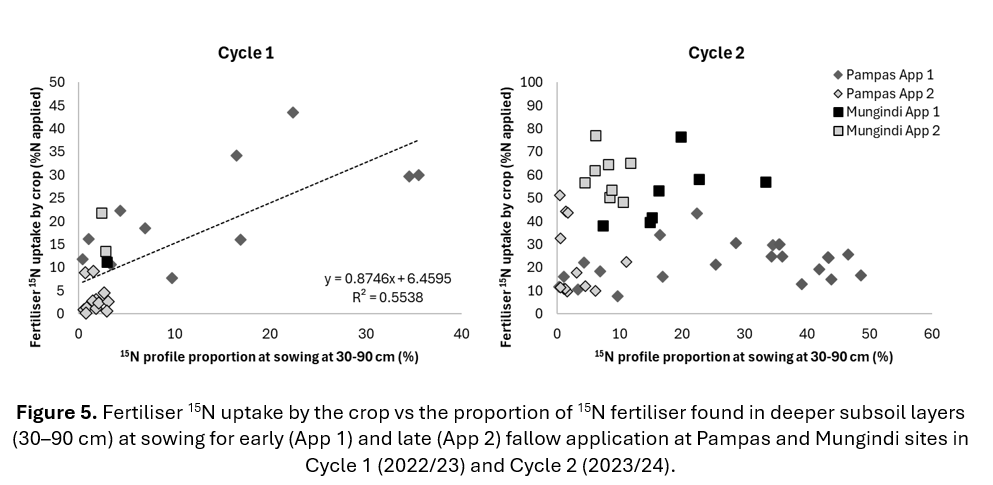
What happens to nitrogen fertiliser when applied during the fallow? And how much difference does timing and seasonal rainfall make? Yui Osanai @UQ_News shares the results of comprehensive research at Pampas and Mungundi. #GRDCUpdates#Goondi Paper: https://t.co/0IP7fyarug
The genome structure of the globally significant agricultural pathogen Rhizoctonia solani AG-8 that inflicts substantial losses to a wide range of crop hosts revealed - https://t.co/nySEuYnbnd
@DPIRDbroadacre Integrated management strategies that reduce pathogen abundance and strengthen microbial buffering capacity are the best solution to reduce yield losses from Rhizoctonia disease @csiro
🔈Rhizoctonia disease causes significant yield losses in WA cereals, especially barley. A DPIRD-led research project unveiled potential management strategies to reduce the diseases impact. Read all about it in the latest #ProtectingWA Crops newsletter.
🔗https://t.co/3noBaQaPfp
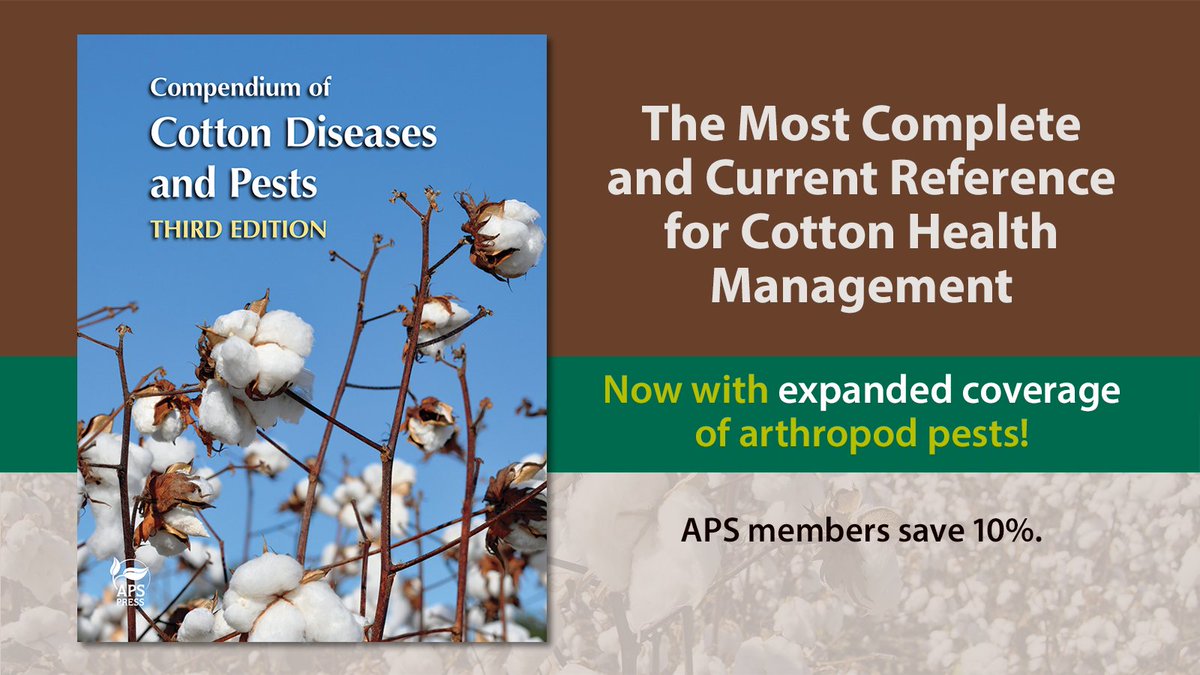
NEW! This essential third edition of “Compendium of Cotton Diseases and Pests” delivers the most up-to-date information on cotton diseases, arthropod pests, and abiotic disorders—making it the most comprehensive guide of its kind to date. Explore now: https://t.co/pve3IsDFn7