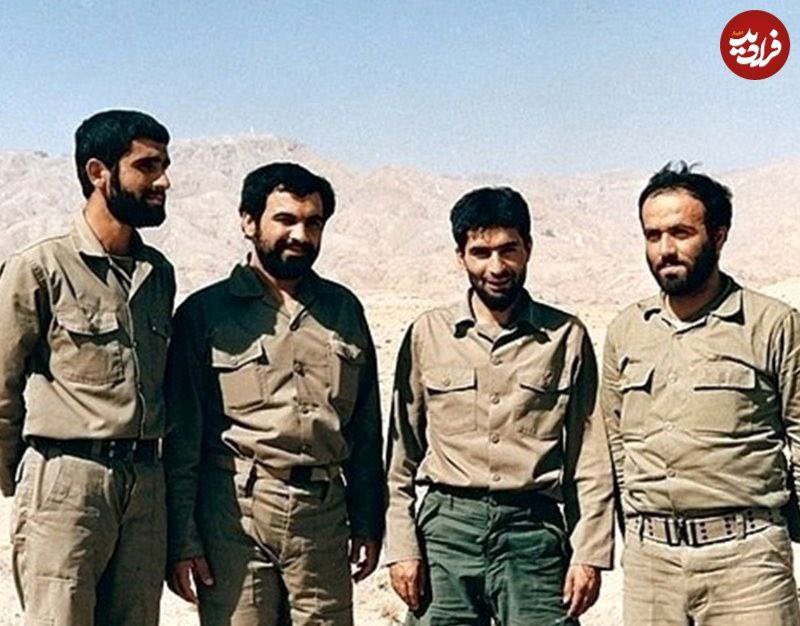
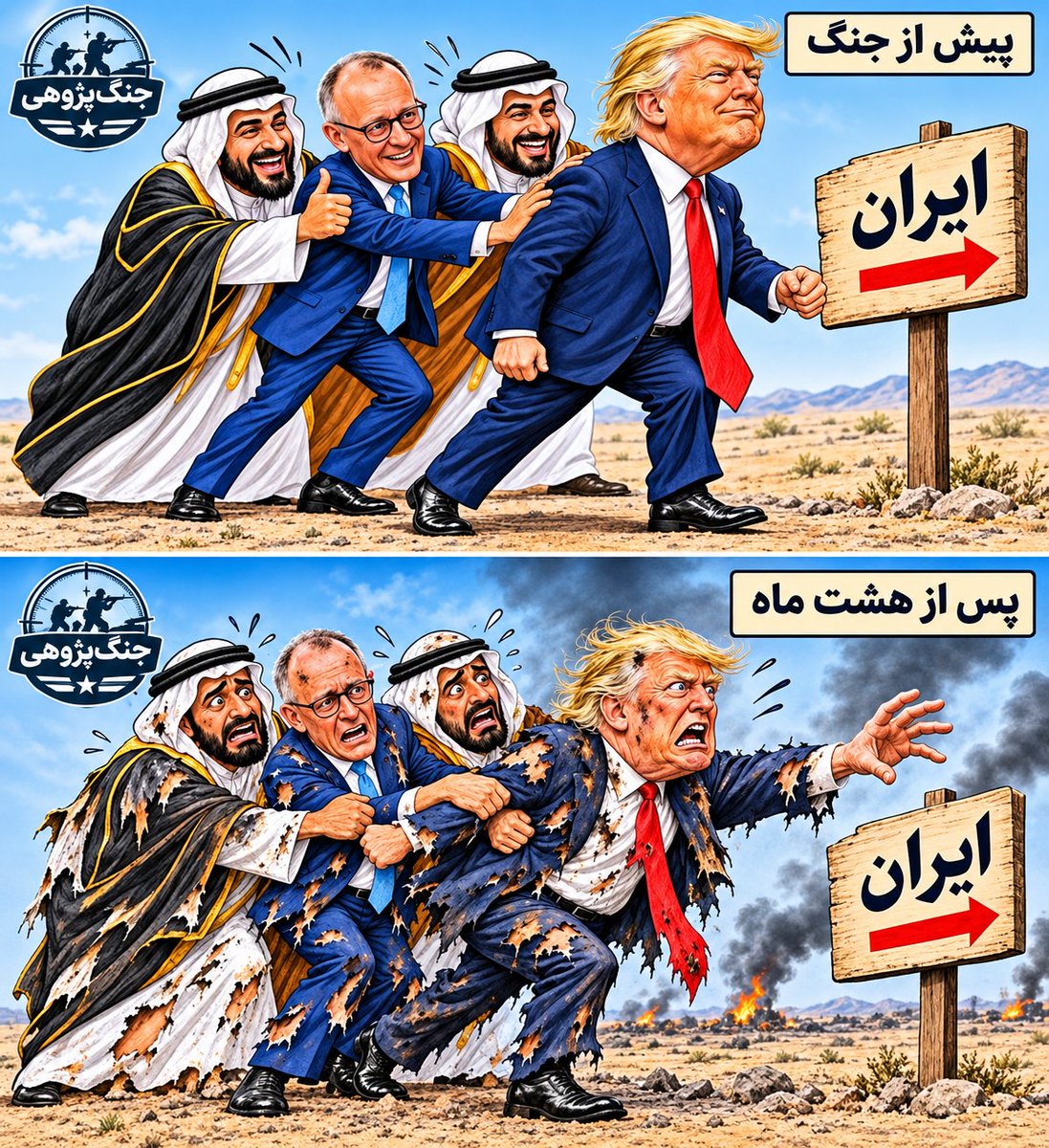
"مردانی که حتی پس از رفتنشان، میراثشان در حال دفاع از وطن است"
در اینجا تصویری از شهید سردار امیر علی حاجی زاده را در کنار همرزمانش در دوران دفاع مقدس ملاحظه میکنید (نفر سمت چپ). در این تصویر شهید حسن طهرانی مقدم پدر صنعت موشکی ایران نیز حضور دارد (نفر دوم از راست).
#ایران
صباح الخير على غزة
صباح الخير على هرمز وعلى كل من قال "لا"
صباح الخير على باب المندب وعلى إخوان الصدق
صباح الخزي والعار لعبيد ترامب وأصحابه الطغاة المجرمين
أكبر خاسر ليس ترامب ولا الصهاينة ولا حتى حزبه الجمهوري، ولو أنهم جميعاً خاسرون، أكبر خاسر هم صعاليكه العرب من بياعين الشرف والعرض. أنظمة حزب ابستين النفطية.
The Iranian nation handed Trump a strategic defeat on the battlefield and in the Hormuz—and a POLITICAL DEFEAT in Washington. Meanwhile, Americans got stuck with the bill for his war.
Anyone who takes on Iran will pay the price—from the battlefield to their own doorstep.
Conscience or the cost of living, Americans said NO TO WAR, and we endorse this message.
If the US govt betrays their public will to serve international paymasters and blackmailers, it will learn our NO comes with a Nightmare.
@mehrdad1518222 با احترام، ولی بحث من درباره بانی و منشأ این جنگ و آتش افروزی بود، نه تحلیل ریشههای ضعف داخلی.
اینکه عدم اقتدار داخلی آسیبپذیری میاره کاملا درسته
اما جرم تجاوزگر رو پاک یا توجیه نمیکنه. مسئله اینه که تاوان خریت اونا رو نباید مردم ما بدن.
🗳 تازهترین آمار رسمی انتخابات میاندورهای آمریکا (بر اساس آخرین نتایج تصویری)
روند شمارش آرا و اعلام کرسیهای مجلس نمایندگان و سنا با جابهجایی نخستین صندلیها در جریان است:
🏛 مجلس سنا (رقابت بر سر ۳۵ کرسی): ▫️ نتایج قطعیشده: ۱۶ کرسی از ۳۵ کرسی • دموکراتها: ۴۵ کرسی (۱+ کرسی چرخش/جابهجایی به نفع دموکراتها) • جمهوریخواهان: ۳۶ کرسی (آمار دموکراتها شامل ۲ نماینده مستقل همپیمان است)
🏛 مجلس نمایندگان (حدنصاب اکثریت: ۲۱۸ کرسی): ▫️ نتایج قطعیشده: ۱۶۲ کرسی از ۴۳۵ کرسی • دموکراتها: ۱۰۲ کرسی (۲+ کرسی چرخش/جابهجایی به نفع دموکراتها) • جمهوریخواهان: ۶۰ کرسی
🔄 وضعیت تغییر کرسیها (Flips): برخلاف نتایج اولیه، چرخش صندلیها رسماً آغاز شده است: • در سنا، دموکراتها موفق به کسب ۱ کرسی جدید (+۱) از حوزههای رقیب شدهاند. • در مجلس نمایندگان نیز دموکراتها تا این لحظه ۲ کرسی (+۲) را از رقیب پس گرفته یا جابهجا کردهاند. • در حوزههای امنِ اوهایو (حوزه ۱۴)، میسیسیپی (حوزه ۱)، ایلینوی (حوزه ۱۶) و کارولینای جنوبی (حوزه ۴)، جمهوریخواهان موفق به حفظ کرسیهای پیشین خود شدند. ⏱️ شمارش آرا در ایالتهای غربی و حوزههای کلیدی ادامه دارد.
@DonSolito وقتی کسی مثه نتانیاهو برای حفظ قدرتش منطقه رو به آتش میکشه، تاوانش رو نباید مردم ایران یا منطقه پس بدن.
اونا تو باتلاق تصمیمات ابلهانه خودشون گیر کردن، راه نجاتشون رو در راه انداختن به جنگ جدید میبینن
این قانون جنگل نیست، قربانیکردن یک ملت برای رسیدن به اهداف کثافت خودشونه
أكدتُ في حواري مع شبكة الجزيرة أننا لا نكنّ أي عداء لدول مجلس التعاون، ونثمّن الدور الإيجابي الذي تؤديه قطر وعُمان، ونواصل الحوار مع السعودية. هدفنا الوصول إلى ترتيبات أمنية إقليمية جديدة تقوم بها دول المنطقة نفسها، بعيدًا عن أي وجود عسكري أجنبي.
https://t.co/19ER3bOjoW
Under pressure from Israeli prime minister Benjamin Netanyahu, the Trump administration may be within days of launching a nuclear strike on Iran. The target would be Pickax Mountain in central Iran, where Israeli intelligence claims the Iranian government has restarted its nuclear enrichment program. No conventional weapon in the American arsenal can penetrate 300 feet of solid granite to destroy the tunnels where enrichment is supposedly taking place. The only military option is a nuclear strike. Netanyahu has been pushing hard for one. “Bibi calls Trump about it every day,” says an informed observer.
Netanyahu is cornered and desperate. After last week’s election results, he can’t form a government unless Trump intervenes directly in Israeli politics and brokers a deal with other parties that gives Netanyahu 61 seats in the Knesset. Otherwise, he is out as prime minister and on his way to ignominy, investigations and possibly jail. Netanyahu must stay close to Trump. He needs this war.
To that end, he’s applied maximum pressure to his closest allies in the administration, including Secretary of Defense Pete Hegseth and CENTCOM commander Brad Cooper. Both oppose a negotiated settlement to the war they’ve so grievously mismanaged; both are pushing to restart major combat operations. Secretary of State Marco Rubio and CIA director John Ratcliffe are also following Netanyahu’s lead, as are leaders of the Democratic Party. In a recent meeting on the subject, former president Barack Obama said he opposes the current Iran peace deal being drafted in Doha.
The rest of America’s longtime allies in the Middle East are terrified by the prospect of more war. On September 27th, Netanyahu flew secretly to Abu Dhabi to enlist the UAE in his lobbying effort for a final attack on Iran. The Emiratis refused. After eight months of conflict, Gulf economies are teetering. So are global energy and fertilizer markets. They won’t recover soon. Globally, there are a total of about 850 supertankers used to transport oil from producers to the rest of the world. In October alone, 11 of them were badly damaged in Hormuz. At this pace, a global depression is imminent. A nuclear strike would radically accelerate the destruction. Fallout from a ground explosion at Pickax Mountain would contaminate the Persian Gulf, poisoning the water supply for 100 million people.
And those are just some of the immediate consequences for the region. The rest of the world is every bit as exposed. No country other than the United States has ever used a nuclear weapon in war. Some would like to. An American nuclear attack on Iran would set a new precedent. The Russians have already told at least two other governments that an American nuclear strike on Iran would free them to use nuclear weapons against Ukraine. Pakistan and India would be tempted to do the same against each other, as would North Korea against Seoul. After the first nuclear strike, World War Three is inevitable. That war would be short and final.
We’ve been sleepwalking toward this moment for months. Since February, the administration has quietly rewritten America’s nuclear doctrine to make first use of so-called “battlefield nukes” easier and therefore more likely. No one in Washington in either party seems bothered by this. Now we’re on the brink of it.
Close observers say Trump is likely to decide by next weekend whether or not to use nuclear weapons. That would be November 7, six days from now. To his credit, he’s hesitating. At the moment, Trump is listening to his vice president, JD Vance, and to his envoy and friend Steve Witkoff, both of whom argue a deal with Iran can be made.
They’re right, though it won’t be simple. The Iranians are famously frustrating to negotiate with under any circumstances, and elements of that government have become more radical since Ayatollah Ali Khamenei and his family were killed in February. After decades of isolation, even relatively moderate Iranian leaders seem confused by how decisions are made in the West. (There is a widespread belief in Tehran, for example, that the United States government controls Israel.) But overall, people who have spoken to decision-makers in Iran say there is consensus there that more war is bad for everyone and a deal is worth making.
One group that hasn’t been consulted so far is the global population — the hundreds of millions of people who will be killed along with their children if Trump is pushed by Netanyahu into launching a nuclear strike next week. Now would be the time for them to speak up.