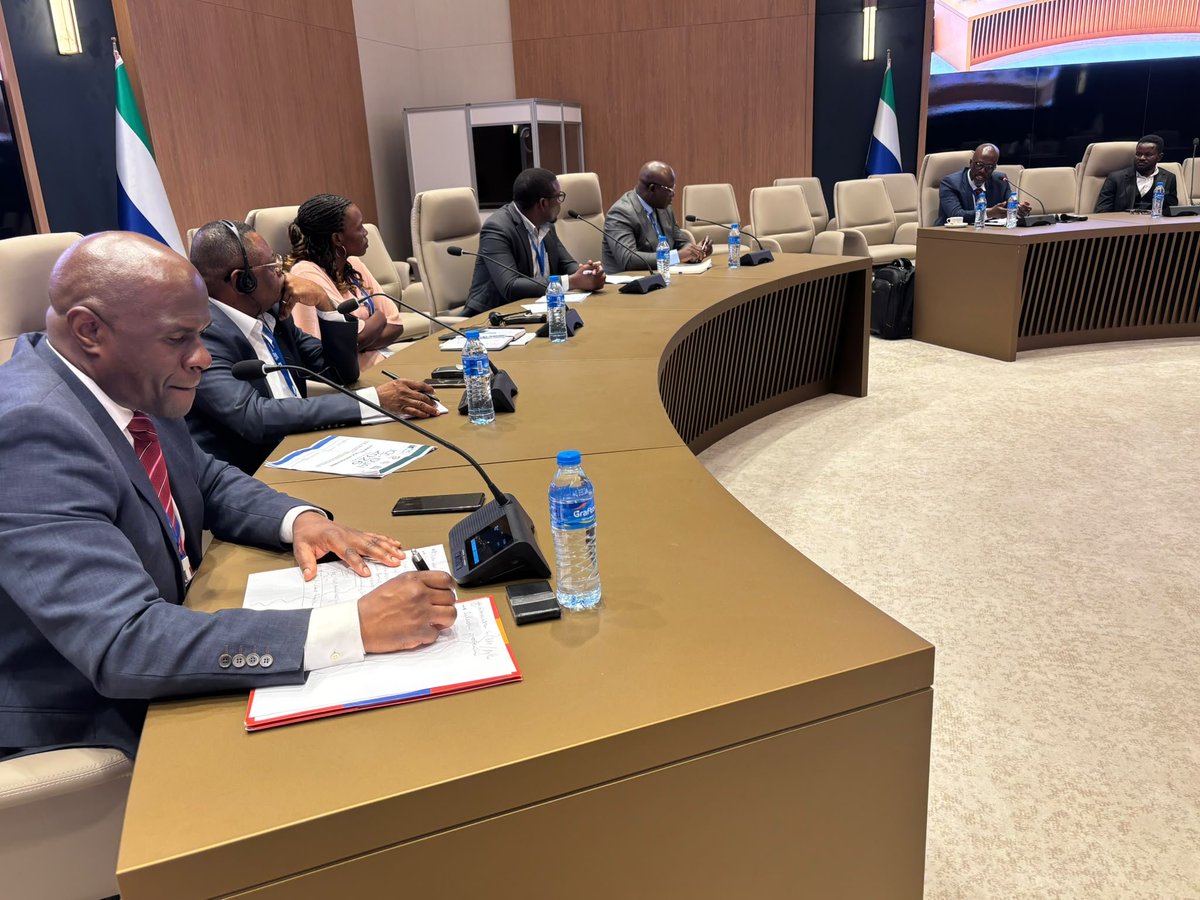
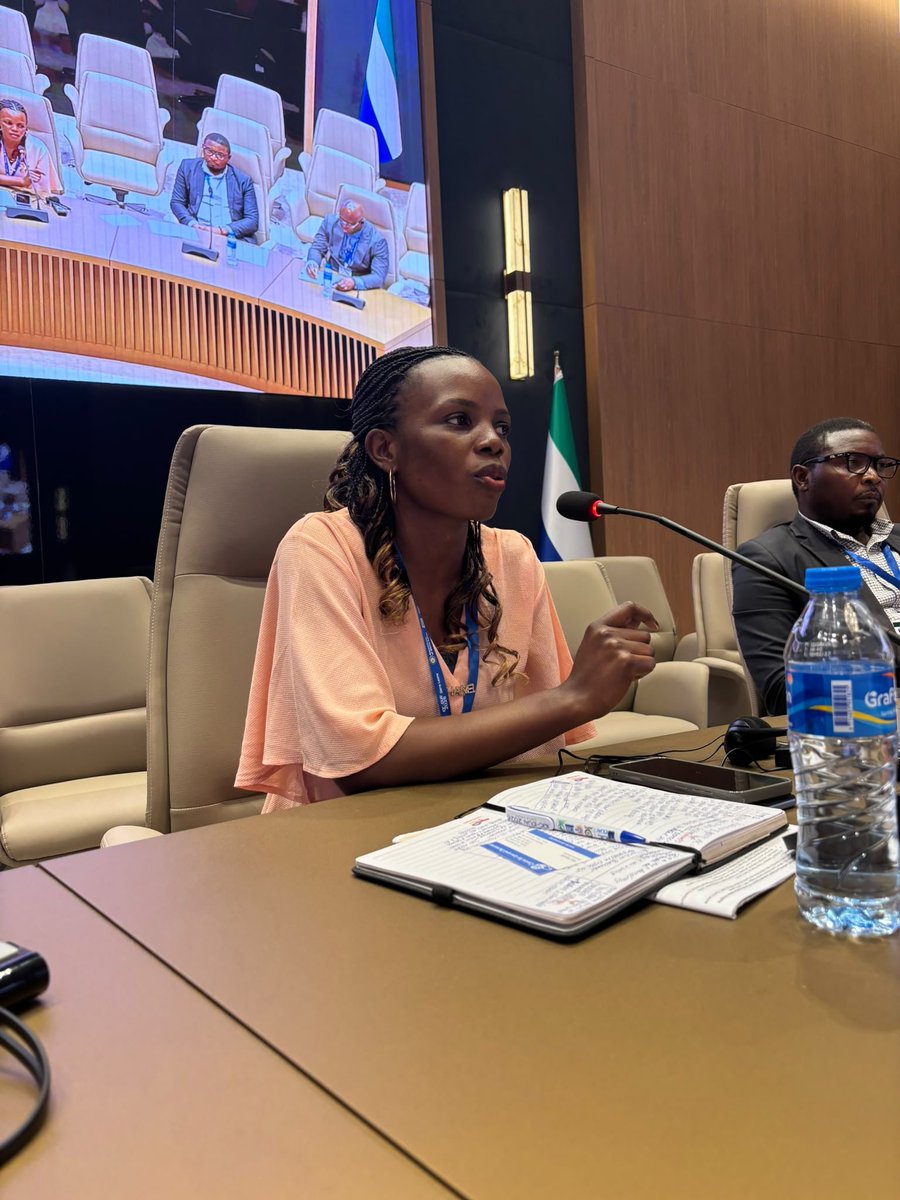
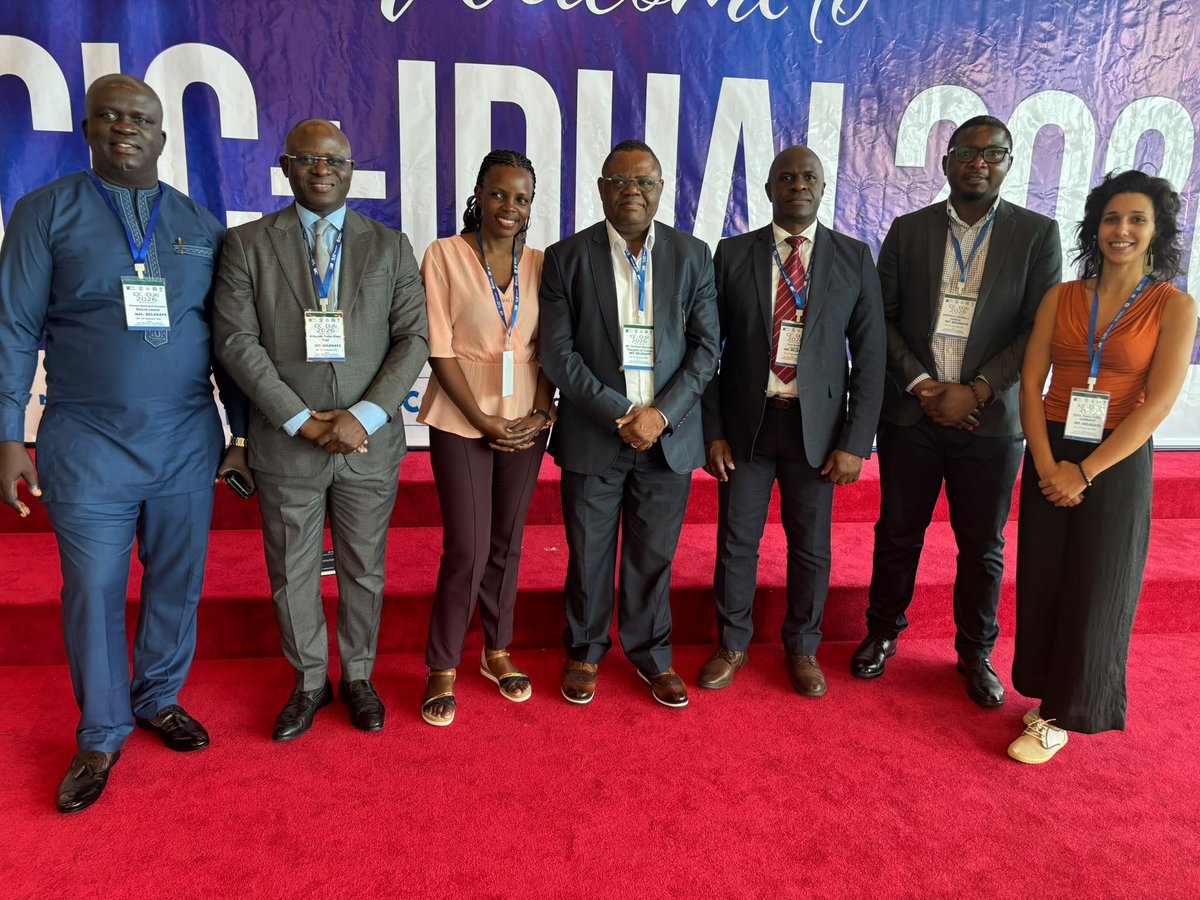
To mark the International Day for Universal Access to Information #IDUAI2026, @anticorruption joined the International Conference of Information Commissioners and UNESCO’s global conference. It was great sharing & learning more about access to information and anti-corruption.
@tiuganda1 represented by our Program Manager Ms. Lilian Zawedde Sentaza @Lilsente has joined colleagues from Togo, Zambia, Congo and the TI Secretariat at the three-day international conference in Sierra Leon held in commemoration of the International Day for Universal Access to Information (IDUAI).
During the conference, participants had an opportunity to share experiences and reflect on how access to reliable information can strengthen public accountability.
One of the key takeaways from these engagements is that transparency and access to information go hand in hand. Making public information available is essential ensuring that it is credible, understandable and accessible is what enables people to use it to ask questions and hold institutions accountable.
@tiuganda1 represented by our Program Manager Ms. Lilian Zawedde Sentaza @Lilsente has joined colleagues from Togo, Zambia, Congo and the TI Secretariat at the three-day international conference in Sierra Leon held in commemoration of the International Day for Universal Access to Information (IDUAI).
During the conference, participants had an opportunity to share experiences and reflect on how access to reliable information can strengthen public accountability.
One of the key takeaways from these engagements is that transparency and access to information go hand in hand. Making public information available is essential ensuring that it is credible, understandable and accessible is what enables people to use it to ask questions and hold institutions accountable.
The dialogue seeks to;
✓Build a shared understanding of the principle forms, Drivers and dev't implications of illicit financial flows in ug
✓identify priority legal, institutional, administrative & tech reforms for prevention, detection, investigation & recovery, @OPMUganda
~We will use this report as a learning lesson and include some of these recommendations into our workplans to ensure effective utilization of the GPP in these Local Governments~ Mr. Abaine Micheal @abaine11 Manager Compliance, Performance monitoring @PPDAUganda in this reaction to the presentation by @tiuganda1
Ms. Lilian Zawedde Senteza @Lilsente while making a presentation on Strengthening Utilization of the Government Procurement Portal (GPP) "Findings, Implementation Gaps and Opportunities for Collaboration" she highlighted;
* Findings from the 9 trainings
* Key bottlenecks identified
* Proposed TI-Uganda & PPDA Partnership
* Strengthening mechanisms for consistent GPP utilization
I was privileged to present findings from the training and follow‑up meetings on the #GPP – a key transparency tool that centralizes public procurement information and strengthens oversight. @PPDAUganda@tiuganda1.
@qataharraymond@Lilsente digital penetration is also a major challenge of making information easily and readily available. This is coupled with the growing practice of internet shutdowns across the region.
@qataharraymond@Lilsente the mandate to provide information is under the custody of information officers. However some agencies either lack the information personnel, or the personnel do not have the relevant capacity to make the required information available.
@Lilsente Low awareness, poor record management, secrecy culture are among the major hindrances to making use of the Right to Information in Uganda and across the region. For effective anti-corruption, declarations, budgets, procurements and other related processes must be open to public scrutiny for impactful action and effective whistle blowing.
@Lilsente Uganda's constitution and the Access to Information Act provide a legal basis for the right to information. However, enforcement of the provisions of the Act and the absence of a dedicated oversight body to implement the Right to Information affect effective implementation
📢 Reminder!
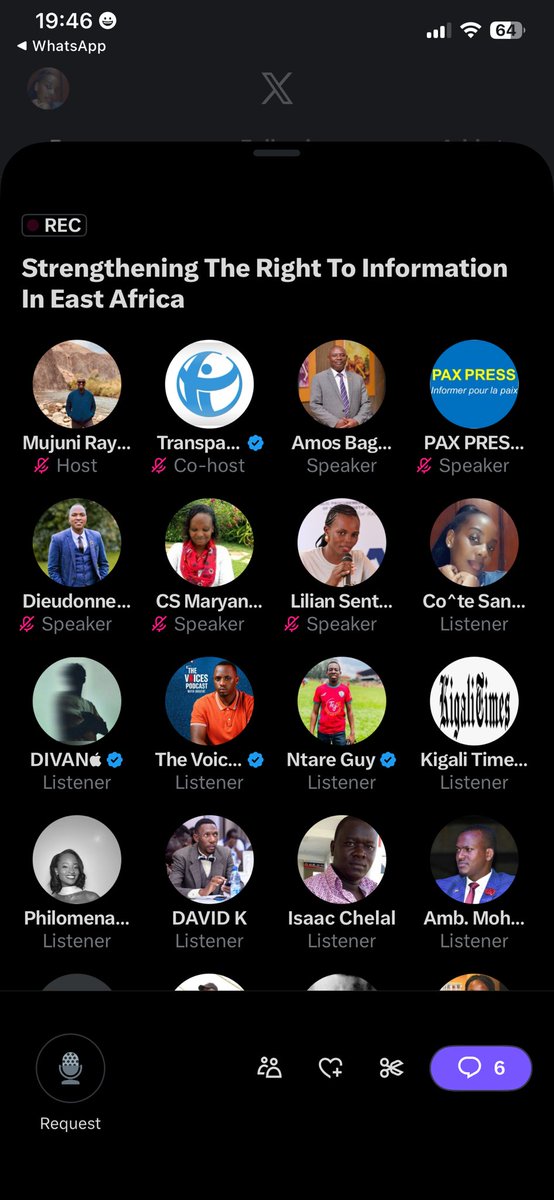
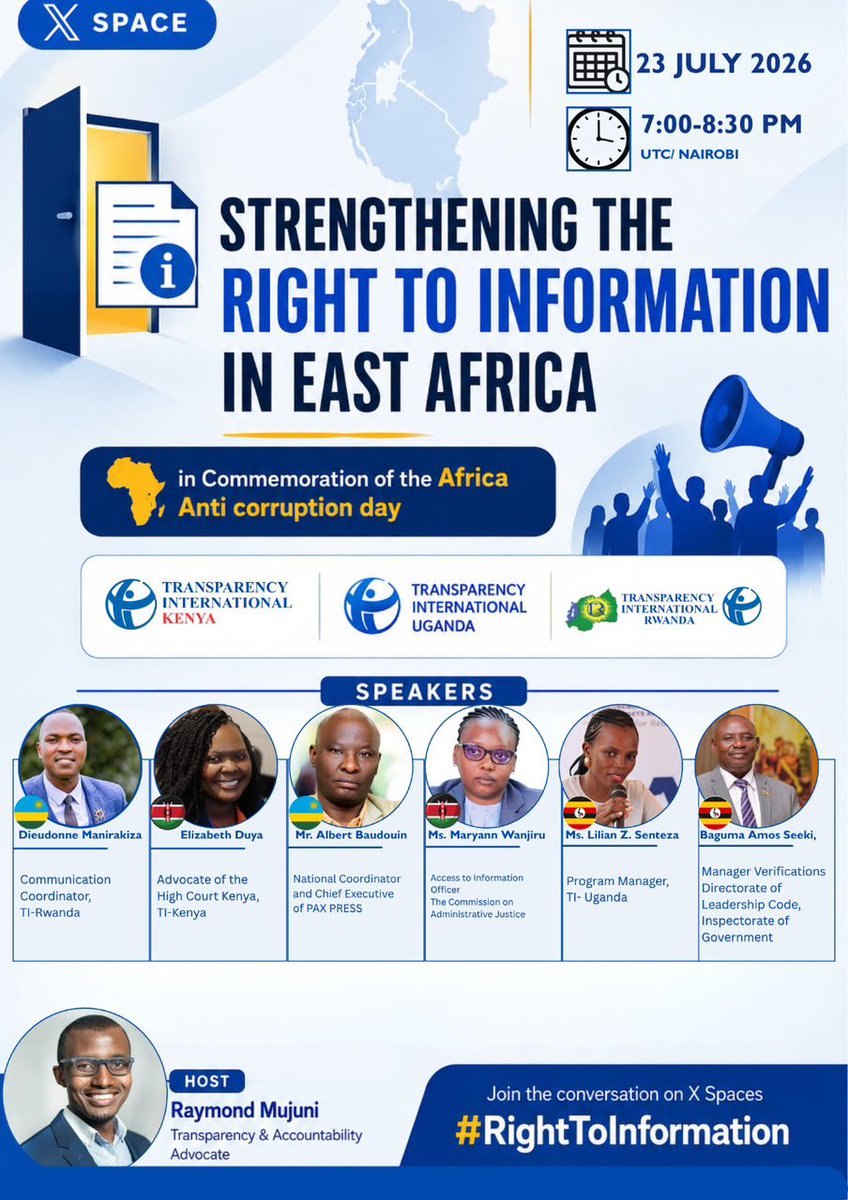
Join us tomorrow as Transparency International Uganda, Kenya and Rwanda discuss on an engaging X Space on Strengthening the Right to Information in East Africa hosted by @qataharraymond
Access to information is a cornerstone of transparency, accountability and the fight against corruption. Don’t miss this important regional conversation featuring experts from across East Africa.
🗓️ 23 July 2026
⏰ 7:00–8:30 PM (UTC/Nairobi)
🎙️ Join the conversation using
@MaryannWanjiru@NLinUganda, @DKinUganda, @IGGUganda
#RightToInformation
I will be part of this discussion tomorrow.
If you want to know how the Right To Information strengthens anti‑corruption in East Africa, this Space is for you.
@TIKenya@TI_Rwanda@Man_Dieudonne#RightToInformation
For social accountability initiatives to succeed, stakeholders must have access to accurate and timely data on public programs, funded and implemented. Without this, oversight becomes guesswork.
Public agencies can support oversight initiatives by publishing user‑friendly information.
Join us 23rd July 7:00 PM- 8:30 PM
Live- X Space https://t.co/gW0mqstvYq
@TI_Rwanda@IGGUganda@TIKenya@DKinUganda
Don't miss the #EastAfrican Regional conversation on RTI this Thursday 23rd July 2026 from 7:00PM-8:00PM with @TIKenya@TI_Rwanda and @tiuganda1
Access to Information is making a difference—but its anti-corruption impact remains limited.
🇰🇪 Kenya: RTI has exposed procurement irregularities and strengthened disclosure.
🇷🇼 Rwanda: Digital procurement and justice systems have improved access to key datasets.
🇺🇬 Uganda: Whistle-blower mechanisms have helped recover misappropriated public funds.
However, across all three countries, access to high-risk corruption information—including asset declarations, procurement contracts, and enforcement data remains restricted. Weak whistle-blower protection, selective disclosure, and limited publication of enforcement outcomes continue to undermine transparency and accountability.
Right to Information (RTI) laws exist in #Kenya, #Rwanda and #Uganda—but implementation gaps persist. Kenya has the strongest legal protections, Rwanda offers robust safeguards, while Uganda's framework remains more limited.
Across all three countries, broad exemptions, weak enforcement and no penalties for unlawful refusals continue to restrict access to public information. Join @tiuganda1@TIKenya & @TI_Rwanda this Thursday 23rd July 2026 from 7:00PM - 8:00PM in an X-Space as we break down these provisions and their impact on anti-corruption.
Corruption continues to undermine governance, service delivery, and public trust across East Africa. In #Kenya, #Uganda, and #Rwanda, the Right to Information (RTI) is widely recognised as a foundational accountability mechanism and an essential tool for preventing and detecting corruption. All three countries have adopted legal frameworks guaranteeing access to information and are party to international and regional instruments that enshrine transparency obligations.
@tiuganda1@TIKenya and @TI_Rwanda analysed the effectiveness of RTI as an anti-corruption tool and examined the extent to which legal guarantees translate into access in practice. the analysis focused on the interaction between RTI and key corruption risk areas, including procurement, public finance management, asset declarations, whistleblowing,
and oversight.
Join Us this Thursday 23rd July from 7:00PM- 8:00PM as we bring you a penal of expats to discuss this important topic.
Corruption continues to undermine governance, service delivery, and public trust across East Africa. In #Kenya, #Uganda, and #Rwanda, the Right to Information (RTI) is widely recognised as a foundational accountability mechanism and an essential tool for preventing and detecting corruption. All three countries have adopted legal frameworks guaranteeing access to information and are party to international and regional instruments that enshrine transparency obligations.
@tiuganda1@TIKenya and @TI_Rwanda analysed the effectiveness of RTI as an anti-corruption tool and examined the extent to which legal guarantees translate into access in practice. the analysis focused on the interaction between RTI and key corruption risk areas, including procurement, public finance management, asset declarations, whistleblowing,
and oversight.
Join Us this Thursday 23rd July from 7:00PM- 8:00PM as we bring you a penal of expats to discuss this important topic.
IGG CALLS FOR COLLECTIVE ACTION TO IMPROVE UGANDA'S CORRUPTION PERCEPTIONS INDEX RANKING
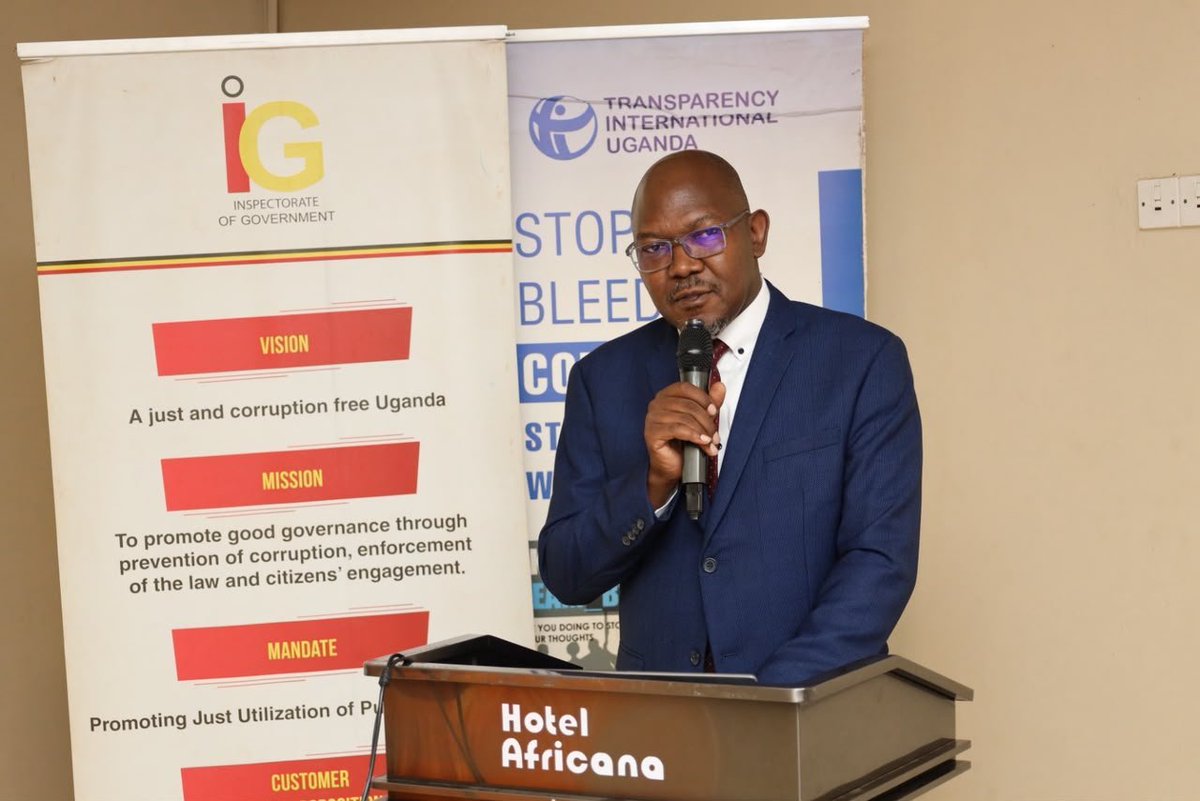
The Inspector General of Government (IGG), Lady Justice Naluzze Aisha Batala, today opened a high-level breakfast meeting at @HotelAfricana to discuss Uganda's performance in the 2025 Corruption Perceptions Index (CPI) and identify practical strategies for improving the country's ranking.
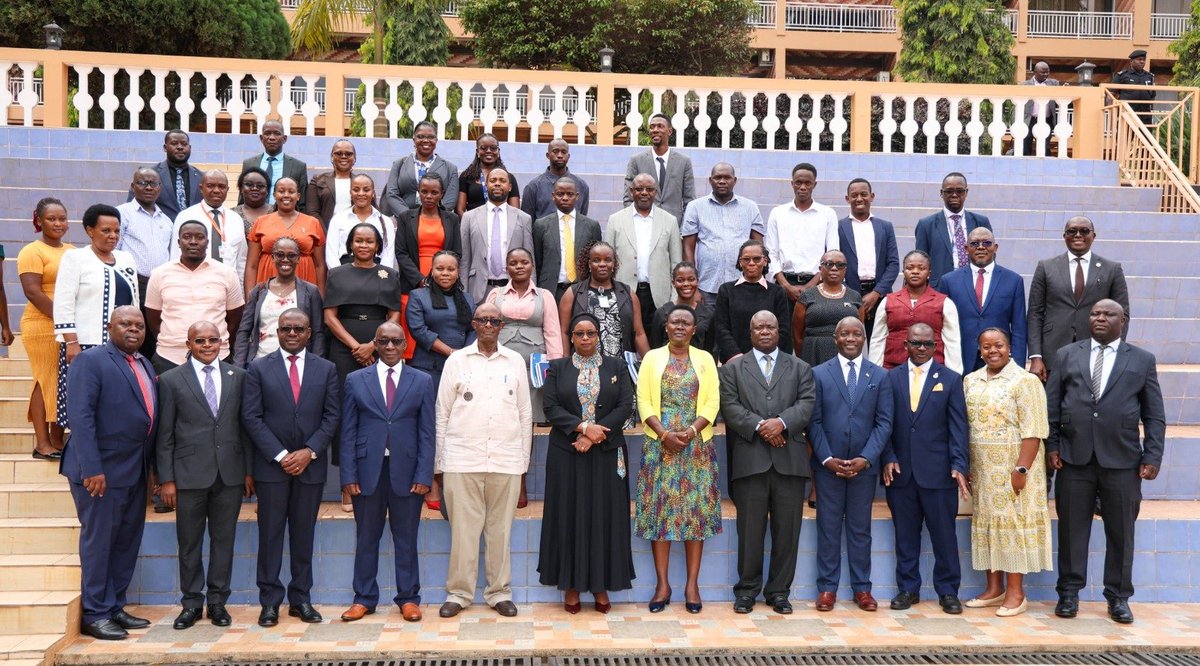
The meeting, organised by @tiuganda1 in partnership with @IGGUganda brought together representatives from anti-corruption agencies and other Government institutions, civil society organisations, development partners and the media to deliberate on collaborative actions to strengthen integrity and accountability in Uganda.
The IGG described the recently released 2025 CPI as presenting a sobering picture. Uganda's score declined to 25/100 from 26/100 in the previous year, while its global ranking dropped to 148 out of 182 countries. She noted that the decline reverses the stagnation at a score of 26 recorded over the past three years and calls for serious reflection and decisive action.
Lady Justice Naluzze explained that the CPI does not measure isolated incidents of corruption but reflects perceptions of corruption in the public sector, including bribery, abuse of office and weaknesses in accountability systems. She emphasised that these perceptions have far-reaching implications for investor confidence, public trust and national development.
She reaffirmed @IGGUganda's commitment to combating corruption, declaring that Uganda is entering a new era of zero tolerance for corruption. She stressed that the fight against corruption cannot be won by any single institution, agency or individual, but requires collective responsibility, transparency and active citizen participation.
She also noted that the global outlook remains concerning, with the average CPI score declining to 42 and more than two-thirds of countries scoring below 50, underscoring the persistent and widespread nature of corruption worldwide.
During the meeting, @JGwaira Director of Research, Education and Advocacy at @IGGUganda presented findings from the multi-stakeholder retreat that reviewed Uganda's performance in the CPI. His presentation highlighted key drivers of the country's CPI performance and proposed strategic interventions aimed at improving future rankings.
The breakfast meeting that was closed by the Minister of State for Ethics and Integrity, Hon. Akello Rose Lilly, provided a platform for stakeholders to reaffirm their commitment to strengthening anti-corruption efforts through enhanced collaboration, improved accountability mechanisms and sustained public engagement.
#ExposeCorruption #UnitedAgainstCorruption