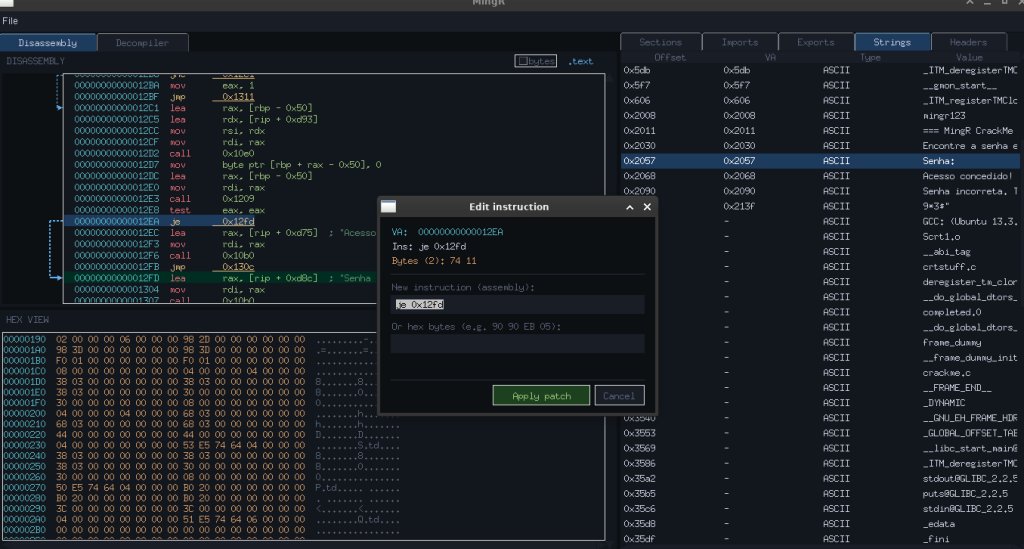
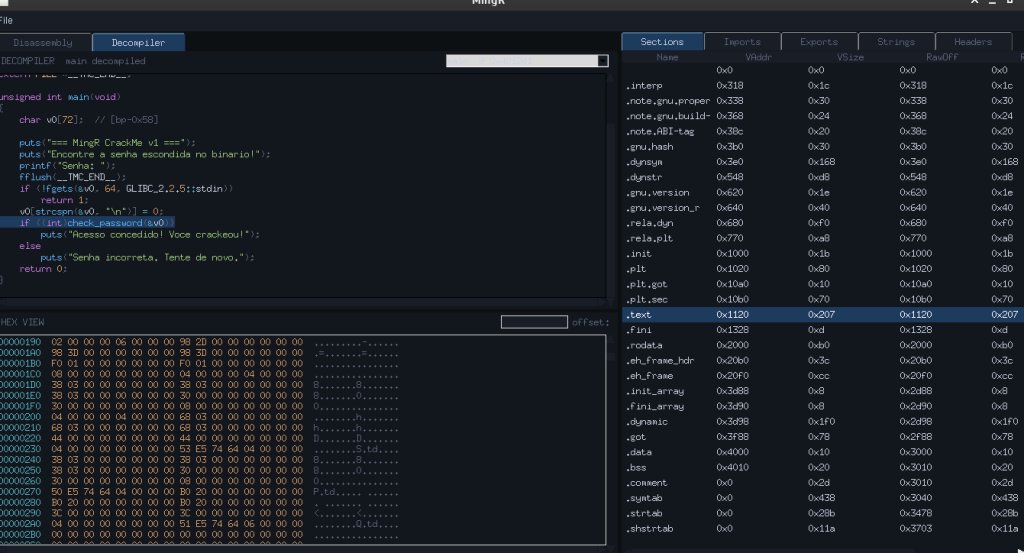
Encontrei essas imagens hoje com um antigo amigo no discord, na epoca que estava fazendo minha propria ferramenta de engenharia reversa, aushu nunca imaginei que fosse largar cyber pra me dedicar a fisica, mas agora meu deu voltade de voltar com o projeto, mesmo em tempos vagos.
@wh0isdxk para o projeto, embora ela não compartilhe as dores frequente que você relata ter, mas espero que você fique bem algum dia e possoa ficar curada disso, enfim boa sorte Dai!
@wh0isdxk Tenho uma amiga com um diagnostico parecido, foi do nada ela ficou paraplegica, achava que era algo voltada a B12 e depois começou a verificar doenças autoimune, trabalhei com ela por um tempo em pesquisas EEG por mas não conseguimos financiamento +
im of the personal opinion that people should go the way of clinicians and stop distinguishing between subtypes of OSDD and just start saying they have OSSD instead of "i have 1b"
An Editors' Pick via #OPG_OPTCON: Reflection-mode Brewster angle ptychographic microscopy for quantitative phase imaging of dielectric patterns https://t.co/8kxe3mZWZt #ImageMetrics#ThinFilms@psich_de
1/f = 1/v + 1/u is the operational logic here.
When u > 2f, the transformation is deterministic: the resulting image is real, inverted, and diminished. Watching the light rays converge to satisfy the thin lens equation in real-time is the ultimate verification of geometric optics.
This isn't about the aesthetics of the flame; it’s about the precision of the focal length acting as a spatial constant. The way the image stays pinned to the conjugate focus as the object distance varies is just pure, cold mathematics manifesting in the physical plane. If you understand the refraction indices and the ray-tracing geometry, this isn't magic; it’s just a solved system.