The 9th Symposium on General Population Screening for Type 1 Diabetes, hosted by the Barbara Davis Center for Diabetes at @CUAnschutz, will convene experts this week to address the challenges of identifying and supporting children with early-stage T1D.
Catch Grace Herod, PhD, Associate Program Officer in the Type 1 Diabetes Program at Helmsley, who will chair a session on Screening Implementation in Primary Care at 1PM MST on Monday, November 9, 2026.
Find the agenda here, with free virtual registration: https://t.co/lvs6boSBix
#DiabetesAwareness Month remind us to continue working with enthusiasm to find a cure #together so we can support infants, children and adults living with this disease. #diabetesresearcher
November is National Diabetes Awareness Month. 💙
This month we're recognizing everyone impacted by diabetes and the families, caregivers and healthcare professionals who make a difference every day. At Joslin, we're here to help ensure no one navigates diabetes alone.
Li et al. show that pancreatic α cells acquire major histocompatibility complex class II-dependent antigen-presenting capacity during #type1diabetes progression.
https://t.co/k7RBptWIoZ
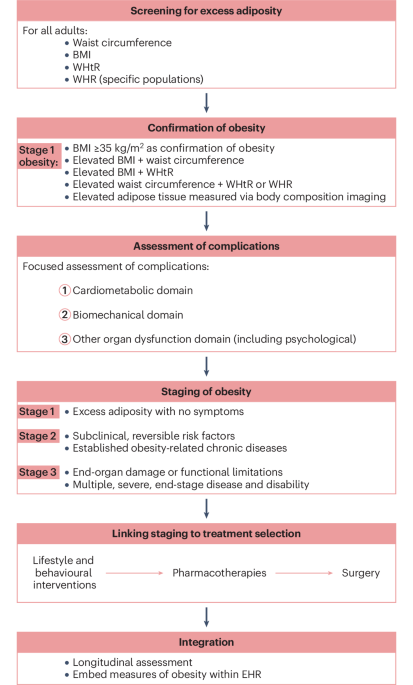
I really admire figures that can describe a concept better than long manuscripts.
This image is from an excellent paper in Nature by Vivek Subbiah about the future of evidence-based medicine and the design of clinical trials, all inspired by the rise of artificial intelligence.
This is the era of the next generation of 'deep' medicine.
"Current paradigms must be continuously challenged by emerging technology and by all stakeholders (the new generations of scientists, physicians, the pharma industry, regulatory authorities and, most importantly, patients). Disruptive innovation should lead to every clinical site being a research site, with all necessary quality checks and research as part of the standard of care.
My personal view is that every major disease needs a ‘Moonshot’ program and every rare disease should have an ‘Operation Warp Speed’—both with clearly identified, sustainable goals to improve population health and address equity, diversity and global access to therapies.
Methodological advances and future AI-based analyses of all data will provide deep evidence to realize the goal of personalized medicine— that is, to offer the right treatment to the right patient at the right time."
The paper: https://t.co/0v5J7EtEAu
BAF60A preserves beta cell identity and insulin secretion via ISL1. BAF60A loss promotes dedifferentiation, while overexpression improves beta cell function #Diabetes#BetaCells#Epigenetics#DiabetesResearch https://t.co/G4G8jrTXXq
Type 1 diabetes is too often only caught once it’s an emergency, when life-threatening diabetic ketoacidosis has developed. Catching T1D in early stages can prevent these emergencies, but to find people at risk we need to implement screening on a much larger scale.
Read more about the progress being made in general population screening for T1D in our latest insight post: https://t.co/dIfhFR3Zqa
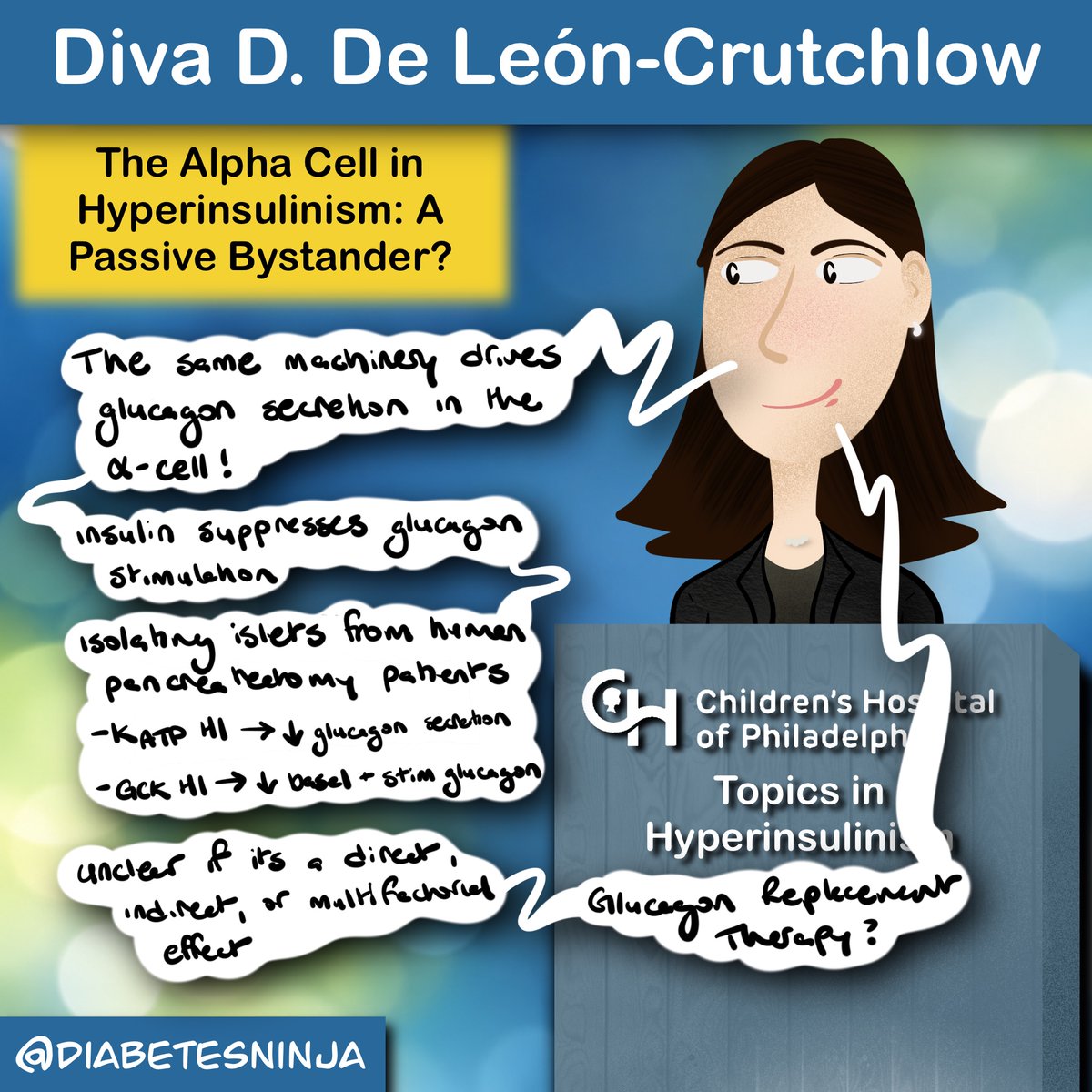
Is the alpha cell a passive bystander in HI? Dr. Diva De León-Crutchlow: islets from HI pancreatectomies show reduced glucagon secretion in KATP and GCK HI. Direct, indirect, or both? And could glucagon replacement be a future therapy?
#PedsEndo@ChildrensPhila
Today @the_asci published an open letter to NIH leadership on proposed changes to K awards, co-signed by 30 professional societies and foundations. Thank you to the ASCI working group and every society and foundation that signed. https://t.co/XlALxXEnfv
More than 5 trillion pieces of plastic litter the ocean, posing a threat to marine life, natural ecosystems, and human health.
@TheOceanCleanup, @pmdphawaii, and @coasthuggers are working to clean our oceans, protect wildlife and habitats, and inspire communities to care for coastlines. #ClimateWeekNYC
Join the NIH Stadtman Tenure-Track Investigator Program and build your independent research program in a collaborative environment where early-career scientists can think boldly, work across disciplines & tackle biomedical science’s biggest challenges.
“What attracted me most to the Stadtman Program was the ability to develop and lead my own independent research program and to do that in a sustained and intentional way, making use of the research environment and trying to make use of the collaborations that are possible here.” - Dr. Tiarnán Keenan, Stadtman Investigator at the National Eye Institute.
🔗 Learn more and apply by 9/30/26: https://t.co/6F3rxJG7D4
🗣️🎤𝑺𝑷𝑬𝑨𝑲𝑬𝑹 𝑯𝑰𝑮𝑯𝑳𝑰𝑮𝑯𝑻: Exercise to prevent & treat #diabetes: Join Prof. Jørgen Wojtaszewski (@UCPH_Research) at #EASD2026: 🏃Molecular pathways of insulin resistance & exercise in muscle.
📅Thu, 1 Oct |🕧08:30 - 08:45 CEST|📍Milan Hall
👉https://t.co/Z9P95BXPLT