It’s as though Keir Starmer is on a suicide mission as Prime Minister at this point. How did this divisive and dishonest tactic work after Southport? He has done nothing to stop the small boats, nothing to ban Iran’s terror fronts in the UK and now makes his stand on this?
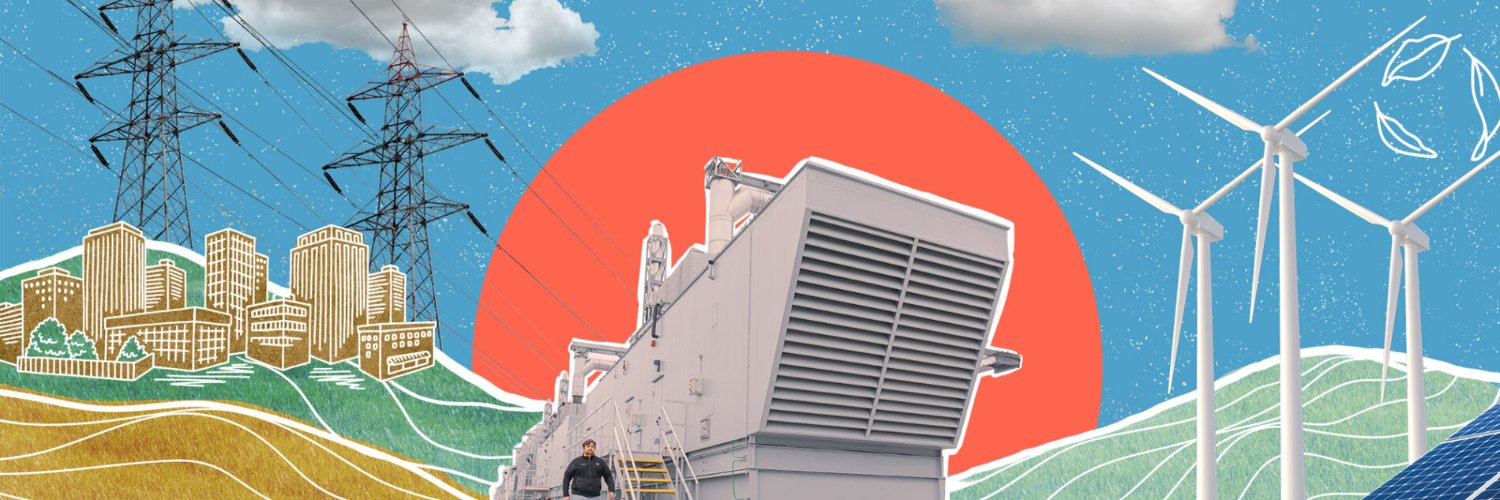
Trump's pledge w/ Big Tech (Amazon/Google/Meta/etc): No more YOU paying for AI data center power hikes! Signed March 4. VA protests raging over bills & grids. Read why it's midterm fire: https://t.co/9Nv8nHqEHM Game changer? 😬📷
Thank you, Madam President.
It was encouraging to hear @vonderleyen President of the European Commission, speak with such clarity.
For the first time since the strong words of @EP_President, President of the European Parliament, we are now hearing Ursula von der Leyen, reminding the world that no one should mourn the Islamic Republic, a regime responsible for the massacre of its own people.
Maybe now some European leaders, including @sanchezcastejon, Prime Minister of Spain can stop acting like the ayatollahs are misunderstood diplomats instead of what they actually are: brutal rulers who have spent decades killing their own citizens.
AI data centers are pushing electricity demand higher across the U.S. Rising power bills and infrastructure costs are turning data center expansion into a key issue in the 2026 midterm elections. https://t.co/81QZk7MNio
Your AI conversations aren't privileged. Yesterday, Judge Jed Rakoff ruled that 31 documents a defendant generated using an AI tool and later shared with his defense attorneys are not protected by attorney-client privilege or work product doctrine.
The logic is simple: an AI tool is not an attorney. It has no law license, owes no duty of loyalty, and its terms of service explicitly disclaim any attorney-client relationship. Sharing case details with an AI platform is legally no different from talking through your legal situation with a friend (which is not privileged).
You can't fix it after the fact, either. Sending unprivileged documents to your lawyer doesn't retroactively make them privileged. That's been settled law for years. It just hadn't been tested with AI until now.
And here's what really hurt the defendant: the AI provider's privacy policy (Claude), in effect when he used the tool, expressly permits disclosure of user prompts and outputs to governmental authorities. There was no reasonable expectation of confidentiality.
The core problem is the gap between how people experience AI and what's actually happening. The conversational interface feels private. It feels like talking to an advisor. But unless you negotiate for an enterprise agreement that says otherwise, you're inputting information into a third-party commercial platform that retains your data and reserves broad rights to disclose it.
Judge Rakoff also flagged an interesting wrinkle: the defendant reportedly fed information from his attorneys into the AI tool. If prosecutors try to use these documents at trial, defense counsel could become a fact witness, potentially forcing a mistrial. Winning on privilege doesn't make the evidentiary picture simple.
For anyone advising clients or managing legal risk, this is a wake-up call. AI tools are not a safe space for clients to process their counsel's advice and to regurgitate their legal strategy. Every prompt is a potential disclosure. Every output is a potentially discoverable document.
So what do we do about it?
First, attorneys need to be proactive. Advise clients explicitly that anything they put into an AI tool may be discoverable and is almost certainly not privileged. Put it in your engagement letters. Make it part of onboarding. Don't assume clients understand this, because most don't.
Second, if clients want to use AI to help process legal issues (and they clearly will, increasingly), then let's give them a way to do it inside the privilege. Collaborative AI workspaces shared between attorney and client, where the AI interaction happens under counsel's direction and within the attorney-client relationship, can change the analysis entirely. I'm excited to be planning this kind of approach, and I think it's where the industry needs to head.
https://t.co/NFqsznVdXh