What is a Liquidity Grab(LG)?
A liquidity grab is when price briefly breaks a key high or low—triggering resting stop-losses and breakout orders—only to immediately reverse in the opposite direction.
Predictions for 2026 :-
1) Trump will lose mid-term elections on 3rd November 2026.
2) India vs Pak+Bangladesh War during second half of 2026.
#Trump#Indvspak
India’s stock market tax stack:
• STT (2004): Payable even on losing trades, with hikes in 2023, 2024 and 2026. Estimated cumulative collection: ~₹3.7 lakh crore up to mid-October 2026.
• LTCG (2018): Reintroduced at 10%, increased to 12.5% in 2024. ₹2.01 lakh crore reported for FY24 and FY25 combined.
• STCG: Increased from 10% → 15% → 20% on eligible short-term equity gains.
• GST (2017): 18% on brokerage and taxable service charges.
• Stamp duty: Charged on purchases, with uniform securities rates introduced in 2020.
• Dividend tax: DDT abolished in 2020; dividends now taxed in investors’ hands.
• Buyback tax: Moved from company-level taxation to shareholder dividend tax, then capital gains in 2026, with additional promoter taxation.
• Trading-profit tax: Intraday and F&O profits attract applicable business-income tax.
• Cess & surcharge: Additional levies on income tax, including 4% cess.
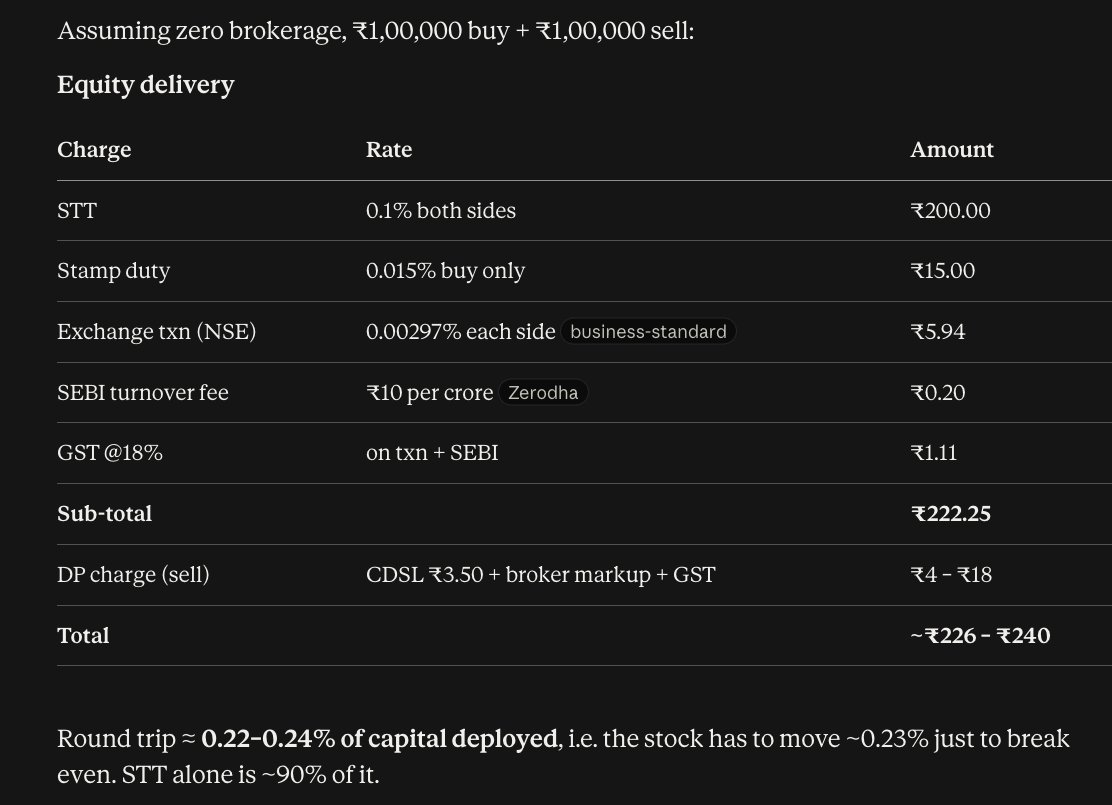
Brokerage, SEBI fees and exchange charges come on top of all this.
Despite this tax burden, our markets continue to attract liquidity. The Finance Minister should welcome that resilience. Unfortunately, liquidity itself now seems to have become a concern.
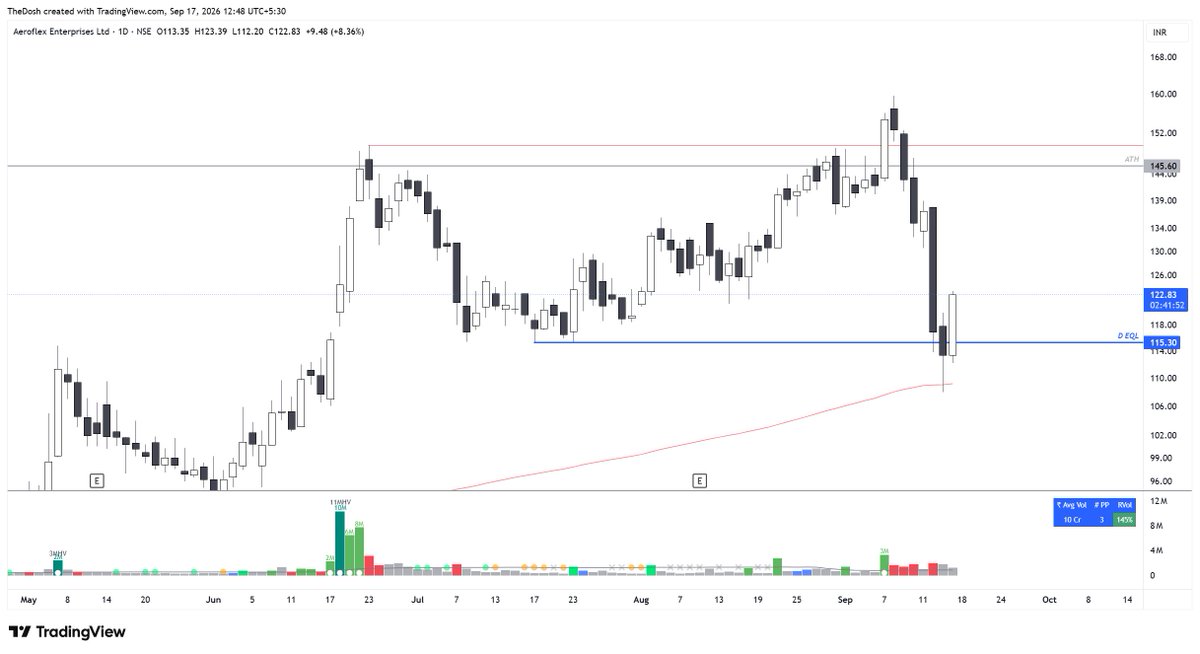
Anatomy of an external liquidity grab on #AEROFLEX#AEROENTER:
- Obvious stop losses (D EQL) swept, tapped the D200ema followed by an instant reversal of 10%.
What is a Liquidity Grab(LG)?
A liquidity grab is when price briefly breaks a key high or low—triggering resting stop-losses and breakout orders—only to immediately reverse in the opposite direction.
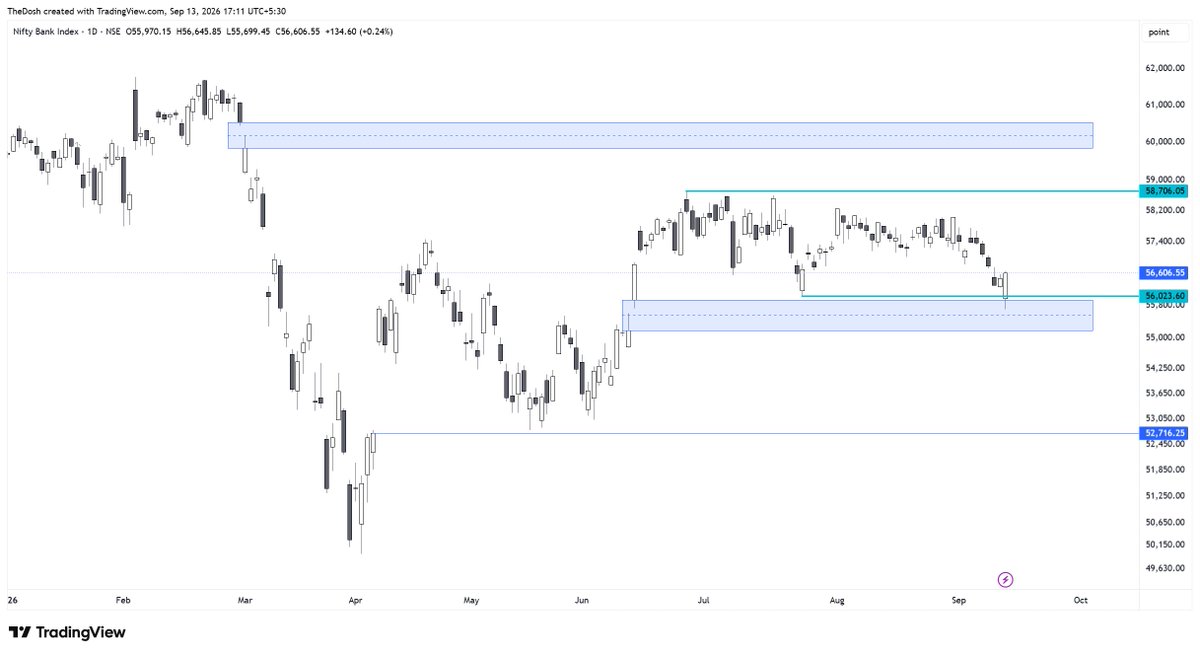
#BANKNIFTY delivering a prime liquidity grab setup:
- Swing low of the 3 month range has been tagged
- Price wick-tested the volume gap followed by strong intraday absorption and a 900 points move off the lows
- Trapped early breakdown traders right at key support. Watch for acceptance above 56,800 to confirm continuation toward the 58,700 range highs.
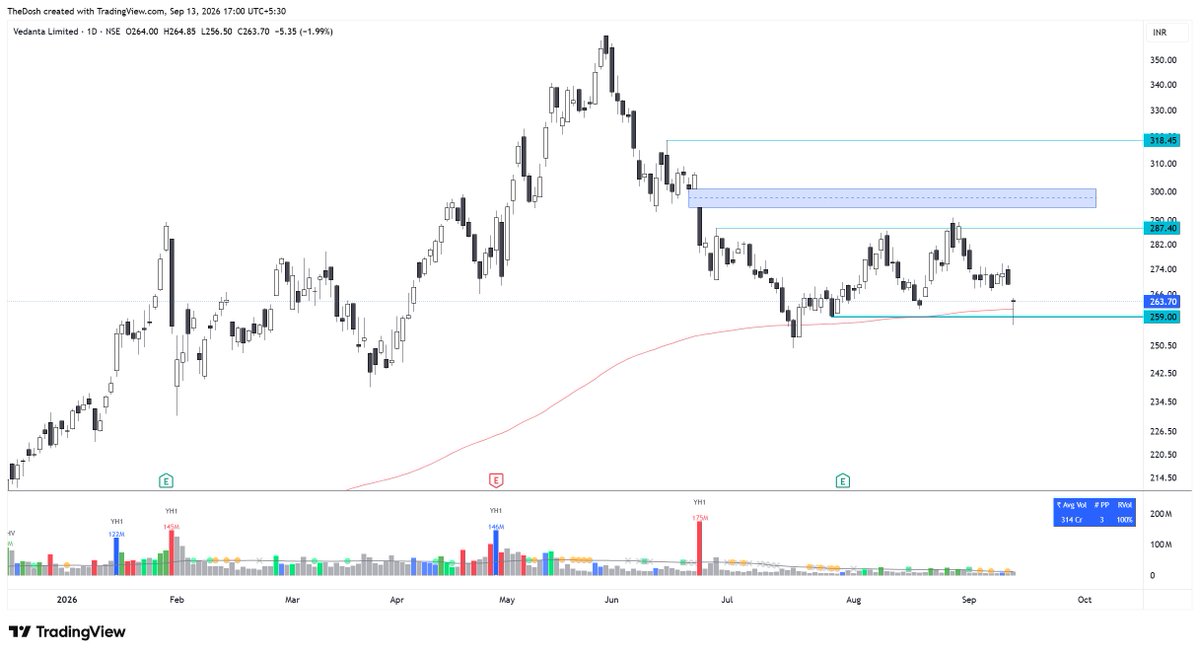
Clean liquidity sweep playing out on #VEDL:
• Structural swing low at ₹259.00 aligned right at the rising 200 EMA
• Price wicked down to trigger resting stop losses
• Swift intraday absorption and price closing above the 200 EMA
• Sustaining above the gap created via gap-down could trigger a mean-reversion setup back to swing highs.
#TECHM showing what high-probability confluence looks like:
- Clear liquidity grab below ₹1,531.10 swing support
- Clean dip right into the Weekly FVG imbalance zone
- Immediate bounce and reclaim off the 200 EMA & AVWAP
- #NiftyIT index at a make or break level
Weak longs stopped out, breakout shorts trapped. Watch for follow-through above ₹1,550 to confirm the reversal.
#LLOYDSENG#LLOYDSENGG executing a textbook stop hunt at HTF demand:
- in a consolidation phase since breaking above the previous ATH
- Aggressive wick below key swing low at ₹81.00 (low: ₹78.50) which tapped into the unmitigated Daily imbalance (FVG)
- Strong intraday absorption with a close back above ₹82 (+2.07%)
Sell-side liquidity purged. Watch for confirmation and continuation above PDH.
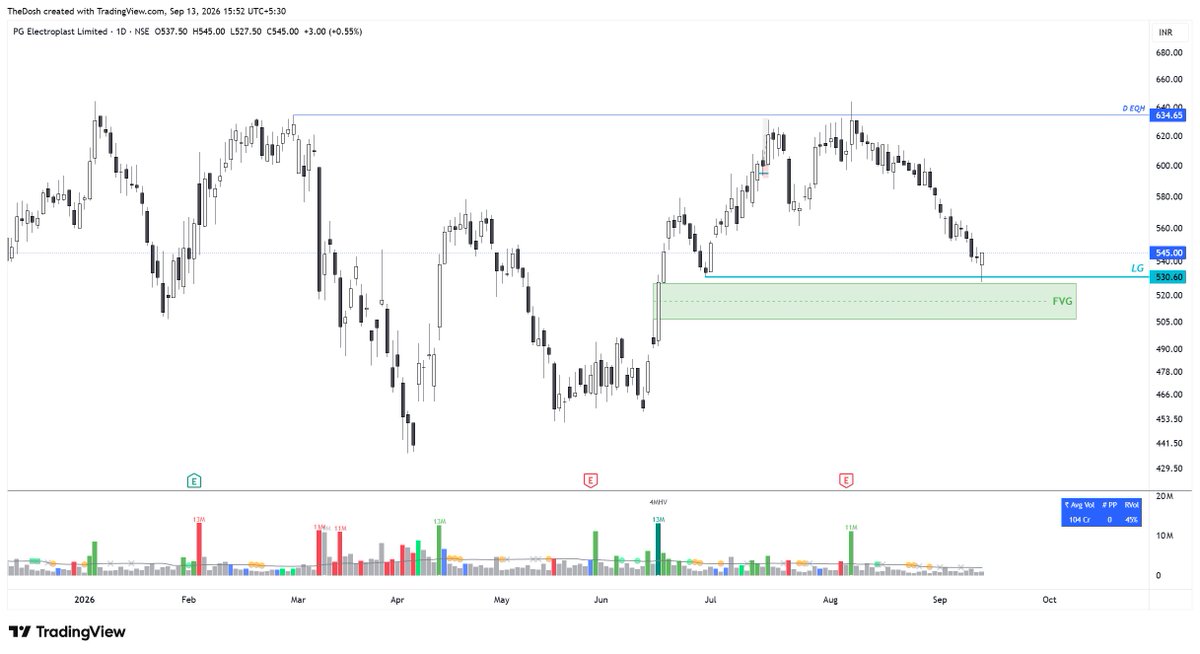
Textbook liquidity sweep + FVG tap playing out on #PGEL.
• Rejected hard from Daily Equal Highs (~₹634.65)
• Clean sweep of the prior swing low at ₹530.60 (low: ₹527.50)
• Price taps into the unmitigated Daily imbalance (FVG) (₹505–₹525) and snaps right back up to close green (+0.55%)
• RVol light at 45%—corrective flush rather than institutional distribution
Mean reversion incoming?
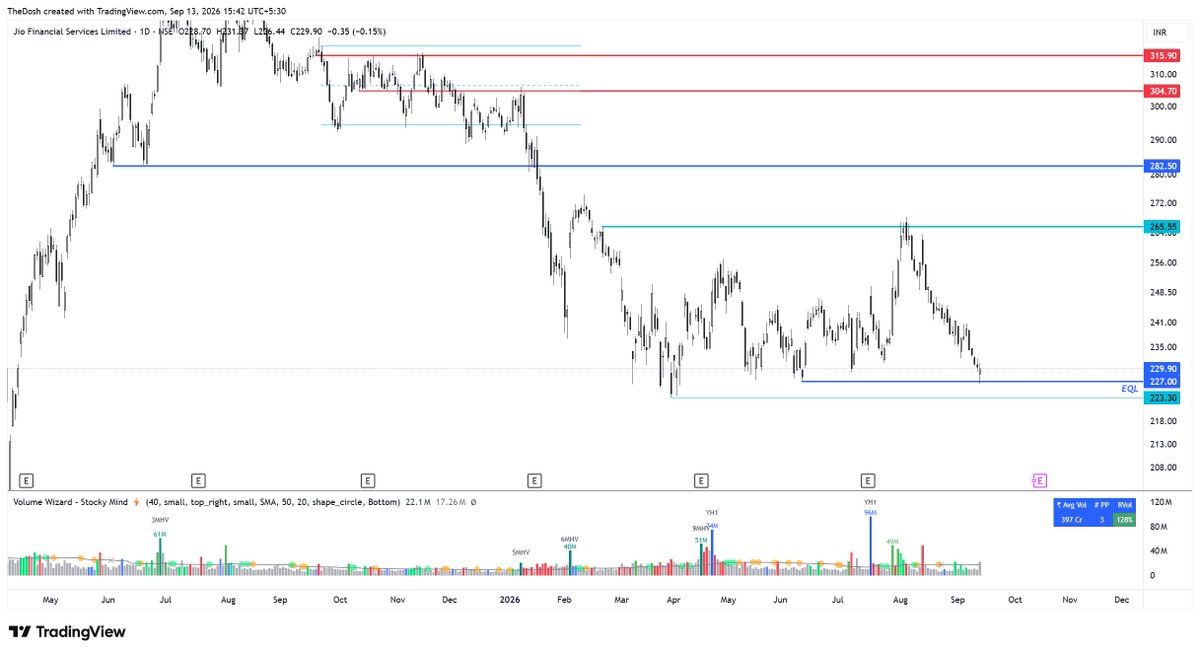
8 month trading range in #Jiofin. • Structural sweep of ₹265 highs led to a heavy selloff • Now near a clean liquidity resting at ₹227 with another level at ₹223.30 • One to keep an eye if the fall halts here.
This is the cost you pay for every transaction you place when buying and selling shares. This is not FNO; normal delivery shares. In the USA, the cost is 100 times cheaper. Many index funds in the USA charge a 0.03% expense ratio per year, which is 6 to 7 times cheaper than what our government robs from our pocket, assuming we just do just 1 transaction of buy and sell every year.