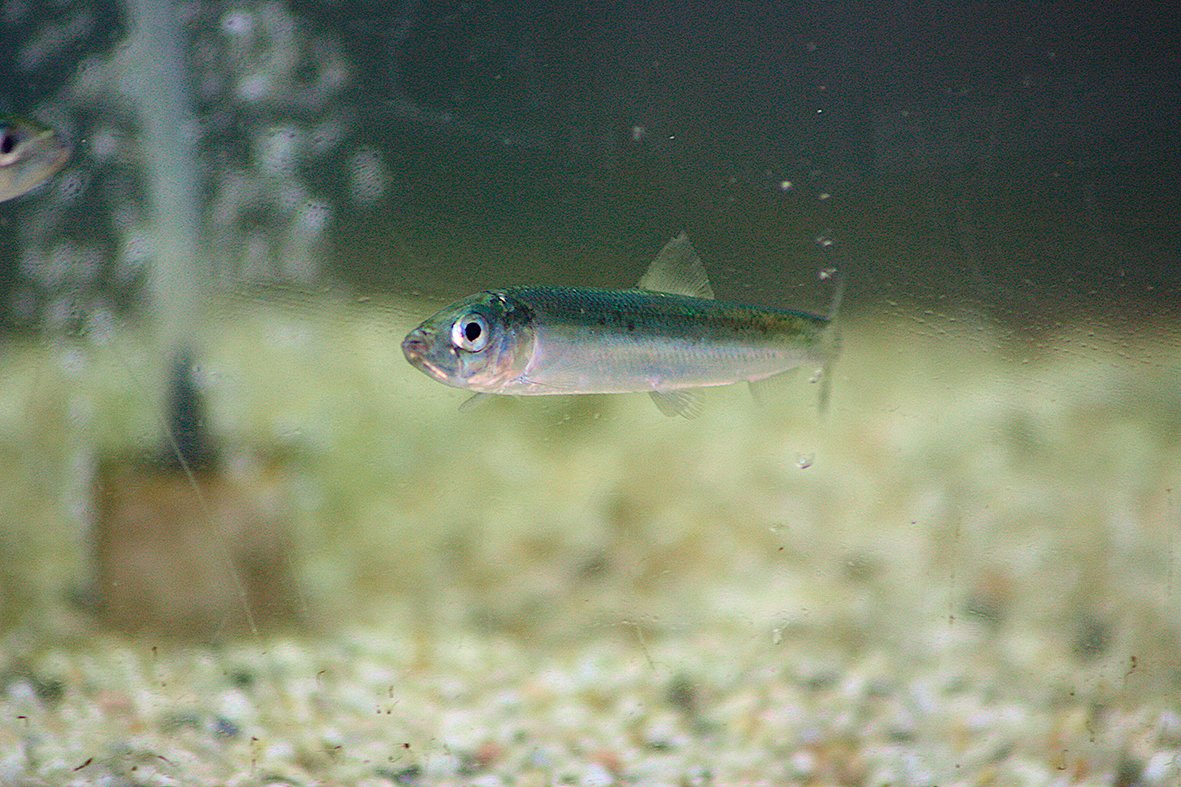
Check out our new article about magnetic compass orientation in juvenile herring and the potential involvement of cry4 as magnetoreceptor.
@SFB_1372 , @GRK1885 , @UniOldenburg
https://t.co/khK1Qo4Amr
@WeissShahaf@BeetzJerome@GerlachG3@iScience_CP@SFB_1372 Thanks for asking @WeissShahaf ! Nice to start a coversation.
Yes, like @BeetzJerome already said, our project was performed to test if the fish can use the magnetic field to gain knowledge of their location (relative to a distant goal); This is generally independent of landmarks
Cod larvae orient to the source of low-frequency underwater noise at the level generated in the proximity of an offshore wind turbine: https://t.co/Jrz5XeC9Ii
@AlessandroCre90@Havforskningen @ICES_ASC @EMarineBoard @HBrowman @durifcaroline
Check out the full programme for our upcoming RIN23 Animal Navigation Conference, taking place in Royal Holloway in April, at: https://t.co/jngQpZbkXC #RINAnimalNav#AnimalNavigation
Without parents for guidance, juvenile Atlantic herring need something else for guidance and now @SFB_1372 @UniOldenburg @HIFMB_OL @GerlachG3@LisaSpiecker@LetsBeFrank_e have discovered that the youngsters use the position of the sun to find their way
https://t.co/GY30FYziWu