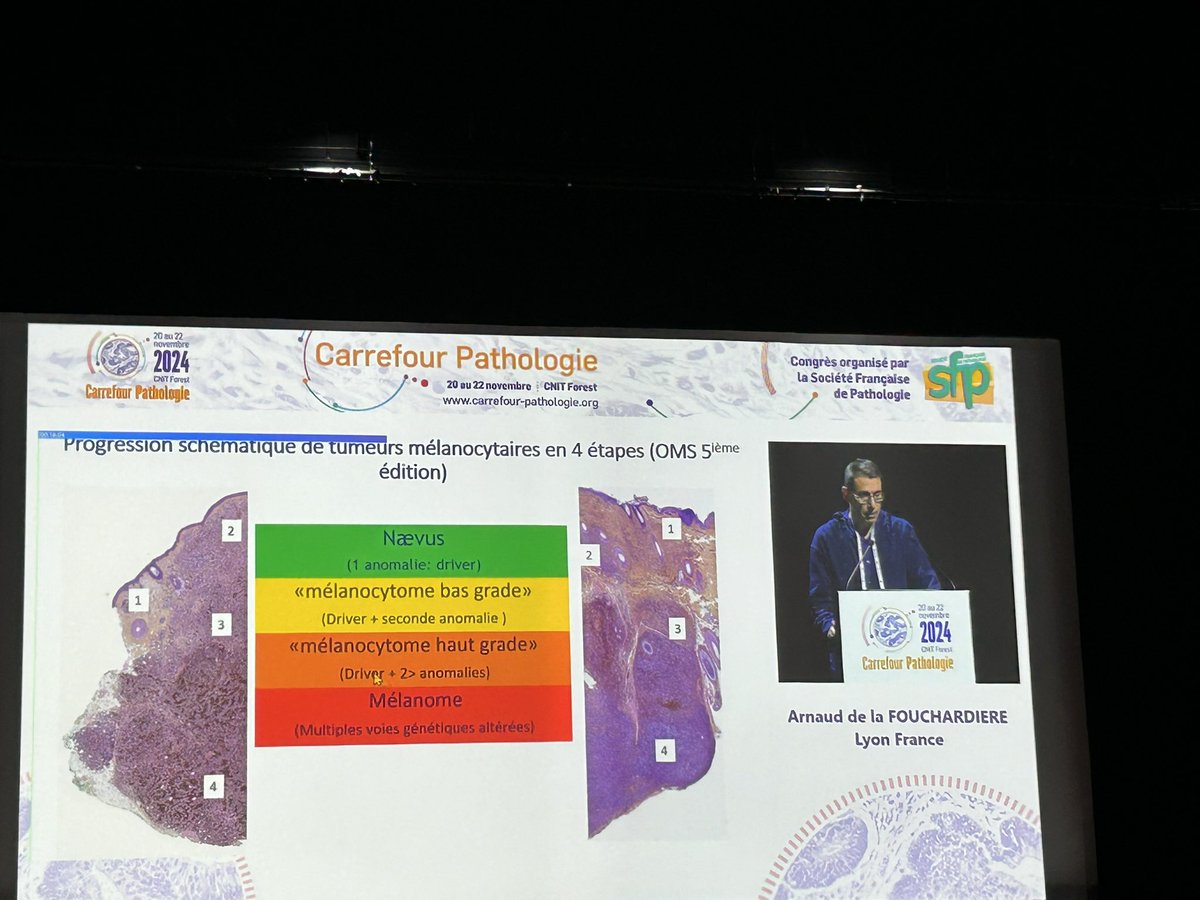
Molecular techniques in the diagnosis of melanocytic lesions by Dr Aleodor Andea. Frequently ambigous lesions, fortunately there are IHC + molecular techniques ++
#virtualpathology2020#dermpath@ESP_Pathology @esp_congress @BritishDivIAP
Ancillary Studies in the Diagnostic Evaluation of Large B-Cell Lymphoma; read this Early Online Release in @ArchivesPath from @MedicalCollege#pathologists Drs. Ashley M. Cunningham & Alexandra M. Harrington: https://t.co/KS0s4RxCrW.
HPS recipe from our best pathology technician team of @HopitalChildren - Dorothy, Danielle, Martin, Laurie, Gisele, Line, Lyne. Homage to my late great tech Jocelyne ❤️
(Alternative: 10g of ground saffron can also be left in 2L of alcohol in 45°C oven for 2 weeks for extraction.)
There is an interesting history behind these cells, so familiar to hematologists & pathologists: ring (formerly 'ringed') sideroblasts. While most commonly associated with #MDS or inherited disorders like #XLSA, they can also result from ethanol or TB drugs - even hypothermia./1
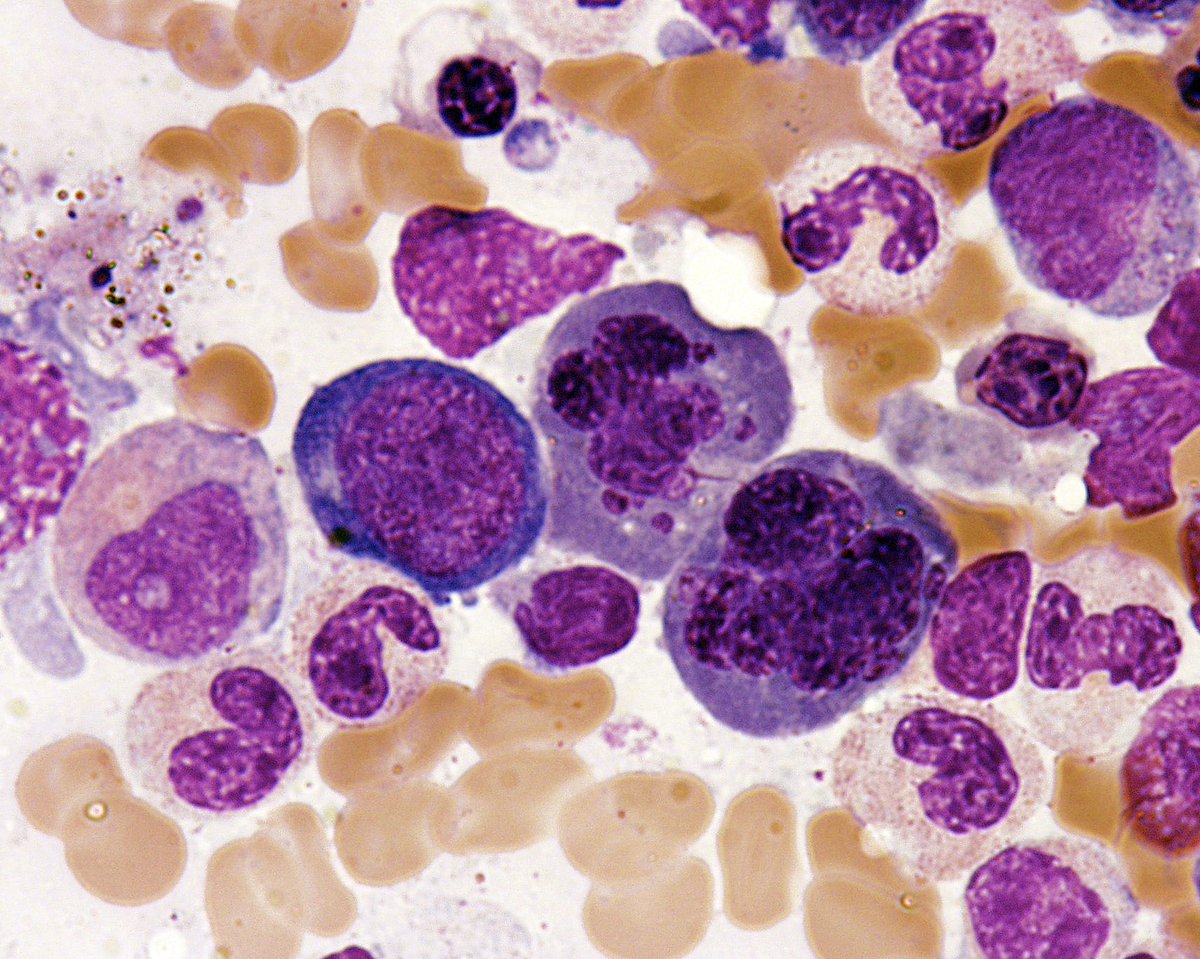
Since my recent "tweetorial" about the history of ring sideroblasts & Prussian blue seems to have been well received, I thought I’d follow up with the fascinating and sordid history of the term, “Refractory Anemia” (RA). (This ugly #MDS image is from a book I edited years ago.)/1
Anemia that didn’t respond to iron salts or raw liver soon became known as “refractory” anemia. Later, Lucy Wills (she just got a Google doodle for her 131st birthday!) discovered another anemia-treating factor - it became known as folate - and that too was thrown in the mix./7