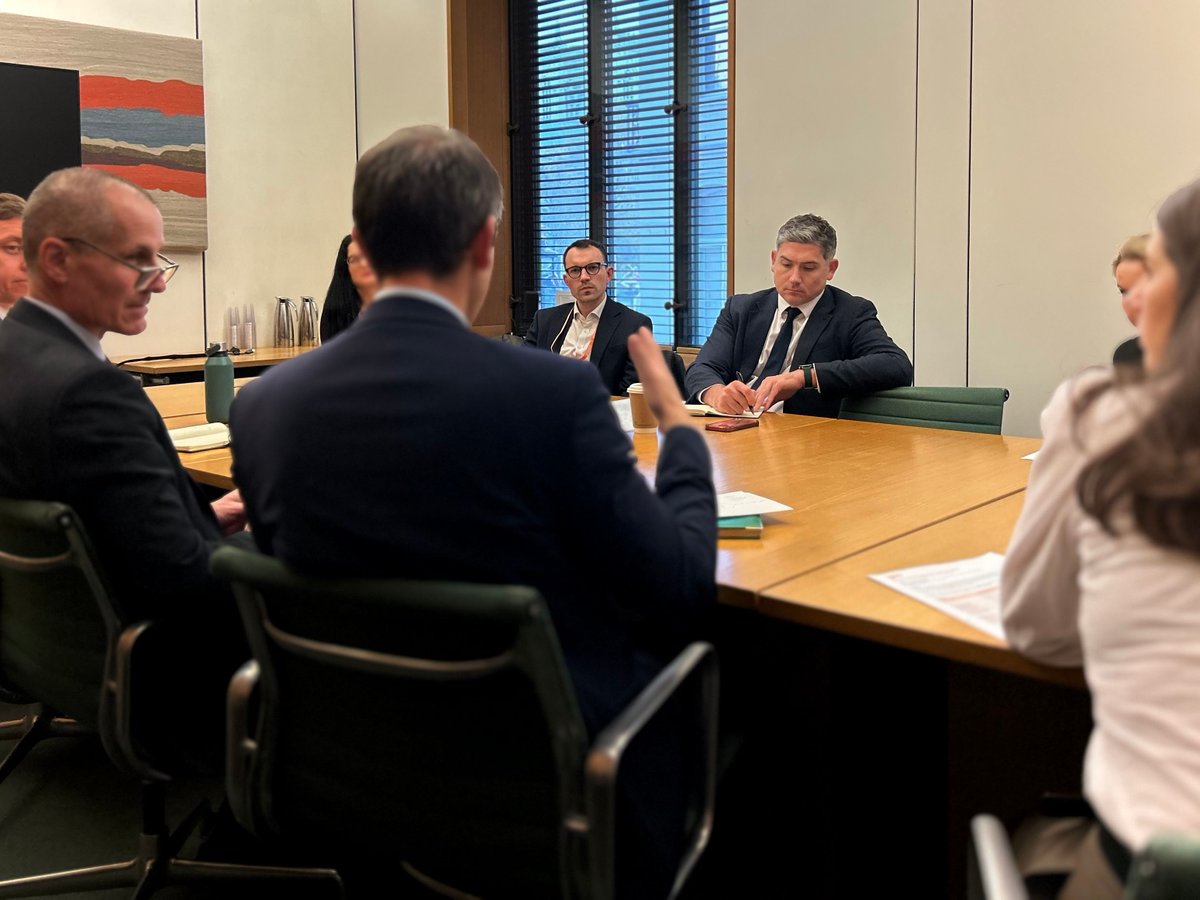
Since 2020, food prices have surged. We’ve teamed up with @BritishProgress to identify concrete steps to lower food inflation and put more money back in people’s pockets. Read more👇
Keir Starmer wants to make your food cheaper.
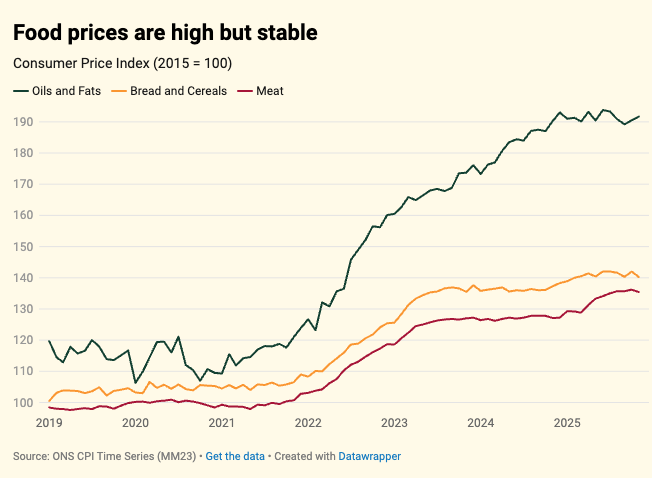
The PM says that "every minute we focus on anything other than cost of living is a wasted minute”. Food is the most visible part of inflation for most people, and prices have gone up 40% since 2020.
But there's a problem: the Government has limited direct control over food prices.
The main drivers of recent food price inflation are:
🌾a global supply squeeze triggered by Russia’s full-scale invasion of Ukraine
🌡️climate-related shocks
⚡ increases in energy prices, also linked to the war, as well as Britain's dependence on gas.
Meanwhile, supermarket margins are razor-thin, and VAT is already set to zero on groceries, limiting the Government’s options.
So what can we do?
To answer this question, @BritishProgress has teamed up with @LivingStandardC to publish new research, drawing on expertise and evidence from @SYSTEMIQ_Ltd.
We find that there are two main levers the Government can pull to get prices down.
1. 🇪🇺 Closer alignment with the EU: negotiating and agreeing a deal on SPS, plus some customs arrangement, could lower food prices by 3-6%, depending on the level of alignment.
2. 🏗️ Reform planning to increase supermarket competition: current planning constraints benefit incumbents and limit the availability of lower-cost shops.
Previous competition action that enabled the rise of Lidl and Aldi created estimated welfare gains of 3.5% on certain basic products.
The Government could go further and introduce a permitted development right for grocery stores, which would make it easier to open new branches in underserved areas.
Read the full briefing from me, @YuanfenYang & @KaneEmerson here: https://t.co/bGXLuvW9zv
Great to speak to @TorstenBell about the impact of the Budget on living standards. Decisions on energy bills, rail fares and wages bring welcome relief for our constituents - but there is more to do.
Lower energy bills means higher living standards.
@ofgem announced all customers will be offered lower standing charge options by January. That's a progressive option that helps get bills down.
@LSC and I called for standing charge reform in August. Great to see it happening.
Lower energy bills incoming 📈From January, customers will see lower standing charge options. We asked @Ed_Miliband & @ofgem for this and they delivered. Good news for households and proof government is delivering.
The Employment Rights Bill gets productivity *and* living standards rising. Better for workers. Better for employers. Better for growth.
It does this by building a stronger relationship between employers and workers.
To get living standards rising, we need to get energy bills down.
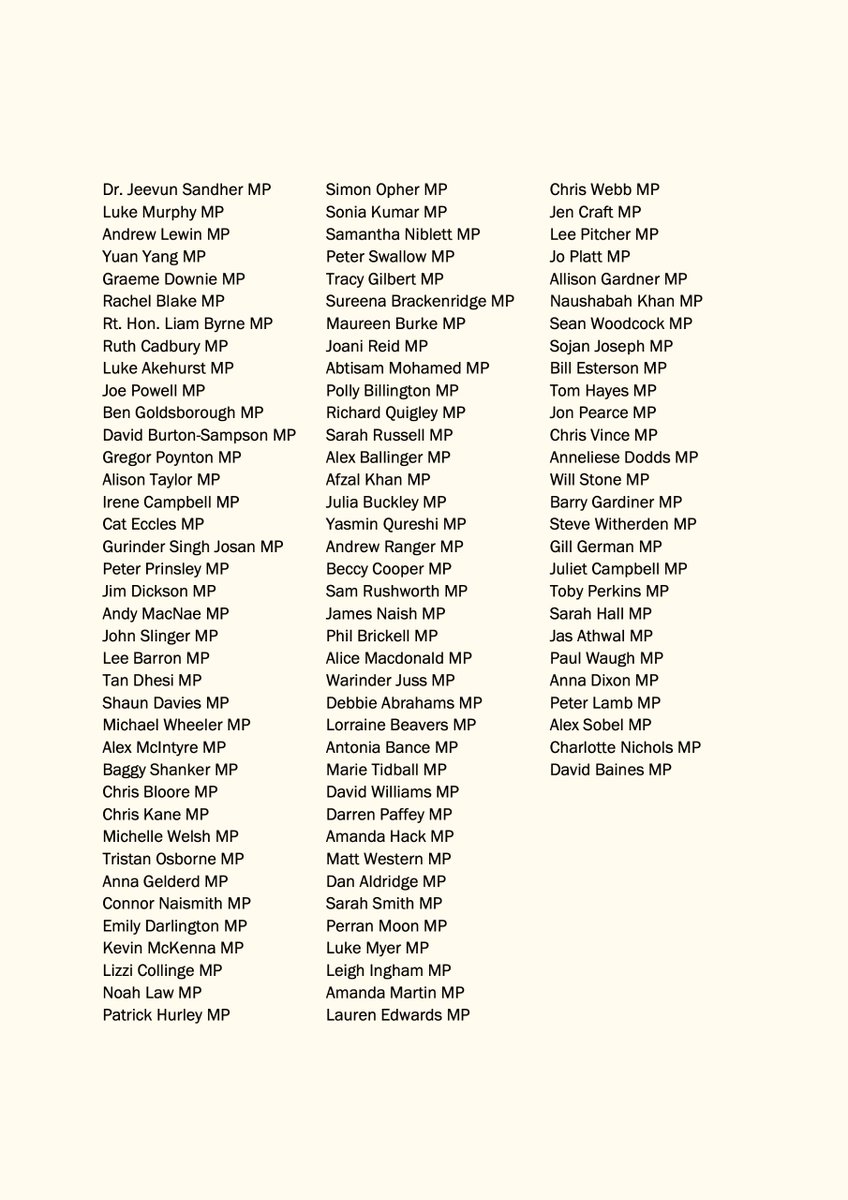
Before recess, over 100 MPs in the Living Standards Coalition called for progressive changes to reduce bills for low- and middle-income households.
Thanks to DESNZ and Ofgem for pursuing this.
To get living standards rising fast, we need to get energy bills falling quickly.
That’s why over 100 Labour MPs from the Living Standards Coalition have written to @Ed_Miliband.
We're asking him to consider progressive price changes that will get bills down more quickly.
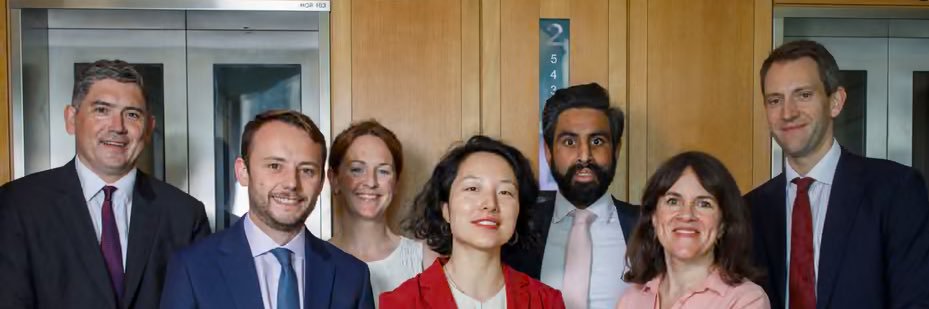
Exc - Tonight a new group of Labour MPs launches calling on the PM to radically refocus on cost of living.
They say progress made on incomes but there should be now a major effort to drive down every day costs of energy, childcare, food and housing
https://t.co/sNy3PU9Mwh
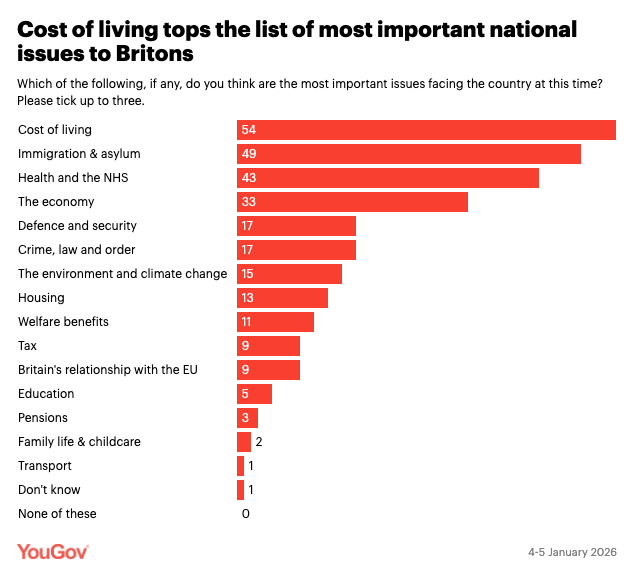
I think the mission here is hugely important for the govt. The growth frame feels too abstract for many, who judge the economy on their day to day. Cost of living above all else is driving national misery - and sense that life is just about living to work/working to live.
Getting living standards rising is core to our Labour values. It’s what we were elected to do.
That is why over 100 Labour MPs have set up the Living Standards Coalition.