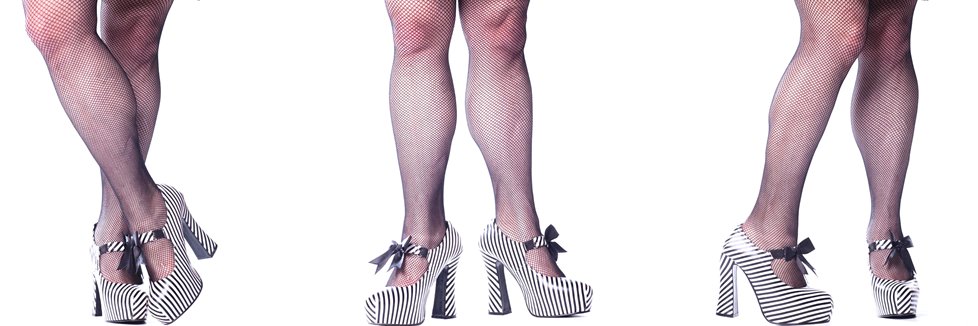
These shoes are made for walking...
Chopines had developed from ancient platform styles worn at least since 6th Century and were originally Chinese. Romans were very influenced by Greek fashion, and Roman women also wore platform footwear of a modest height. Platforms had a very long tradition in Europe up through the 17th Century,
Fabulous footwear is often shaped by social convention, and the chopine was no exception. Nearly 500 years ago, these sky-high, geometric platforms were designed to showcase wealth in parts of Spain and Italy. (Trend was undone in 17th Century by a new fad for heels inspired by Persian riding boots for men).
The main characteristic that differentiated the two styles was that Spanish chopines were made of cork, while Italian chopines were made of wood.
In Venice, where the textile trade was the source of their economic power, Venetian women dressed in very tall, wooden chopines that were hidden by their dresses, thereby lengthening their skirts. They were never allowed to show their chopines, so the shoes became a means of displaying more textile wealth. Venetian chopines were worn more like undergarments or support garments. Spanish chopines were worn as actual accessories of dress.
Developed in the early sixteenth century and especially popular among the Venetian women, the high-platformed shoe had both a practical and symbolic function. The thick-soled, raised shoe was designed to protect the foot from irregularly paved and wet or muddy streets. But the enhancement of the wearer’s stature also played a role.
The chopine’s height introduced an awkwardness and instability to a woman’s walk. The Venetian woman who wore them was generally accompanied by an attendant on whom she would balance. Despite the obvious expense, Venetian sumptuary laws (laws regulating expenditure on luxuries) did not address the issue of exaggerated footwear until it reached dangerous proportions.
It was once thought that very high chopines, twenty inches as seen in an example from the Museo Correr in Venice, were the accoutrements of the courtesan and were intended to establish her highly visible public profile. However, sixteenth-century accounts suggest that the chopine’s height was associated with the level of nobility and grandeur of the Venetian woman who wore them rather than with any imputation as to her profession.
During the 16th century, dowry inflation grew completely out of control, and it became prohibitively expensive to marry off one’s daughter. Venice was a republic and the ruling men of Venice all had to dress with a certain sameness. Because of that, women’s dress carried a greater burden of expressing individual family wealth.
Marriages were an opportunity to show the wealth not only of the bride’s family but also of her husband's family. By the end of the 16th Century, the cost of weddings and all this costume became so prohibitive that wealthy families could only afford to marry one daughter per generation.
They went out of style due to the impact of world exploration. Venice had been a lynchpin between East and West, meaning that all of the desirable goods from the East had to come through Venice to enter Europe.
#archaeohistories
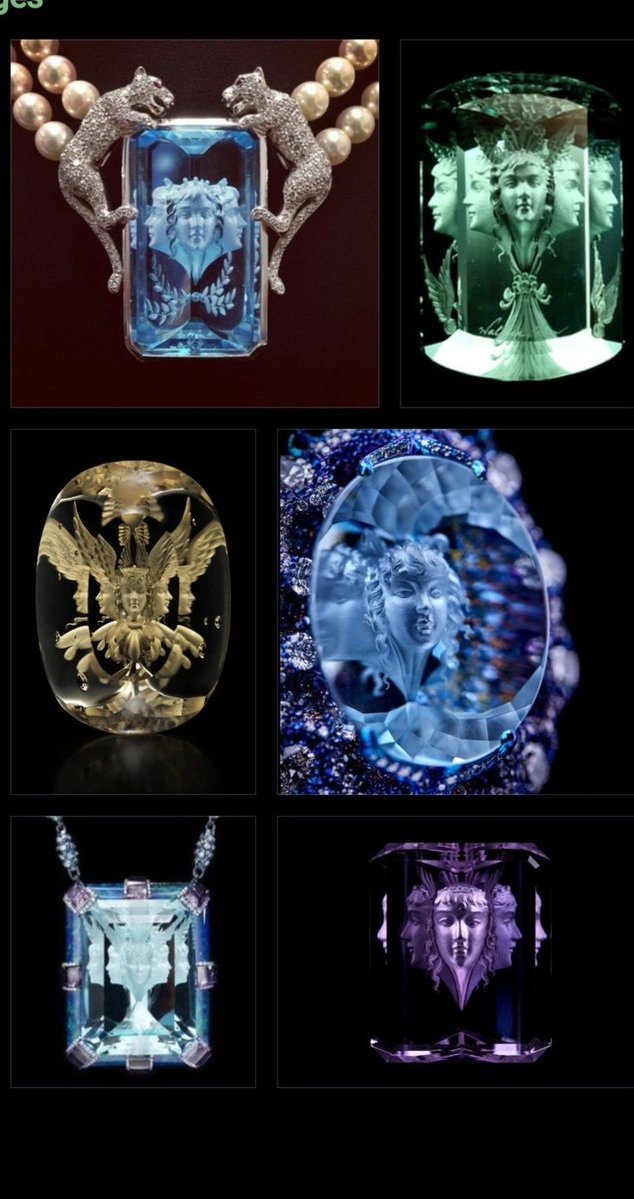
One of the famous Medusa heads inside the Basilica Cistern in Istanbul, Turkey. The massive underground reservoir was completed in 532 AD during the reign of Byzantine Emperor Justinian I.
North doors (13th Century AD) of St Edward's Church, Stow-on-the-Wold, England flanked by trees... 🇬🇧
If you walk around the churchyard towards the north porch, you will stumble upon what’s known locally as ‘The Yew Tree door’ or ‘The Hobbit door’. It’s no secret that the ancient and magical yew trees of Britain have guided us for centuries and are shrouded in an air of mystery.
In fact, you’ll find most ancient yews in churchyards as they have a sacred status. The tree’s ability to regenerate from “deadwood” represents life, death, and resurrection which strongly echoes chapters of Christian texts.
With yews having lifespans of over 3000 years, who knows how old these trees are that wrap themselves around this doorway? Although it could never be proven, they have surely stood here throughout the town’s most historical moments. What we do know is that the wooden door was placed between them around the 13th Century AD.
It is possible, looking at the stained glass windows above it and the oil lamp, that it was ‘revamped’ in the Gothic Revival style during JL Pearson’s renovations. Whatever the case, it is just like something from the pages of a fantasy novel! You could almost imagine opening the door and entering the portal into another world.
There is a local legend that says that J. R. R. Tolkien visited Stow-on-the-Wold on his many tours of the Cotswolds while he was an academic at Oxford. Many say that J. R. R. Tolkien was inspired by this door and used it to create the western entrance to the Mines of Moria and Doors of Durin.
#archaeohistories
Australia
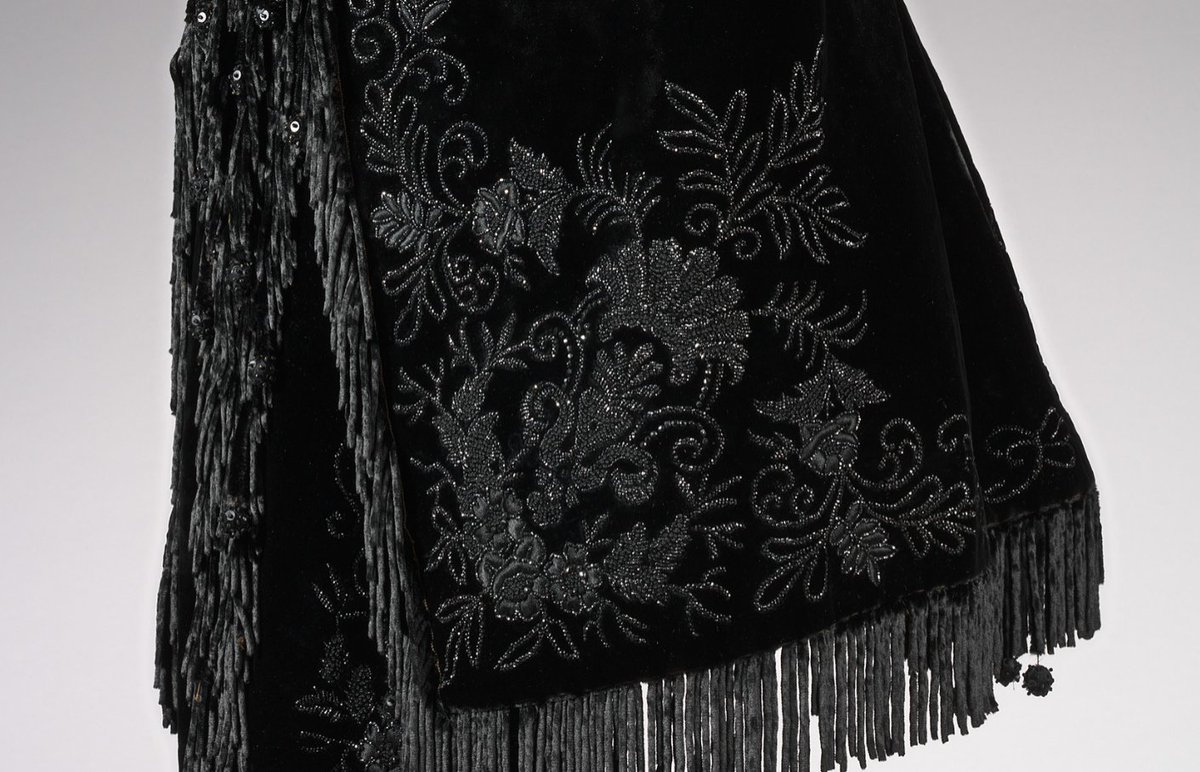
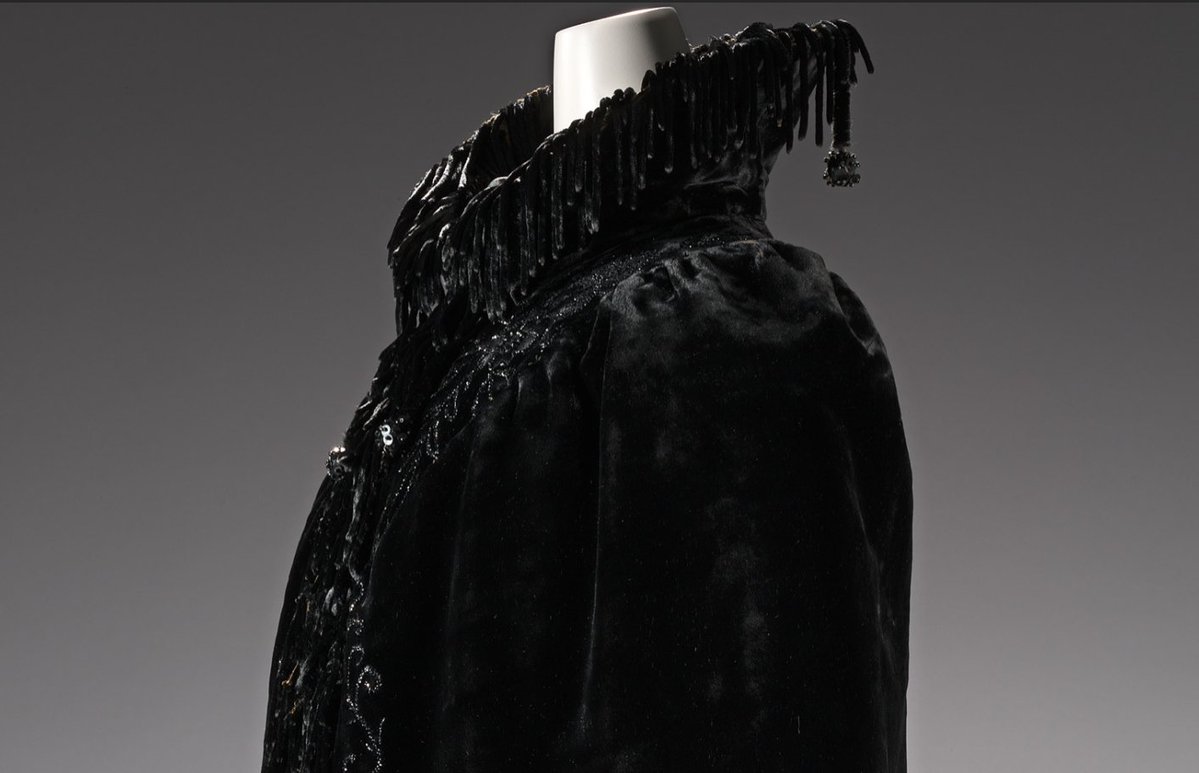
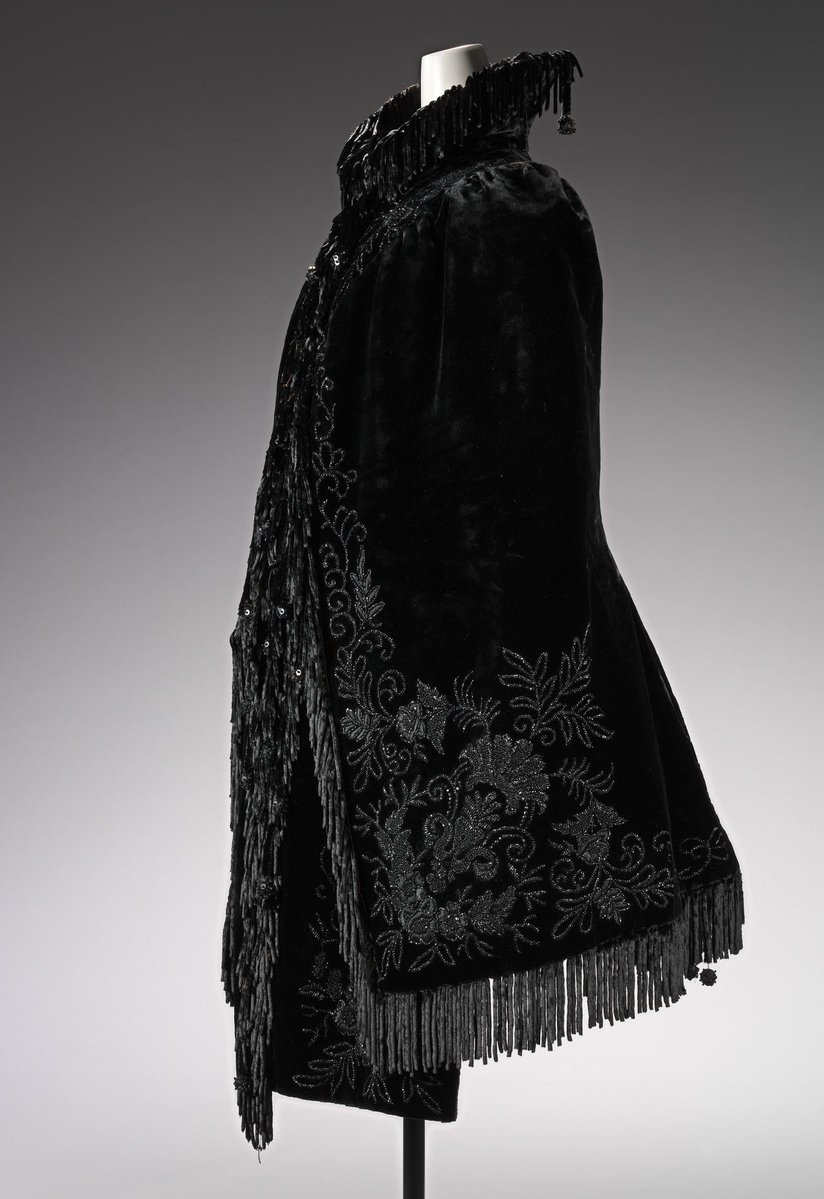
Mantle, c. 1893
Corded silk mantle, decorated overall with jet beads in an ornate pattern. The mantle is edged with strands of bead tassels and a deep flounce of black lace. @NGVMelbourne#FashionHistory
La Sala de Malaquita del Palacio de Invierno, fue diseñada por el arquitecto Alexander Briullov a fines de la década de 1830, se utilizó como salón oficial de la emperatriz Alexandra Fyodorovna, esposa de Nicolás I.
Marilyn Monroe was born #OnThisDay in 1926. She wore this Beatrice Dawson designed blue and dusty pink chiffon evening coat embellished with pleated ruffles and floral embroidery as Elsie Marina in The Prince and the Showgirl (1957) @JuliensAuctions#MarilynMonroe#film#costume