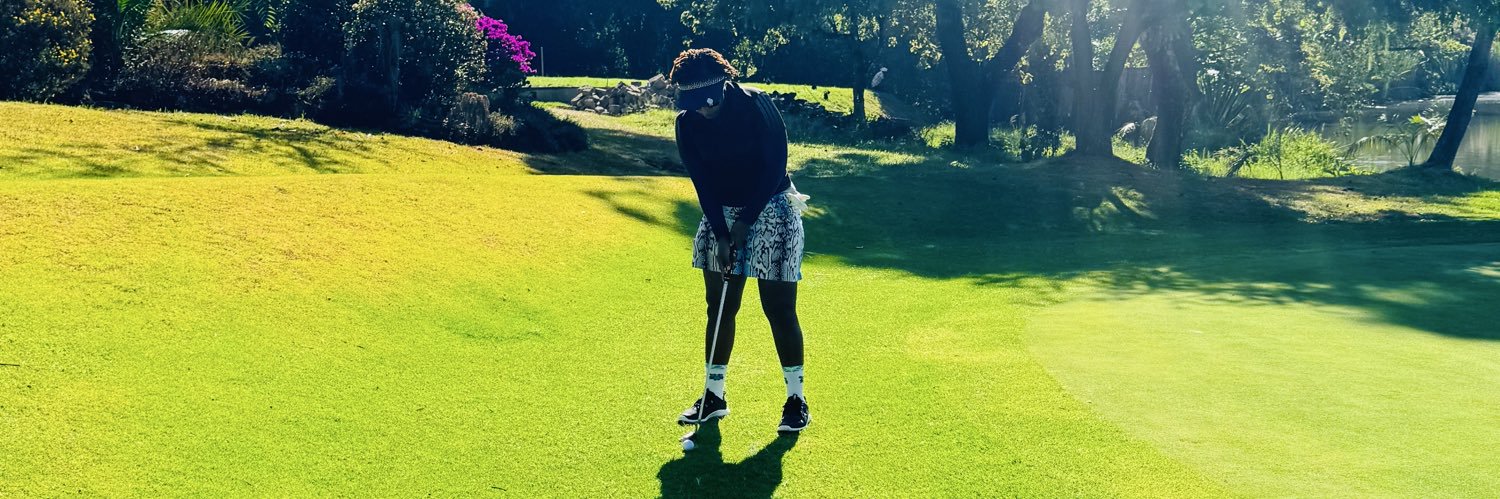
Dr @m_mutebi, Consultant Breast Surgical Oncologist and Assistant Professor at Aga Khan University, has been named among OncoDaily's 100 Influential Women in Oncology 2026.
Congratulations, Dr Mutebi!
Read more: https://t.co/aUr6Tyt6iN
These KAPS an paytech platforms that malls hence adopted that charge a convenience fee .
What exactly is convenient for the customer? Return the pay booths where I’ll pay my 50 bob inconveniently in peace
Her video went viral.
Dr Christine Manyasi, a neonatologist, says she is forced to sit in her personal car for a debrief after another difficult encounter at the newborn unit.
https://t.co/neUPXxETpK
Dr Devji Atellah, KMPDU Secretary General and CEO, during a press briefing where the union gave the government seven days to resolve the nurses’ strike, warning that doctors could join the strike if no action is taken.
Photo: Wilberforce Okwiri.
Congoleses and Burundians nationals gather along Dennis Pritt Road in Nairobi to apply for border passes as they prepare to travel back to their countries,this comes after President Ruto directives.
The nurses strike must be resolved! It is unethical and immoral for us to continue running this as if our people are not dying unnecessarily! #TikTok https://t.co/Gf1PINSWzE
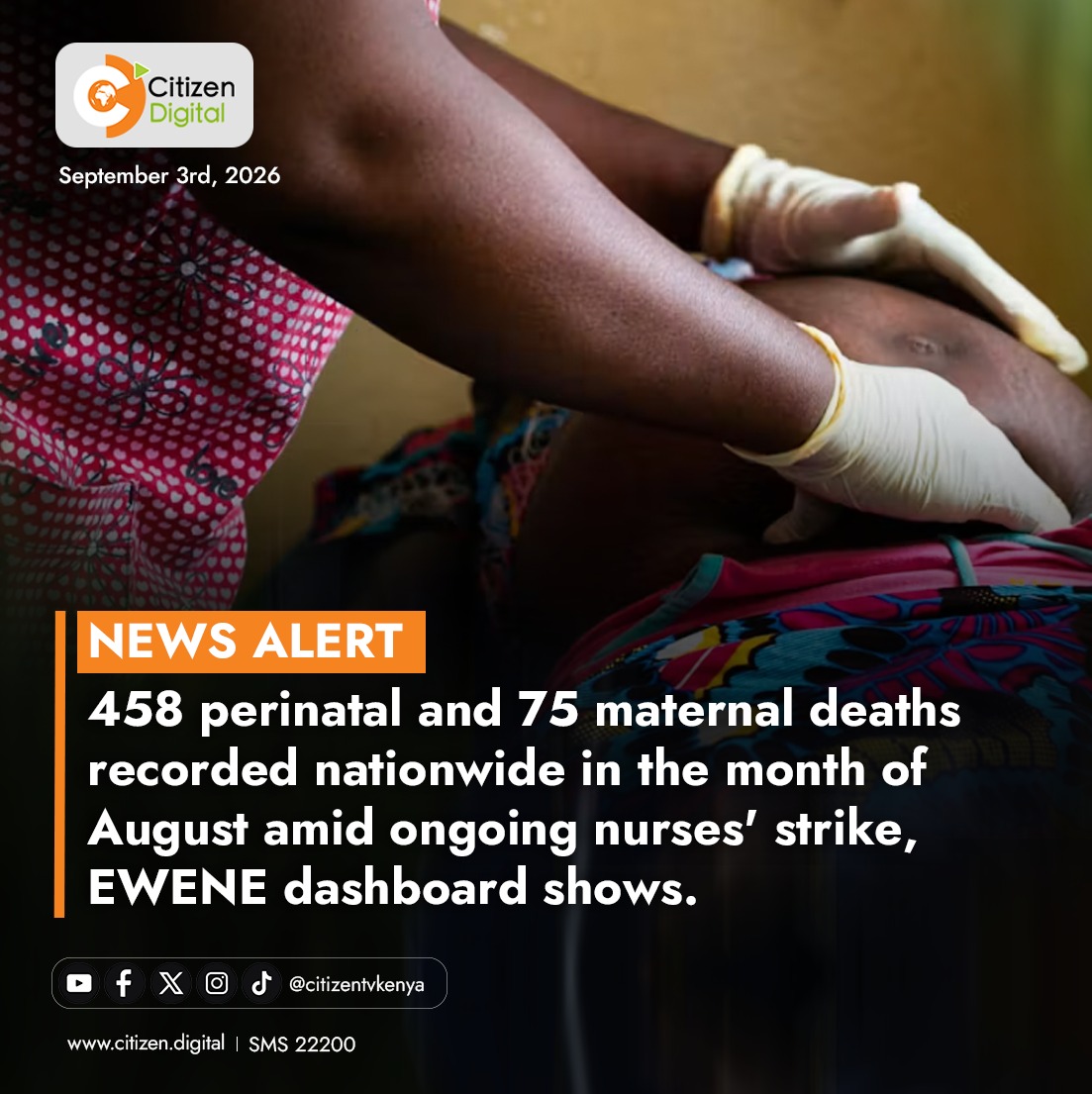
Kenya Medical Association calls for urgent dialogue to end nurses’ strike, warns disruption of public health services puts lives at risk and threatens UHC gains.
When medically necessary, caesarean sections can make the difference between life and death for mothers and babies.
But even though caesarean sections have become very safe in many parts of the world, they remain complex medical interventions, with risks and a recovery that can be challenging.
Miss World #Uganda Muhoza Trivia Elle’s “Layers of Life” gown tells that story in a unique and powerful way: raising awareness of the realities of caesarean section childbirth while celebrating the strength of mothers who have experienced it.
Learn more about caesarean sections in @WHO’s Q&A: https://t.co/glHg2Evu5W
The day after her emergency caesarean, Serena Williams walked out of her hospital room so her mother would not see, found a nurse, and told her between gasps exactly which scan and which drug she needed.
She had survived a pulmonary embolism in 2010, so she knew what a blood clot in the lungs felt like. She had been off her daily blood thinner for the surgery. She could not breathe.
She did not say she felt short of breath. She said she needed a CT scan of her lungs with contrast dye and a heparin drip, by name.
The nurse told her the pain medication was probably making her confused. She insisted. A doctor arrived and performed an ultrasound of her legs instead. It found nothing, which is what an ultrasound of the legs finds when the clot is in your lungs. Her recollection of that moment is asking why she was getting a Doppler when she had told them what she needed.
They sent her for the CT. It found several clots sitting in her lungs, and she was on the heparin drip minutes later. It was not over. The coughing brought on by the clots tore her caesarean wound open, and surgery found a large bleed in her abdomen. Four operations in a week, then six weeks flat on her back at home.
She has said since that being heard was the difference between living and dying, and she is one of the most recognisable people on the planet.
She had the diagnosis before they did. She had to argue for it anyway.
https://t.co/emrcLLUIdN
@rebecca_miano The JKIA immigration tells a different story….
Crowded with no AC is jot how to welcome visitors.
Please ask your fellow minister to sort this