Three-quarters of surveyed patients expressed significant health data privacy concerns and confusion about how their health information is handled, the American Medical Association (AMA) discovered.
Read More: https://t.co/j7jF0AN2MM
.
.
.
#dataisthenextpatient™
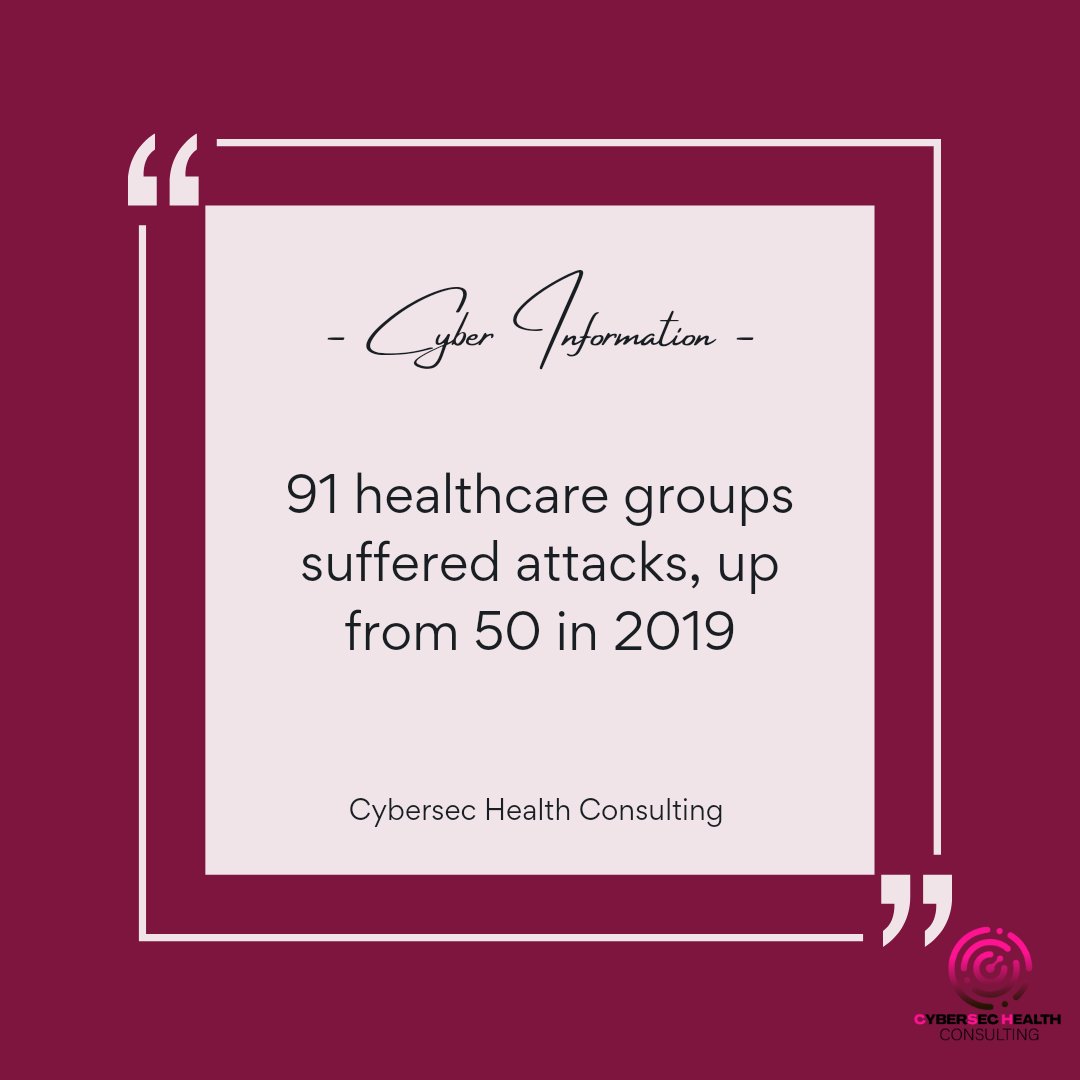
Healthcare data breaches cost an average of $10.1 million per incident last year, IBM Security found in the 2022 edition of its “Cost of a Data Breach Report.”
Read More: https://t.co/5xYYv5pw6n
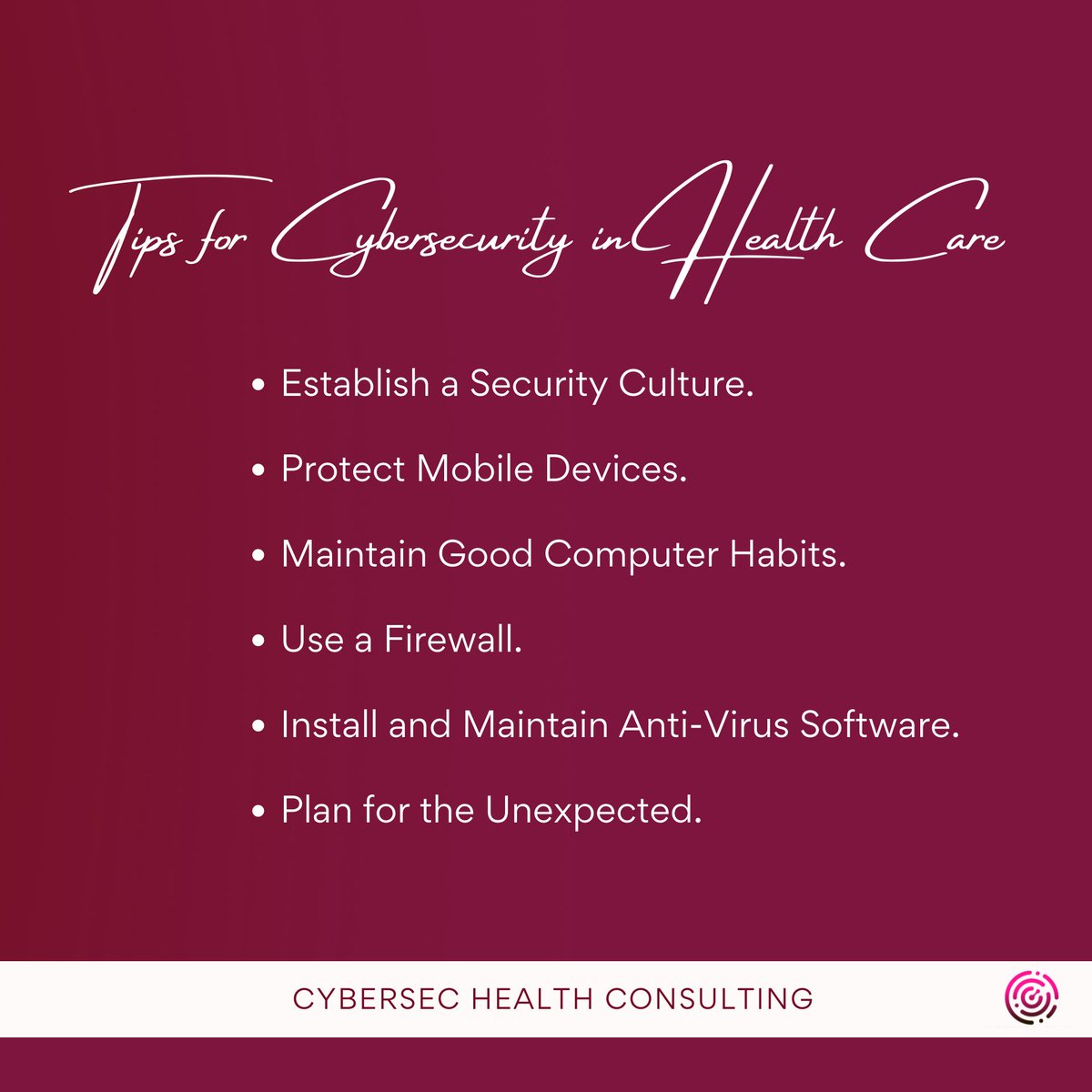
Some best practices include:
Maintaining offline, encrypted backups of data and regularly test your backups
Conducting regular scans to identify and address vulnerabilities, especially those on internet-facing devices, to limit the attack surface
Becoming successful as a cyber security expert requires diverse skills.
An all-round professional can confidently implement and monitor security measures that guard computer systems against attacks and unauthorized access.
Encryption is one of the most useful data protection methods for healthcare organizations. By encrypting data in transit and at rest, healthcare providers and business associates make it more difficult (ideally impossible) for attackers to decipher patient information.
Cyber Security awareness is important which means you understand what cyber threats are, the potential impact a cyber-attack will have on your business and the steps required to reduce risk and prevent cyber-crime infiltrating your online workspace.
SQL injection attacks can compromise patient and employee data and affect millions of people in the long run, leaving them open to identity theft and the damage control that follows.
One security risk that is becoming more common due to consumerism in the healthcare industry is shadow IT i-e running technology or software without the awareness or approval of the IT department.
Health organizations need to expand the ways they support the digital competency of their medical staff. In addition to building awareness in the use of digital technologies.