Yo iba a dejar la carrera de Matemáticas pero el verano pasado Anuel AA me dijo BRRRR 😎😎😎
Mate-mática, suma la cama y resta la ropa y ya (Uah)
Divide la' pierna, ¿Y qué te da? (Nena)
Pero no te multiplique', mai' (No, no)
Y tuve que seguir 🥵🥵🥵
After co-inventing ChatGPT, I kept asking myself: why have superhuman chat models not led to AGI?
I’ve spent the last 2 years in stealth building a new way to train models (RLCD), and a new type of frontier AI model that we are releasing today: Jev
• 20-200x faster
• 40-400x cheaper (w/ output tokens free)
• Frontier composable intelligence optimized for decisions
AFAICT the shortest path to AI-based economic revolution
I hate how imprecise the term “native” has become.
Is a UIKit app that mostly displays WebViews, such as Apple News, not a native app? What about an app that’s entirely rendered with UIKit or SwiftUI, but orchestrated by a bytecode file, as with React Native? How about a social network app that’s so server-driven it makes network round-trips before navigation?
Do you trust that an app built with UIKit is doing concurrency better than the reasonable defaults of SwiftUI?
Today, software is developed in natural language. When you use imprecise prompts, you get sloppy results. I ban my agents from using the term “native” to describe technical details.
Your agent will inherit your principles, so why allow any room for ambiguity?
Reject technical imprecision. Be curious about performance characteristics, and strive for data-backed answers.
It’s incredible that my skills have been installed more than 160,000 times.
I originally built them for myself. I had a pretty good idea of how I wanted to do certain things, but whenever I hopped between projects, I had to explain them over and over again.
Skills often get a bad rap, and it’s understandable because there are a lot that are complete slop.
But there are also some that are genuinely useful, help you do things better and let you learn from them.
That’s the kind I try to build.
Flexoki 2.0 introduces 88 new colors that feel like watercolor pigments on paper.
This is a continuation of my attempt to bring the feeling of analog color to digital emissive screens.
Flexoki 1.0 only provided the a range of values for the grayscale colors. What I have been working to solve since then is how to expand the palette to a full range of values for every color, without desaturating the pigment effect. I'm very happy with how this turned out.
Flexoki is open source under the MIT license, and already available for most text editors, terminals, and many other apps. Flexoki 2.0 makes it into a more capable color system for UIs and more complex projects.
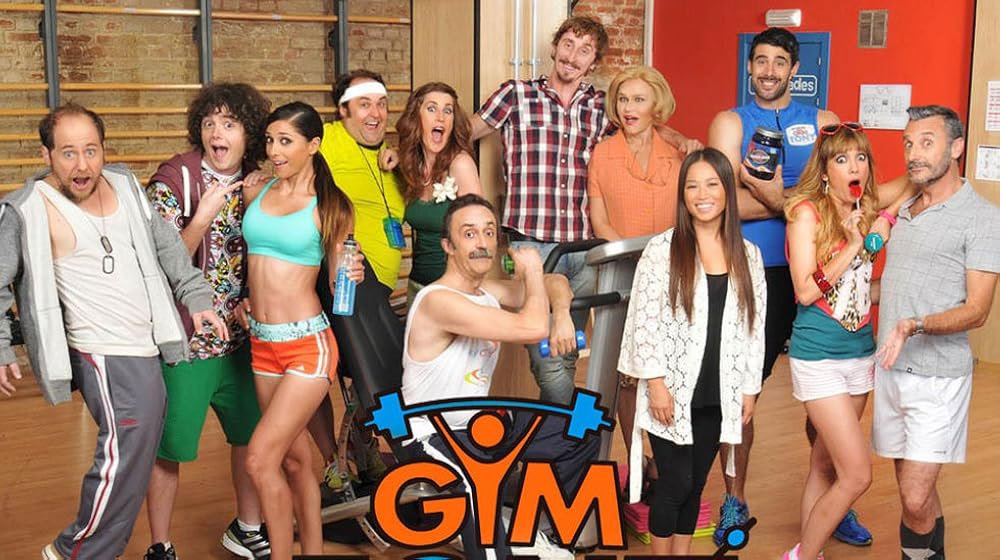
Ahora mismo hay un niño en Mánchester que ha buscado la serie española mejor valorada de la historia para aprender el idioma y se está tragando Gym Tony
Es totalmente surrealista