Anthropic released their complete prompt engineering guide.
99% won't read it. I spent 3 days testing every single technique.
While you're saying "please" and "thank you" to AI, smart operators are using advanced techniques to 10x their output.
Here's how you can do the same:
Another common sight in Brazil:
8am at a supermarket, the store is empty, every checkout open anyway, 2 attendants per lane, one to scan, one to bag
With 10 checkout lanes that’s 20 people on the clock paid to do nothing
Common sight in Brazilian restaurants: maybe 20 tables total, and only half the tables are occupied. I count 9 staff members (not including anyone in the kitchen), of whom 5 are mostly doing nothing. In what kind of economy is this sustainable?
Our security bug bounty program is now public on HackerOne.
We've run the program privately within the security research community, and their findings have strengthened our products. Now anyone can report vulnerabilities and get rewarded.
Read more: https://t.co/li1QvSTCMs
How to get good results when vibe coding :
- Describe Feature or Bug
- Make a plan
- Verify the plan (with another agent)
- Update Plan (you can reverify it if you want to push it)
- Implement
- Verify Implementation
- Get AI to test all implementation via Google Chrome integration
Pro tips :
Always have an agent running before you go do something else
- Before you head to bed
- Before you go out for lunch
- Before you take a shower
- Before you go take a shit
Just because anyone can build software now doesn't mean software is dead. Anyone can bake bread in their home right now, yet 99% of us still choose to buy it from someone else. Simple products are complex! I will always be happy to pay someone to handle the nuances.
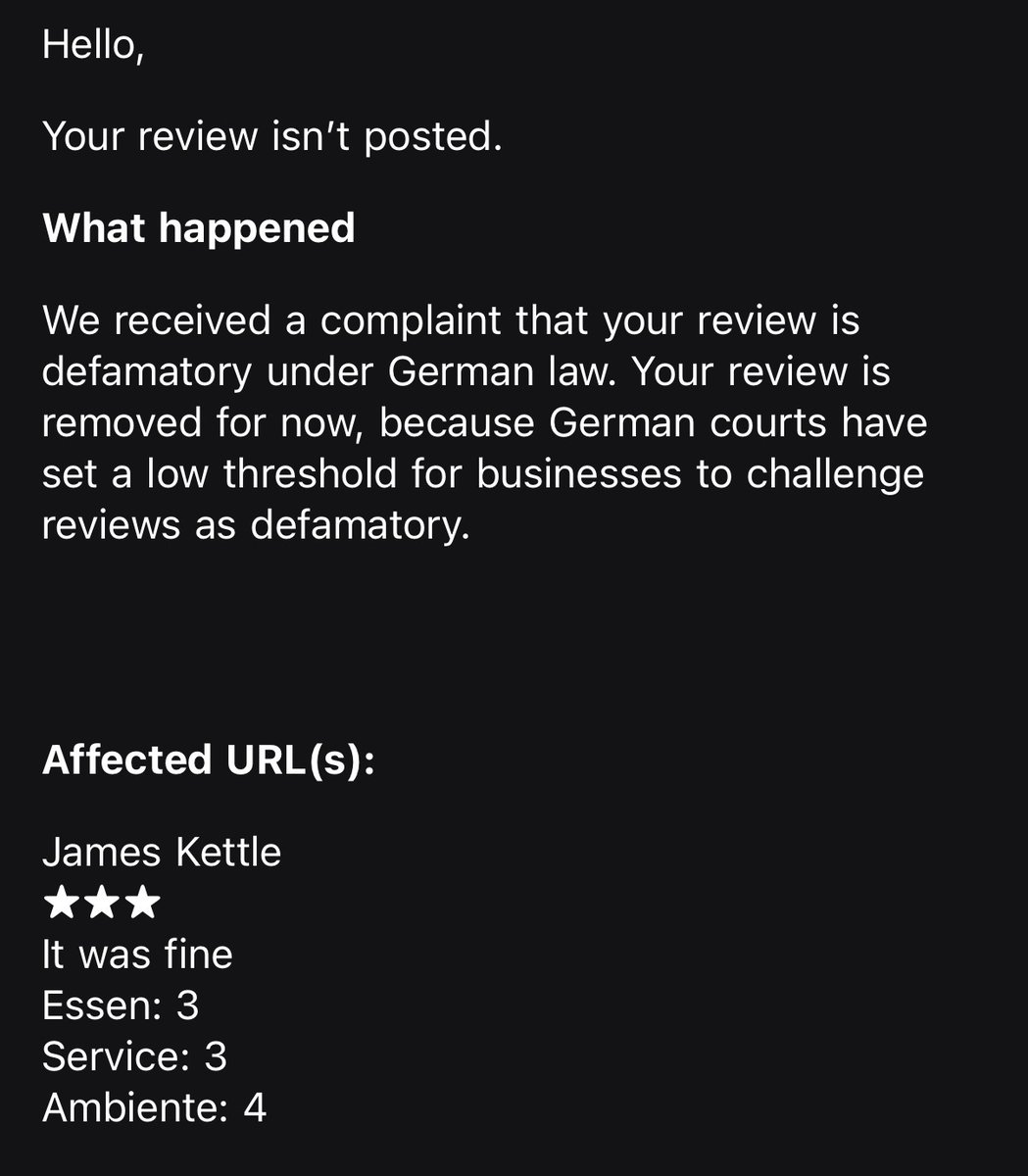
One of my review from a German restaurant was taken down in this exact way after they went to court with a bunch of negative reviews
Don’t trust Google review, always check reviews from other platforms as well
Brazil is not just São Paulo and Rio.
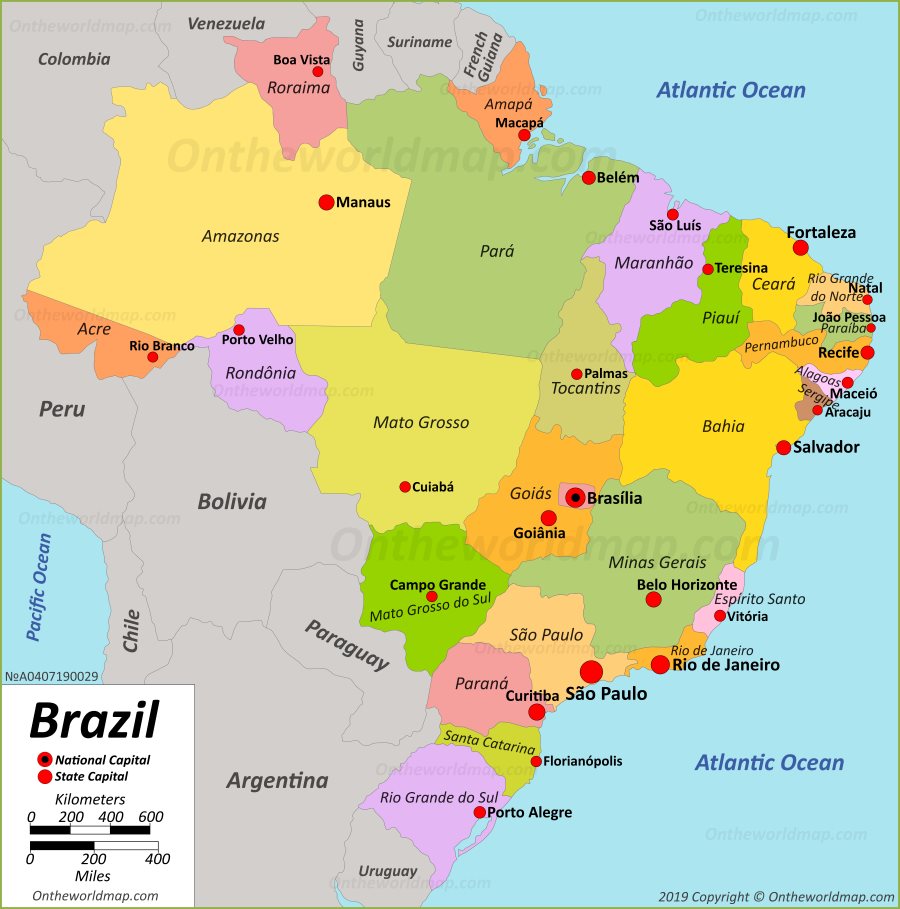
Seven regional capitals are quietly attracting institutional capital across different sectors.
Curitiba in Paraná is one of Brazil's most important automotive manufacturing hubs.
Renault built its 250-hectare Ayrton Senna complex there in 1998 and it now exports across South America.
Volvo, Volkswagen, and Stellantis all run major manufacturing plants in the same region.
Florianópolis was officially named the Startup Capital of Brazil by federal law in 2024.
The city has more than 6,000 tech companies generating 38,400 direct tech jobs.
Tech now accounts for 25% of Florianópolis's entire economy.
Recife in Pernambuco runs Porto Digital, a tech park built inside abandoned colonial buildings.
Porto Digital now hosts 475 companies and over 21,000 workers, generating R$6.2 billion in revenue in 2024.
Early-stage funding in Recife grew 1,534% from 2020 to 2024.
Belo Horizonte is the gateway to mining country and a rising tech hub.
The city has 782 active startups and Google operates its first Latin American R&D office there.
The ecosystem grew 34.9% in 2025 alone.
Goiânia in Goiás is the agricultural and biotech anchor of central Brazil.
It hosts Embrapa Rice and Beans, the federal research center for those crops.
The state of Goiás is one of Brazil's top producers of soybeans, corn, sugar cane, and cotton.
Porto Alegre in Rio Grande do Sul is Brazil's southern gateway to Mercosur and a major industrial center.
It is the headquarters of Gerdau, the largest long steel producer in the Americas, founded there in 1901.
Rio Grande do Sul is also home to Marcopolo, a global bus manufacturer with operations in seven countries and exports to over 100.
Porto Alegre hosts South Summit Brazil annually, one of the largest startup events in Latin America.
Manaus in Amazonas runs the largest industrial free trade zone in Latin America.
The Manaus Industrial Pole hosts more than 600 industries with 131,000 direct jobs.
Honda and Yamaha manufacture motorcycles in Manaus to serve the Brazilian and Latin American markets.
The zone's tax incentives are constitutionally protected until 2073.
Seven capitals.
Seven different theses.
The Brazilian opportunity does not stop at the airports of São Paulo and Rio.
The smartest capital is already mapping the rest of the country.