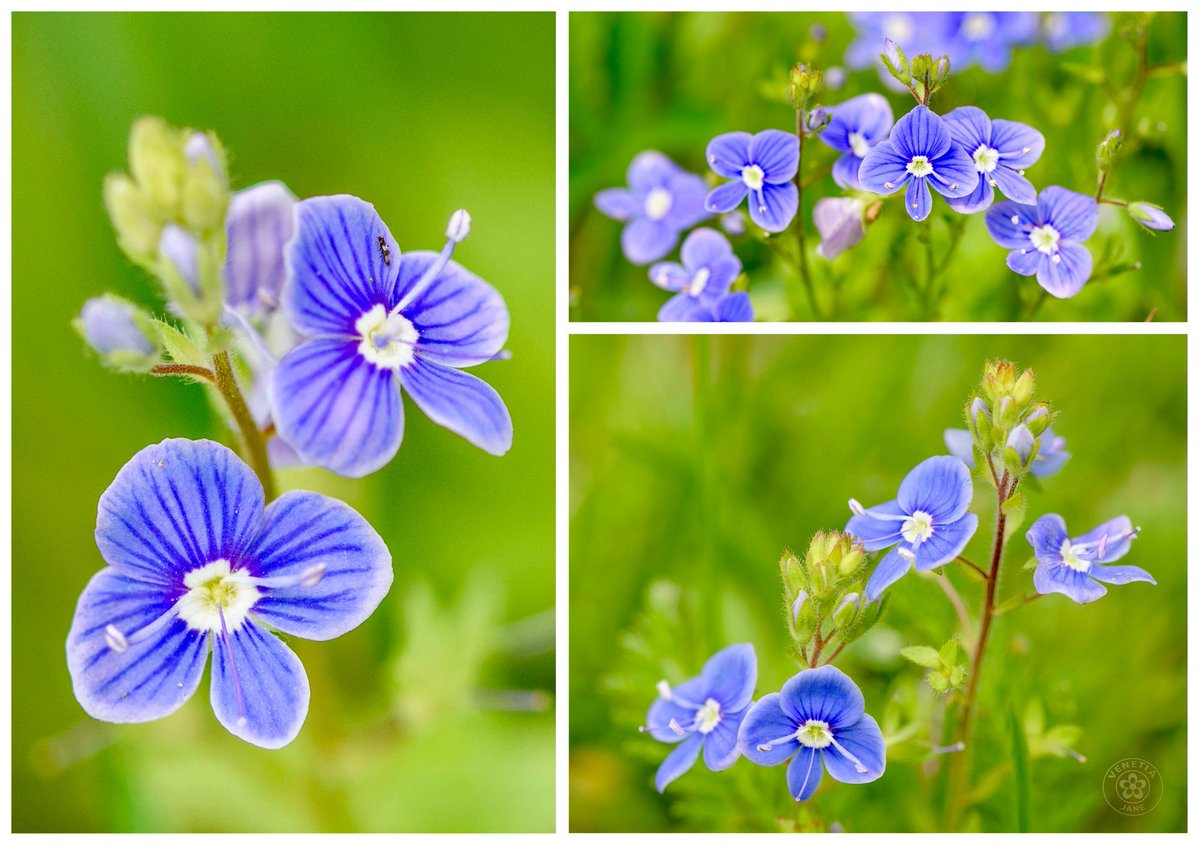
Germander speedwell, Veronica chamaedrys, bears the old names Bird’s-eye, Cat’s-eye, Eye of the Child Jesus, Farewell and Goodbye. A wayside flower, speedwell was said to speed travellers safely on their way; in Ireland it was sometimes sewn into clothing for luck and protection.
Arum maculatum and Cardamine pratensis are known by the old names ‘cuckoo-pint’ and ‘cuckoo flower’, given because they bloom around the time the cuckoo begins to call. In Sussex St. Tiburtius' Day, 14 April, was called “first cuckoo day”. Have you heard the cuckoo yet this year?
April wildflowers and woodland plants for this week’s #WildflowerHour: cherry blossom and wych elm above, snake’s-head fritillary, wood anemone, cowslip, bluebell, wild garlic and primrose below, weaving colour through the woodland. #WoodlandPlants
“May the beauty of spring fill your days with happiness, and may the blessings of Easter bring you peace.” — Irish blessing
Primrose, scilla, fritillary, magnolia and bluebell, blooming in celebration of the season—flowers to wish you a very happy Easter Sunday. #FolkloreSunday
A Harvard neuroscience professor who teaches at Harvard Summer School said something that completely changed how I think about memory.
She wasn't talking to journalists. She was answering a student question about why smart people still forget everything they study.
Her name is Dr. Tracey Tokuhama-Espinosa, and she has spent decades researching how the brain actually encodes and retrieves information.
Here's what she said: "The ultimate litmus test of learning is using the information in a new context, not just remembering it for a test."
That one sentence exposes why most people's study habits are completely broken.
Here's the actual system she teaches Harvard students to retain what they learn.
The first thing she kills immediately is the myth that you have one learning style. The idea that you're a "visual learner" or an "auditory learner" is not supported by modern neuroscience. Your brain wants to learn through as many senses as possible at once, because each sense creates a separate neural pathway to the same knowledge. More pathways means faster and stronger recall.
The second technique is spaced repetition, but she explains the mechanism in a way most people never hear. Every time you retrieve a memory, you physically thicken the myelin sheath around that neural connection, which makes the electrical signal travel faster. You aren't just reviewing information you are literally rewiring your brain to access it more quickly.
The third technique floored me. She tells students to teach what they just learned to someone else within 24 hours, because teaching forces you to find the gaps in your own understanding before the exam does it for you.
The fourth is what she calls "feed-forward" instead of feedback. When you get something wrong, don't treat it as a failure. Ask only one question: what would I do differently next time? That reframe keeps the brain in a learning state instead of a defensive one.
But the most underrated insight she shared was this: the single biggest factor in long-term retention is whether you can make the material personally meaningful to your own life. Your brain prioritizes storing things that feel relevant and discards things that feel abstract.
The students who remember everything aren't studying harder. They're studying in a way that the brain was actually designed to absorb.
Clouds of cherry blossom, accompanied by birdsong and the hum of bees in my garden this morning. Prunus ‘Pandora’ is one of my favourite blossom trees. I’d love to plant another this autumn—what would you recommend?
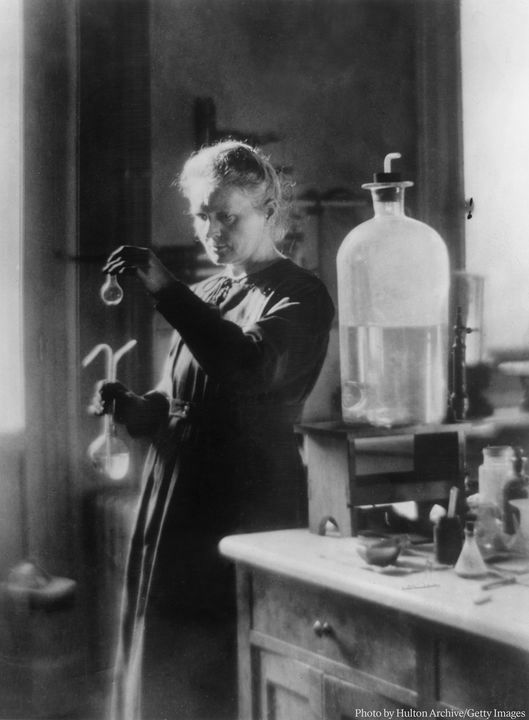
The first woman to be awarded a Nobel Prize, the first individual to be awarded two Nobel Prizes and still today the only individual with two Nobel Prizes in two different scientific categories: Marie Skłodowska Curie.
Skłodowska Curie developed the term radioactivity, discovered the chemical elements polonium and radium and contributed to develop new cancer treatments. For her scientific dedication and remarkable breakthroughs, she was awarded the 1903 physics prize and the 1911 chemistry prize.
Learn more: https://t.co/dysmKgnI8A
#InternationalWomensDay
Happy International Women’s Day!
We’re celebrating women who have changed the world. Here are all of the amazing women who have received the #NobelPrize and their remarkable achievements at the time of the award.
Tell us about the women who inspire you the most – and why.
#InternationalWomensDay
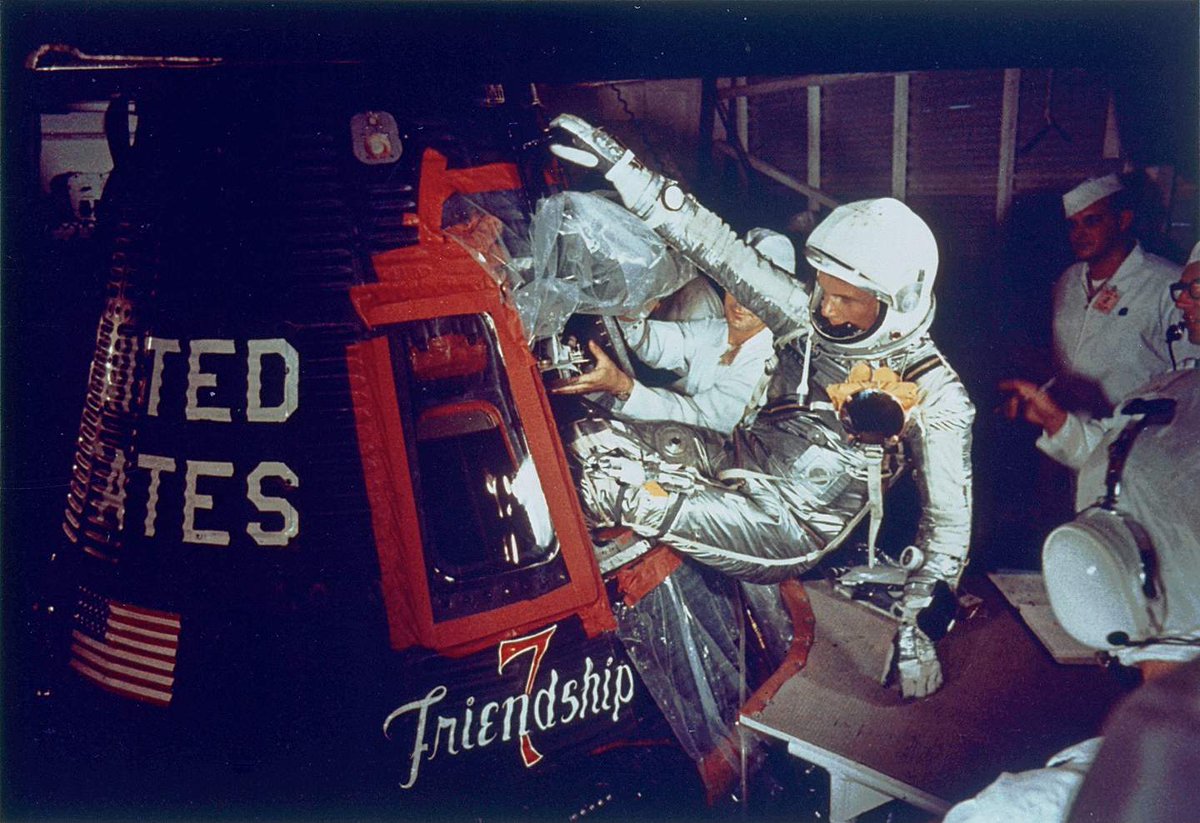
On this day in 1962, John H. Glenn Jr. became the first American to orbit the Earth, doing so three times during the 4 hour, 55 minute, and 23 second spaceflight in his Mercury Friendship 7 spacecraft.
The Year of the Fire Horse (2026) is a rare, potent 60-year Chinese New Year cycle event symbolizing intense energy, passion, and rapid transformation. The Horse’s independent, adventurous nature brings "double fire" intensity with boldness, leadership, and high-speed movement.
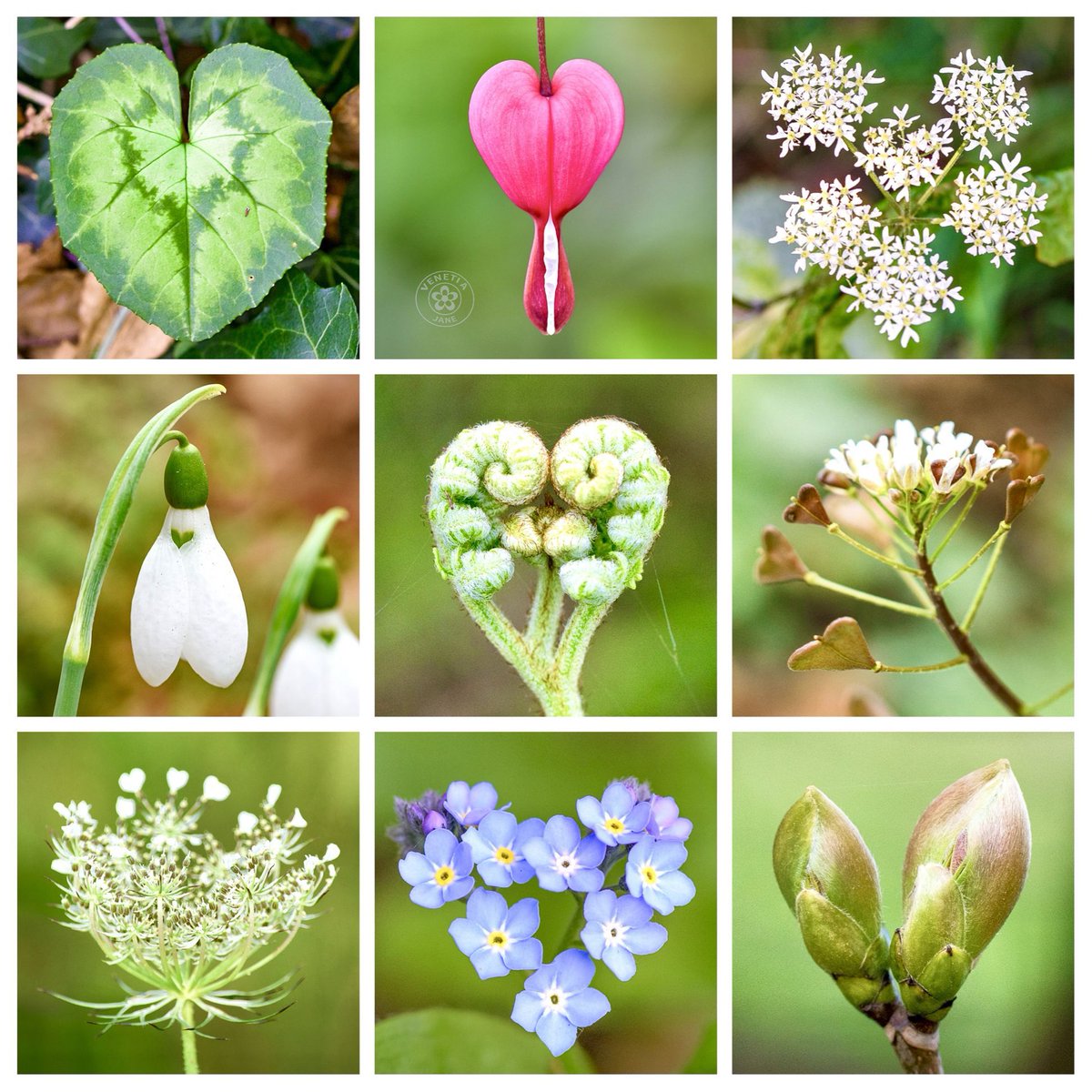
Hearts appear throughout the natural world, in leaves, flowers, seed pods and unfolding fronds. A small gathering of botanical hearts for St. Valentine’s Day. #ValentinesDay
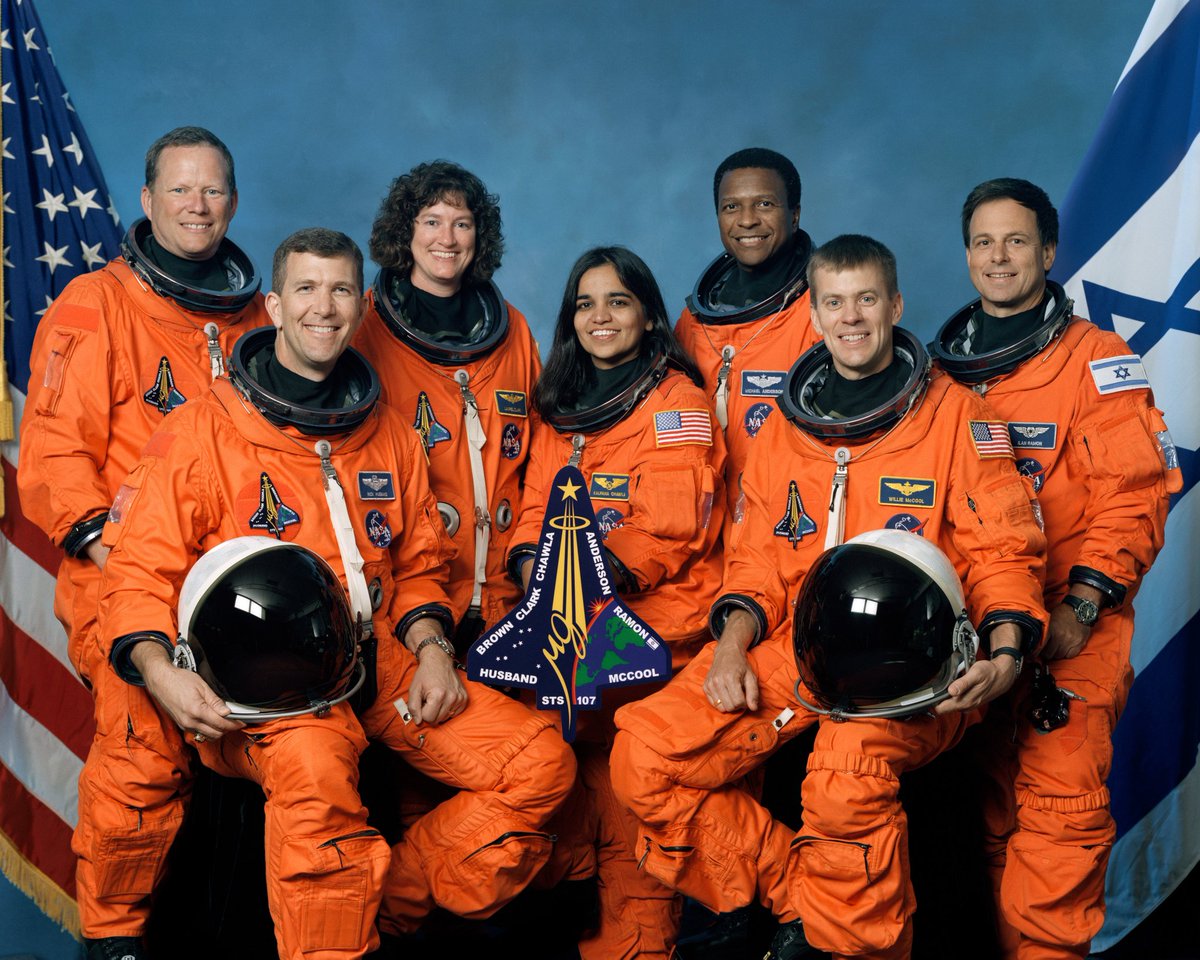
Remembering the crew of STS-107: David Brown, Rick Husband, Laurel Clark, Kalpana Chawla, Michael Anderson, William McCool, and Ilan Ramon
On February 1, 2003, the seven-astronaut crew was lost when Space Shuttle Columbia broke apart during re-entry.