Under the full moon, we celebrate reunion, gratitude and shared hopes for the future.
May this Mid-Autumn Festival bring happiness to families, strengthen bonds among friends, and inspire greater friendship and cooperation around the world.
Happy #MidAutumnFestival!
#China is shifting from #energy-use controls to #carbon controls, targeting a >10% cut in carbon emissions per unit of electricity by 2030 and expanding its national carbon market to accelerate the green transition. #15thFiveYearPlan#EnergyTransition
Less one-way power transmission, more local energy: #China aims to meet 70% of new energy demand in its eastern regions locally during 2026-2030, while boosting clean energy use and industrial development in energy-rich western areas. #15thFiveYearPlan#EnergyTransition
Congratulations to my colleague Shan Weiguo on his reappointment as lead shepherd of the @APEC Energy Working Group for 2027-2028!
His second term is a strong vote of confidence from #APEC economies in his work and China's contribution to global #energygovernance.
From pilot projects to industrial scale: #China aims to produce 2 million metric tons of green hydrogen by 2030, while expanding hydrogen, ammonia and methanol infrastructure and applications in transport, chemicals and power. #15thFiveYearPlan#HydrogenEnergy#GreenEnergy
#China aims to build a national unified electricity market by 2030, integrating spot, long-term, capacity and ancillary service markets.
Breaking down interprovincial barriers and leveraging price signals will enable more efficient cross-regional power trading. #15thFiveYearPlan
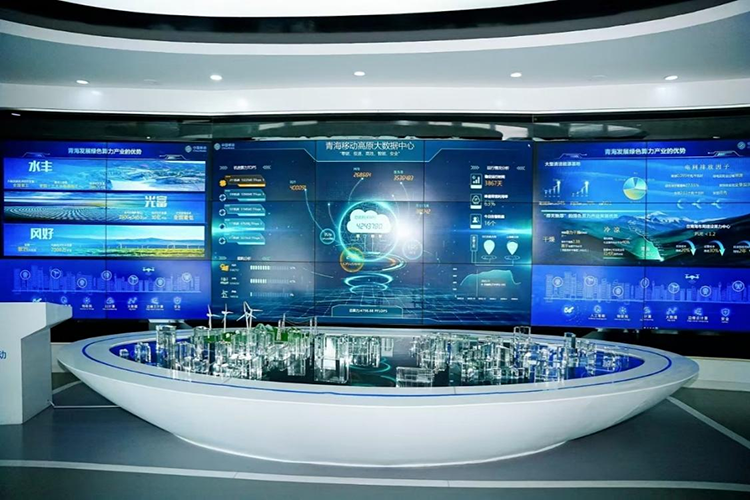
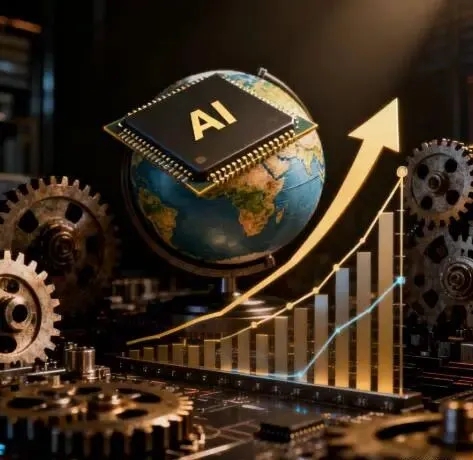
#China is advancing an "AI Plus" energy initiative to synergize #energy resources and computing power.
From smart power plants to digital #oil and #gas fields, #AI is set to reshape the energy system during the #15thFiveYearPlan period (2026-2030). #EnergyTransition
China-APEC #energy cooperation is deepening across energy, power, investment, trade and infrastructure. We call for greater collaboration on #energysecurity, green transition and #innovation to build a more resilient and sustainable Asia-Pacific energy future. #APEC
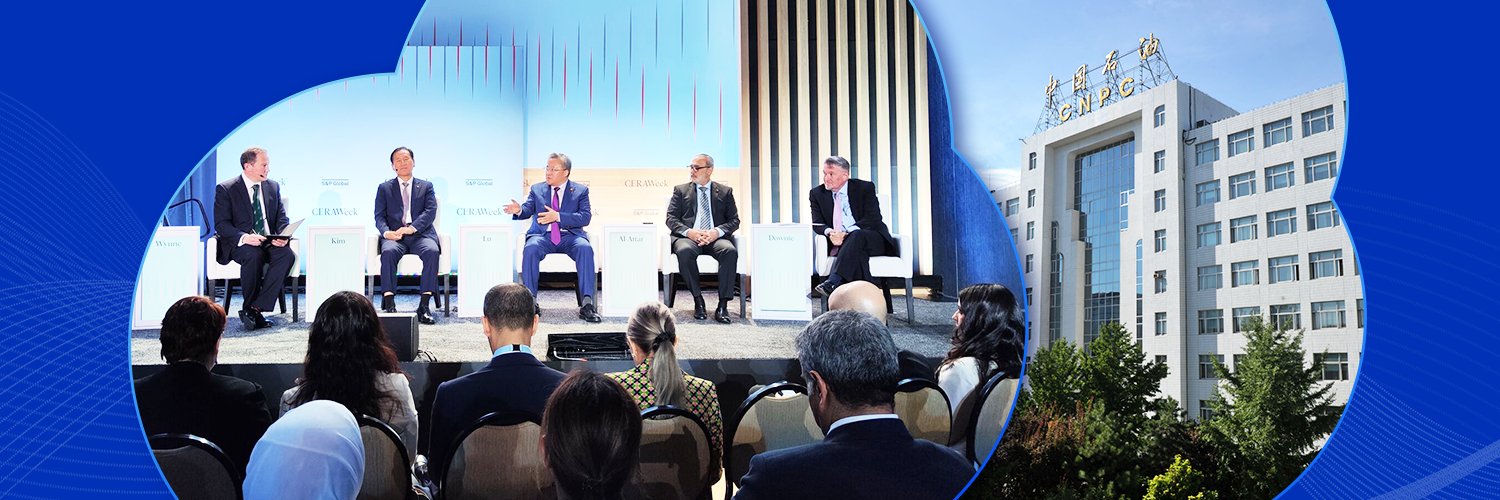
It was a great privilege for us, CNPC Economics & Technology Institute, to host the inaugural #APEC Energy Think Tank Forum alongside the APEC Senior Officials' Meeting.
Representatives from 17 APEC economies gathered with us to explore shared #energy challenges.
Over the medium to long term, #China's crude import demand will depend on the relative cost competitiveness of imported #oil versus domestic #renewableenergy.
Read the full interview @MNIMarketnews:
https://t.co/3YVY1DU1lU
Recently spoke with MNI about #China's #oil import slump.
The drop reflects temporary supply adjustments and weaker refining demand—not a structural decline in oil consumption. How long it lasts will hinge on the reopening of the #StraitofHormuz and the trajectory of oil prices.
#China's 2026-2030 #energy plan takes #energysecurity as its strategic bottom line. It includes preparations for "extreme scenarios," aiming to keep annual crude oil output stable at 200M metric tons while expanding strategic petroleum reserves and underground gas storage.
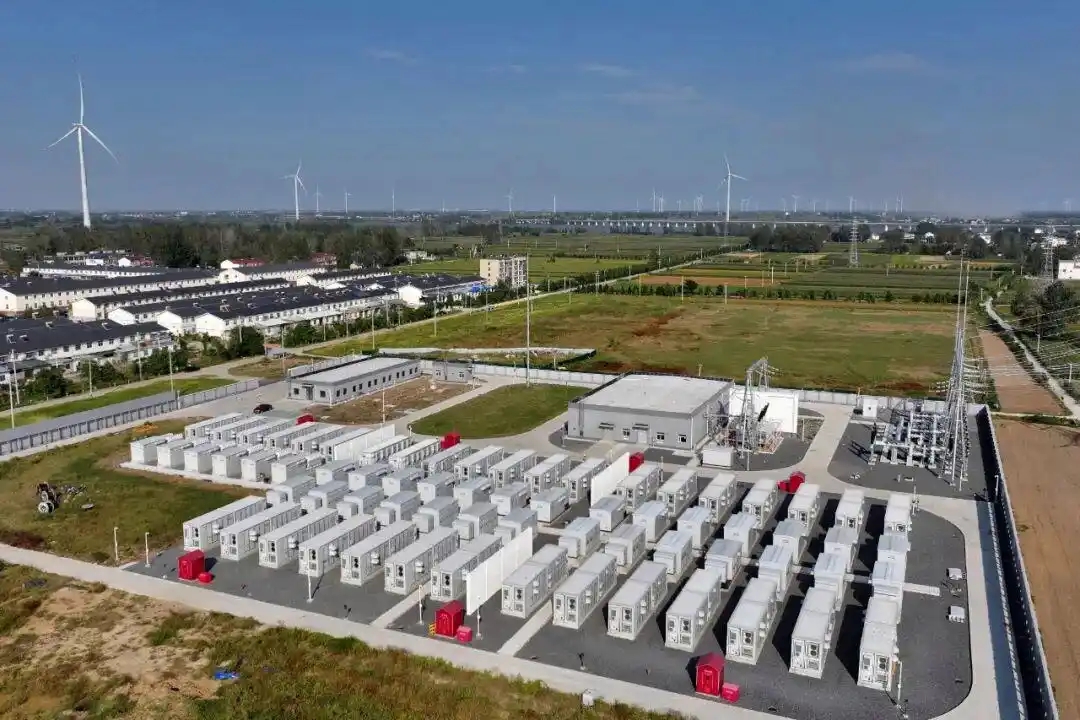
#China aims to boost grid flexibility by 2030 with 160 GW of pumped-storage hydropower, 300 GW of new #energy storage, and, for the first time, 50 GW each of virtual power plants and vehicle-to-grid (V2G) capacity. #EnergyTransition#PowerGrid#15thFiveYearPlan
#China and the U.S. have more room for cooperation on #energy than many realize. Their companies have long partnered on major #oil and #gas projects overseas, while China's demand and America's energy supply make the two economies natural complements. #ChinaUS#EnergyCooperation
#AI runs on computing power. Computing power runs on electricity. With more than 60% of its 4 billion kW installed power capacity from #renewables, China is powering AI with #cleanenergy while expanding its role in global AI governance. #WAIC2026
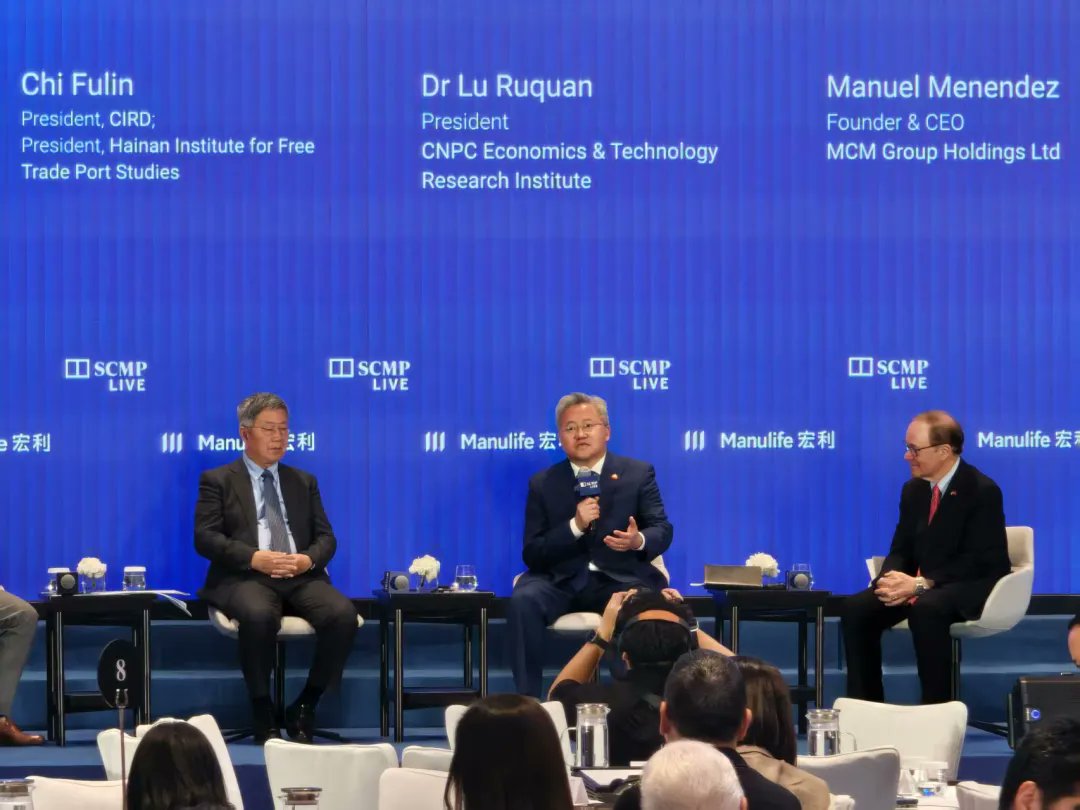
Honored to speak at China-US High-Level Dialogue on Energy and Climate Change.
#Energytransition is no longer just climate-driven—it's increasingly security-driven. China's resilience stems from diversified supplies, stronger reserves, and a cleaner #energy mix. @WorldResources
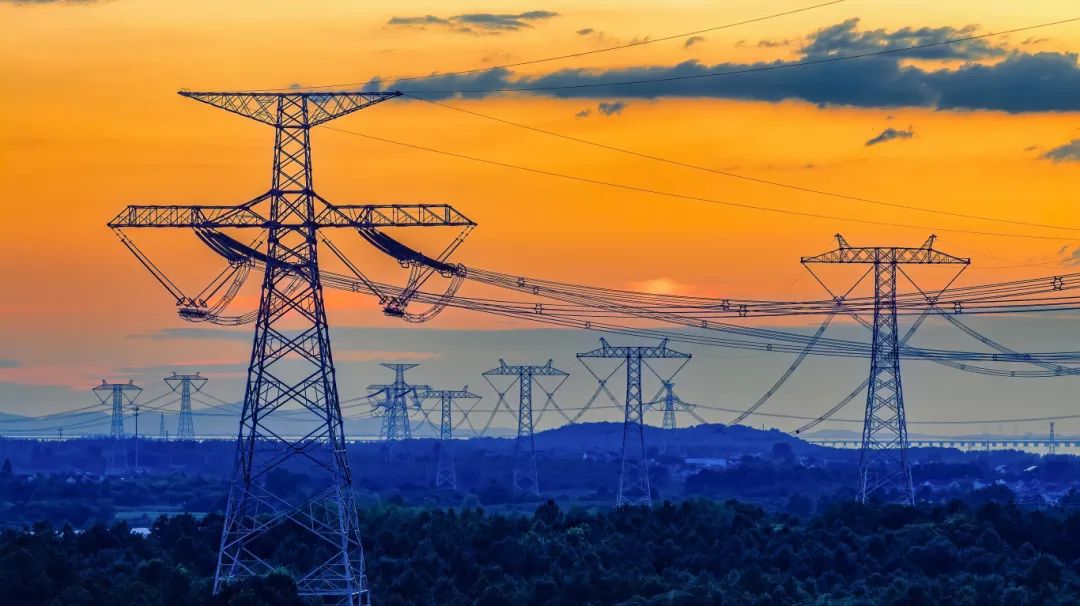
What will #China's next-generation power system look like? #EnergyTransition#PowerGrid
By 2030:
• More #renewables on the grid.
• Coal power shifts to a flexible backup and balancing role.
• Smarter grid dispatching helps integrate more #wind and #solar.
The report projects global energy investment to reach US$3.4T in 2026, with clean energy and electrification attracting US$2.2T — nearly twice fossil fuel investment. China remains the world's largest energy investor, with growing investment in nuclear, grids, and energy storage.
A milestone for #China's #energytransition: By 2030, #wind and #solar will make up over 50% of installed power capacity, while non-fossil sources will generate half of the country's electricity — becoming the backbone of both power capacity and electricity generation.