S.P.I.N.E. = Surgical Precision, Informatics, Neural Interfaces & Engineering | AI & Big Data Outcomes Research in Spinal Tumor | @DanielLubelski @HopkinsNsurg
🎉A huge congratulations to Lansaol Yang @LansaolY, our stellar clinical researcher, as she heads west to begin a PhD in Molecular Pharmacology at University of California, Los Angeles!!
During her two years at Johns Hopkins, Lansaol has taken on an extraordinary range of work, from pushing forward more than 20 projects and leading lab meetings with over 15 teammates, to scaling multi-institutional studies across the country and everything in between. She has a special way of bringing people together through her positive energy and warm personality. We’re honored to have had her with us and have learned so much from her caring and determined leadership.
UCLA is lucky to get such an all-star. Stay in touch, Lansaol! We're all proud of you and excited to see what you spearhead next!✨
@DanielLubelski@HopkinsSpine@UCLAGradSchool
🔔Congratulations to our team on our latest publication in Neurosurgery!
As immunotherapy becomes a central component of cancer care, an important question emerges:
💭Can immunotherapy be safely continued in the perioperative setting for patients with spinal metastases?
In a cohort of 367 patients undergoing surgery for spinal metastases, we observed that perioperative immunotherapy use was not associated with increased wound complications or greater severity of wound-related outcomes. Multivariable analysis similarly showed no independent effect on wound healing (OR 0.40, 95% CI 0.09-1.69).
🔗 Full-text link:
https://t.co/SeeRrJZOkR
📌Takehome: Despite ongoing concerns regarding immune modulation and wound repair, these findings suggest no clinically meaningful negative impact of perioperative immunotherapy on wound healing.
@NeurosurgeryCNS@HopkinsSpine@HopkinsNsurg
#Neurosurgery #Spine #SpineSurgery #Oncology #Immunotherapy
We are excited to invite you to the Spine Oncology Debates hosted by the NASS Section on Spine Oncology and the Seattle Science Foundation!
@NASSspine@SeattleSciFdtn
The upcoming series of this global forum brings together leading experts, Dr. Ilya Laufer of New York University and Dr. Daniel Lubelski of Johns Hopkins University, to tackle real world controversies in spinal tumor care. Please find the information below 👇:
🗓 Time: Monday, April 6, 2:00 PM
🧠 Topic: Radiolucent Implants in Spine Oncology
🎙 Moderators: Daniel Sciubba, Mohamed Macki & Joseph Schwab
💬 Panelists: Ilya Laufer (NYU) & Daniel Lubelski (JHU)
🔗 Register today by clicking the link below:
https://t.co/s501IRwxkJ
Be part of the conversation that sparks new ideas, inspires innovation, and shapes the future of spine oncology care - bring your questions, perspectives, and curiosity!💡💭
@HopkinsNsurg@HopkinsSpine@DanielLubelski@NYUneurosurgery
#SpineOncology #Neurosurgery #Oncology #MedEd
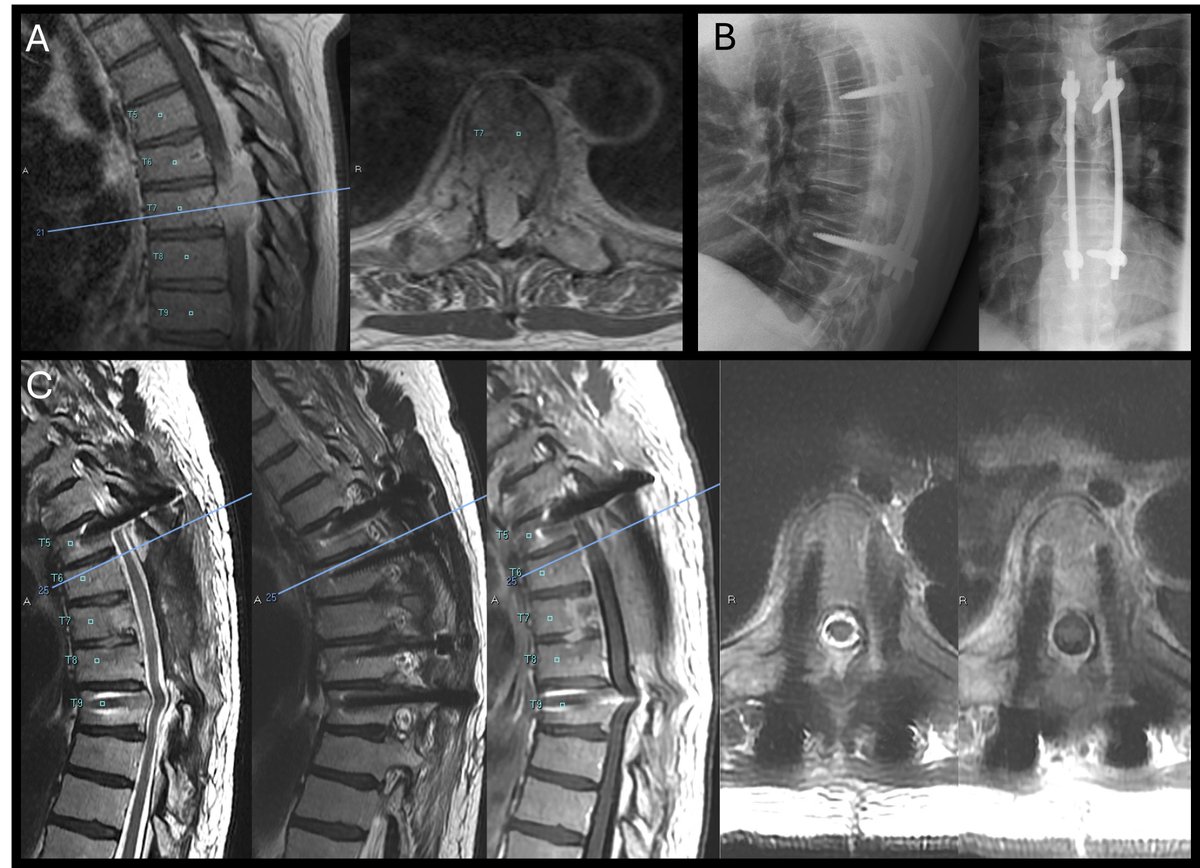
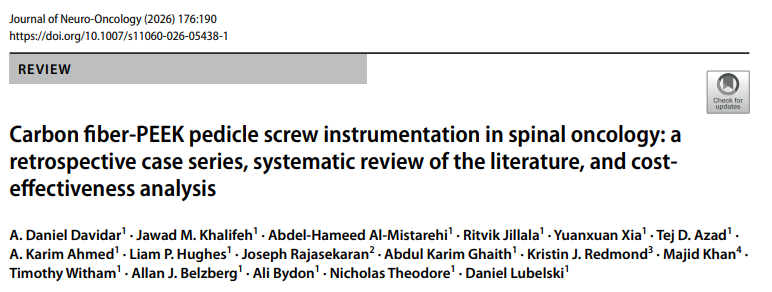
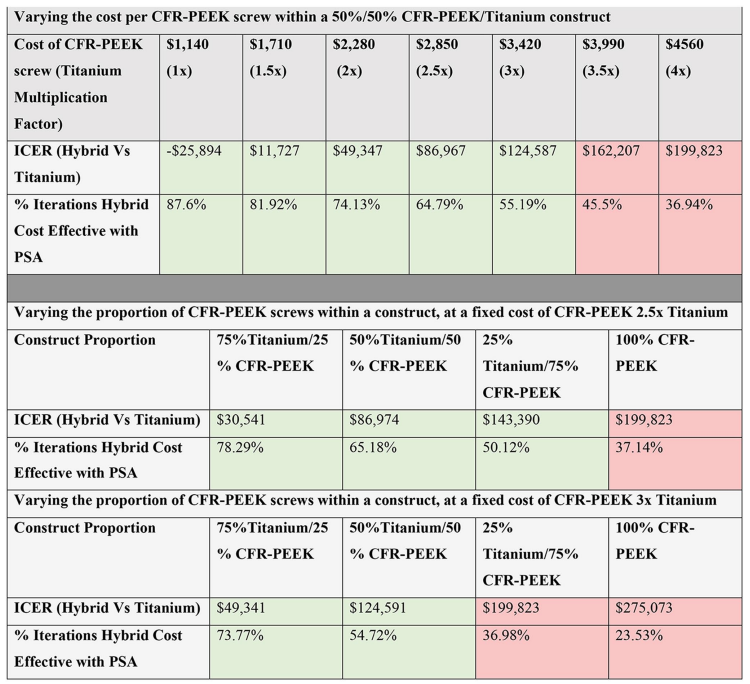
Carbon fiber–reinforced PEEK (CFR-PEEK) screws offer superior radiolucency on imaging, facilitating improved tumor surveillance and radiation planning. Although CFR-PEEK instrumentation provides distinct advantages in spinal oncology, its widespread adoption remains limited by cost. Hybrid titanium/CFR-PEEK constructs have therefore emerged as a pragmatic alternative.
Our cost-effectiveness analysis demonstrates that hybrid constructs provide a more economically favorable option compared with all–CFR-PEEK constructs, supporting their role as a financially sustainable strategy in oncologic spine surgery.
@HopkinsNsurg@HopkinsSpine@HopkinsMedicine@CarboFix@icotecmed
#Neurosurgery
We are proud to celebrate an incredible milestone for our colleague and friend, @abdul_ghaith!
After years of dedication, resilience, and extraordinary hard work, AK has matched as a PGY 2 Neurosurgery Resident at the University of Alabama at Birmingham Department of Neurosurgery.
AK's journey has been defined by perseverance and an unwavering commitment to the field of neurosurgery. Arriving in the United States with little more than determination and a vision for his future, he pursued research with remarkable focus. During his time at Mayo Clinic, later at University of Maryland and, Johns Hopkins University with @DanielLubelski and @DrNTheodore, he built an exceptional academic portfolio with more than 120 publications and over 130 scientific presentations. As a research fellow in our lab, AK has been an invaluable member of our team. His work ethic, intellectual curiosity, and collaborative spirit have left a lasting impact on everyone who has had the privilege of working with him.
His next chapter at University of Alabama is a testament to the persistence, courage, and passion that have defined his journey. We are incredibly proud of all that he has accomplished and cannot wait to see the impact he will make in neurosurgery.
Please join us in congratulating Dr. Ghaith on this well deserved achievement. The future is bright, and this is only the beginning!
@MayoClinicNeuro@MayoGradSchool@UMBaltimore@HopkinsNsurg@HopkinsMedicine@HopkinsSpine@NeurosurgeryUab
#Neurosurgery
Colorectal cancer spine metastases represent a high risk and complex surgical population. Patrick Kramer @pkrame16, an MS3 trainee at Johns Hopkins, shared our institutional experience at #SpineSummit 2026. Key findings:
• The sacral region was the most commonly involved site.
• CK20 expression, TP53, and KRAS mutations were identified as markers associated with poor prognosis.
• Synergistic molecular interactions defined high risk phenotypes that can aid in risk stratification.
Key takeaway: Molecular context is critical for prognostication and risk stratification in metastatic spine disease. Moving forward, how should biomarker driven models shape surgical decision making and surveillance?
@spinesection@HopkinsSpine@HopkinsNsurg
#Neurosurgery #Spine #Oncology #AANS #SpineSummit
Congratulations to @RitvikJillala, an MS3 trainee at Johns Hopkins on presenting his insightful work, "Chronologic age underestimates surgical risk after ALIF/XLIF" at #SpineSummit 2026!
In this multi-cohort ALIF/XLIF analysis, biologic age outperformed mFI-5 and RAI-A for predicting 30-day morbidity and mortality, enabling stronger risk stratification and more precise preoperative counseling.
#AANS #SpineSummit #SpineSurgery #Frailty #BiologicalAge
Clear Margins vs Neurological Preservation?
Malignant tumor resection has long forced a difficult choice: clear margins or nerve function. For decades, nerve sacrifice was accepted as the price of disease control. But permanent motor loss, sensory deficits, neuropathic pain, and loss of independence are not small tradeoffs.
Dr. @DanielLubelski recently shared how this paradigm is shifting at #SpineSummit 2026:
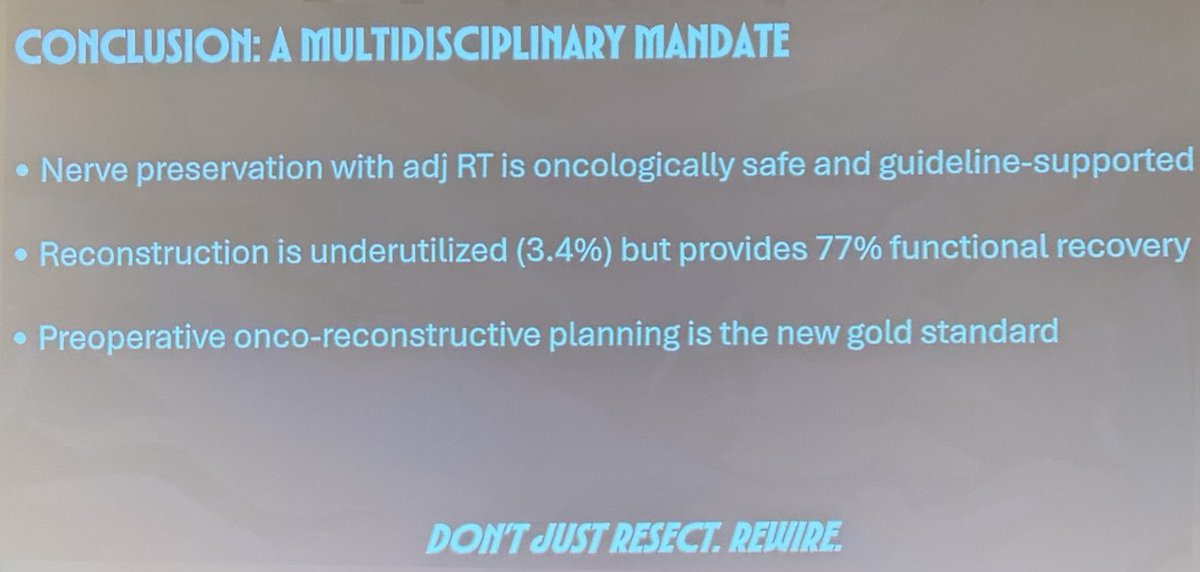
• Nerve preservation with adjuvant radiation is oncologically safe and guideline supported.
• Reconstruction is still underused despite strong functional recovery outcomes.
• Preoperative onco-reconstructive planning in a multidisciplinary team should be the new golden standard.
The question is no longer just “Can we get clear margins?” It is also “How do we preserve function and quality of life?”
Bottom line: do not just resect. Rewire.
@DanielLubelski@spinesection@HopkinsNsurg
#AANS #SpineSummit #Neurosurgery #Oncology
A proud moment for our lab member, Lansaol Yang, who presented the study “Trauma across pediatric ages: age stratified epidemiology, injury patterns, and outcomes in pediatric cervical spinal cord injury. A National Trauma Registry analysis” at CSRS 2025.
The work provides important insight into the injury epidemiology, treatment patterns, and clinical outcomes of pediatric patients with traumatic cervical spinal cord injury.
Grateful for the hard work and support from our team, and thankful to the CSRS community for the warm welcome!
@CSRS_org@DanielLubelski@DrNTheodore@LansaolY@abdul_ghaith
#CSRS2025 #Neurosurgery #Trauma #CervicalSpine
Check out our group’s recent publication in Operative Neurosurgery demonstrating that in adults with intramedullary astrocytoma, expansile duraplasty was used in more infiltrative tumors and associated with longer hospital stays, higher rehab discharge, and worse functional outcomes.
https://t.co/h5pNIt1HV4
@HopkinsNsurg@HopkinsSpine@DanielLubelski@DrNTheodore
#Neurosurgery #SpineSurgery #NeuroOncology #IntramedullaryTumor #Astrocytoma #Duraplasty #OperativeNeurosurgery #NeurosurgeryResearch
Dr. Daniel Lubelski presented at the Johns Hopkins Neurosurgery Grand Rounds on “Chordoma in 2025: Margins, Modern Radiation, and What Actually Changes Survival”. In this talk, Dr. Lubelski offered a data-driven perspective on how radiation dose, surgical margins, neurological preservation, and patient-centered considerations are shaping the future of chordoma care.
Key Takeaways:
1. Dosage: Radiation dose > 70Gy improves both local control and overall survival.
2. Margins: Achieving gross total resection remains essential for durable outcomes.
3. Neurological: Preservation of S3 function and individualized radiation approaches reduce morbidity.
4. Considerations: Patients' quality of life and survivorship metrics should guide clinical decision-making.
@HopkinsNsurg@HopkinsMedicine@HopkinsSpine@DanielLubelski
👏👏Ali Bydon (@AB93849971) who is the new Director of the Division of Spinal Neurosurgery. Dr Bydon, the Ziya Gokaslan prof of neurosurgery, brings exceptional clinical expertise & a deep commitment to advancing @HopkinsMedicine mission across research, education & patient care
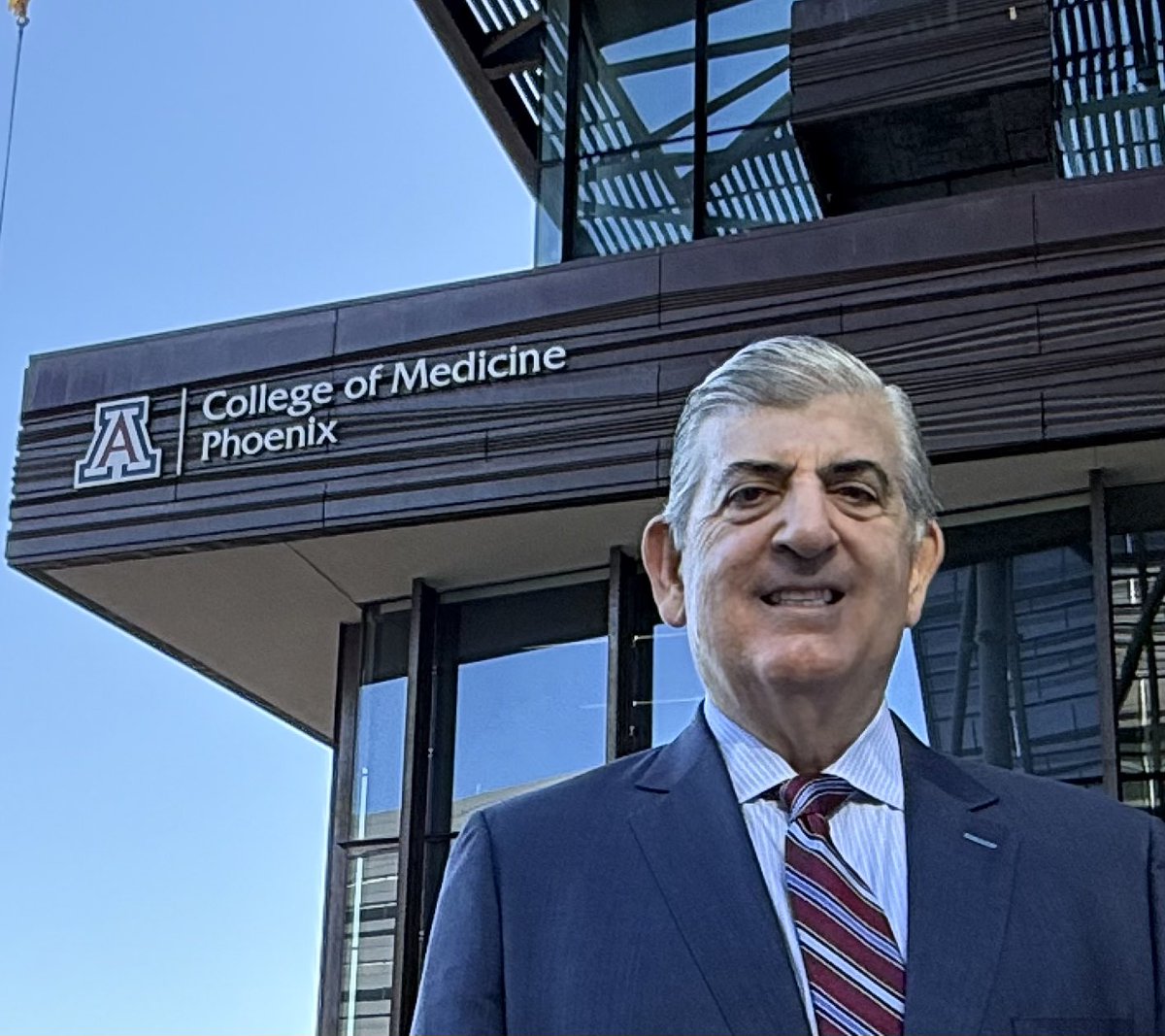
First day as Chairman of Neurosurgery at the University of Arizona Phoenix College of Medicone and Physician Executive for Neurosciences at Banner Health!!! Banner/UA is an amazing partnership between a hospital system and an academic enterprise.
Only a handful of hospitals in the US have true expertise in treating #chordoma-an ultra-rare spine cancer. Johns Hopkins is 1 of them. Our Director of Spine Tumor Neurosurgery @DanielLubelski recently helped a journalist find hope thru life-changing care https://t.co/Avv3pTk6hm
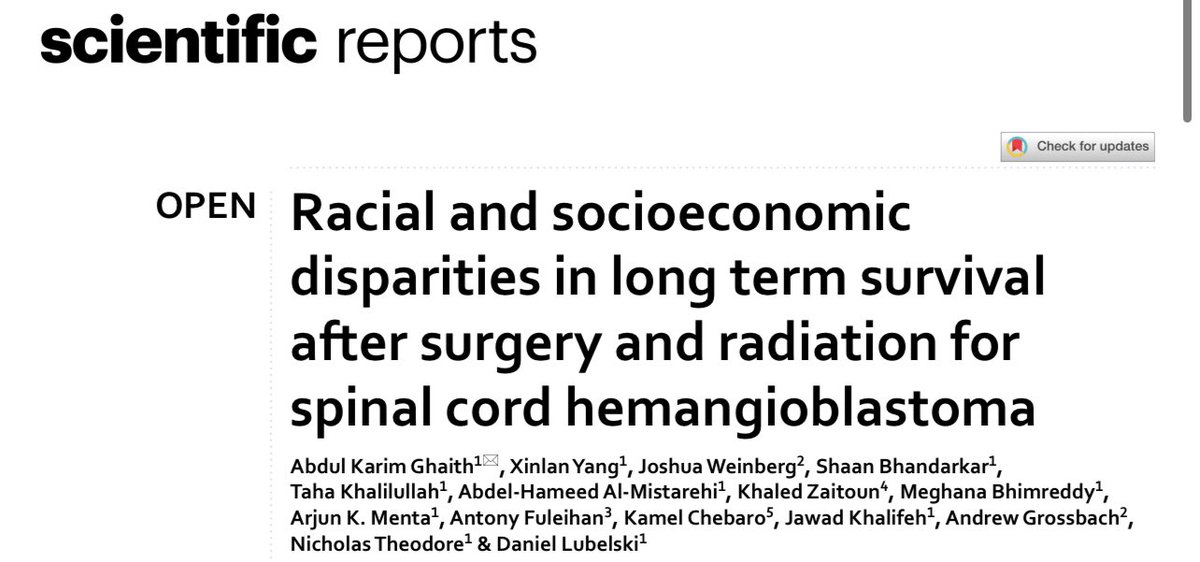
Proud to lead our study @HopkinsNsurg@HopkinsSpine@JohnsHopkinsSPH@LubelskiLab
uncovering the hidden impact of racial and socioeconomic disparities on survival outcomes in #SpinalCordHemangioblastoma.
Our use of advanced #MachineLearning is reshaping how we predict mortality and fight inequities in healthcare.
Huge thanks to my mentors @DanielLubelski@DrNTheodore for their unwavering guidance.
This work is a game-changer for precision medicine and health equity!
Dive into the full study: https://t.co/pMoHZsNv5h
#Neurosurgery #HealthEquity #Innovation.
This year, we submitted a record-breaking 115 abstracts to the CNS meeting @CNS_Update and the results are in:
🎤 23 Oral Presentations
📌 30 Printed Posters
💻 62 Digital Posters
From AI and machine learning to big data analytics, basic science, and breakthrough ultrasound research, we’re proud to be at the forefront of innovation in spine and neurosurgery.
Deepest thanks to my incredible mentors @DrNTheodore, @DanielLubelski@LubelskiLab@AManbachi whose unwavering support, vision, and mentorship made this journey possible. @HopkinsSpine@HopkinsNsurg@LansaolY@TahaKhalilullah@AJDavidson_1
🌟 Let’s make some noise in Los Angeles. See you there!
#CNS2025 #Neurosurgery #SpineInnovation #AIinMedicine #Ultrasound #Gratitude #Teamwork
🎉 Excited to share our latest study from the Johns Hopkins Department of Neurosurgery!
@DanielLubelski@HopkinsNsurg@HopkinsSpine@JNeurooncol@abdul_ghaith@LansaolY@TahaKhalilullah@jkhalifeh_md@MajidKhan_spine@DrNTheodore@DanielLubelski
In this NCDB-based study of 3,175 patients with spinal chordoma or chondrosarcoma, we identified key clinical and treatment predictors of 10-year survival using advanced machine learning models.
① Chordoma patients showed significantly better 10-year overall survival compared to chondrosarcoma, despite being older and more likely to receive radiation rather than surgery.
② Gross total resection was more common in chondrosarcoma, while radiation therapy was more frequently used in chordoma.
③ Chondrosarcoma patients treated with radiation alone had the poorest survival outcomes.
④ Our predictive model identified age, tumor type, and radiation therapy as the most influential survival predictors.
🔗 Explore the survival calculator and full manuscript here: [https://t.co/Iv1AsKUjuV]
#Chordoma #Chondrosarcoma #SpinalTumors #Oncology #Neurosurgery #MachineLearning #PrecisionMedicine #clinicalresearch
🎉 Excited to share our latest study from the Johns Hopkins Department of Neurosurgery!
@DanielLubelski@HopkinsNsurg@HopkinsSpine@TheJNS#albertantar
“Napsin A as a key prognostic biomarker in spinal metastases of lung cancer: implications for survival and neurological function”
In this single-center retrospective study of 76 patients with lung cancer spinal metastases (LCSM), we identified key molecular and treatment-related predictors of survival:
1️⃣ Napsin A expression was associated with a >3.9x increase in median overall survival (5.41 vs 1.39 years, p = 0.01)and a >3.2x increase in survival after spinal metastasis (2.29 vs 0.71 years, p < 0.01).
2️⃣ It was the only biomarker associated with improved postoperative neurological function (Frankel improvement, OR 10.01, p = 0.001).
3️⃣ In multivariable accelerated failure time (AFT) modeling, Napsin A was the strongest positive predictor of survival(TR 2.69, p < 0.001).
4️⃣ While EGFR mutations conferred improved overall (3.40 vs 1.39 years, p = 0.01) and post-metastasis survival (1.73 vs 0.98 years, p = 0.01), their prognostic impact was lower than that of Napsin A.
5️⃣ KRAS mutations and CK7 expression were associated with reduced survival (KRAS TR 0.43, p < 0.01; CK7 TR 0.56, p = 0.03).
6️⃣ Targeted therapy and immunotherapy were both linked to improved survival (TR 2.20 and 2.15, respectively).
7️⃣ Spinal radiotherapy was associated with decreased OS in multivariable models (TR 0.46, p = 0.02), likely reflecting treatment of more advanced disease.
🧠 Takeaway: Napsin A is not only a diagnostic marker but also a powerful predictor of survival and neurological recovery in LCSM. Its integration into preoperative risk stratification could revolutionize personalized management and surgical planning.
📚 Read more in our full manuscript
https://t.co/yrv4moTstr
#LungCancer #SpinalMetastases #Biomarkers #Neurosurgery #Oncology #PrecisionMedicine #ClinicalResearch