HOY NO VENGO A OFRECER MIS SERVICIOS. HOY VENGO A PEDIR UNA OPORTUNIDAD.
Tengo 49 años, una esposa y dos hijas que dependen de mí. Desde abril de 2026 estoy desempleado y necesito trabajar.
No es fácil escribir esto, pero hoy me toca pedir una mano. 🧵
@Tamara_Navarro Usted vio toda la desidia y tragedia de miles de familias y decidió que una palabra la traumatizó. A usted?! Dios que desubicada. Cierre las redes sociales y salga a respirar aire fresco.
@s8mb It’s called August in France. Everyone is on vacation and they won’t come back until September. People here take their summer holidays VERY seriously (as they should).
@pedrocaminos Y a ti que te importa lo que hace la gente en el gimnasio? Más lamentable eres tu que andas por ahí fijándote en lo que hacen los demás para venir a burlarte acá.
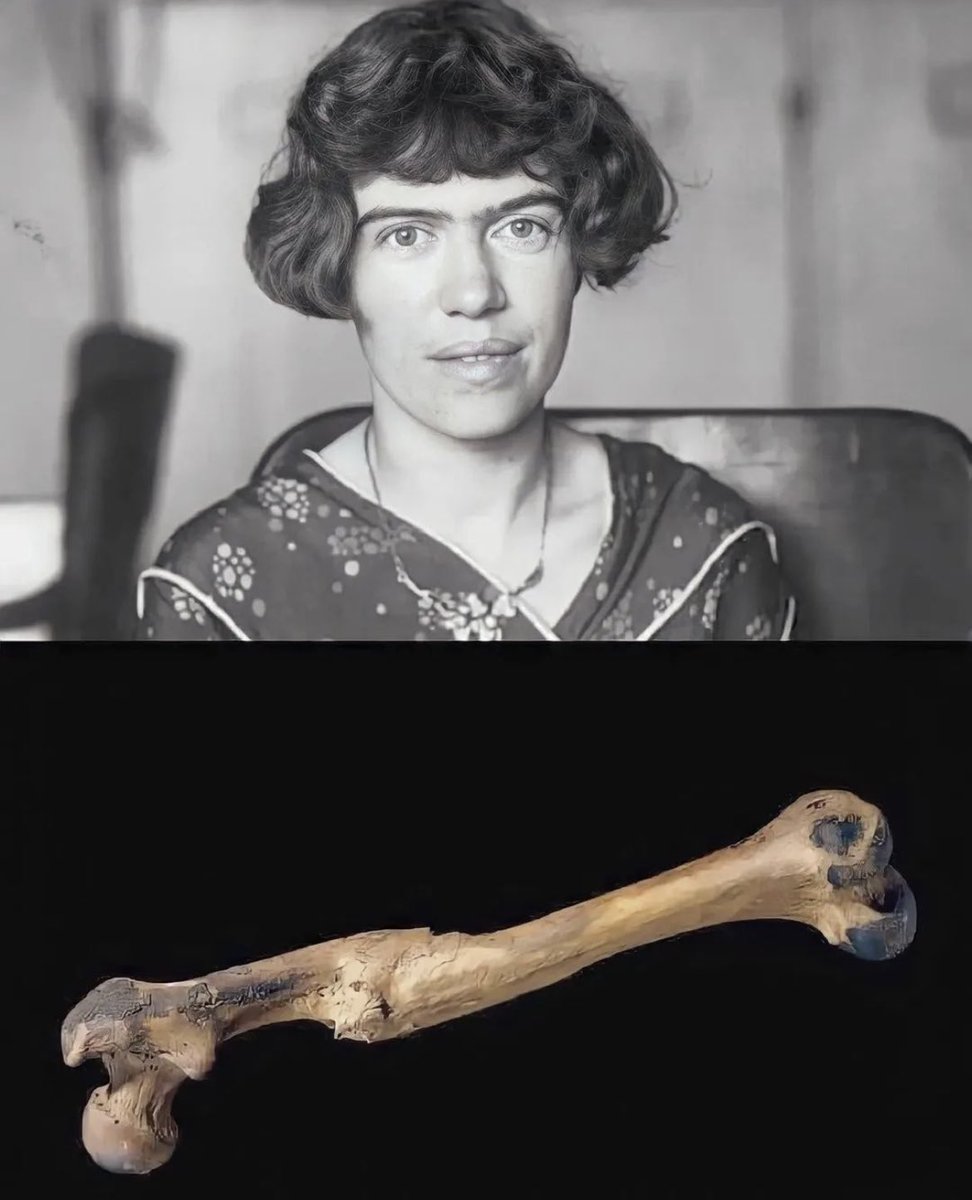
The concept of civilization is often associated with various tangible artifacts and advancements, such as tools, architecture, or systems of governance. However, anthropologist Margaret Mead presented a different perspective when she was asked about the first sign of civilization in a culture. Rather than focusing on material objects, she emphasized the significance of a healed femur bone.
In Mead's view, the animal kingdom provides a stark contrast to human civilization. When an animal breaks its leg, survival becomes nearly impossible. The inability to escape from danger, access water, or procure food renders the injured animal vulnerable to predators. Consequently, no animal lives long enough for a broken leg to heal naturally. Thus, the healing of a femur bone is a profound indication of civilization.
Why is a healed femur bone considered the first sign of civilization? Mead's explanation lies in the collective care and empathy demonstrated by a community. When someone breaks their leg, it is a moment of extreme vulnerability and danger. However, if the injured individual receives aid and support from others, they can overcome this critical period.
The act of caring for someone with a broken leg requires time, compassion, and a sense of responsibility towards others. Mead suggests that the healing process involves multiple steps. First, someone must have witnessed the accident and recognized the injured person's distress. Then, they would have provided immediate assistance, possibly by binding the wound and ensuring the person's safety. Finally, they would have stayed by their side, offering ongoing care and support during the recovery period.
By highlighting the significance of collective care, Mead emphasizes that civilization begins with the recognition of the suffering of others and the willingness to help. It is through acts of compassion and support that a community establishes its foundations of empathy, cooperation, and social cohesion. The healing of a broken femur, symbolizing the survival and recovery of an individual within a community, reflects the values and actions that underpin a civilized society.
Mead's perspective challenges the notion that civilization is solely determined by material progress or technological advancements. While such developments are undoubtedly important, they are built upon a deeper foundation of human connection and mutual aid. The healing of a broken femur bone serves as a metaphor for the care and support that individuals provide to one another, promoting the well-being and progress of society as a whole.
In conclusion, Margaret Mead's unconventional response to the question about the first sign of civilization reminds us of the fundamental importance of collective care. Civilization, she argues, is not solely defined by tangible artifacts or structures but by the empathy and support extended to those in need. The healing of a broken femur bone represents the compassion and responsibility that underpin a civilized society, highlighting the significance of human connection and mutual aid in fostering progress and well-being.
@amoleiro Me parece que no tienes ningún derecho de juzgar el proceso emocional (y muchas veces traumático) de las personas que se han ido de Venezuela. “No querer saber nada de Venezuela” no es más que una medida de protección de la salud mental.
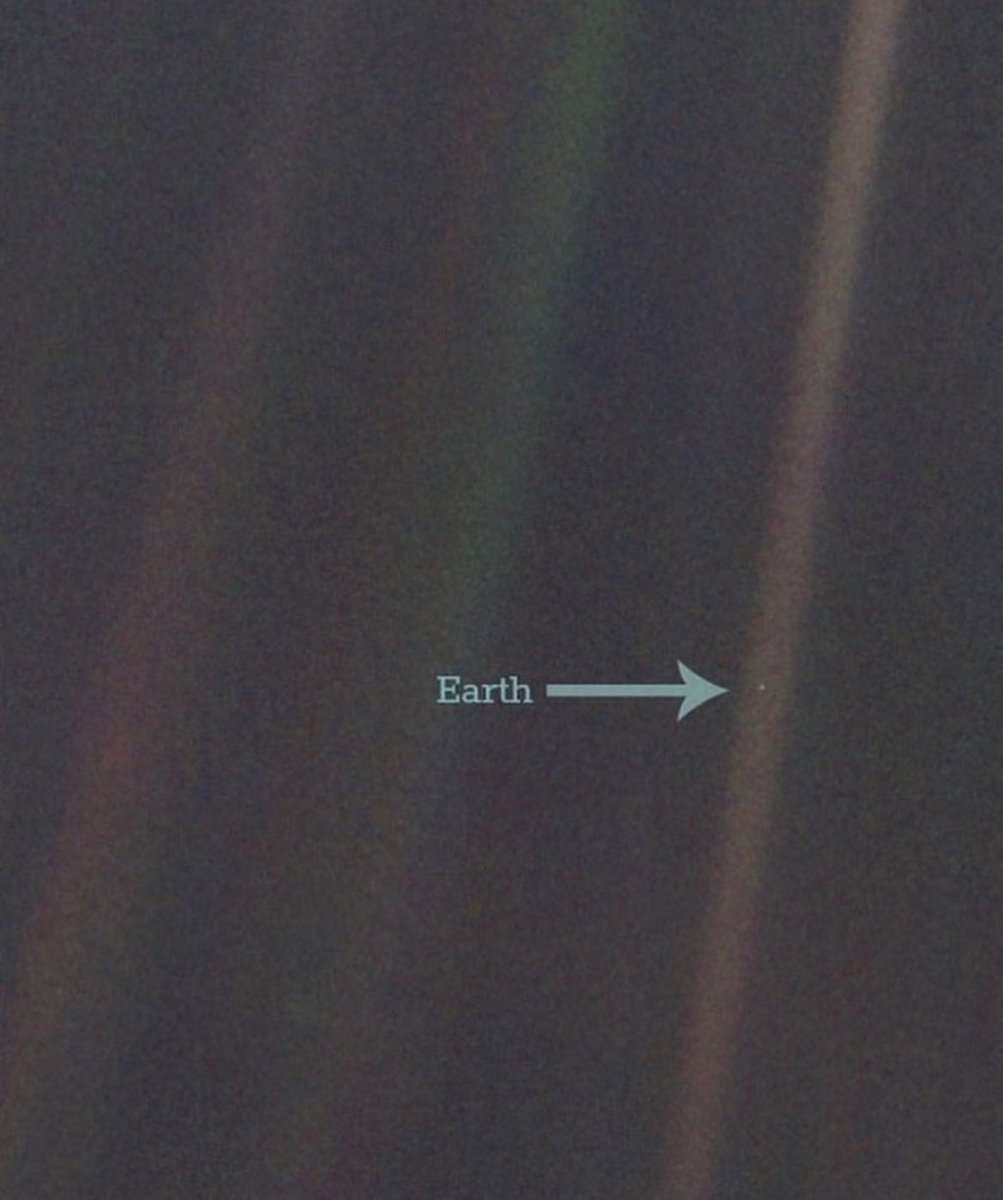
Pale Blue Dot is a photo of Earth that was taken by the Voyager 1 space probe in 1990 from a distance of about 6 billion kilometers (3.7 billion miles) as it was leaving our solar system. This is what Carl Sagan said about the photo:
"Look again at that dot. That's here. That's home. That's us. On it, everyone you love, everyone you know, everyone you ever heard of, every human being who ever was, lived out their lives. The aggregate of our joy and suffering, thousands of confident religions, ideologies, and economic doctrines, every hunter and forager, every hero and coward, every creator and destroyer of civilization, every king and peasant, every young couple in love, every mother and father, hopeful child, inventor, and explorer, every teacher of morals, every corrupt politician, every 'superstar,' every 'supreme leader,' every saint and sinner in the history of our species lived there — on a mote of dust suspended in a sunbeam.
The Earth is the only world known so far to harbor life. There is nowhere else, at least in the near future, to which our species could migrate. Visit, yes. Settle, not yet. Like it or not, for the moment the Earth is where we make our stand. It has been said that astronomy is a humbling and character-building experience. There is perhaps no better demonstration of the folly of human conceits than this distant image of our tiny world. To me, it underscores our responsibility to deal more kindly with one another, and to preserve and cherish the pale blue dot, the only home we've ever known.”
For our UK audience:
"If you're living with domestic abuse and you have a mobile phone hidden in your house "just in case"? Please remember to switch it off on Sunday 23 April 2023.
Post by @citizensadvicehulleastriding on Instagram