Tout le monde pense que le monde libre a gagné en 1989, à la chute du mur de Berlin.
C'est faux.
Et c'est exactement pour ça que le monde est aujourd'hui en feu.
Ce qui est tombé le 9 novembre 1989, c'est un appareil.
Une économie planifiée, un empire militaire, un mur de béton. Ce qui n'est pas tombé, c'est l'idée. L'idée que le monde se divise en oppresseurs et en opprimés. L'idée qu'il existe une égalité finale à atteindre, par tous les moyens. L'idée que tout ce qui existe (la famille, la nation, le mérite, l'héritage) est une structure de domination à abattre.
Cette idée-là n'était plus dans le bâtiment quand le bâtiment s'est effondré.
Il faut reprendre la chronologie, parce que tout est dans la chronologie :
Le communisme économique avait un défaut fatal : il était réfutable. Il promettait l'abondance, il produisait des famines. Il promettait l'émancipation, il produisait des barbelés. Budapest 1956, Prague 1968, L'Archipel du Goulag publié à Paris en 1973, les boat people de 1979 : à chaque décennie, le réel envoyait sa réfutation. Les boat people étaient une réfutation flottante, visible depuis les plages.
Alors l'idéologie a fait ce que fait tout organisme menacé : elle a muté.
La mutation a un nom, et j'en ai raconté la généalogie ici : la French Theory.
Foucault a déplacé la guerre du terrain des faits, où le communisme perdait à chaque fois, vers le terrain du savoir lui-même.
S'il n'y a pas de vérité, s'il n'y a que des rapports de pouvoir déguisés en savoir, alors plus aucune famine, plus aucun mur, plus aucun goulag ne peut réfuter quoi que ce soit.
La French Theory n'a pas enterré le marxisme.
Elle l'a rendu irréfutable.
Et la mutation a des dates. Toutes antérieures à 1989.
1934 : l'École de Francfort, chassée d'Allemagne, s'installe à Columbia. La critique de l'économie devient critique de la culture.
1964-1965 : Marcuse, exilé allemand devenu professeur américain, remplace le prolétariat défaillant par un nouveau sujet révolutionnaire (les minorités, les étudiants, les marginaux) et écrit noir sur blanc que la tolérance doit être accordée aux mouvements de gauche et refusée à ceux de droite.
Octobre 1966 : le débarquement a une date précise. Université Johns Hopkins, Baltimore. Derrida, Barthes, Lacan présentent la pensée française aux campus américains.
1967 : Rudi Dutschke lance le mot d'ordre, la longue marche à travers les institutions.
1968 : les révolutions de rue échouent partout.
Qu'importe. La révolution ne passera plus par la rue, elle passera par la salle de classe.
1975-1985 : Yale, Berkeley, Columbia absorbent la théorie, qui devient le système d'exploitation des humanités.
1987 : Allan Bloom publie The Closing of the American Mind pour donner l'alerte. Un million d'exemplaires vendus.
L'université le traite de réactionnaire et passe à autre chose.
L'Amérique avait son Aron, elle en a fait la même chose que nous du nôtre.
Puis arrive le 9 novembre 1989.
Le Mur tombe. L'Occident célèbre. Fukuyama avait déclaré la fin de l'Histoire dès l'été, avant même la chute. On démantèle les missiles, on encaisse les dividendes de la paix, on déclare le match terminé.
Nous avons célébré notre victoire sur une adresse vide. L'idéologie avait déménagé vingt ans plus tôt. Nous avons gagné contre les chars et perdu contre les chaires.
Pendant ce temps, l'autre empire communiste faisait la lecture inverse. Pékin avait écrasé Tian'anmen dans le sang cinq mois avant Berlin. Sinistre, mais lucide sur un point : la Chine savait que la guerre était idéologique.
Elle a choisi : abandonner l'économie marxiste, garder le contrôle du récit. L'Occident a fait l'exact opposé : il a gardé le marché et absorbé l'idéologie. Trente-cinq ans plus tard, regardez qui construit des centrales et qui déboulonne ses statues.
Vous voulez la preuve que c'est le même logiciel ? Faites la table de correspondance.
La lutte des classes est devenue la lutte des identités.
Les koulaks sont devenus les privilégiés.
L'autocritique maoïste est devenue le privilege checking. Les commissaires politiques sont devenus les DEI officers.
Le samizdat est devenu le compte shadowbanné.
La nomenklatura a quitté Moscou pour Davos et Bruxelles.
Et le paradis ne s'appelle plus la société sans classes : il s'appelle l'équité, l'égalité des résultats.
Exactement ce que je décrivais ici il y a quelques semaines.
On me dira : il n'y a pas de Goulag.
C'est vrai. C'est même tout le génie de la version 2.0.
Le communisme dur devait briser les corps parce qu'il ne tenait pas les esprits.
Le communisme mou tient les esprits : il lui suffit de briser les carrières.
Pas de camps, des services RH.
Pas de procès de Moscou, des excuses publiques.
Pas de Sibérie, la mort sociale.
Demandez aux émigrés du bloc de l'Est installés en Occident ce qu'ils ressentent en traversant une université américaine en 2026.
Ils reconnaissent l'odeur.
Et voilà pourquoi le monde est en feu.
Une civilisation a passé trente-cinq ans à enseigner à ses propres enfants qu'elle était le problème. Résultat : elle ne sait plus défendre ses frontières, transmettre son héritage, ni même nommer ses ennemis.
Quand la présidente de Harvard, devant le Congrès, répond que condamner un appel au génocide « dépend du contexte », vous voyez le logiciel tourner en production.
Et les prédateurs du dehors lisent cette faiblesse comme un livre ouvert : Moscou teste, Pékin patiente, l'islamisme avance dans les rues de nos capitales.
Le feu extérieur n'est que la conséquence du désarmement intérieur. On ne brûle bien que les maisons qui se sont vidées de leurs défenseurs.
Le Mur n'est pas tombé. Il s'est déplacé. Il ne sépare plus l'Est de l'Ouest : il passe désormais à l'intérieur de chaque institution occidentale, entre ceux qui construisent et ceux qui déconstruisent.
La première guerre froide s'est gagnée avec des missiles et du PIB. La seconde se gagnera avec des écoles, des médias libres et des modèles d'IA. Celui qui écrit les valeurs dans les machines écrira le prochain 1989.
Cette fois, ne nous trompons pas de victoire. Au travail.
I agree with maybe 60% of this, but one bit that is particularly important to highlight is the explicit separation between what the poster calls "the open web" (really, the corposlop web), and "the sovereign web".
https://t.co/w7Vtbn7uFt
This is a distinction I did not realize until recently, and I must admit the bitcoin maximalists were far ahead: a big part of their resistance to ICOs, tokens other than bitcoin, arbitrary financial applications, etc was precisely about keeping bitcoin "sovereign" and not "corposlop". The big error that many of them made was trying to achieve this goal with either government crackdowns or user disempowerment (keeping bitcoin script limited, and rejecting many categories of applications entirely), but their fear was real.
So what is corposlop? In essence, it is the combination of three things:
* Corporate optimization power
* An aura of respectableness of being a company with sleek polished branding
* Behavior that the exact opposite of respectable, because that's what's needed to maximize profit
Corposlop includes things like:
* Social media that maximizes dopamine, outrage, other methods of short-term engagement, at the expense of long-term value and fulfillment
* Needless mass data collection from users, often followed by managing it carelessly or even casually selling it to third parties
* Walled gardens charging monopolistic high fees and actively preventing people from even linking to other platforms
* Hollywood releasing the 7th sequel to some tired franchise, because that's the most risk-averse thing to do
* Every corporation that rallied around slogans of diversity and equity and the need to overturn society to fight racism in 2020, and then publicly mocked those causes for engagement in 2025
This is all digital corposlop; there are big and important analogues to this in the physical world too.
Corposlop is soulless: trend-following homogeneity that is both evil and lame https://t.co/FZwqwujAGb
These are things that appear to serve the user, but actually disempower the user.
I have many qualms with Apple, but aside from their monopolistic practices, they actually have many non-corposlop traits. They serve users not by constantly asking "what do users want this quarter", but by having an opinionated long-term vision. They have a strong emphasis on privacy. They resist and create trends rather than following them. I just wish they could take the brave step of ending their monopolistic practices and switch to an open source first strategy. It may damage their market cap, but man must live for something higher than market caps.
Zac from Aztec was also early to recognize the importance of this, with a post that is on the whole very pro-freedom, but at the same time does not shrink back from labeling what is essentially corposlop a primary enemy, even when it does not violate the libertarian non-aggression principle.
https://t.co/PsbySLhLWU
In 2000, the understanding of "sovereignty" largely focused on avoiding the iron fist of government. Today, "sovereignty" also means securing your digital privacy through cryptography, and securing your own mind from corporate mind warfare trying to extract your attention and your dollars. It also means doing things because you believe in them, and declaring independence from the homogenizing and soul-sucking concept of "the meta".
These are the kinds of tools that we should build more of. Build tools like:
* Privacy-preserving local-first applications that minimize dependence on and data leaks to third parties
* Social media platforms and tools that let the user take control of what content they see. Appeal to people's long-term goals, not short-term impulses
* Financial tools that help users grow their wealth, and do not encourage 50x leverage or sports betting or taking out a loan to pay for a burrito
* AI tools that are maximally open and privacy and local-friendly, and that maximize productivity from merging the power of human and bot, rather than encouraging the user to sit back and let the bot do all the work, so they learn nothing
* Applications, companies, and physical environments that take an opinionated view on the kind of world they want to see, and have an opinionated culture
* DAOs that can support organizations and communities that steadfastly pursue a unique objective, and do not all get captured by the same groups. Privacy-preserving and non-tokenholder-driven voting can help here
Be sovereign. Reject corposlop. Believe in somETHing.
Agency > Intelligence
I had this intuitively wrong for decades, I think due to a pervasive cultural veneration of intelligence, various entertainment/media, obsession with IQ etc. Agency is significantly more powerful and significantly more scarce. Are you hiring for agency? Are we educating for agency? Are you acting as if you had 10X agency?
Grok explanation is ~close:
“Agency, as a personality trait, refers to an individual's capacity to take initiative, make decisions, and exert control over their actions and environment. It’s about being proactive rather than reactive—someone with high agency doesn’t just let life happen to them; they shape it. Think of it as a blend of self-efficacy, determination, and a sense of ownership over one’s path.
People with strong agency tend to set goals and pursue them with confidence, even in the face of obstacles. They’re the type to say, “I’ll figure it out,” and then actually do it. On the flip side, someone low in agency might feel more like a passenger in their own life, waiting for external forces—like luck, other people, or circumstances—to dictate what happens next.
It’s not quite the same as assertiveness or ambition, though it can overlap. Agency is quieter, more internal—it’s the belief that you *can* act, paired with the will to follow through. Psychologists often tie it to concepts like locus of control: high-agency folks lean toward an internal locus, feeling they steer their fate, while low-agency folks might lean external, seeing life as something that happens *to* them.”
This ones kinda ridiculous...
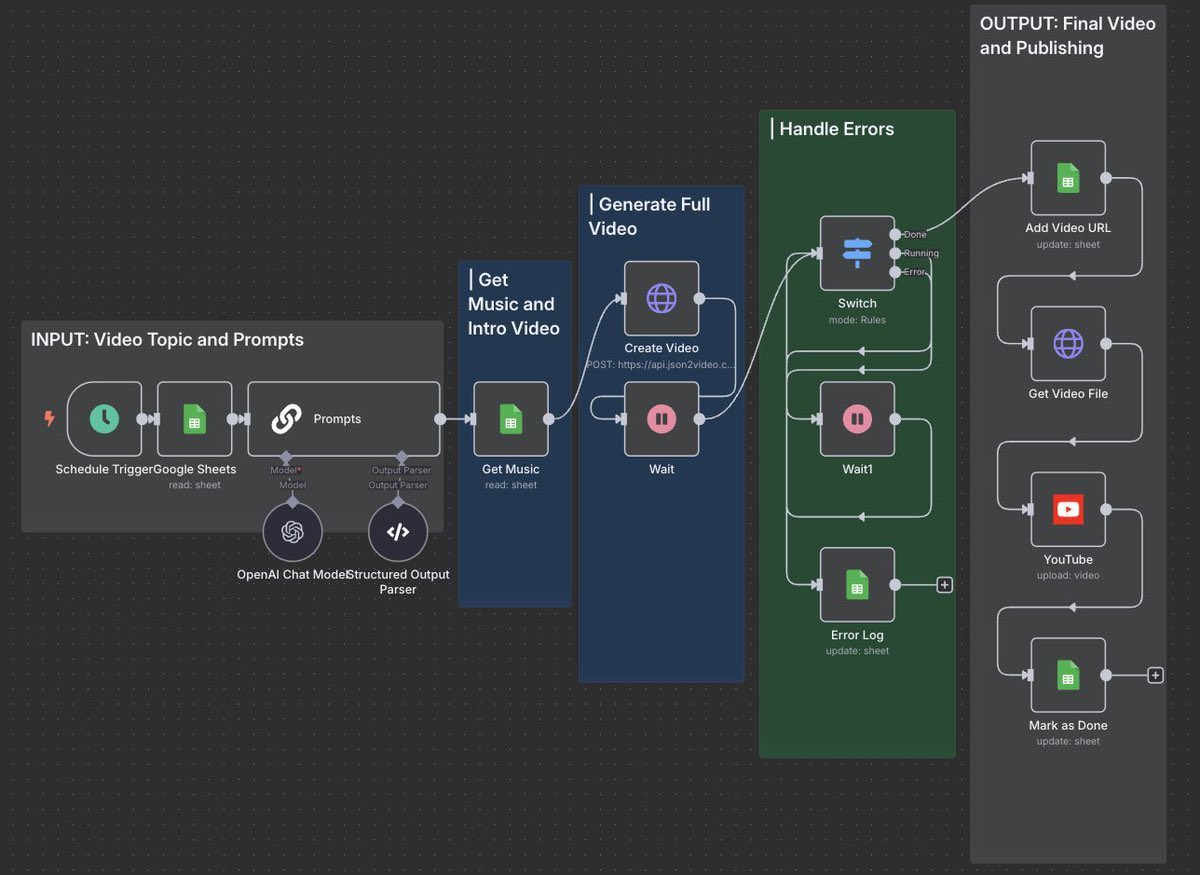
Drop a video idea in Google Sheets.... and do nothing.
In seconds, a full YouTube video gets made, uploaded, and logged without you touching a thing.
Follow + RT + reply “Post” and I’ll DM you the full setup for FREE
Thank you for reading! Follow @Fathers_writes
And join my email newsletter where I talk about:
Health
Psychology
Human nature
Sign up here:
https://t.co/V73k4TWFAf
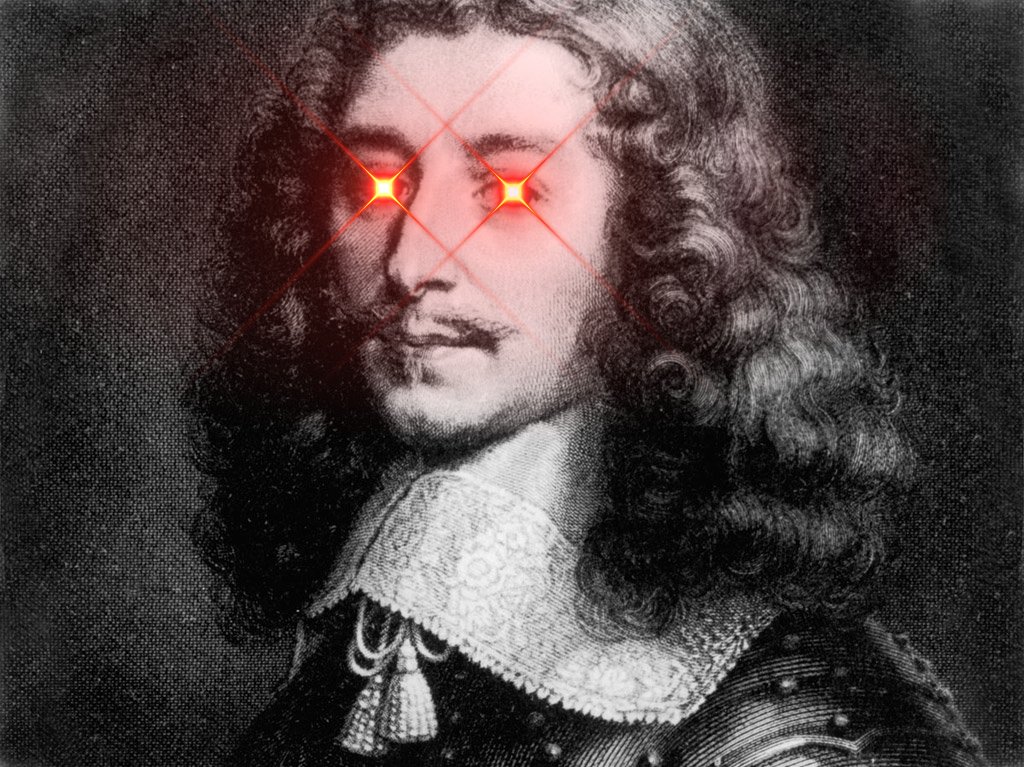
La Rochefoucauld was considered the ideal aristocrat for centuries
Left a lasting impact on Nietzsche
Wrote one-liners denser and more insightful than most books
Discover his 10 best aphorisms on charisma, love Thinkers v/s Doers, and more👇🏻
11/ Bills that contain this redefinition of money already passed the Kentucky Senate, the Montana Senate, the Indiana Senate, and the North Dakota House.
If not stopped, it will be the death of our freedom.
GO MAKE SOME NOISE!!
Share this thread 🙏
"Crypto is the worst - intern"
Fed deleted $2T in market cap
Sam lost $8B in customer money
Intern wasted entire summer applying to 3AC
But Delphi thinks there's hope in its 2023 report. So I went thru 67 pages of alpha to save you time
Here're the 7 defi insights in 3 mins
“Get rich quick” schemes are attractive.
But 99% of people who play them go broke.
Game theory tells us what to do instead.
Here’s the best path to getting rich:
🧵
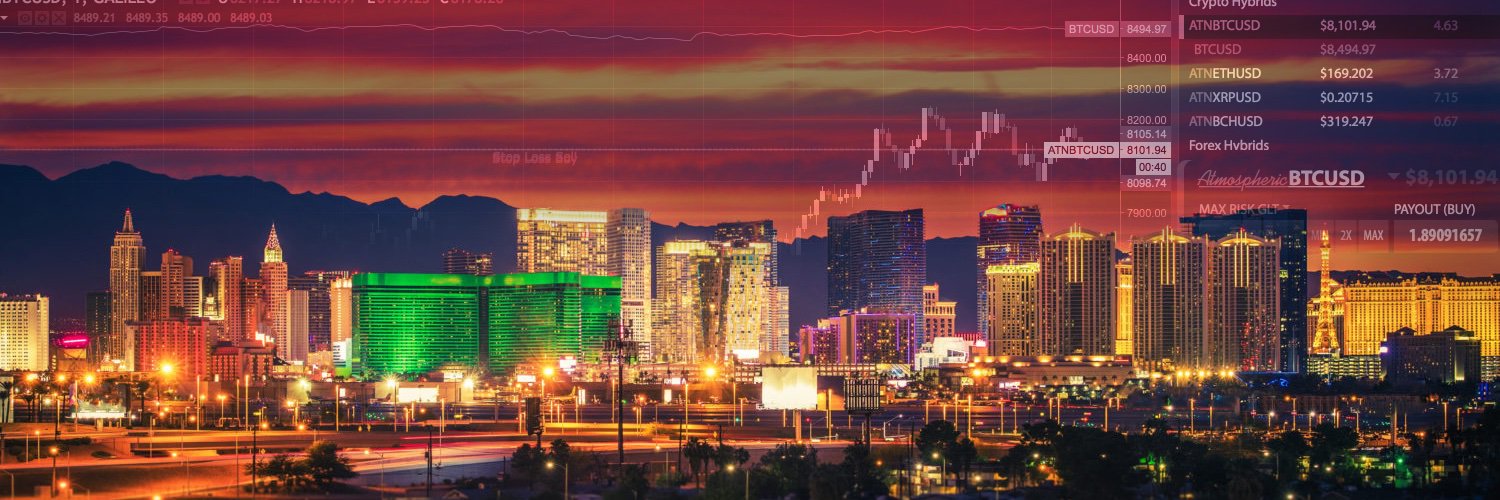
Slot machines are absurd:
— 70% of total Nevada gaming revenue
— In 2022, its $9B revenue was more than North American box office ($7.5B)
— The slot machine at Las Vegas airport recently passed $1B in lifetime revenue
@jayks In these years of experience i have noticed that: when the market goes down they are all silent with the candle in their hand to pray to the madonna and jesus christ, when the market starts to go up everyone publishes oscar-worthy arguments triggering the fomo.
ChatGPT has changed software development!
However, 68.1% of Software Engineers still don't use it.
As a CTO, I'm telling my teams to use ChatGPT in their daily work to increase both velocity and quality.
This is how 👇