Greece is closer to Africa than Dallas is to Austin, but illiterate C students who barely skimmed the Cliff Notes version of The Odyssey in HS, who wouldn't be able to point out Greece on a map, and who fundamentally don't understand the concept of artistic license, are triggered
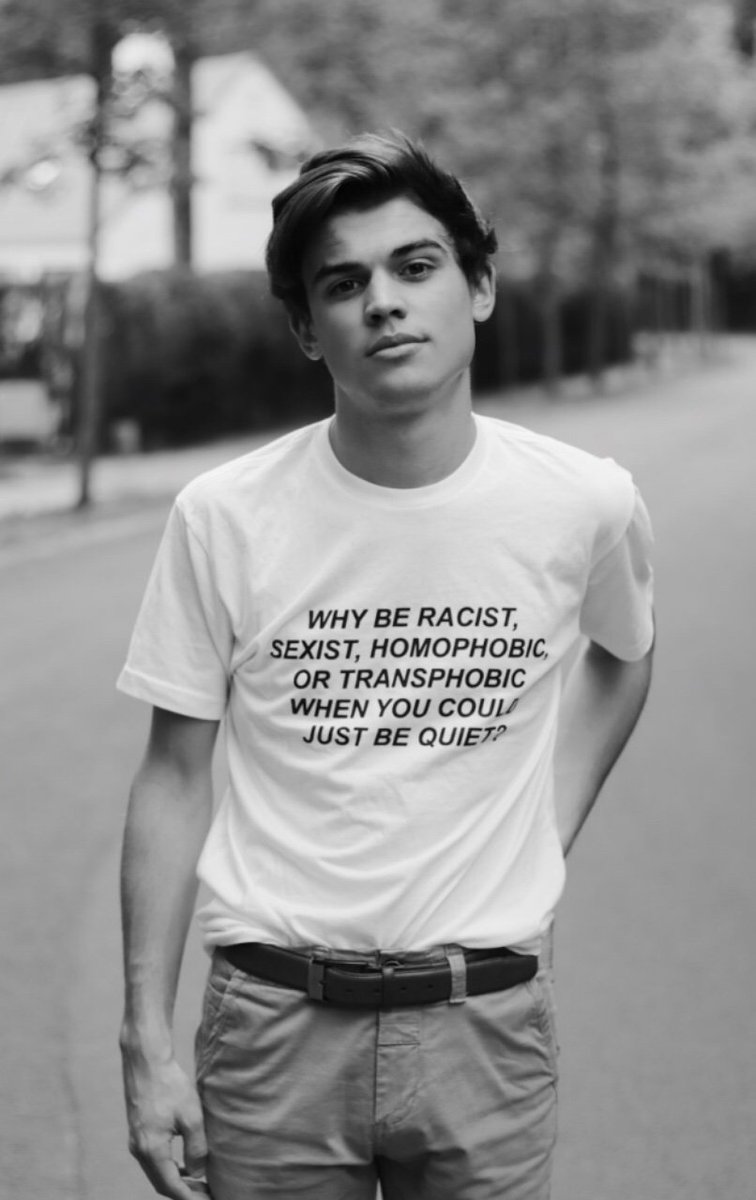
so much to say about the odyssey but have to start with how unbelievably emotional it made me to see a trans man as one of the first faces onscreen in one of the biggest movies of the year and called the bravest young man odysseus had ever met. elliot page was perfect.
Christopher Nolan's $250 million movie depends on one building in Burbank, 41 theaters worldwide, and roughly 90 people on Earth who know how to run the projector.
The Odyssey is the first feature shot entirely on IMAX film, and FotoKem is the last lab anywhere that can make the 70mm prints. Every one of the thousands of cuts in the film was spliced by hand with a glue pot. The production burned through 2.1 million feet of negative, about 400 miles of film, and every foot of it flew back to that single lab for processing.
Each finished print costs around $80,000 to make. One Las Vegas theater spent $32,000 on humidifiers just to keep its copy from drying out. Its projector had sat idle since Interstellar in 2014.
Here's what the scarcity bought: when 70mm tickets went on sale a full year before release, 95% of seats sold within an hour. Retail price was $25 to $28. Resellers got $300 to $400. Presales have already broken the all-time IMAX record.
Studios spent 20 years abandoning film because digital was cheaper to ship. Nolan kept the last lab alive and turned the bottleneck itself into the marketing. Thousands of rooms can play the 4K version. Only 41 can show the 18K version, and that gap is why people are crossing state lines for a movie ticket.
The format Hollywood declared dead in 2010 is now the scarcest luxury good in entertainment.