We can solve conservation problems, but we need to do more than simply preserving natural areas and leaving them alone.
Unmanaged natural areas can provide acceptable habitat, but usually far from optimal.
There’s a few reasons for that:
1. land use change and development has so altered the landscape that we need to actively work to represent a diversity of habitats in conserved areas.
2. Natural processes like fire, grazing from native herbivores, and predation by apex predators, which interacted to shape vegetation diversity, are usually absent.
3. Invasive species can dramatically reduce the habitat value of an area
4. A lot of our forests were harvested 80 to 100 years ago, and we now have relatively even-aged stands that lack age and structural diversity needed to support a diversity of wildlife.
Despite all this, we have the knowledge and ability to manage natural areas to support greater biodiversity and abundance.
It often involves targeted disturbance. Warning some of these may surprise you:
-Strategic timber harvest to create structural and species diversity and establish forest understory.
-Herbicide for invasive and undesirable plants,
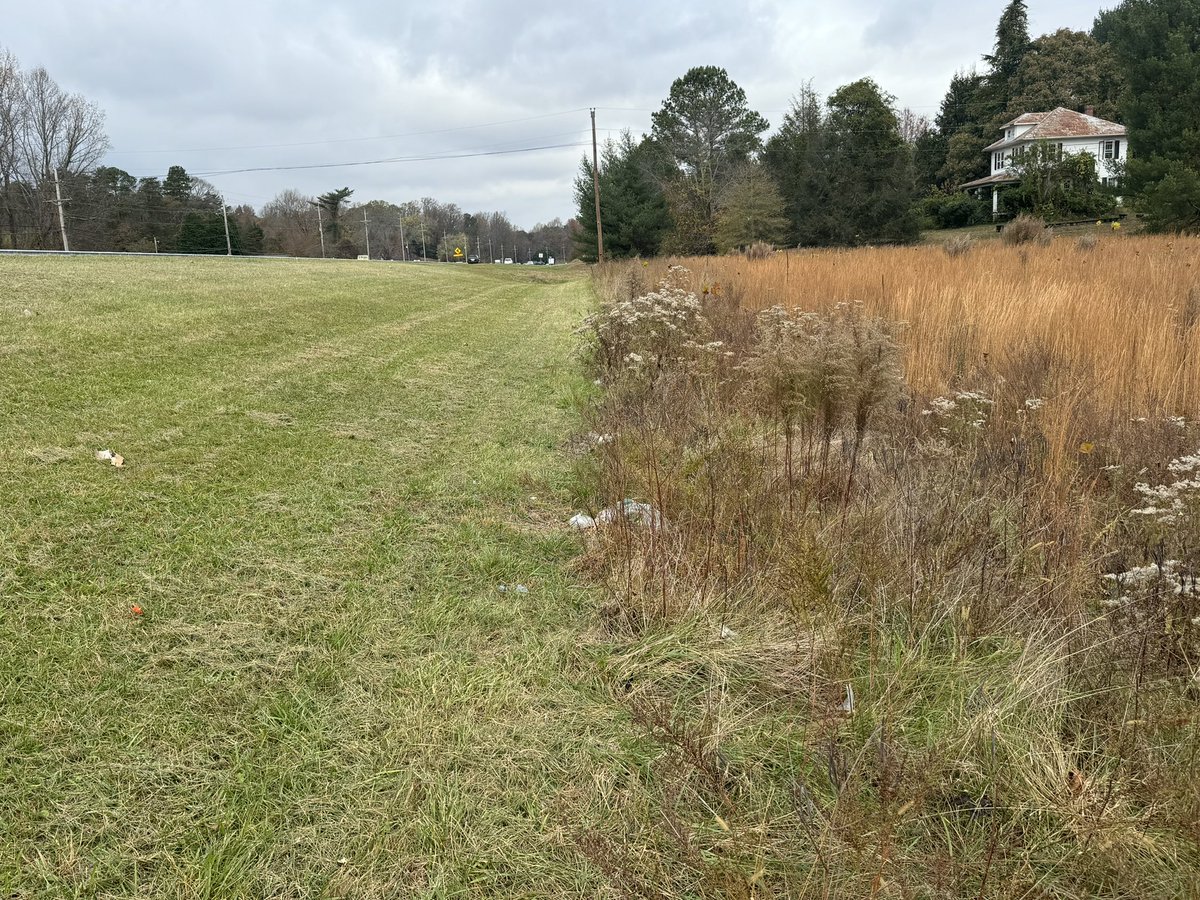
-Prescribed fire to maintain open grassland areas,
-Timed disking to stimulate wildflowers, and/or
-Targeted grazing to mimic historical herbivory and reduce grass dominance.
Determining how to apply these tools can take a lot of nuance and should be done with forethought, but they can make dramatic improvements for some of our most declining wildlife species.
We can solve conservation problems, but we need to do more than simply preserving natural areas and leaving them alone.
Unmanaged natural areas can provide acceptable habitat, but usually far from optimal.
There’s a few reasons for that:
1. land use change and development has so altered the landscape that we need to actively work to represent a diversity of habitats in conserved areas.
2. Natural processes like fire, grazing from native herbivores, and predation by apex predators, which interacted to shape vegetation diversity, are usually absent.
3. Invasive species can dramatically reduce the habitat value of an area
4. A lot of our forests were harvested 80 to 100 years ago, and we now have relatively even-aged stands that lack age and structural diversity needed to support a diversity of wildlife.
Despite all this, we have the knowledge and ability to manage natural areas to support greater biodiversity and abundance.
It often involves targeted disturbance. Warning some of these may surprise you:
-Strategic timber harvest to create structural and species diversity and establish forest understory.
-Herbicide for invasive and undesirable plants,
-Prescribed fire to maintain open grassland areas,
-Timed disking to stimulate wildflowers, and/or
-Targeted grazing to mimic historical herbivory and reduce grass dominance.
Determining how to apply these tools can take a lot of nuance and should be done with forethought, but they can make dramatic improvements for some of our most declining wildlife species.
@elonmusk That’s awesome. Wonder if that’s a factor causing ghost braking for shadows on the road. For me, FSD updates have advanced performance except that exception.
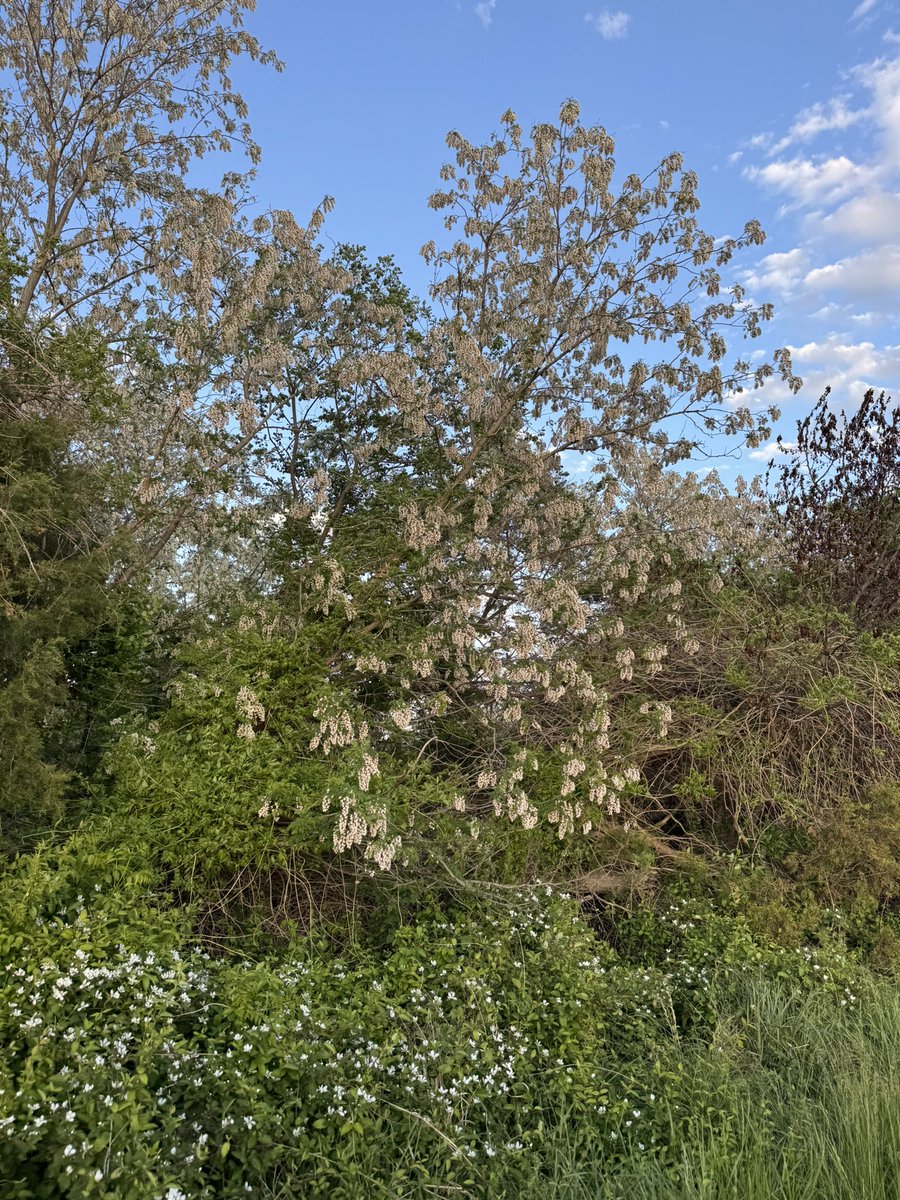
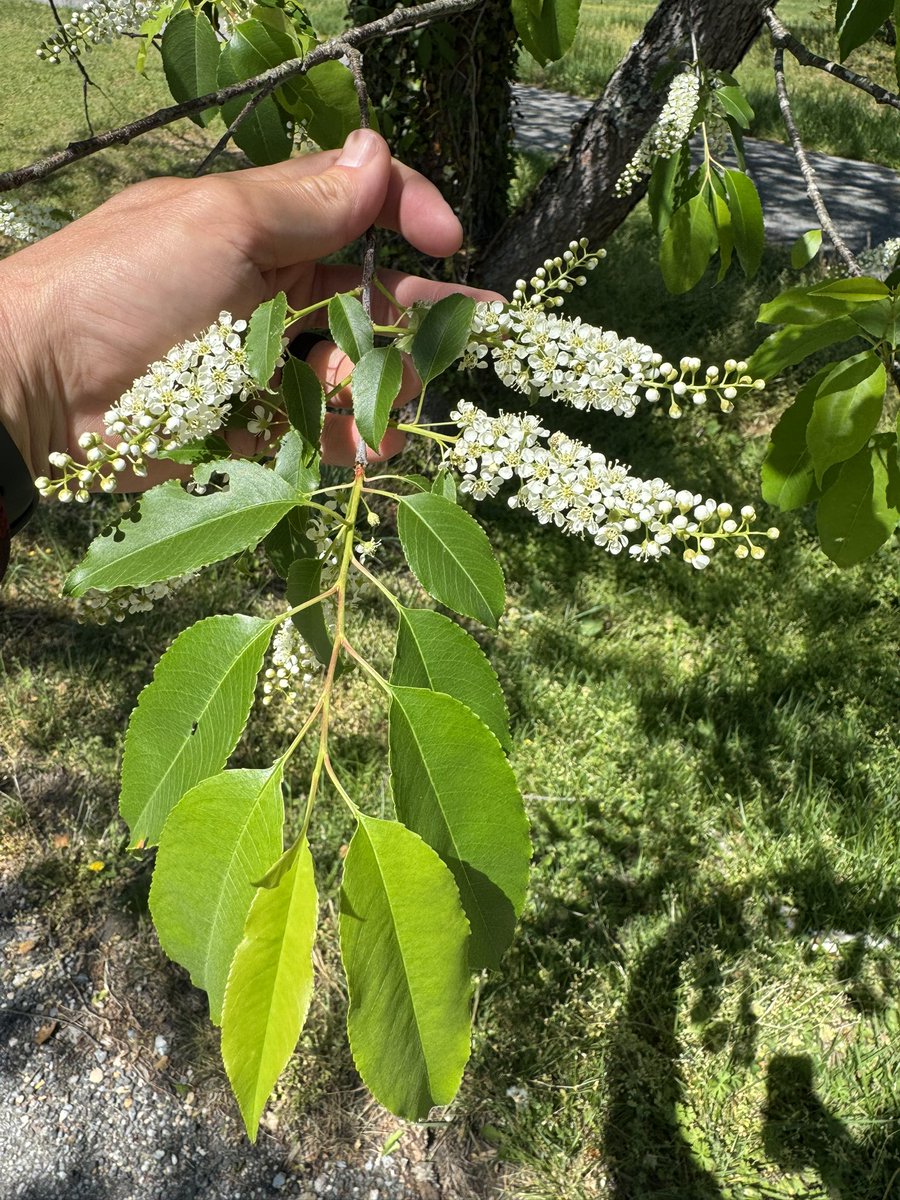
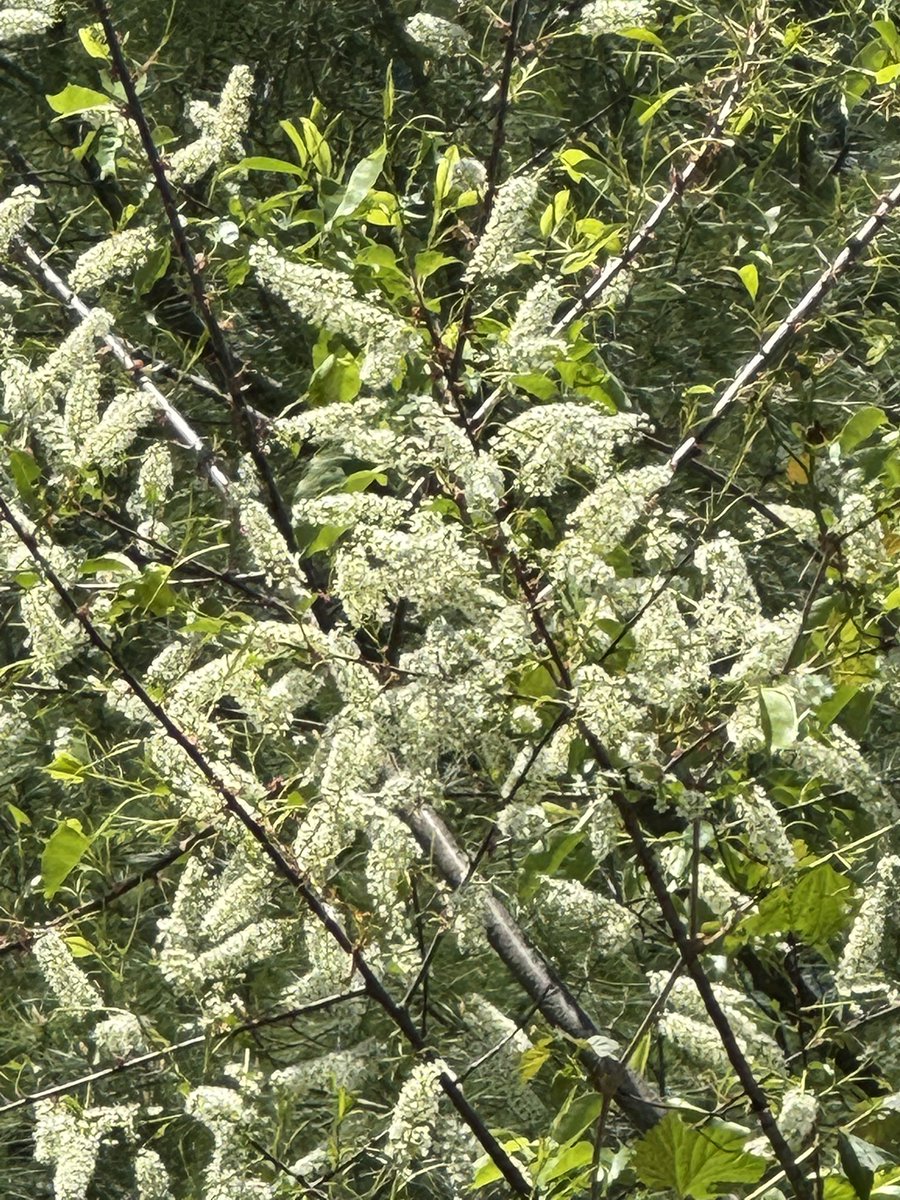
Two more native trees —both great for wildlife—that you can identify from their showy flowers this time of year.
1. Black cherry (first 2 pics)
2. Flowering dogwood (last 2 pics)
@MispillionFarms It was an awesome few days. I highly recommend Quailmasters and following the work of Dr. Rollins and the Rolling Plains Quail Research Foundation!
Was great meeting one of the foremost quail experts in the country: Dr. Dale Rollins.
Session 1 of Quailmasters at the Rolling Plains Quail Research Ranch is wrapped up.
3 to go in South Texas east Texas and the panhandle.
My Xfinity kept lagging and dropping in the middle of zoom calls. So I got a Starlink, works great, and a month later I got a Starlink mini for my car so I can have internet when I’m out in rural areas. No more crappy phone tethering issues when I need internet out in the field. Both amazing products. And it’s even cheaper than Xfinity!