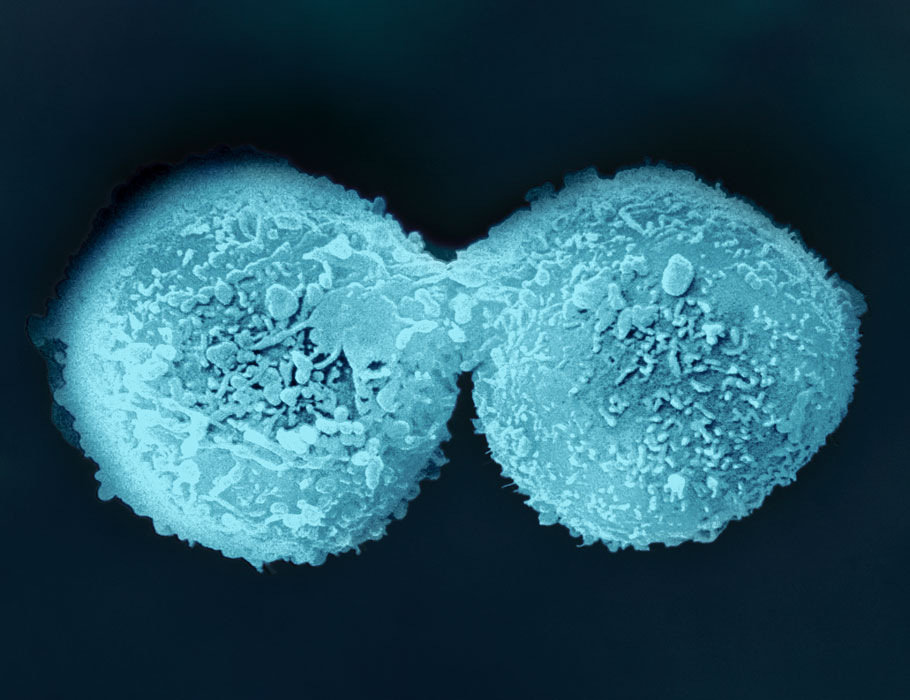
Excited to announce the publication of my PhD work with @metaBailism in @SciImmunology! Many thanks to the lab and collaborators for making this possible!
We asked if the immune system regulates the strength of its response through cellular metabolism. Read on to learn more 🧵
Learning immunology from mothers and babies https://t.co/Dwz3HepTGL The maternal-fetal dyad can reveal new approaches for improving pregnancy outcomes, but also how the immunology works applicable to many other physiological contexts @MucosalImmunol@socmucimm@Lukeocyte_bio
Mama's T cells need KLF2 for promoting fertility and optimal pregnancy outcomes. Great work by @Abrady81@Lukeocyte_bio and the entire lab
Maternal Krüppel-like factor 2 (KLF2)+ CD4 T cells promote fertility and fetal tolerance | PNAS https://t.co/cuty2szEgj
Another twist to why babies more vulnerable to infection. Beyond immune cell immaturity, layering, active suppression... maternal pathogen-targeted antibodies still protect. Grateful @Nature for sharing this glass half-full perspective https://t.co/NmDlUluJzD
Another exciting piece of work from the lab demonstrates that moms can help their babies fight against infection long after birth! In our preclinical model, complement sufficient maternal microchimeric cells make enough protein to protect deficient offspring against infection.
JCI - Complement-producing maternal microchimeric cells override infection susceptibility in complement-deficient murine offspring https://t.co/KBwDRNTUsE another example for what microchimeric cells can do, in this case offset disease severity associated with missing proteins
Just published from the lab! A perspective article in which we provide a little bit of data and open a lot of questions in trying to understand the unique immunological niche of fetal microchimeric cells (cells of fetal origin reside in mothers).
https://t.co/zzIHJKAU18 Besides persistence, another remarkable feature for microchimeric cells is their susceptibility to pregnancy induced displacement, and replacement by new fetal microchimeric cells. We don't know how this works, but does not seem to be classical rejection
WE WON! This week, over 2000 Penn grad workers cast ballots. After eligible votes were tallied, the final count was 1807 to 97. It's official. The majority of eligible voters turned out to the polls. Penn graduate workers have resoundingly declared: WE WANT A UNION AT PENN!
A new study describes how metabolic changes that take place even before the first cell division is completed can influence clonal lymphocyte expansion. @metaBailism
📄: https://t.co/StmBqukoMW
Focus: https://t.co/A5FoQ5IBqC
Really nice focus article from the Richard lab giving some extra context into our work just published in @SciImmunology@metaBailism https://t.co/Uh3DKqlE4m
Why do activated T/B cells wait to divide? Why is there heterogeneity in their daughter cell responses? How do we find peace in these troubled times? Check the Bailis Lab’s FIRST PAPER (🎉) for insight into 2 of these 3 questions! https://t.co/QCYpwvLLRU
Excited to announce the publication of my PhD work with @metaBailism in @SciImmunology! Many thanks to the lab and collaborators for making this possible!
We asked if the immune system regulates the strength of its response through cellular metabolism. Read on to learn more 🧵
These data provide a novel metabolic lens to understand lymphocyte affinity dependent cellular dynamics as well as revealing heterogeneity within clonal populations.