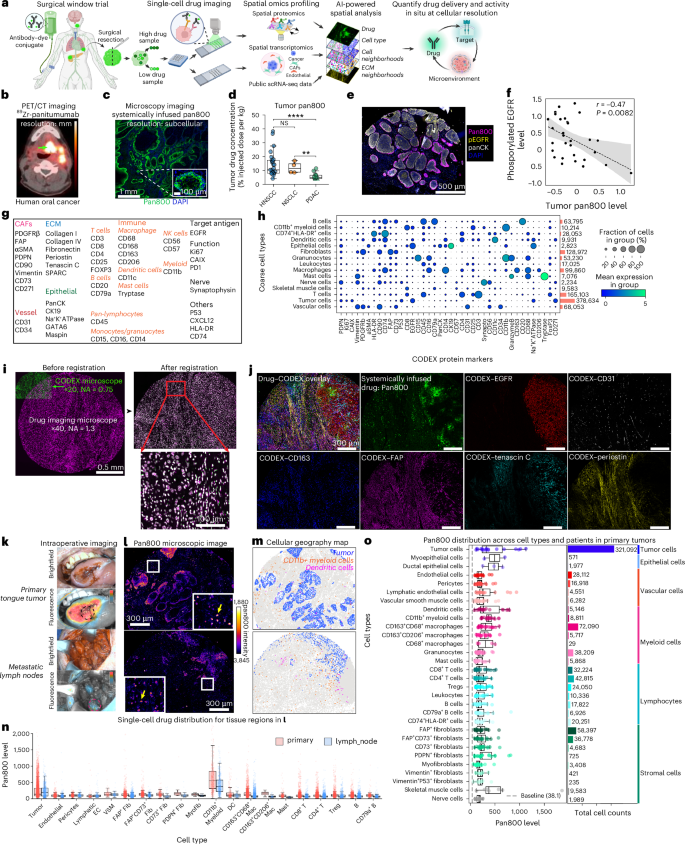
1/ Thrilled to share our new paper, out today in @Nature: "Non-invasive profiling of the tumour microenvironment with spatial ecotypes".
Paper (open access): https://t.co/EujZFqU7wi
Excited to share OptimusKG, a modern multimodal knowledge graph, led by @lvvittor@ayushnoori@InakiArango
📚 Knowledge substrate for LLM retrieval
🔍 Verification, knowledge grounding
⚖️ Reward modeling for RL in reasoning models
🧬 Discovery use cases such as hypothesis generation
https://t.co/AUQV5JmRuv
OptimusKG brings together molecular, clinical, anatomical, and environmental knowledge with tracked provenance that spans 21M datapoints and 110M properties
OptimusKG is reproducible and updatable. Data generation pipeline can regenerate the graph as source datasets change, helping the resource stay aligned with evolving science
A frontier multimodal research agent @EdisonSci assessed whether data points in OptimusKG are supported by scientific literature. It found support for 70.0% of sampled true edges, while 83.4% of sampled false edges had no supporting evidence. Additionally, OptimusKG also captures experimental data that has not yet been widely synthesized in publications
https://t.co/7ZuhbCrld3
https://t.co/FClrtJRY2Q
Many thanks to Lucas Vittor, Ayush Noori, Iñaki Arango, Joaquín Polonuer, Samuel G. Rodriques, Andrew White, David Clifton
@harvard@harvardmed@HarvardDBMI@KempnerInst@harvard_data@broadinstitute@EdisonSci@UniofOxford
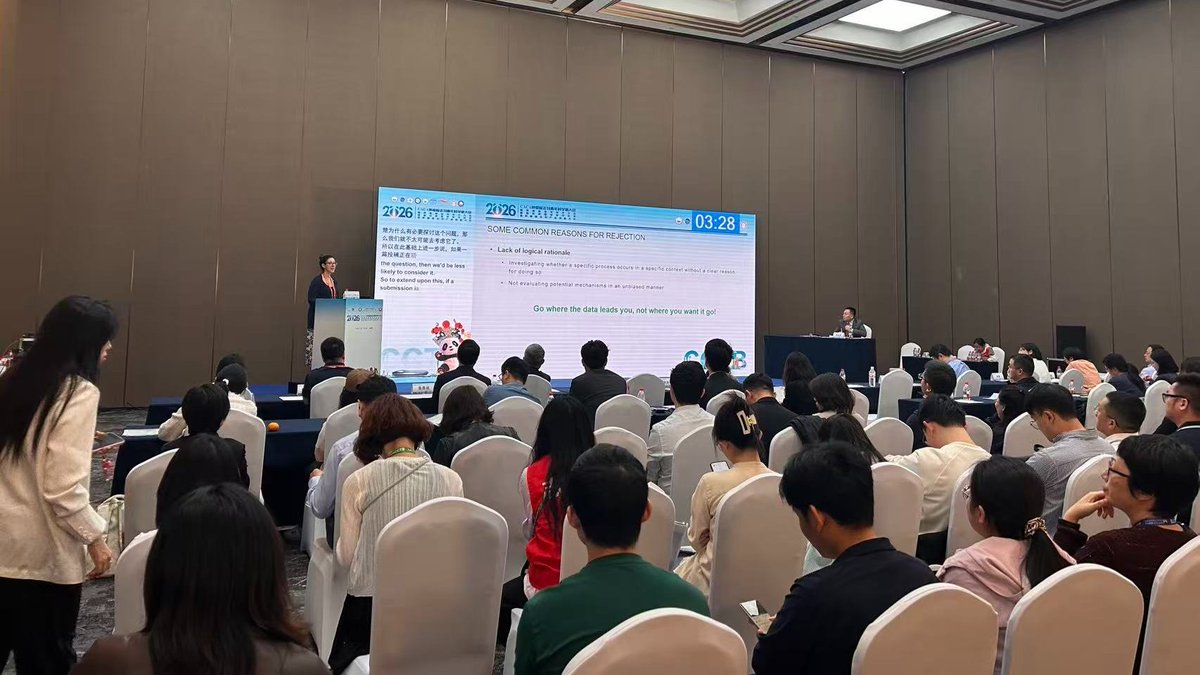
I have do more research, i have find the same point in this sharing, "Not all knowledge gaps are equally important to fill". Hope next time have important gap filled manuscript can submit to 'Cancer discover'😀
@ElizSMcKenna A special thank you for fantastic talk in Chengdu! Your presentation was so enthusiastic and incredibly useful. I specifically went to listen to your session, and I really benefited from it. Thank you for the wonderful sharing!
@ElizSMcKenna A special thank you for fantastic talk in Chengdu! Your presentation was so enthusiastic and incredibly useful. I specifically went to listen to your session, and I really benefited from it. Thank you for the wonderful sharing!
Machine learning predicts hepatocellular carcinoma risk from routine clinical data: a large population-based multicentric study https://t.co/bnZx6Eii5S
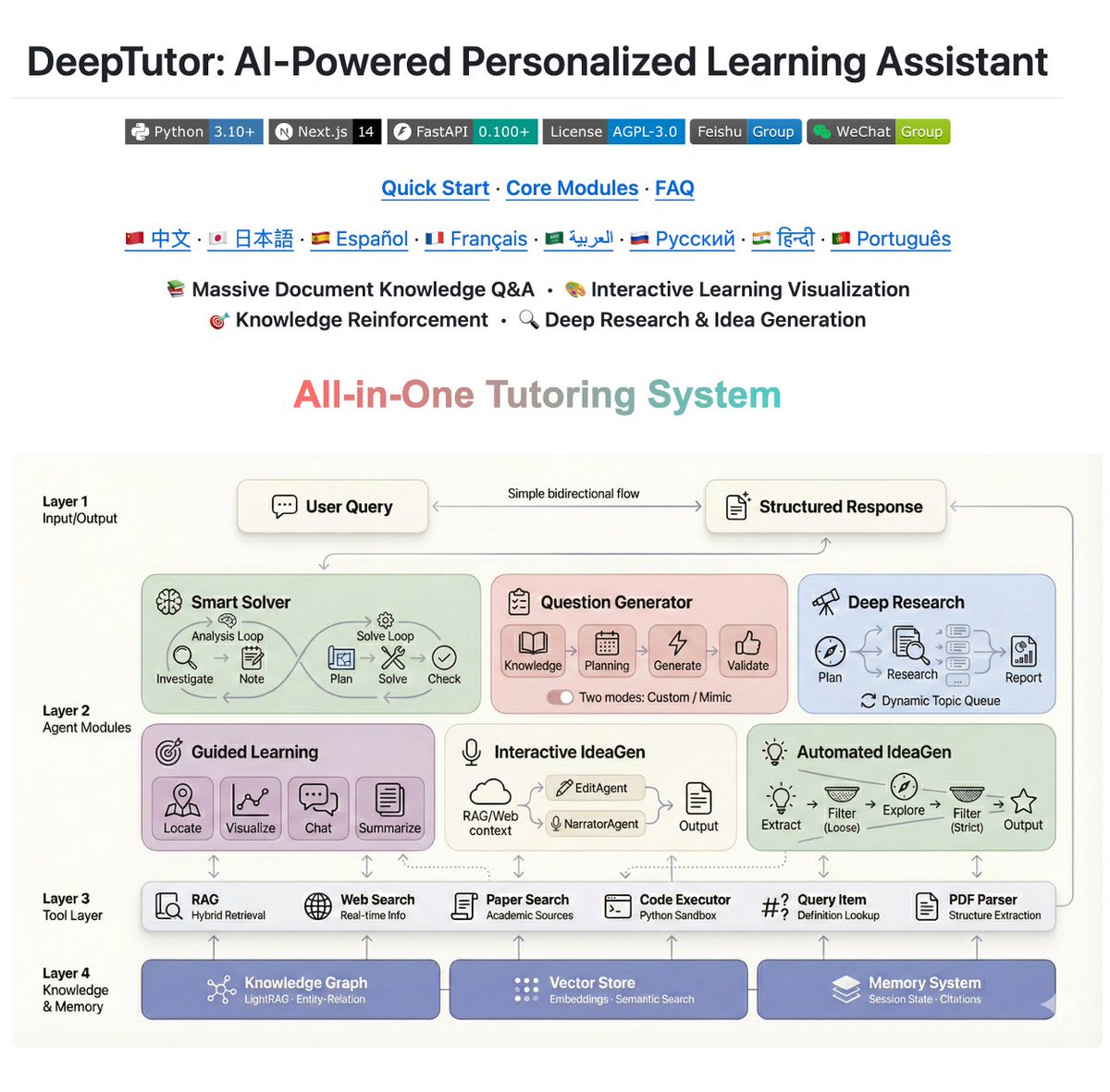
Released just five days ago, DeepTutor has already surged past 1.4K stars on Github! It seems people are hungry for a smart learning assistant that truly understands them.
🔗 Fully Open-Source: https://t.co/Wd8odKIRSn
We talked to countless students and kept hearing the same pain points: existing AI tools are either too fragmented or fail to capture personal learning context effectively. That's exactly why we built DeepTutor—to create an AI learning companion that actually remembers your progress and adapts to your unique learning style.
DeepTutor's Core Architecture
- 💬 User Interface Layer
Intuitive bidirectional interaction with structured, actionable outputs that organize complex context seamlessly.
- 🤖 Intelligent Agent Modules
Specialized multi-agent collaboration: problem solving, deep research, guided learning, and idea generation.
- 🔧 Tool Integration Layer
Unified access to RAG retrieval, real-time web search, academic databases, and code execution capabilities.
- 🧠 Personalized Knowledge & Memory Foundation
Persistent memory system built on knowledge graphs with contextual session tracking. Creates truly personalized learning experiences tailored to your individual progress and preferences.
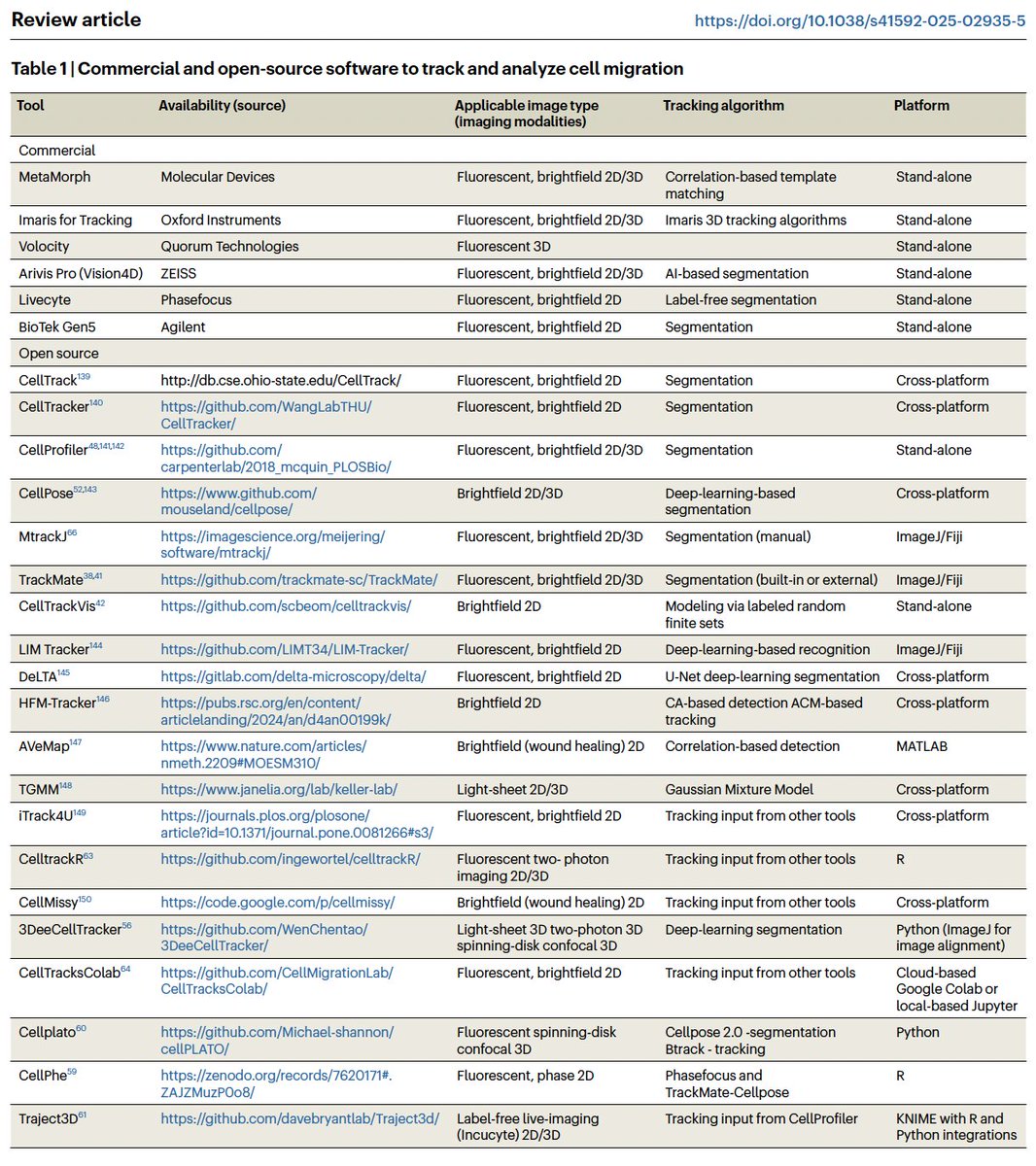
What method should you use to track migrating cells?
Read "Methods to analyze cell migration data: fundamentals and practical guidelines" to find the best cell tracking tool.
Download the paper here: https://t.co/3qGrW9OACg
New in the December 15 issue from the Cancer Research special series: Large-Scale T-cell Receptor Repertoire Profiling Unveils Tumor-Specific Signals for Diagnosing Indeterminate Pulmonary Nodules https://t.co/RVr4kg9XIz
@Luo_lab#TCRSequencing#OpenAccess