If you want to make more money, we offer free daily Economic Awareness Training in The Black Business School.
My PhD is in Finance and I would love to help you. Thousands of my students meet me in a private zoom every morning at 10 am EST and they even bring their children.
If you are serious about growing your economic intelligence, just text the Morning to 87948 or visit https://t.co/O0Vg8lci6D.
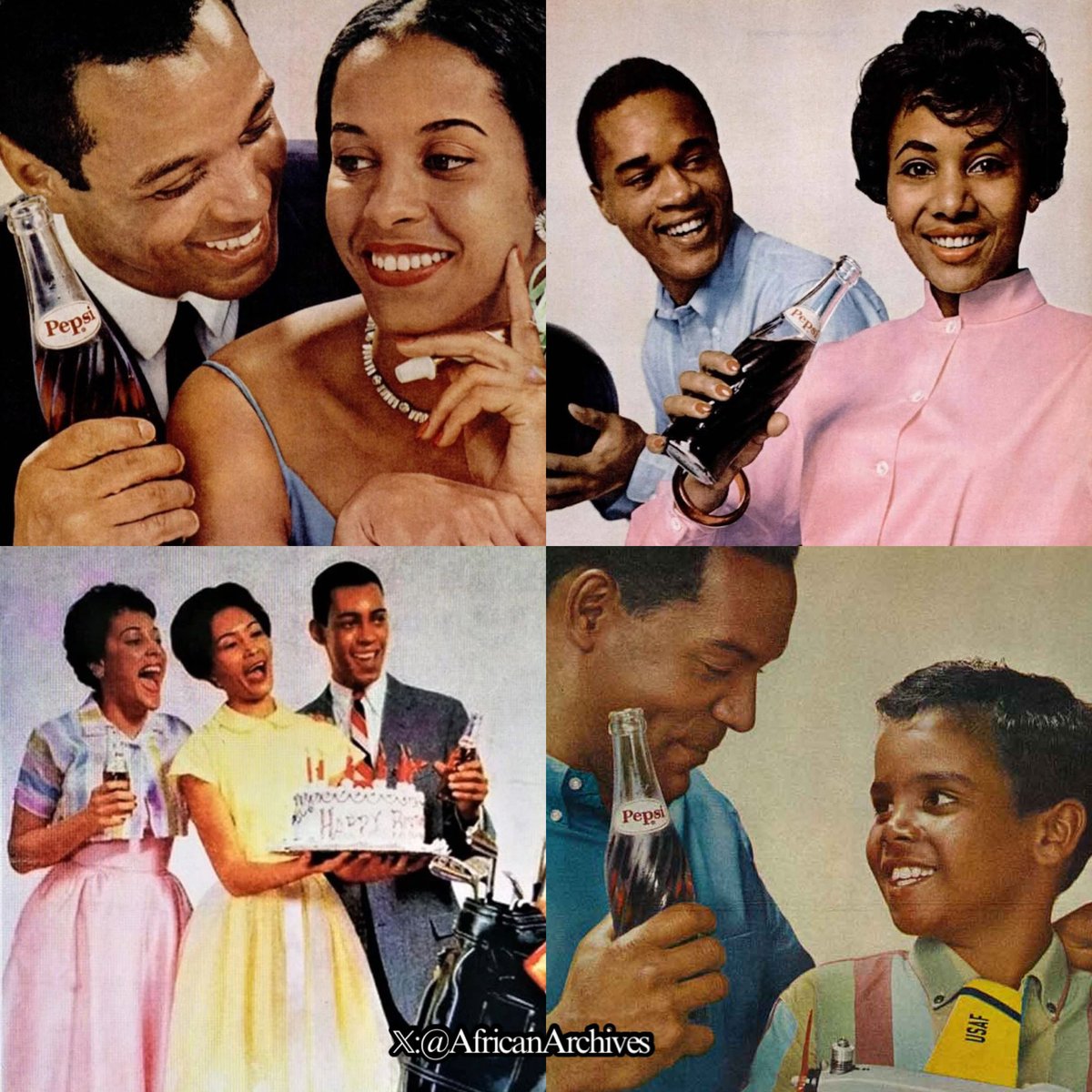
In the 1940s, Pepsi saw Black Americans as an untapped niche market while Coca Cola marketed mainly to white people. Pepsi adverts portrayed black people in a positive light, in a time with racial segregation, in spite of facing threats from KKK. Coke’s recipe was heavily influenced by white supremacy and it was marketed mainly to the white middle class while ignoring the Black American market.
During the 1940s, Pepsi launched a “negro markets” department and had black sales representatives promoting the brand in urban areas. They also hired black models to appear in ads, featured in black publications and they also displayed Pepsi in stores that were mostly frequented by black customers. Thus pepsi became popular within the black community while coke within the white community becoming a black V white drink. Pepsi's market share increased by the 1950s and according to statistics (by then), black people were 3 times more likely to buy Pepsi than Coke.
Ultimately both companies eventually began to implement diversity advertising campaigns after realizing that they were missing out on the opportunity to generate billions of dollars in revenue though that still didn’t put an end to the racism within the workforce.
🖊️As the only admin behind this page, I try to research to educate. If you appreciate this effort, you can support to help the page thrive on https://t.co/vf5SMSPu4z. Your support is deeply appreciated! (Or just the ko-fi page for articles/posts roundup)
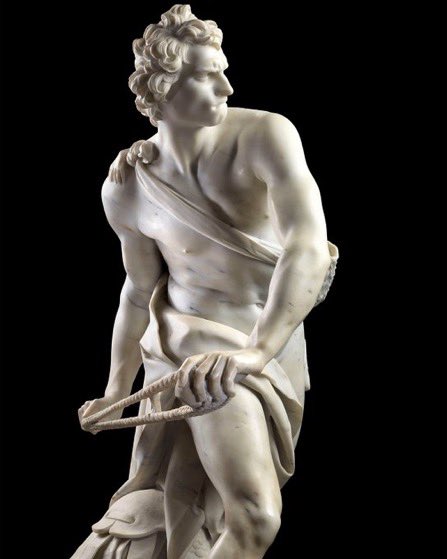
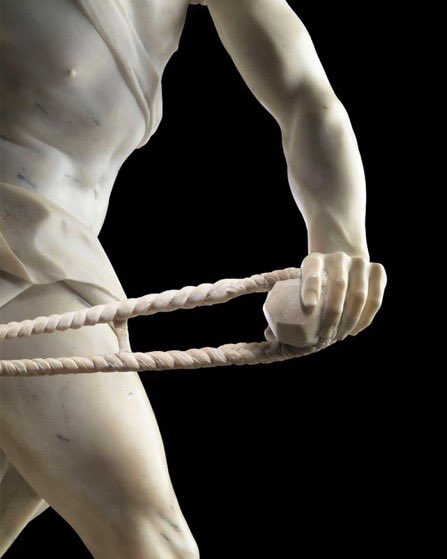
One more: Bernini's sculpture of David is a groundbreaking exploration of intense psychological states, such as the anger seen here. The eyebrows are deeply furrowed and he tightly bites his lower lip.
Some experts also suggest that the sculptor was influenced by Leonardo da Vinci's writings on movement. In his Treatise on Painting, Da Vinci addresses precisely the challenge of rendering a figure in mid-throw. It's plausible that Bernini incorporated this theoretical insight into his rendition of David.
“If you represent him beginning the motion, then the inner side of the outstretched foot will be in line with the chest, and will bring the opposite shoulder over the foot on which his weight rests. That is: the right foot will be under his weight, and the left shoulder will be above the tip of the right foot.” — Leonardo Da Vinci
Thank you for taking the time to read this thread. If you enjoyed it, please share the first post and follow me for more similar content: @JamesLucasIT
3. Waterfall of the Bride, Peru
According to legend, a couple was torn by family rivalry. On their wedding day, the bride's father killed the groom. Heartbroken, the bride asked Mother Nature to turn her into a waterfall, a symbol of her eternal love.